- Three lenses: Strategy (why projects exist) · Structure (who reports to whom) · Culture (the unwritten rules).
- Strategic management = formulate, implement and evaluate cross-functional decisions so the organization reaches its objectives.
- Four parts: vision and mission → formulate, implement, evaluate → cross-functional decisions → achieve objectives.
Asked in a real exam
🎯 How this can come up · 1 question
How does project management contribute to an organization achieving its strategic objectives?
Strategy is formulated at the top (vision, mission, objectives), but it is implemented through projects: new plants, products, reengineering or IT efforts (Table 2.1). Project management turns those strategic choices into delivered results by selecting projects that match the strategy, coordinating cross-functional work, controlling resources, time and cost, and evaluating outcomes against the objectives. Good PM therefore makes strategy implementation predictable, and its feedback informs future strategy.
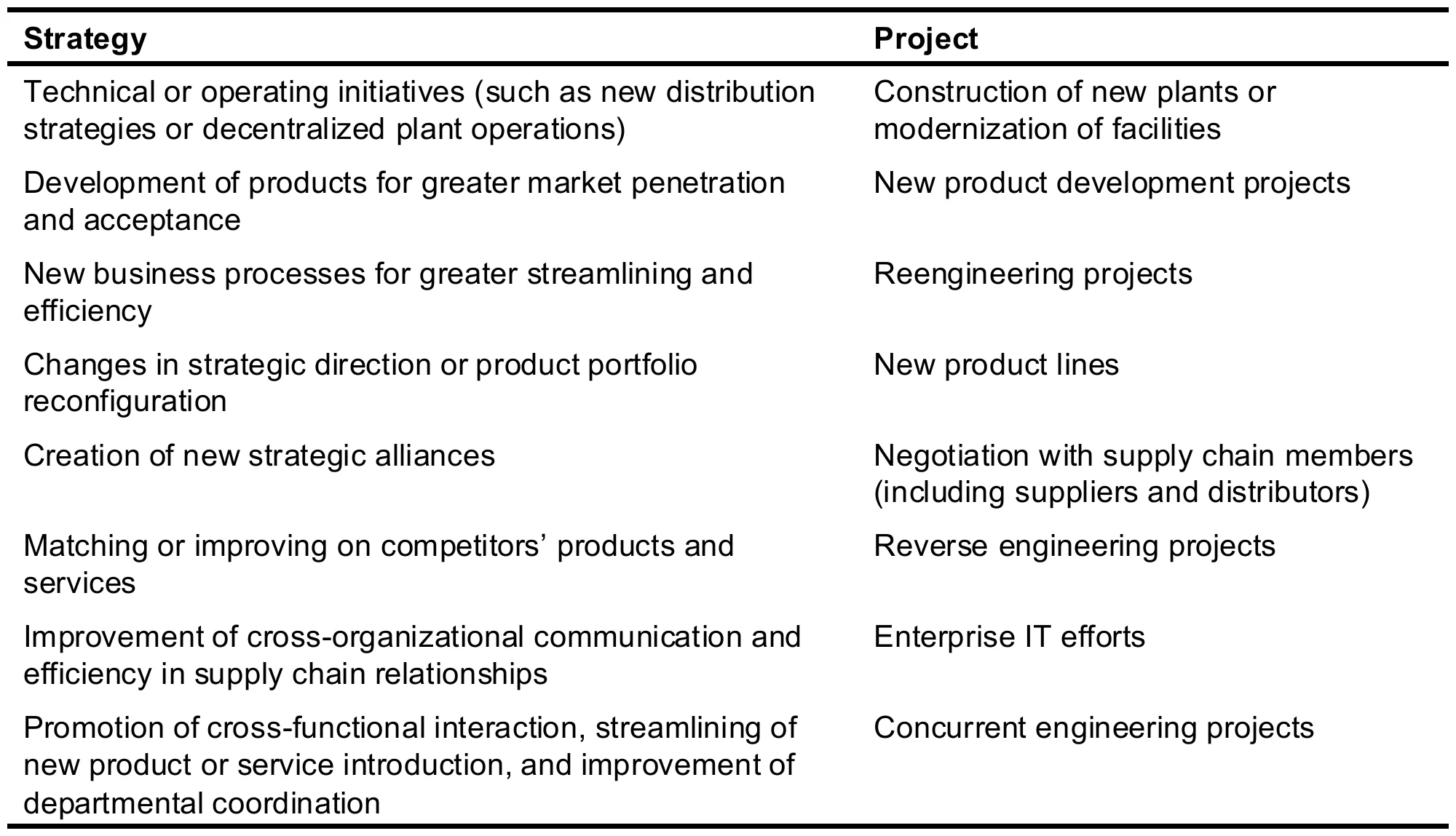
- The point of the table: projects are how strategy gets implemented. Pick one or two rows as examples in an answer.
Related real-exam questions
🎯 How this can come up · 1 question
Matching or improving on competitors’ products is implemented through which kind of project?
Correct: Reverse engineering projects.

- Same facts, different strategy. Airbus read the market as “bigger planes”, Boeing as “more direct flights”. The A380 project was well executed but served the wrong strategy.
- Vision and mission = what the organization hopes to become.
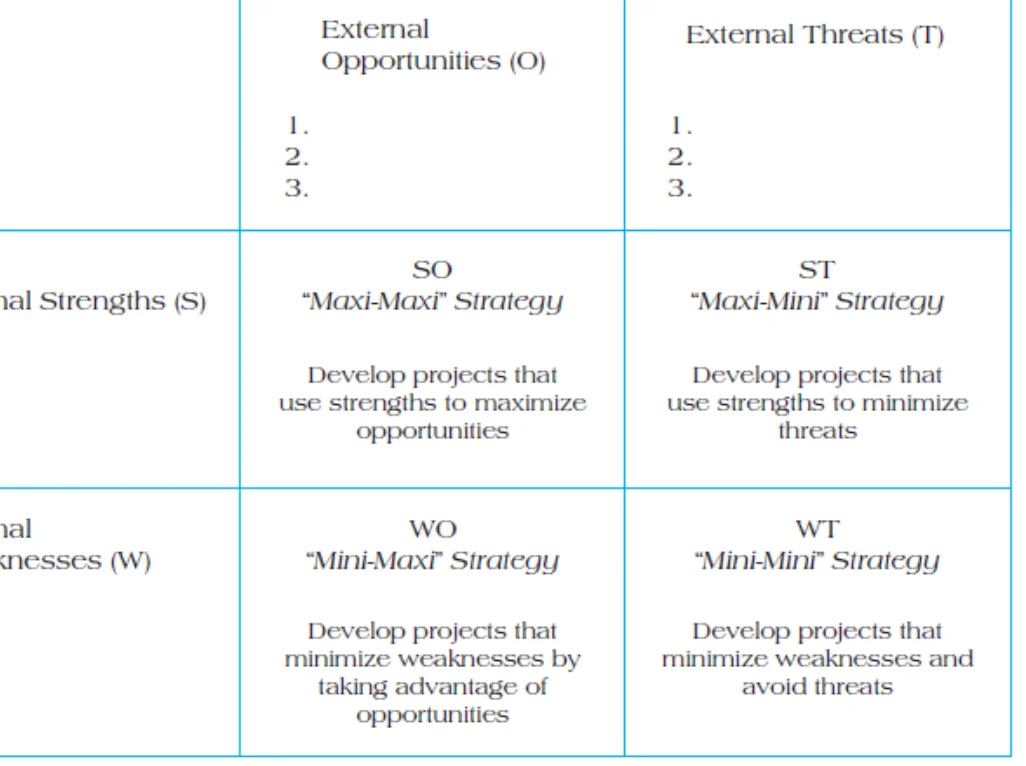
- TOWS = SWOT turned into strategies: SO (use strengths for opportunities), ST (strengths against threats), WO (fix weaknesses with opportunities), WT (minimize both).
🎯 How this can come up · 1 question
In a TOWS matrix, a strategy that uses internal strengths to take advantage of external opportunities is:
Correct: SO.
- Stakeholder analysis shows the conflicts that new projects create.
- Stakeholders = anyone with an active stake who can affect the project positively or negatively.
Related real-exam questions
- Intervenor groups = external groups with the power to intervene and disrupt (environmental, political, consumer). The pipeline examples show them stopping projects.
Related real-exam questions
🎯 How this can come up · 2 questions
An environmental group that sues to halt a pipeline project is called a(n):
Correct: Intervenor group.
Competitors are internal stakeholders.
False. They are external stakeholders.
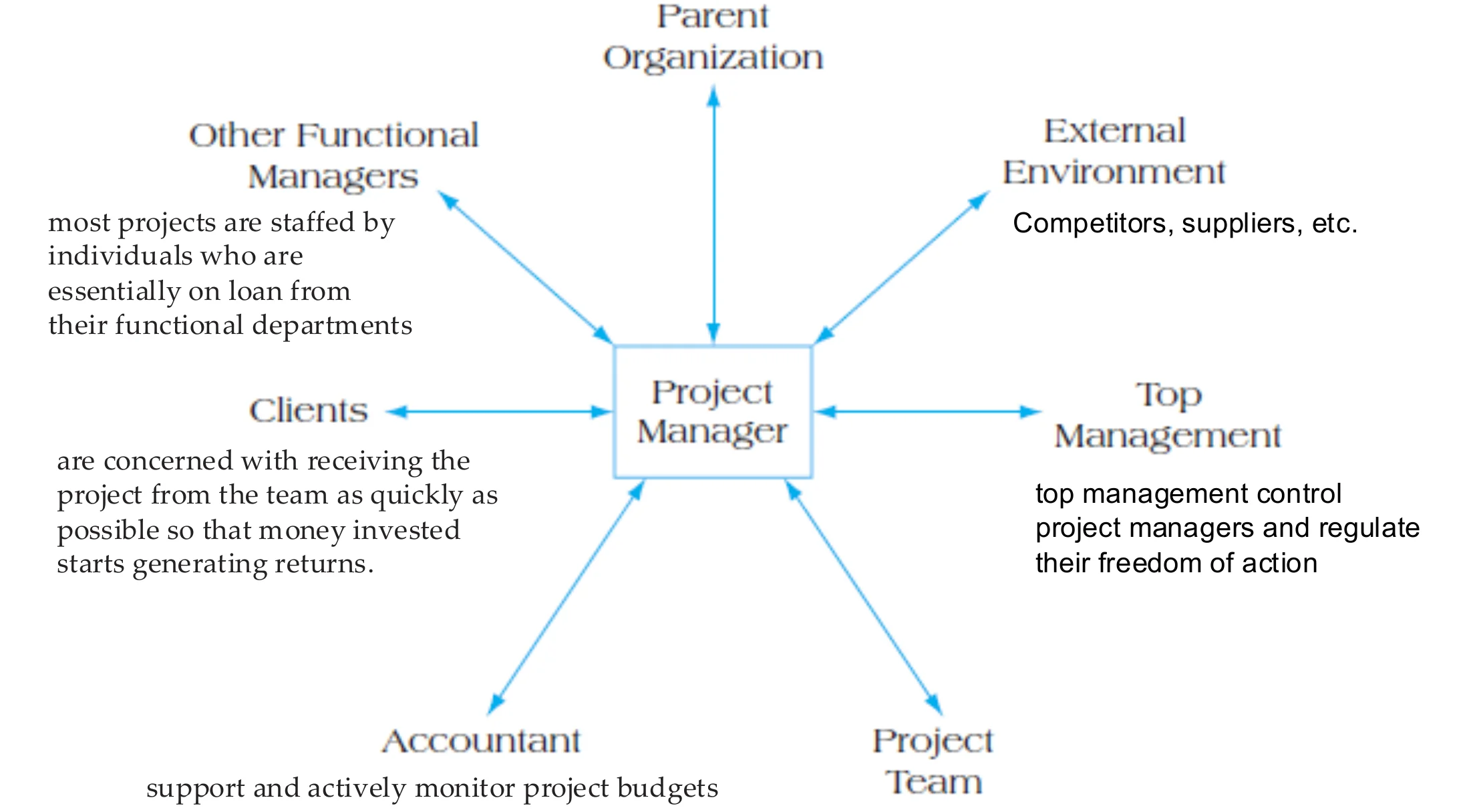
- What each stakeholder wants:
Functional managers: their people back (team members are “on loan”).
Clients: delivery as fast as possible so returns start.
Top management: control of the PM.
Accountant: budget monitoring.
🎯 How this can come up · 1 question
According to Figure 2.3, clients are mainly concerned with:
Correct: Receiving the project as quickly as possible so their investment starts generating returns.
- Structure = (1) reporting lines (levels, span of control), (2) groupings (people → departments → organization), (3) systems for communication, coordination and integration.
- Functional = by department (marketing, finance). Project = by project team. Matrix = both at once.
- Matrix = a dual hierarchy: functions and projects are equally important.
Related real-exam questions
🎯 How this can come up · 1 question
An organization where employees report to both a functional manager and a project manager has a:
Correct: Matrix structure.
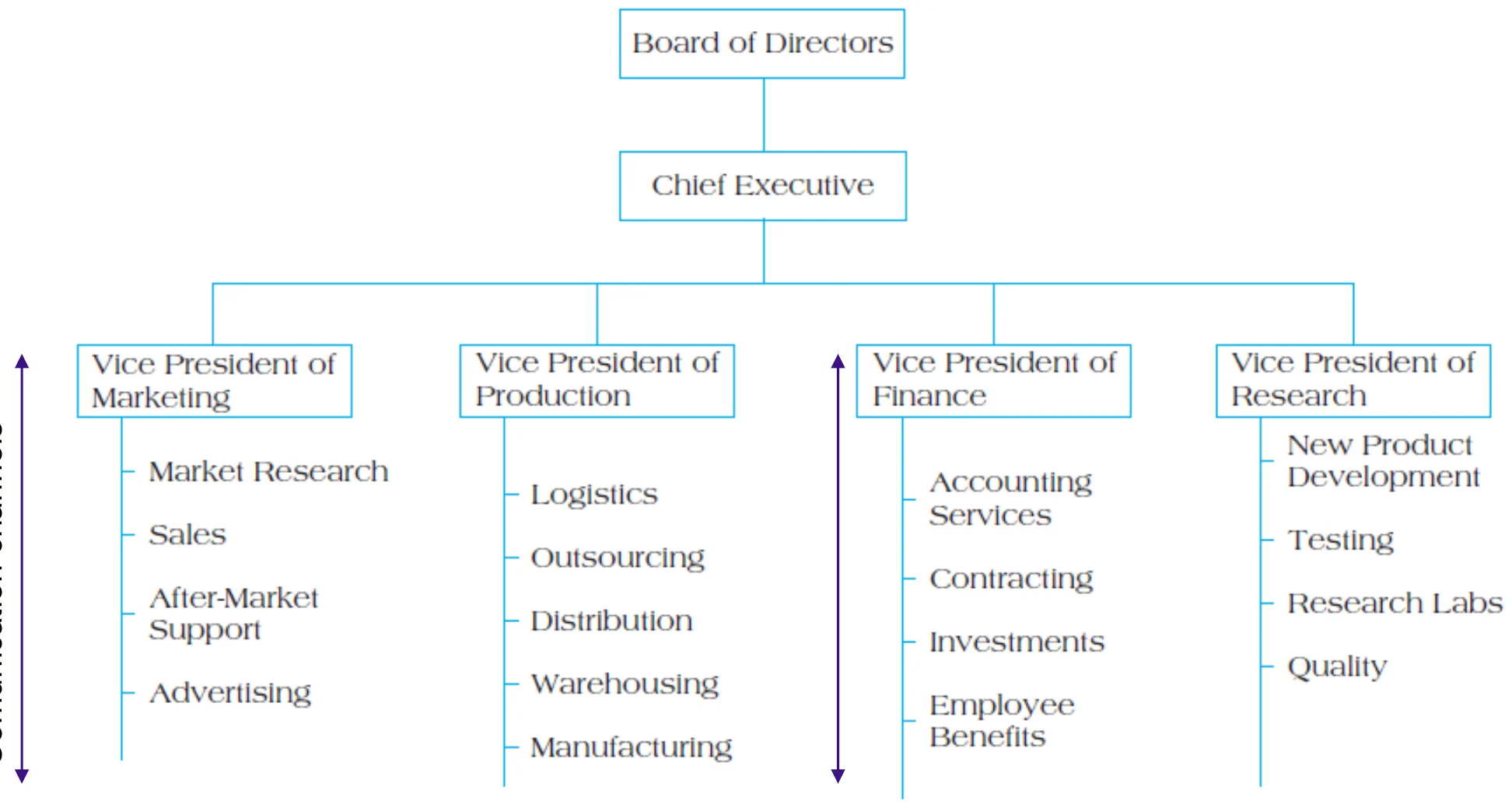
- Communication runs up and down inside each function (the vertical arrows), not across. That is the root of the “silo” weakness.
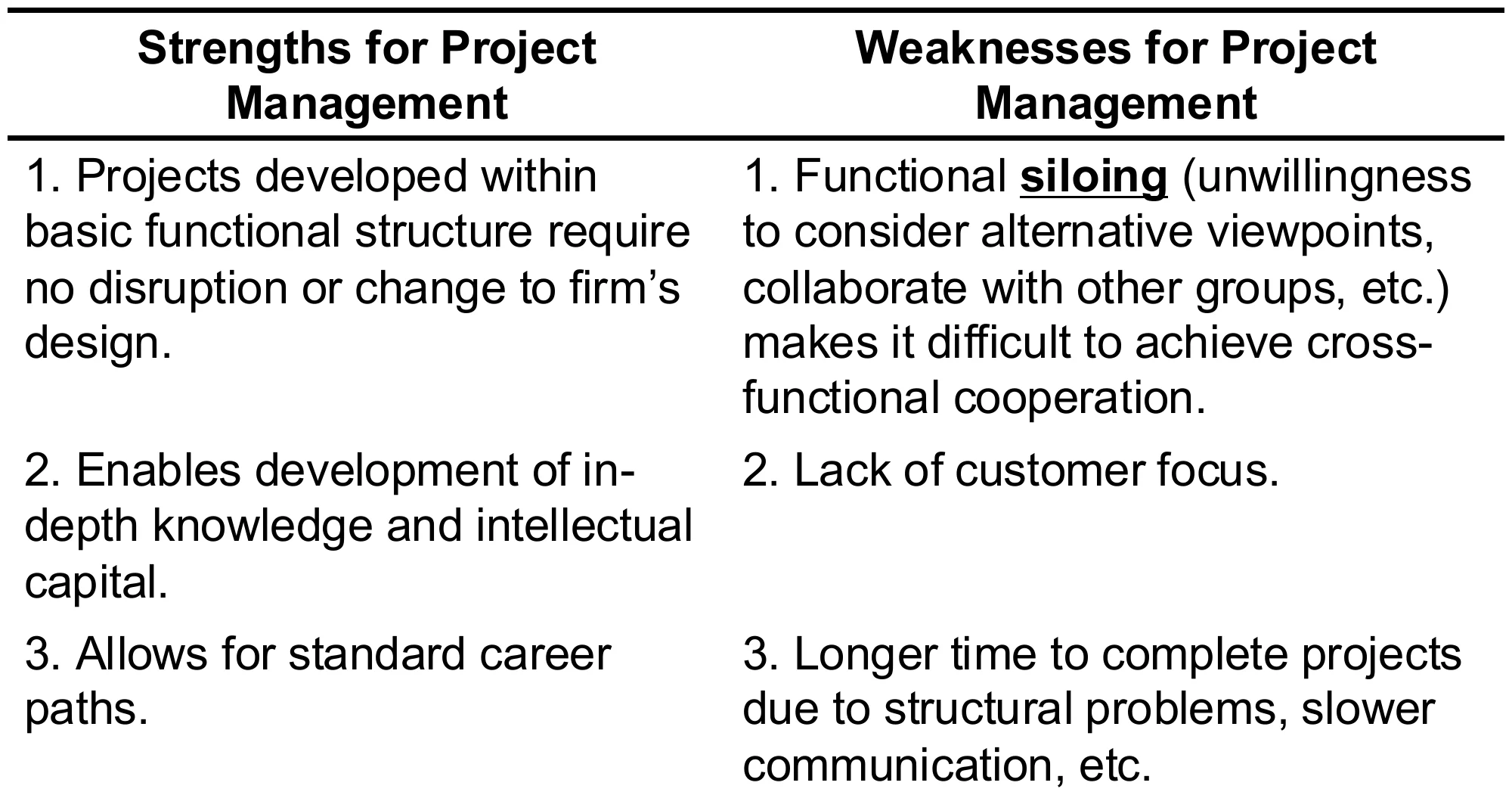
- Strengths: no disruption to the firm, deep expertise, standard career paths.
- Weaknesses: siloing, no customer focus, slower projects, varying commitment.
🎯 How this can come up · 1 question
Which is a WEAKNESS of functional structures for project management?
Correct: Functional siloing and lack of customer focus.
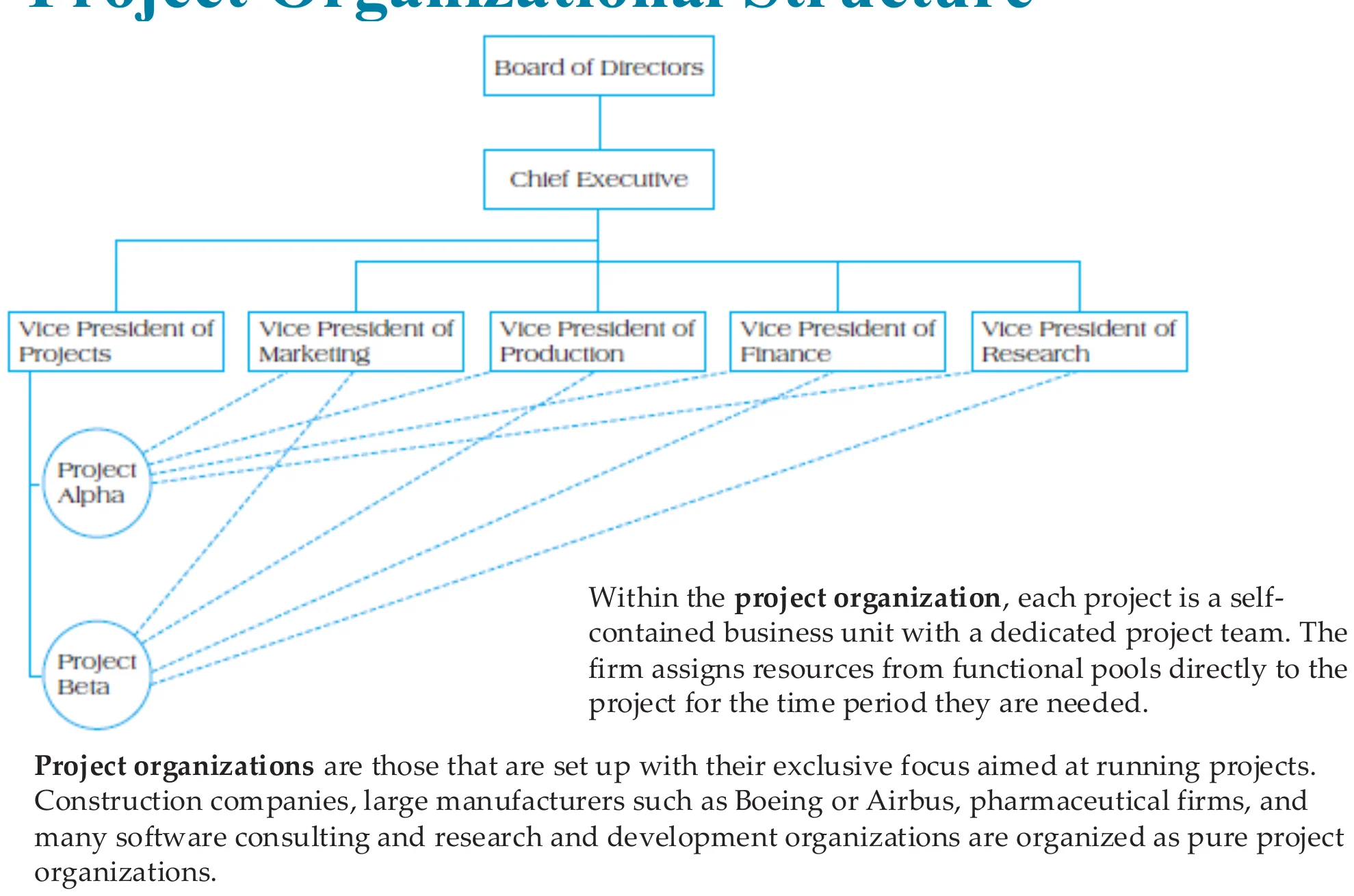
- Each project is its own business unit with a dedicated team. Resources are pulled in for as long as they are needed.
- Examples: construction firms, Boeing and Airbus, pharma, software consulting.
- Strengths: PM sole authority, better communication, fast decisions, PM experts, rapid response to the market.
- Weaknesses: expensive, loyalty to the project over the firm, hard to keep expertise, worry about the future when the project ends.
🎯 How this can come up · 1 question
Which is a STRENGTH of the project organizational structure?
Correct: Project manager has sole authority.
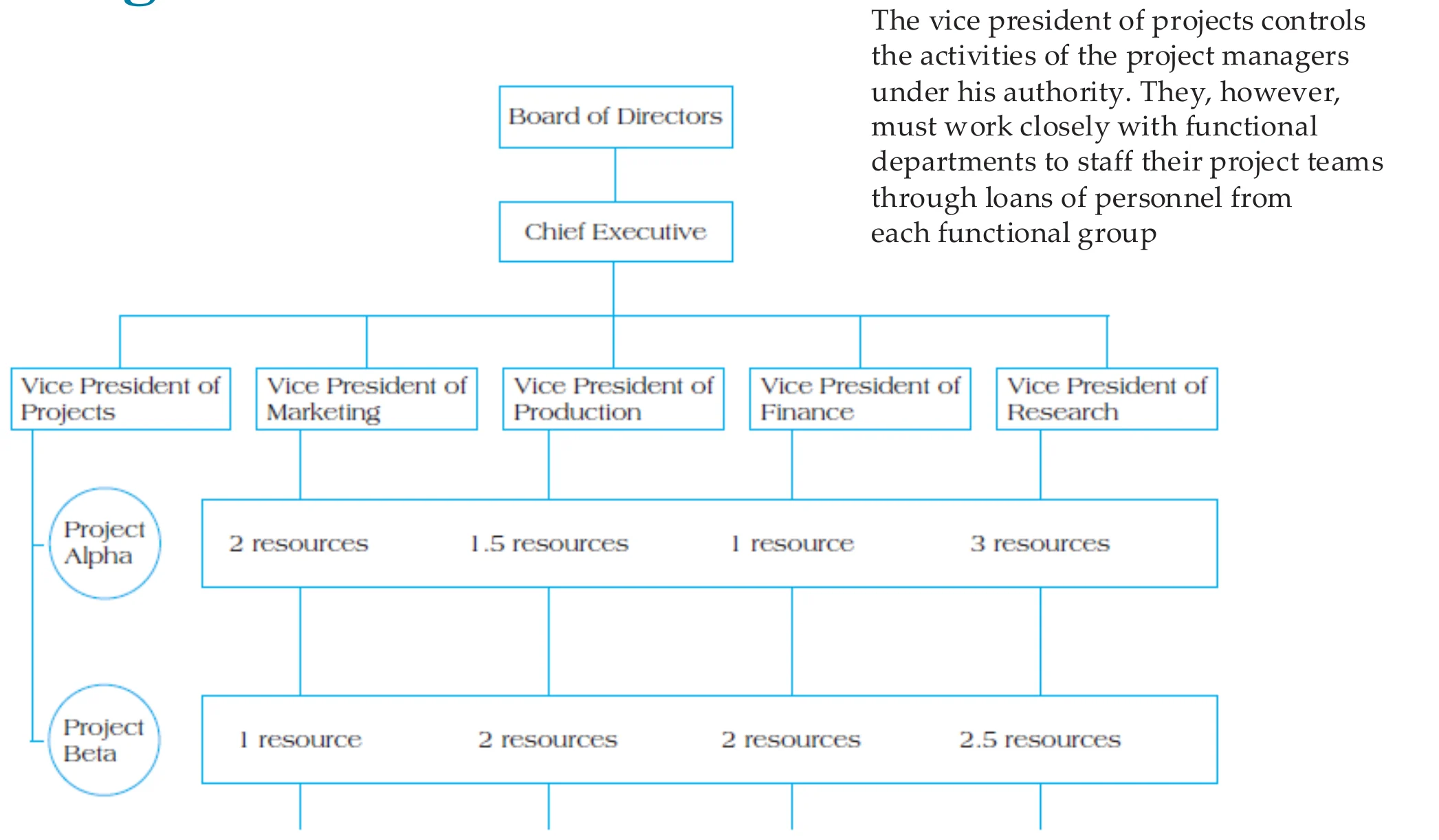
- The VP of projects controls the project managers, but PMs must borrow staff from the functional departments (“2 resources, 1.5 resources…”).
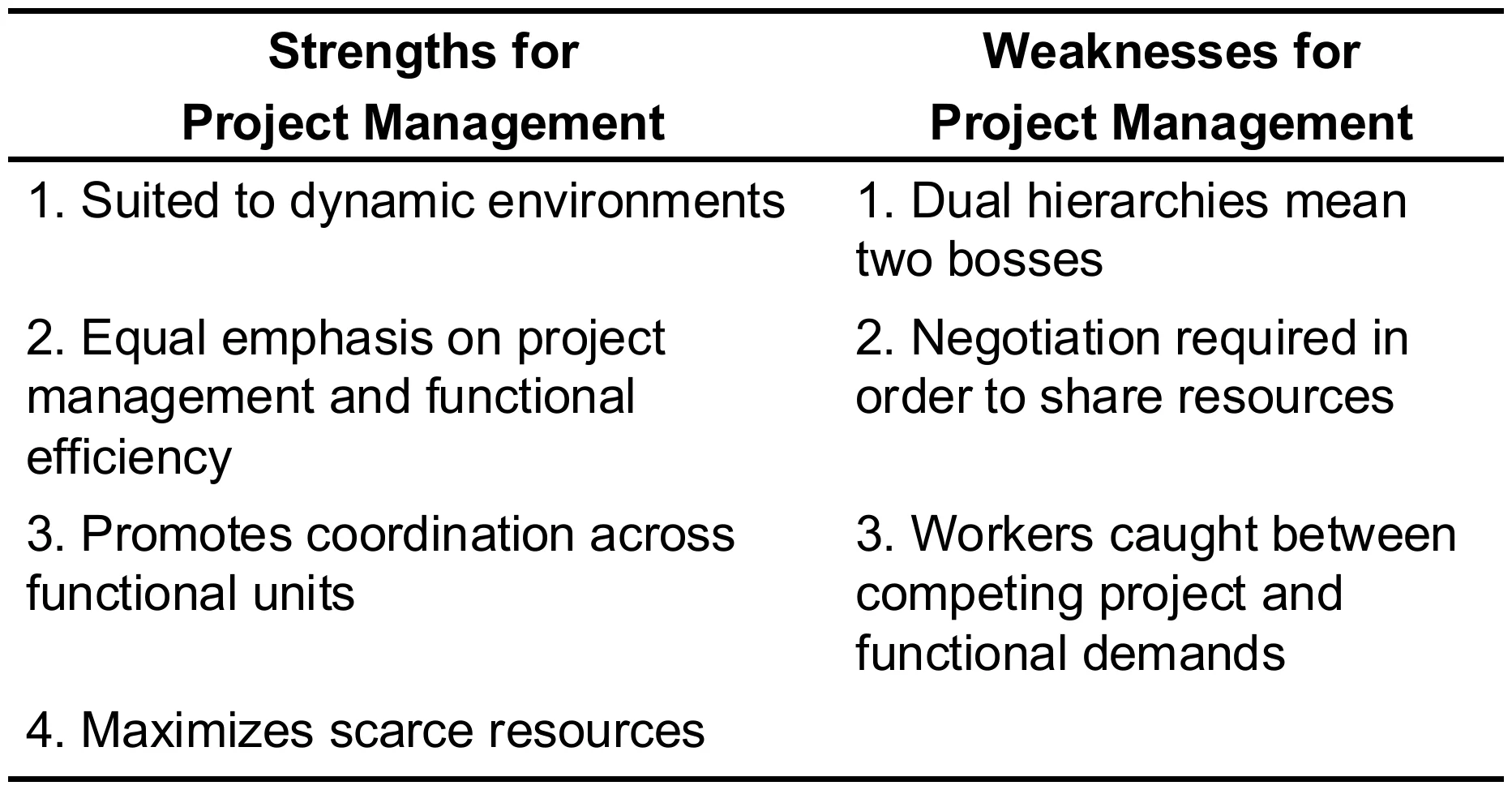
- Strengths: suits dynamic environments, equal emphasis on PM and function, cross-unit coordination, maximizes scarce resources.
- Weaknesses: two bosses, negotiation needed to share resources, workers caught between demands.
🎯 How this can come up · 1 question
The main weakness of a matrix structure is:
Correct: Dual hierarchy: workers have two bosses.
- Skunk works (Lockheed) = a small, hand-picked, autonomous team where the PM has full authority.
- Heavyweight: PM authority expanded, functional alignment dropped, reporting to the top, external customer focus.
🎯 How this can come up · 1 question
Lockheed’s “Skunk Works” is an example of a:
Correct: Heavyweight project organization.
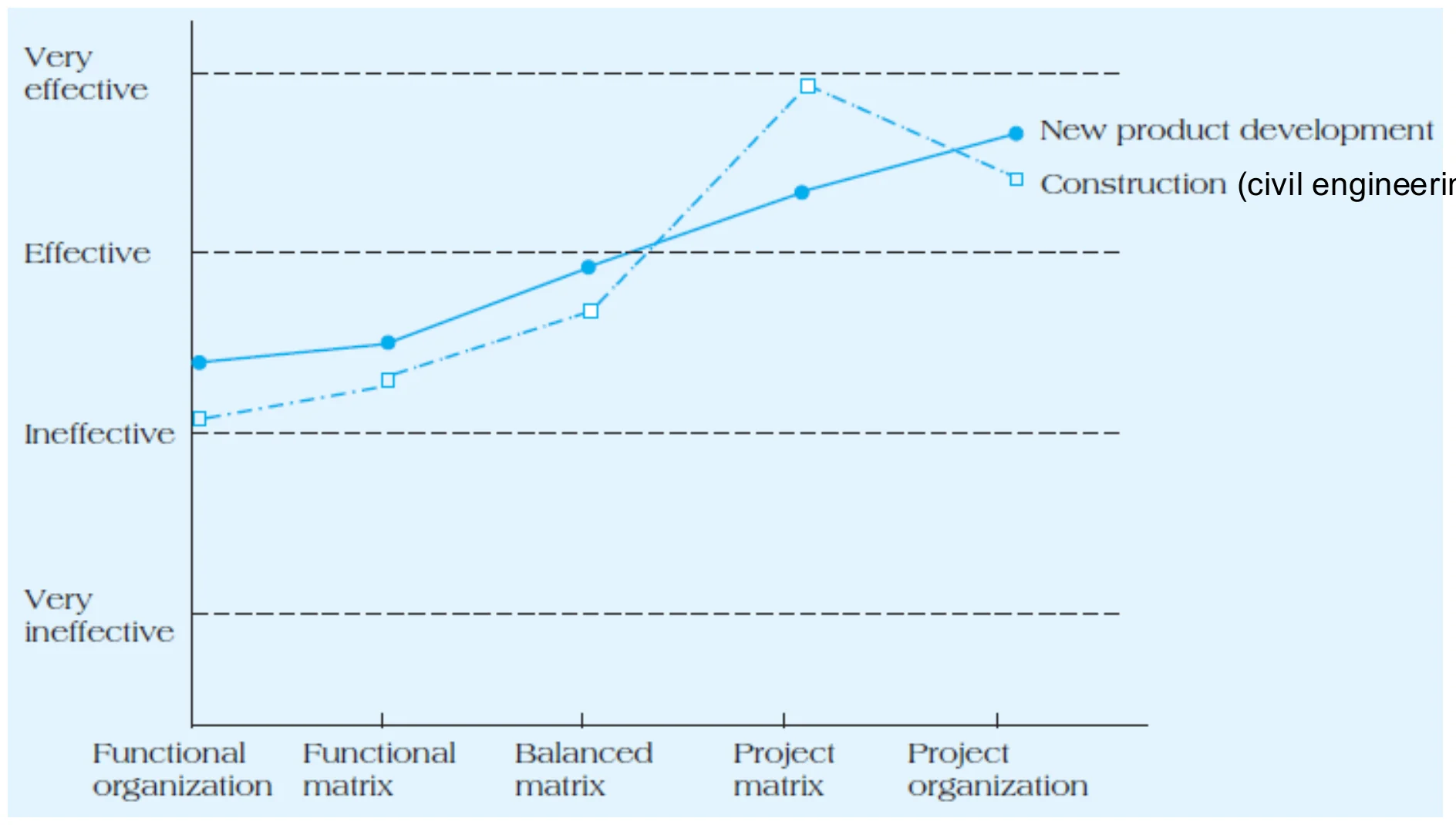
- The survey trend: the more project-oriented the structure, the more effective managers think it is. The project matrix peaks for new product development.
- PMO as a resource centre: technical details, expertise, repository, centre of excellence.
- It takes scheduling, resource allocation and monitoring work off the PM.
Asked in a real exam
🎯 How this can come up · 1 question
What is a PMO and what role does it play?
A Project Management Office is a centralized unit that oversees or improves the management of projects across the organization (Chapter 1: it coordinates the PM function). Its role: a resource centre for technical details, expertise, a repository of lessons and templates, and a centre of excellence. It also takes PM burden such as scheduling, resource allocation, monitoring and control off project managers. Depending on its form it can be supportive, controlling or directive, and it can act as a weather station, control tower or resource pool.
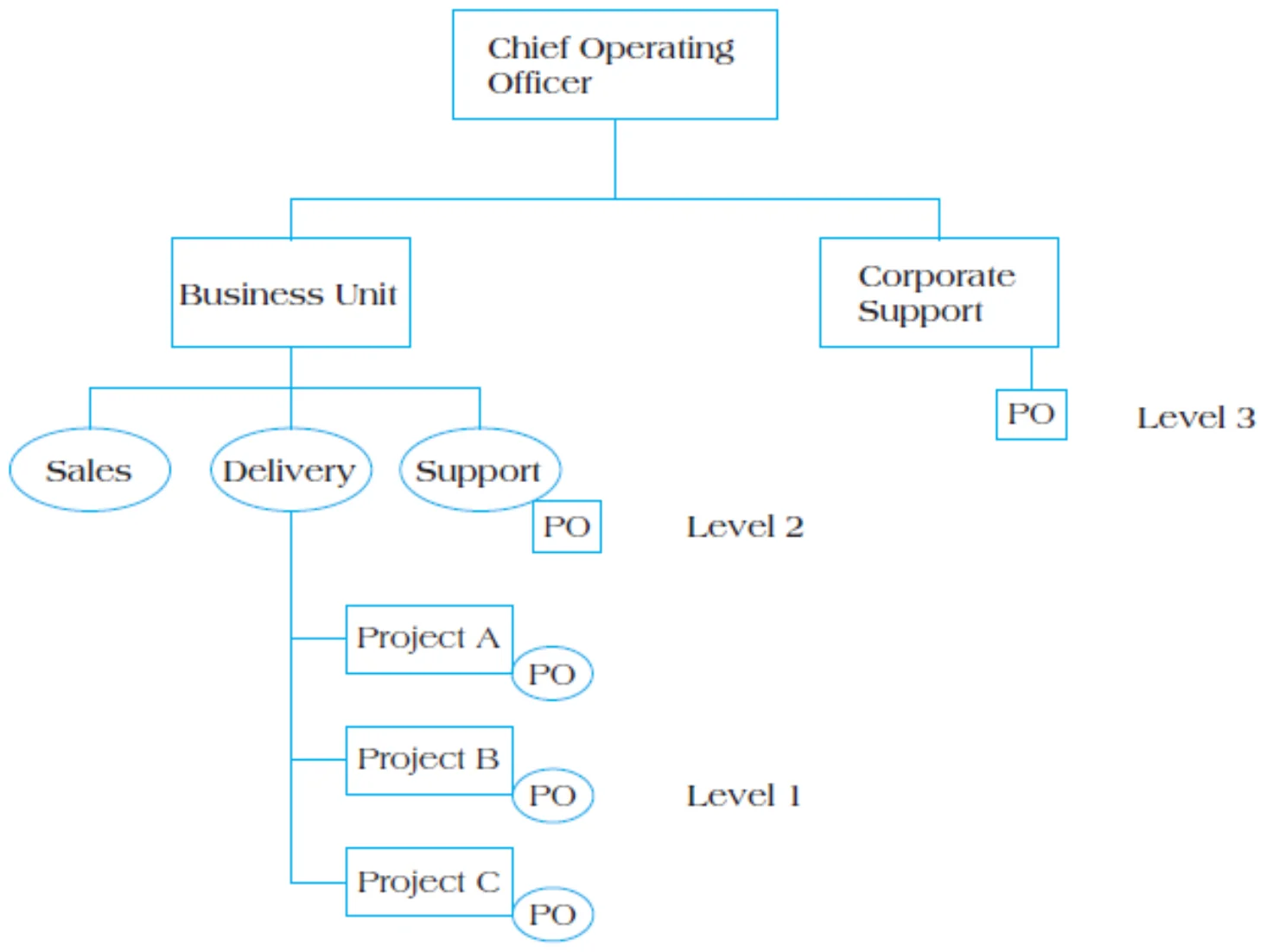
- Level 3 = corporate (whole company) · Level 2 = business unit · Level 1 = single project. Higher level, wider scope.
🎯 How this can come up · 1 question
A PMO that serves the needs within one specific business unit is at:
Correct: Level 2.
- Supportive = low control (consults, trains). Controlling = moderate (requires compliance).
- Directive = high control (runs the projects itself).
Related real-exam questions
🎯 How this can come up · 2 questions
A PMO that requires compliance with adopted PM standards but does not run projects is:
Correct: Controlling.
Which PMO form has the HIGHEST control?
Correct: Directive.
- Weather station = just watches (tracking, no control).
- Control tower = protects and improves PM methodology.
- Resource pool = supplies skilled PMs and professionals.
🎯 How this can come up · 2 questions
A PMO used only to monitor and track project status, without influencing projects, follows which model?
Correct: Weather station.
A consultancy keeps a bench of certified PMs and assigns them to client projects as needed. Which PMO model is this?
Resource pool: the PMO maintains and supplies a cadre of skilled project professionals.
- Culture = unwritten rules of behavior, shared by a subset of members and taught to newcomers.
- Four parts: unwritten · rules of behavior · held by a subset · taught to new members.
🎯 How this can come up · 1 question
An organization’s culture must be company-wide.
False. It is held by some subset of the organization and may or may not be company-wide.
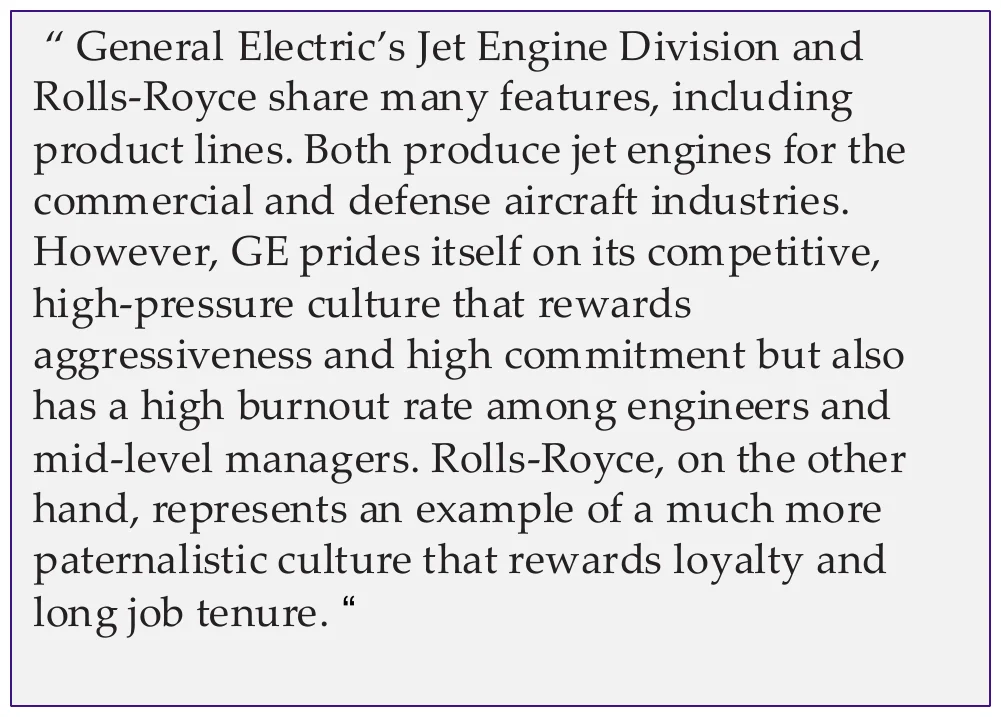
- Same industry, same product, different culture, mostly because of reward systems.
- Critical incidents = moments when the real culture shows (for example, how a failure is handled).
🎯 How this can come up · 1 question
GE rewards aggressiveness while Rolls-Royce rewards loyalty. The key factor illustrated is mainly:
Correct: Reward systems.
- Four ways culture affects PM: Departmental interaction, Employee commitment, Project planning, Performance evaluation.
- Low trust → padded estimates. High trust → honest estimates.
🎯 How this can come up · 1 question
Your team pads every estimate by 50% because missing a date gets punished. Which effect of culture is this and how would you fix it?
Culture affecting project planning: a culture that punishes lateness reinforces inflated estimates. Build a culture of trust, so honest estimates are not punished and are paired with risk reserves, and estimates become realistic.
No slides match this filter.