TipDAC: the OWNER decides (flexible, little admin) · MAC:
SECURITY LABELS and clearances decide (government) · RBAC
(non-discretionary): ROLES/groups decide · Rule-based: global
rules (firewalls) · Constrained UI: hide the functions a user
can’t use.
Exam weight Low
- Access control → I/A/A → models → techniques → administration → accountability.
Exam weight Low
- Access control: a technique that regulates who or what can view or use resources.
Exam weight Low
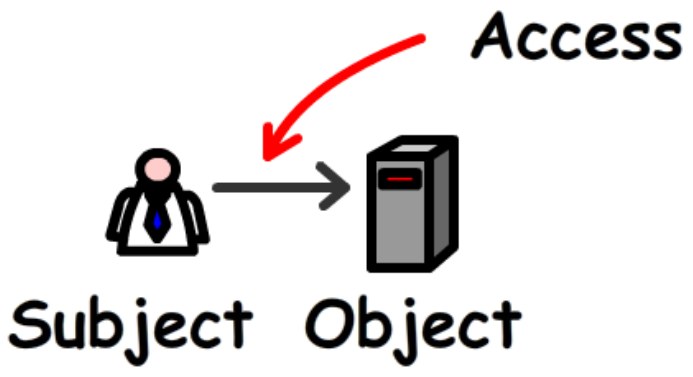
- Access controls = security features that control how subjects interact with objects.
Exam weight Low
- Identification, authentication and authorization are distinct.
Seen again
Exam weight Low
- Identification: claim an identity (username, ID).
Exam weight
High
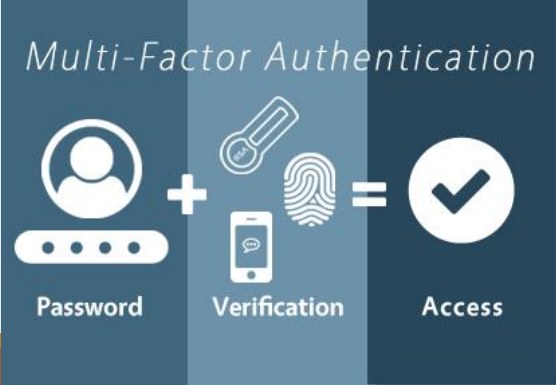
- Authentication factors: something you KNOW (password), HAVE (token), ARE (biometric).
Memory trickKnow – Have – Are.
🎯 How this can come up · 1 question
MCQ
A fingerprint is which authentication factor?
Correct: Something you are.
Exam weight Low
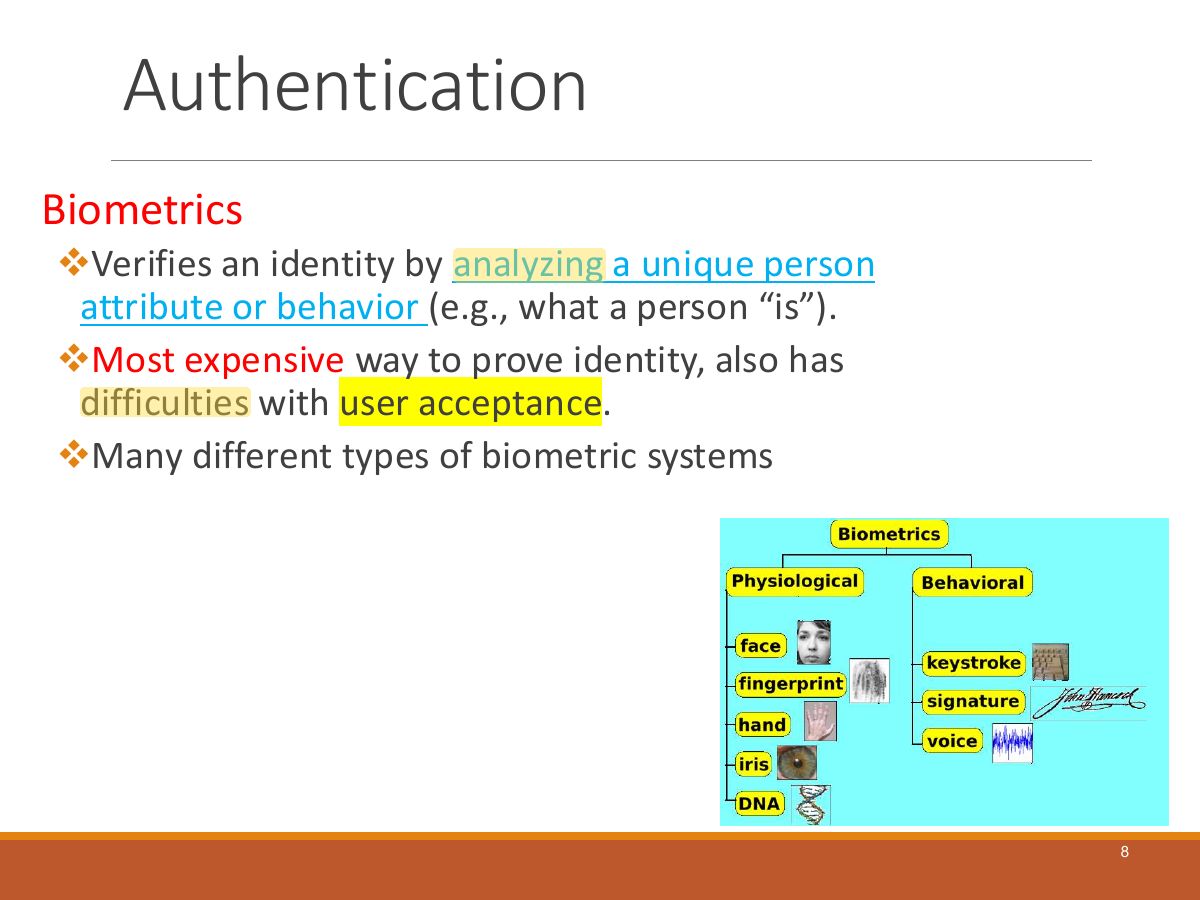
- Biometrics: fingerprint, iris, retina, face, voice, hand geometry.
Exam weight
High
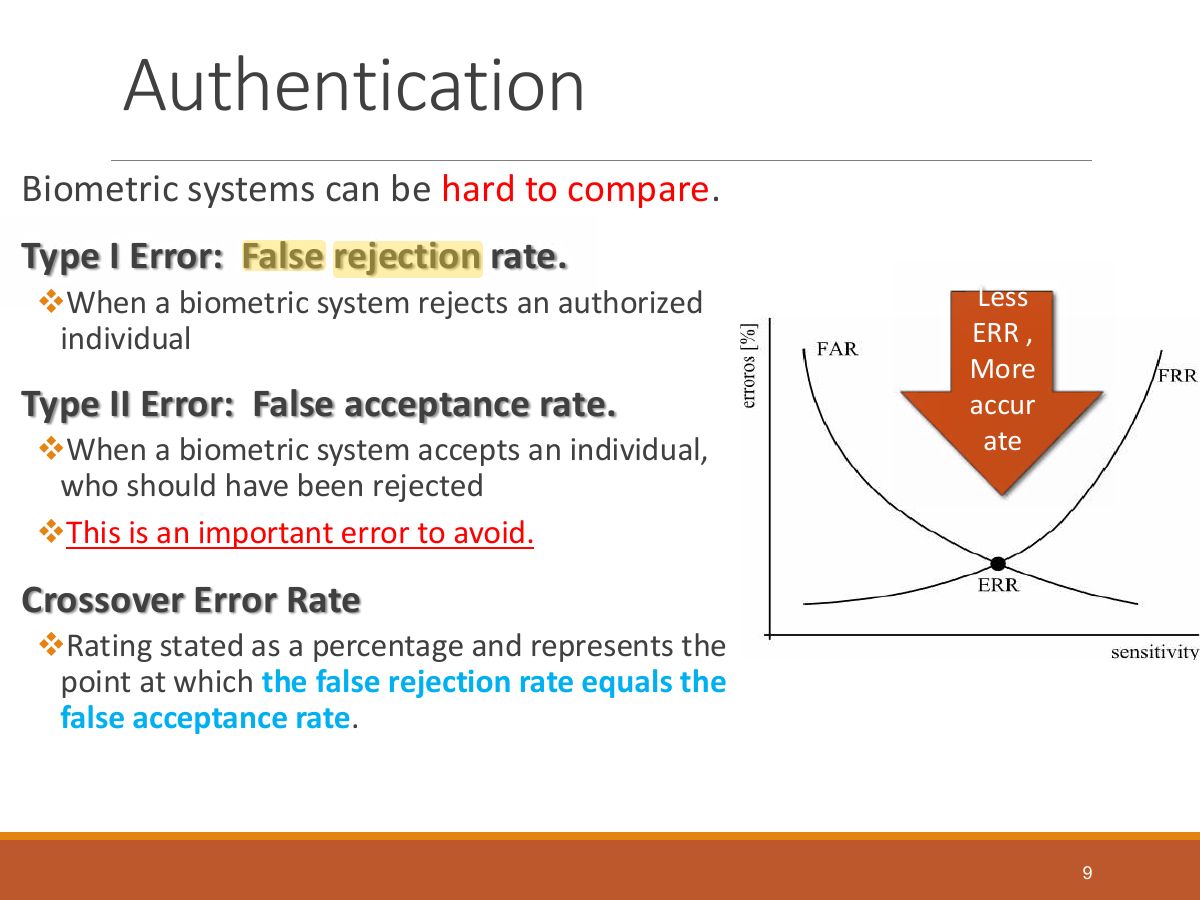
- Biometric errors: Type I = false rejection (FRR); Type II = false acceptance (FAR); compare systems by the CER (crossover error rate) — lower is better.
🎯 How this can come up · 2 questions
MCQ
A biometric system accepting someone who should have been rejected is a:
Correct: Type II error (false acceptance).
MCQ
Biometric systems are compared using the:
Correct: Crossover error rate (CER).
Exam weight Low
- Passwords: the most common method and the weakest; enforce length, complexity, history, lockout.
Exam weight Low
- One-time (dynamic) passwords: used once (tokens, SMS codes).

Exam weight Low
- Authorization: what an authenticated subject is allowed to do.
Exam weight
Medium
- Access criteria: roles, groups, location, time, transaction type.
Related real-exam questions
★ Past exam
Exam weight
High
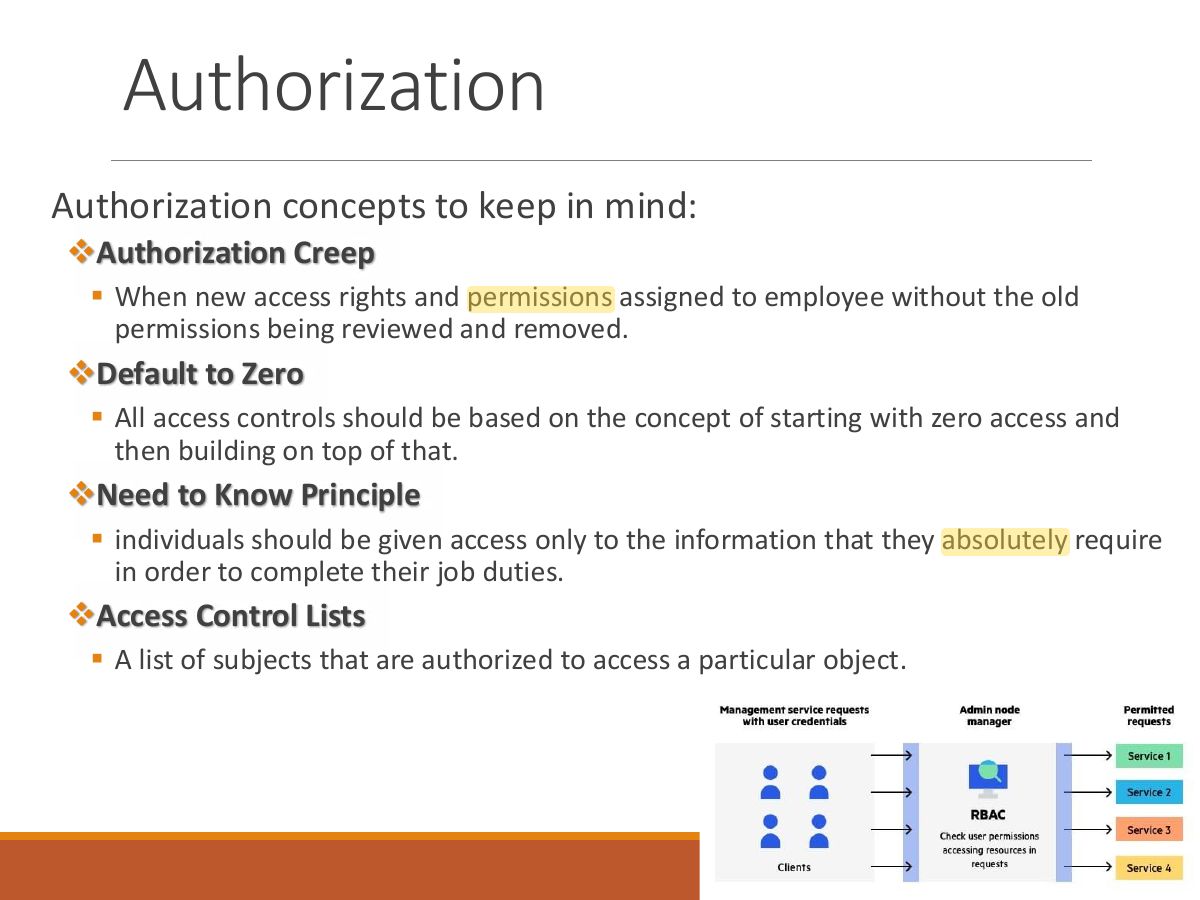
- Authorization creep: new rights are added without removing old ones. Also need-to-know, least privilege, default no access.
Asked in a real exam
🎯 How this can come up · 1 question
MCQ
An employee gets new access rights without the old ones being reviewed and removed. This is:
Final 221 A.
★ Past exam
Exam weight
High
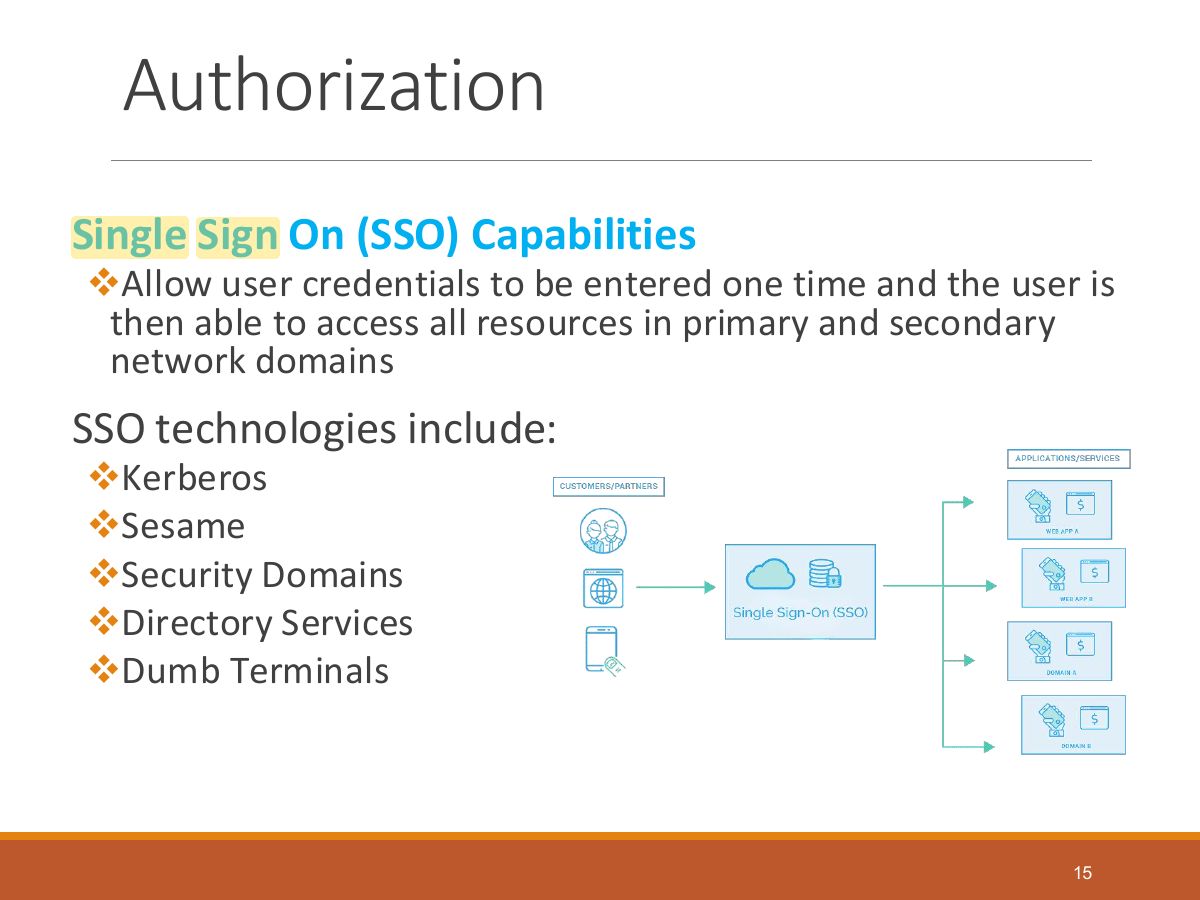
- SSO: enter credentials once, access all authorized systems.
Asked in a real exam
🎯 How this can come up · 1 question
MCQ
A separate authentication server validates the login once and the user reaches all services without logging in again. This is:
Final 221 A.
Exam weight Low
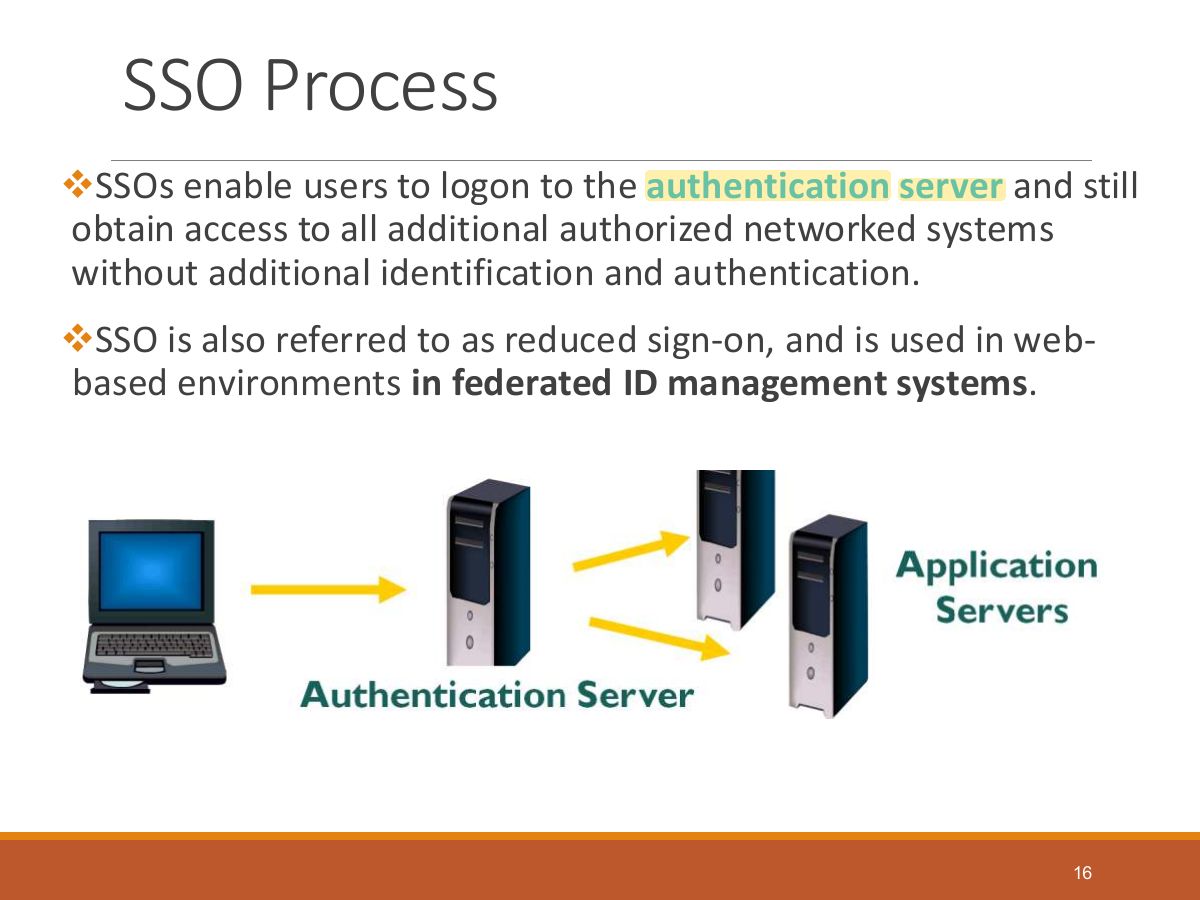
- SSO process: log on to the authentication server, then access other systems without re-authenticating (e.g., Kerberos).
Exam weight
Medium
- SSO pros: fewer passwords, convenience. Cons: one compromised credential opens everything (single point of failure).
🎯 How this can come up · 1 question
Written
Give one advantage and one disadvantage of SSO.
Advantage: users remember one strong credential and log in once, reducing password fatigue and admin work. Disadvantage: if that one credential (or the authentication server) is compromised, the attacker gets access to every system.
Exam weight
High
- Three main models: discretionary (DAC), mandatory (MAC), non-discretionary / role-based (RBAC).
TipDAC: the OWNER decides (flexible, little admin) · MAC:
SECURITY LABELS and clearances decide (government) · RBAC
(non-discretionary): ROLES/groups decide · Rule-based: global
rules (firewalls) · Constrained UI: hide the functions a user
can’t use.
Asked in a real exam
🎯 How this can come up · 3 questions
MCQ
The sole owner of a small startup website grants access based on what they think is good. This is:
Final 221 A.
MCQ
A ministry admin assigns users to a classified resource by their security clearance. This is:
Final 221 A.
MCQ
An admin defines groups such as staff and specialists and limits access by group. This is:
Final 221 B.
Exam weight
High
- MAC: access decided by labels (classification + categories) and clearances; users can’t change it.
Asked in a real exam
🎯 How this can come up · 1 question
MCQ
Data labelled “top secret / engineering project” is available only to users with top-secret clearance AND engineering authorization. Which model?
Final 221 B.
Exam weight Low
- Techniques: rule-based access control, constrained user interfaces, access control matrix, content- and context-dependent control.
Exam weight Low
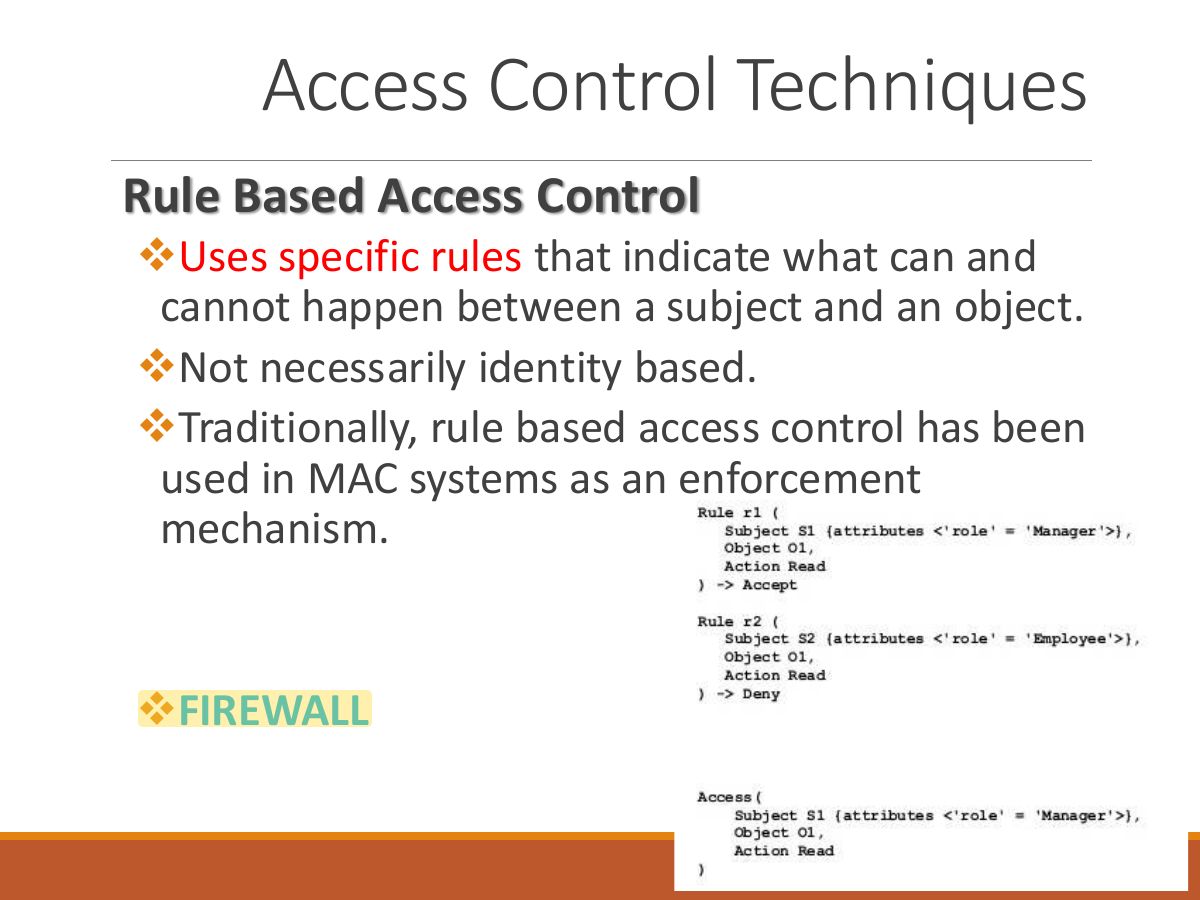
- Rule-based: global rules (not identity-based) decide what can happen, e.g., firewall rules.
★ Past exam
Exam weight
High
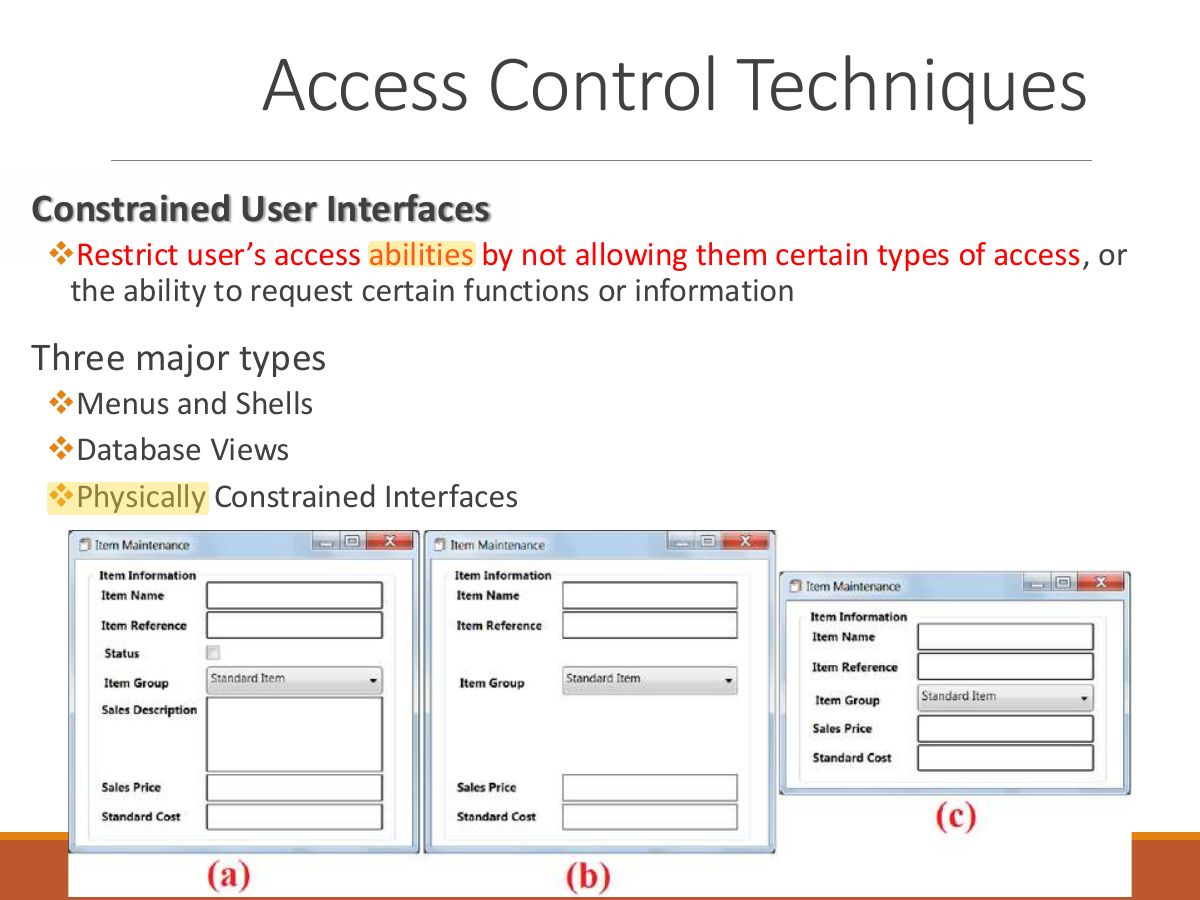
- Constrained user interfaces: restrict what users can request by hiding functions (greyed-out menus, views).
Asked in a real exam
🎯 How this can come up · 1 question
MCQ
An LMS shows the quiz “edit” buttons only to users with that privilege. This is:
Final 221 A.
Exam weight Low
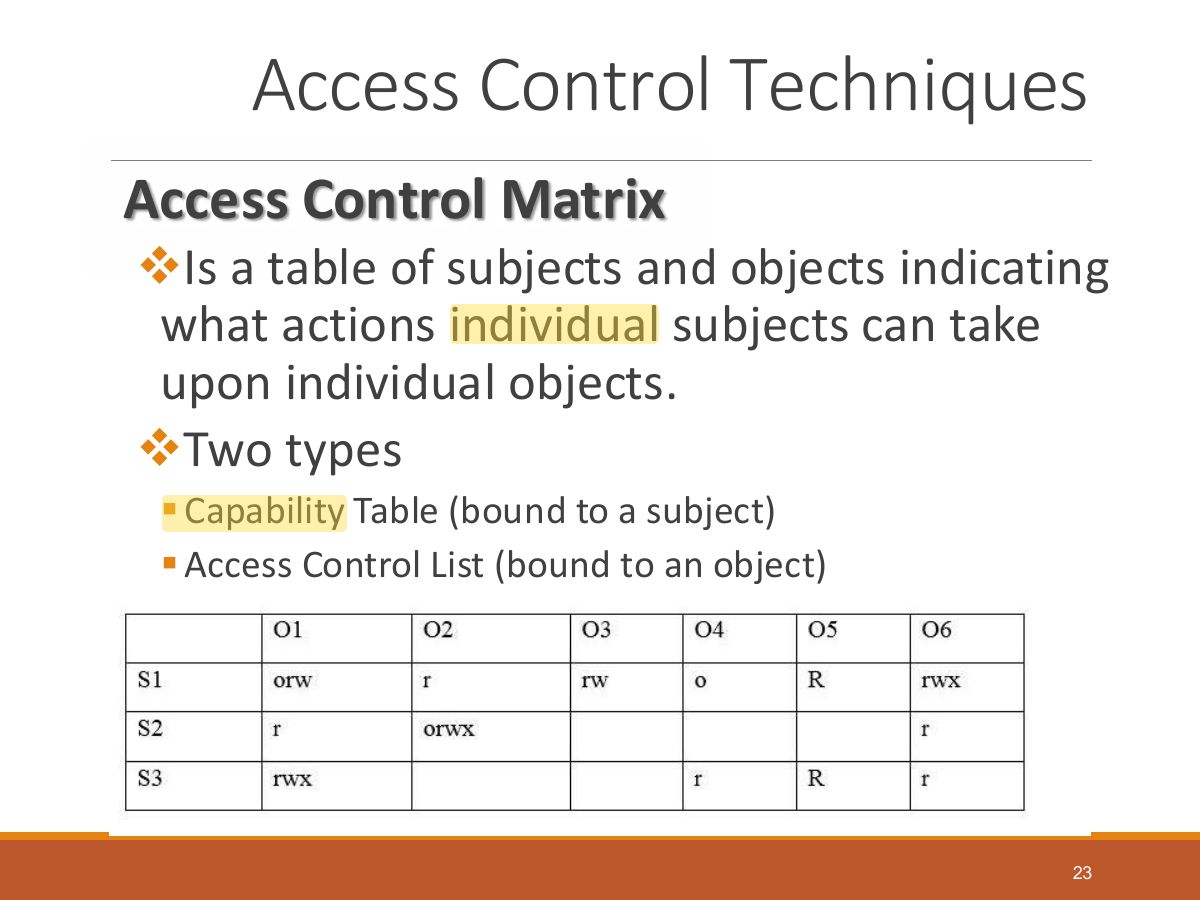
- Access control matrix: what each subject can do to each object.
Exam weight Low
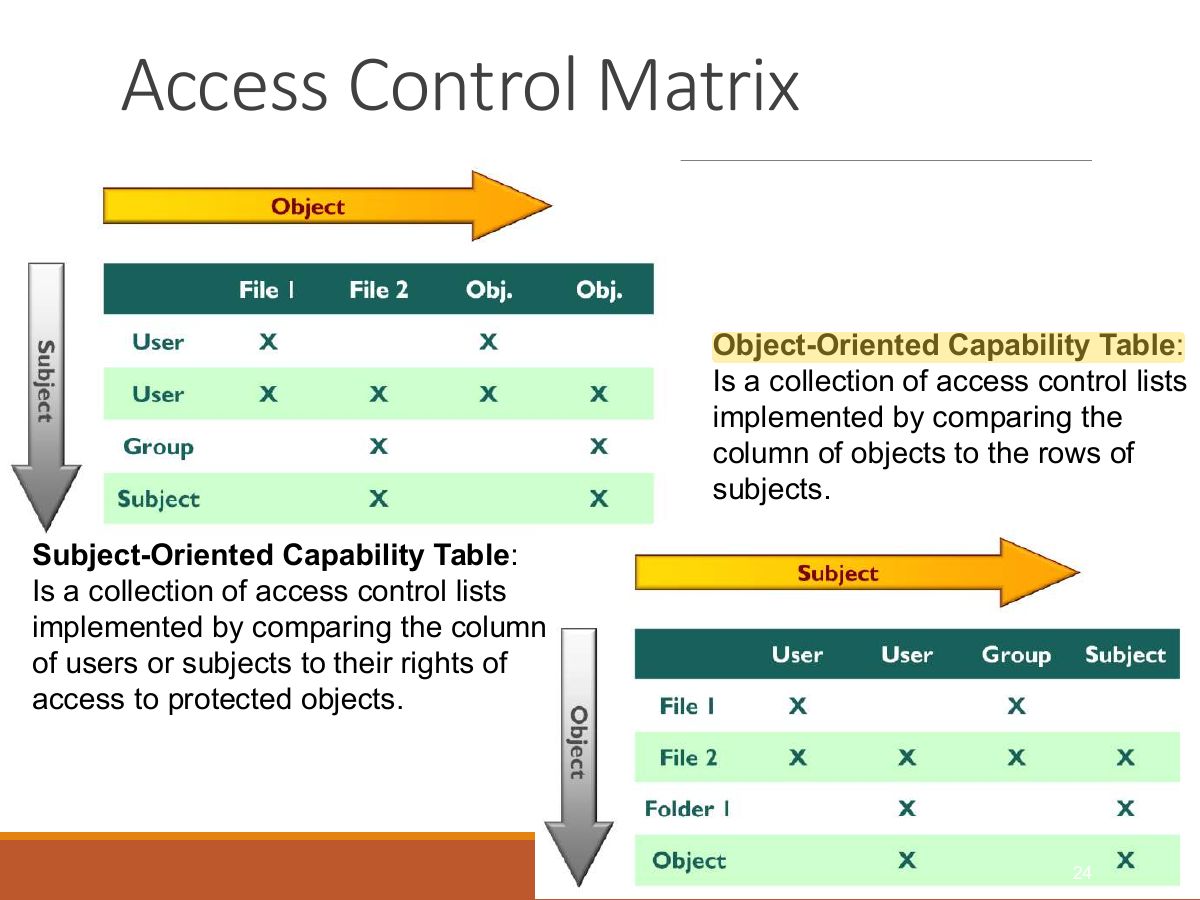
- Capability tables (rows, tied to subjects) vs. ACLs (columns, tied to objects).
Seen again
Exam weight Low
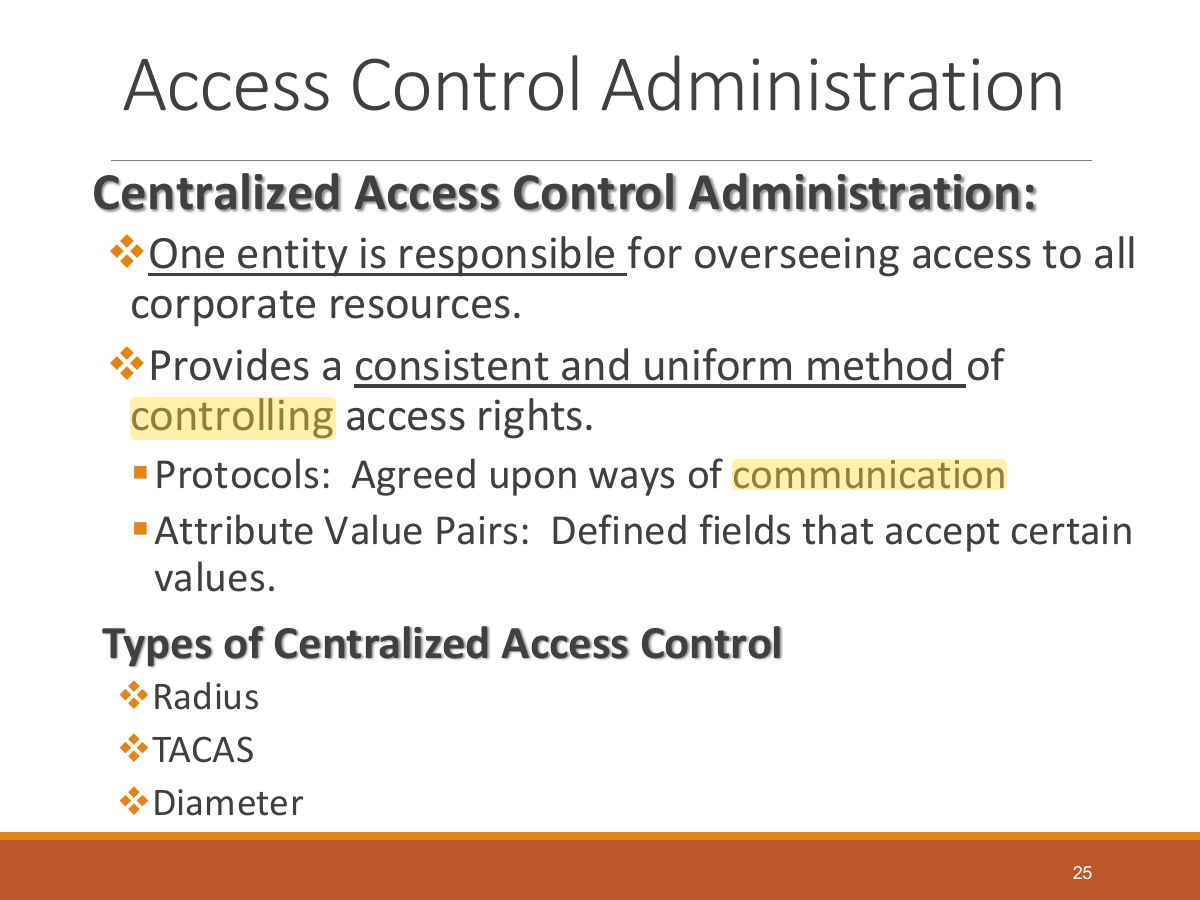
- Centralized administration: one entity manages access for all resources: consistent and uniform.
Exam weight Low
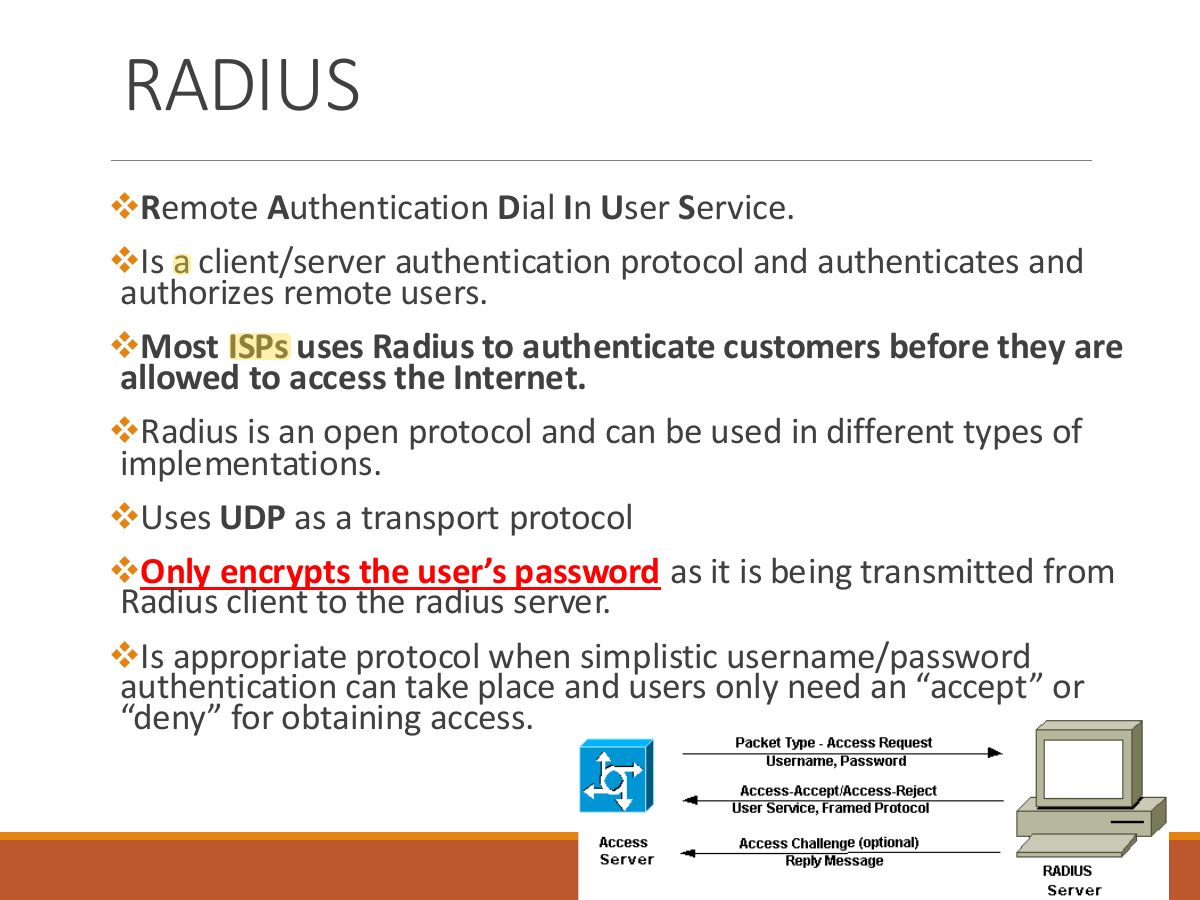
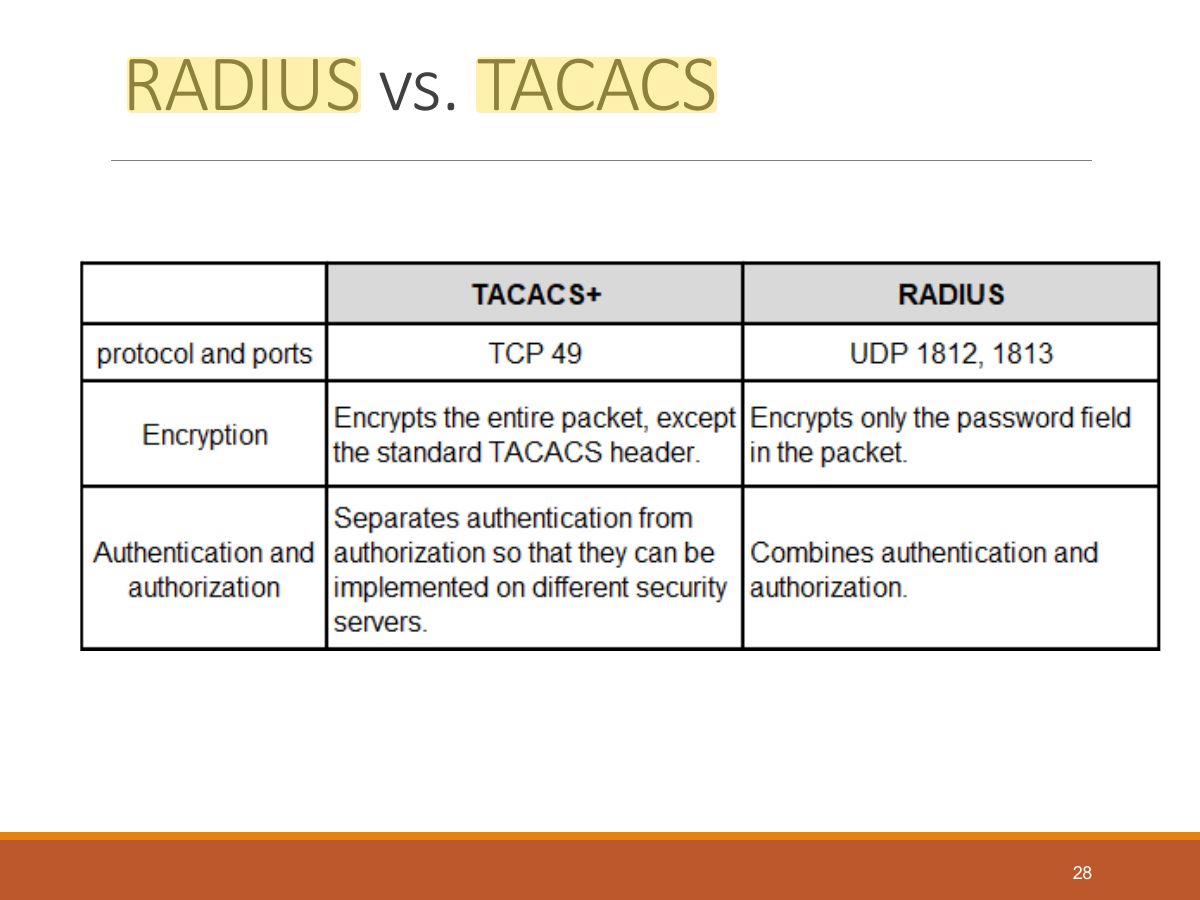
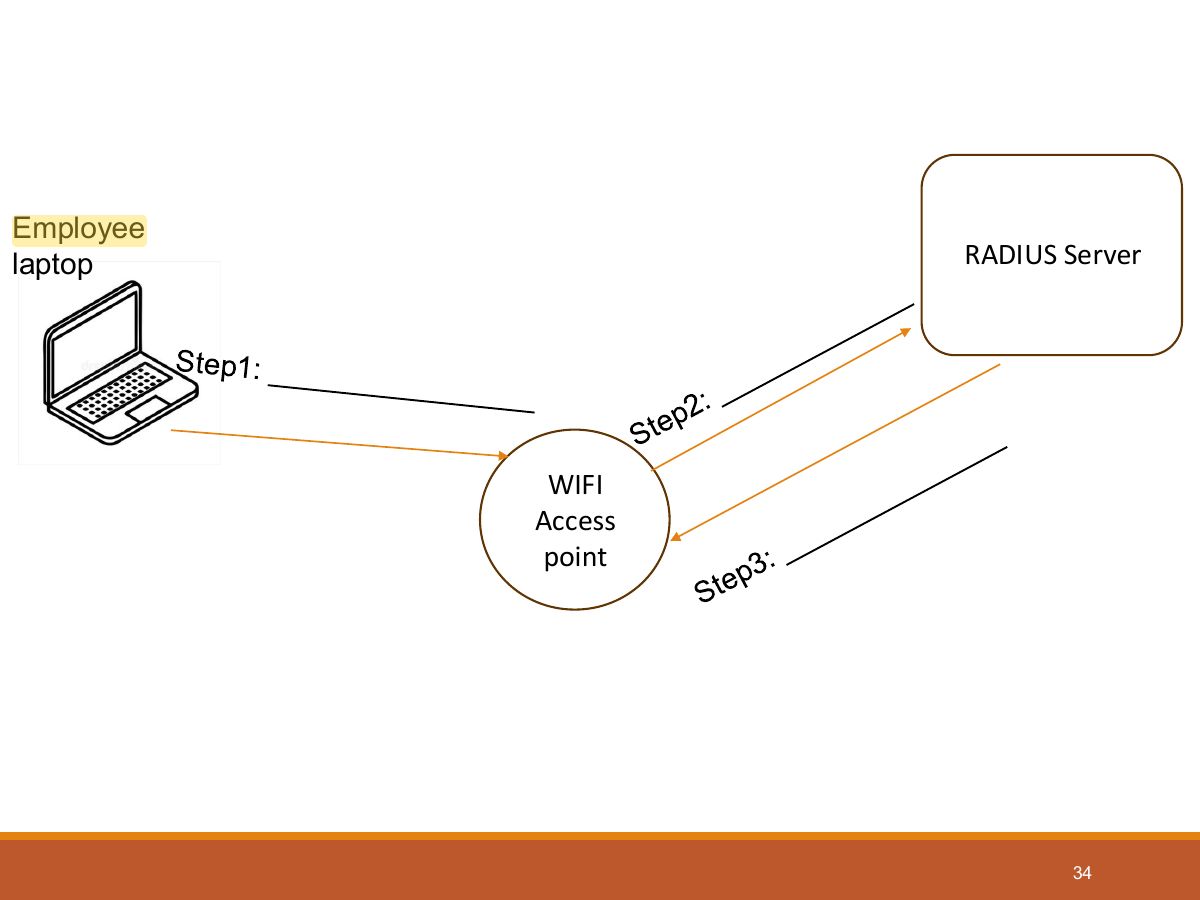
- RADIUS: centralized authentication for remote/dial-in users; UDP, encrypts only the password.
Exam weight
High
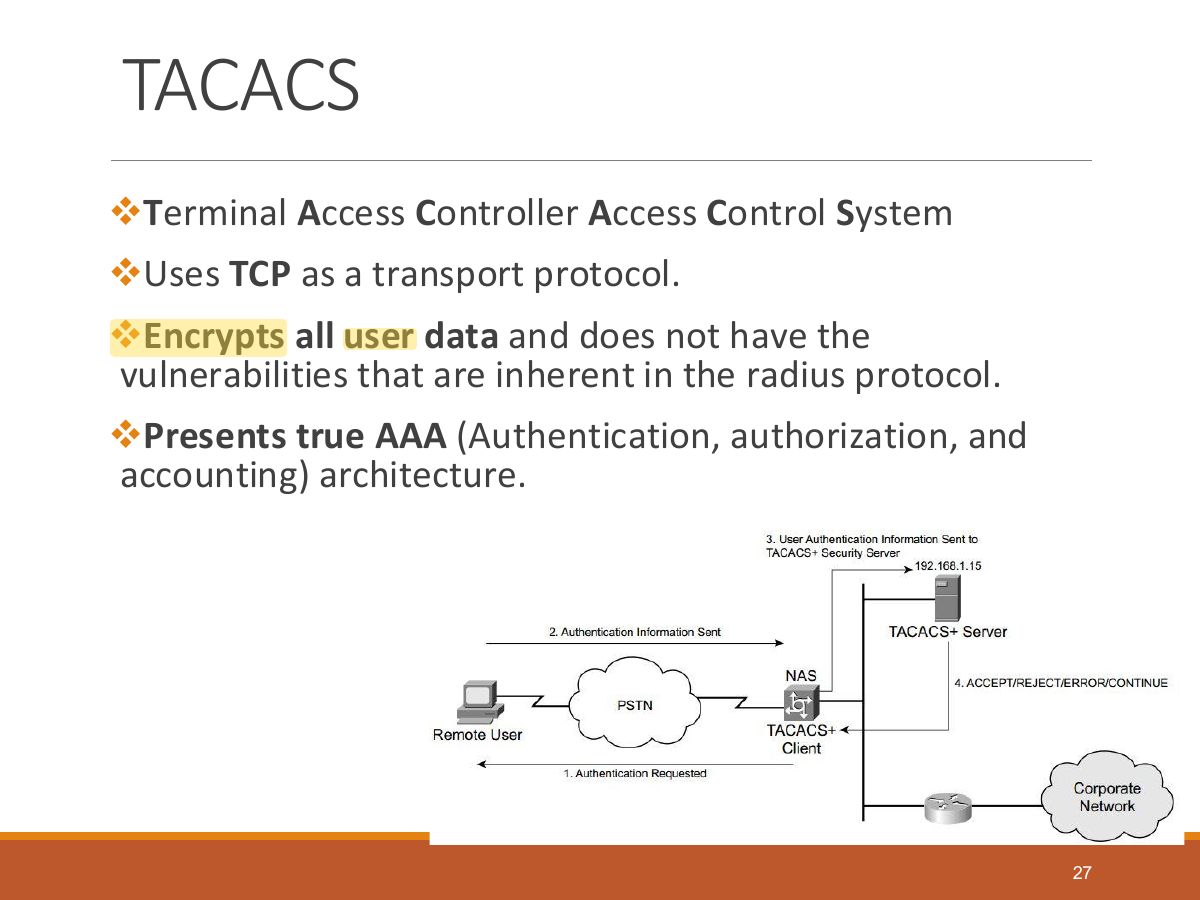
- TACACS+: Cisco; TCP, encrypts the whole payload, separates authentication, authorization and accounting.
🎯 How this can come up · 1 question
MCQ
Which encrypts the entire packet body and separates AAA functions?
Correct: TACACS+.
Exam weight Low
- RADIUS vs. TACACS+ comparison.
Exam weight Low
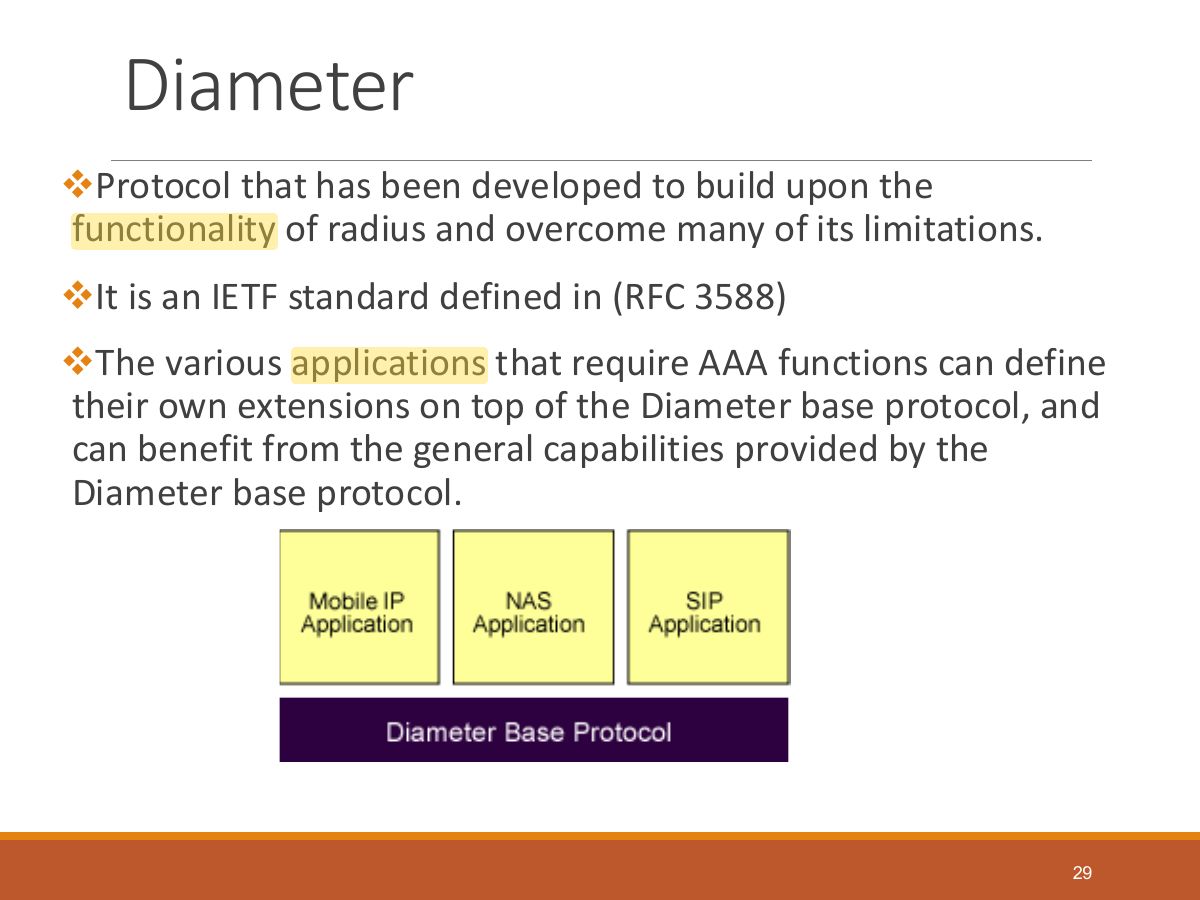
- Diameter: builds on RADIUS and fixes its limitations (more reliable, extensible).
Exam weight
High
- Decentralized administration: control is given to people closer to the resources; lacks consistency.
Asked in a real exam
🎯 How this can come up · 1 question
MCQ
Which gives control of access to the people closest to the resources but lacks consistency?
Final 221 B.
Exam weight Low
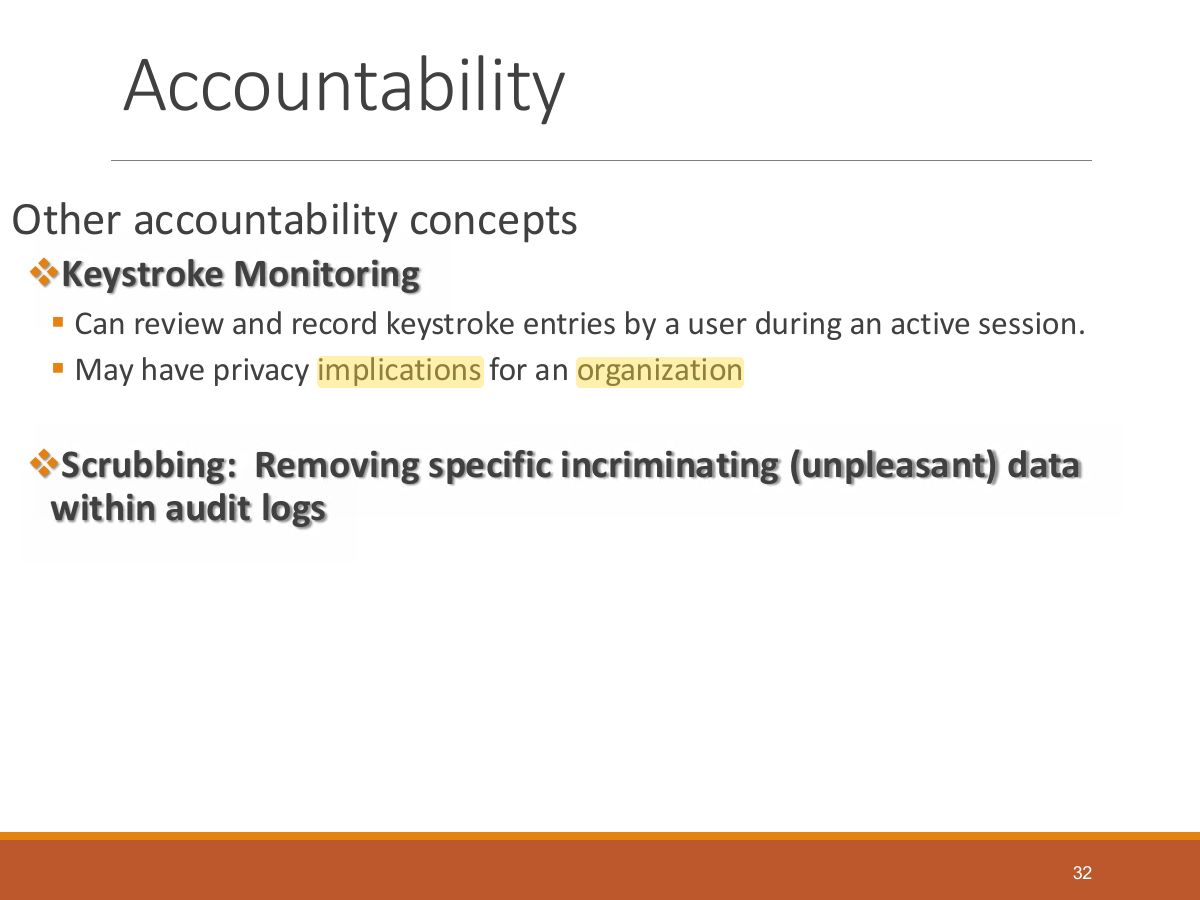
- Accountability: record user, system and application activity; review audit logs.
Exam weight Low
- Keystroke monitoring, protecting audit data, clipping levels.
Exam weight Low
- Best practices: least privilege, deny by default, review accounts, remove unused accounts, separate duties.
Exam weight Low
- RADIUS flow figure.
Exam weight Low
- End.
No slides match this filter.