Exam weight Low
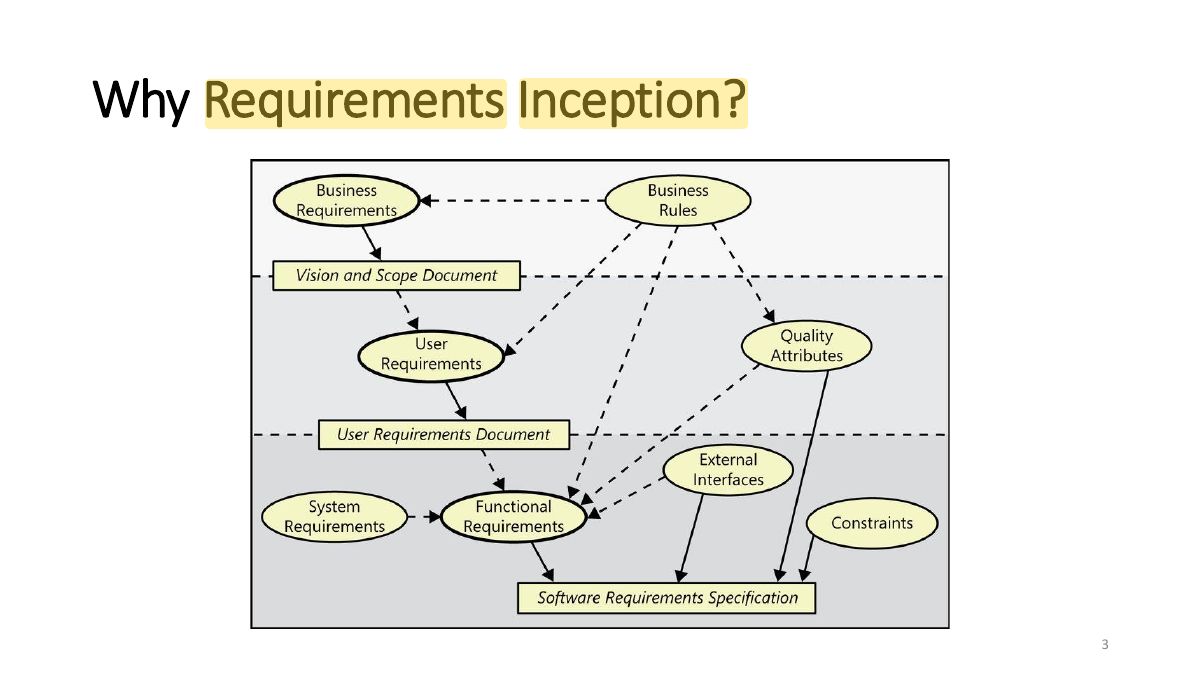
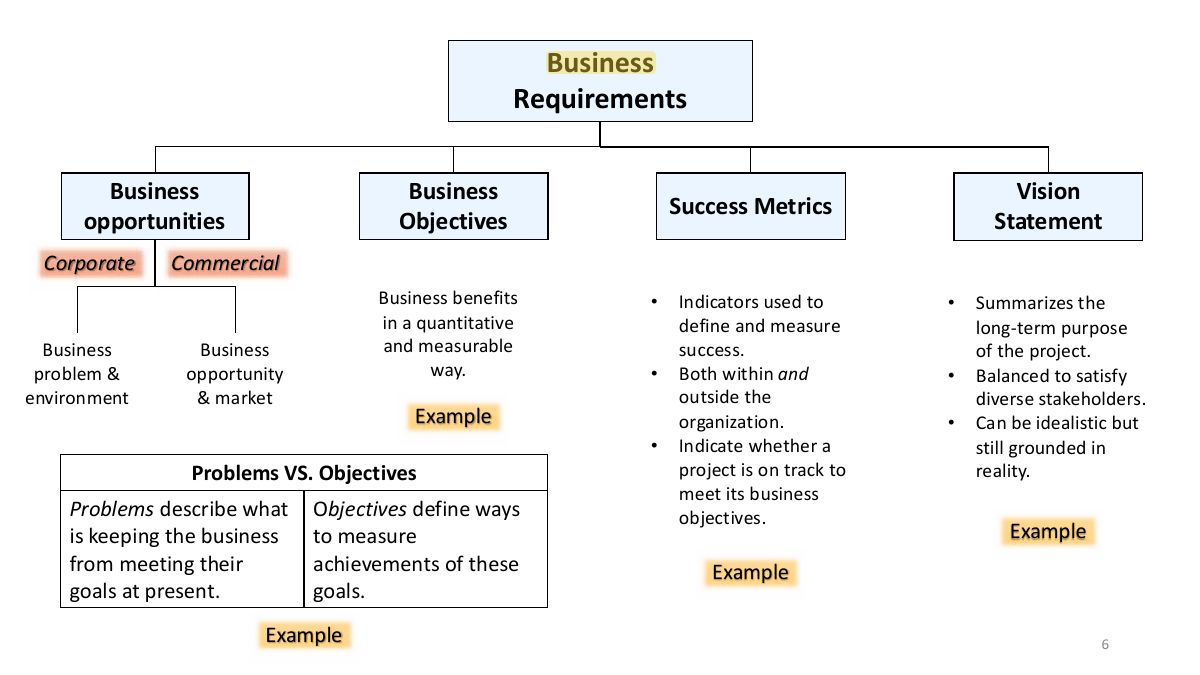
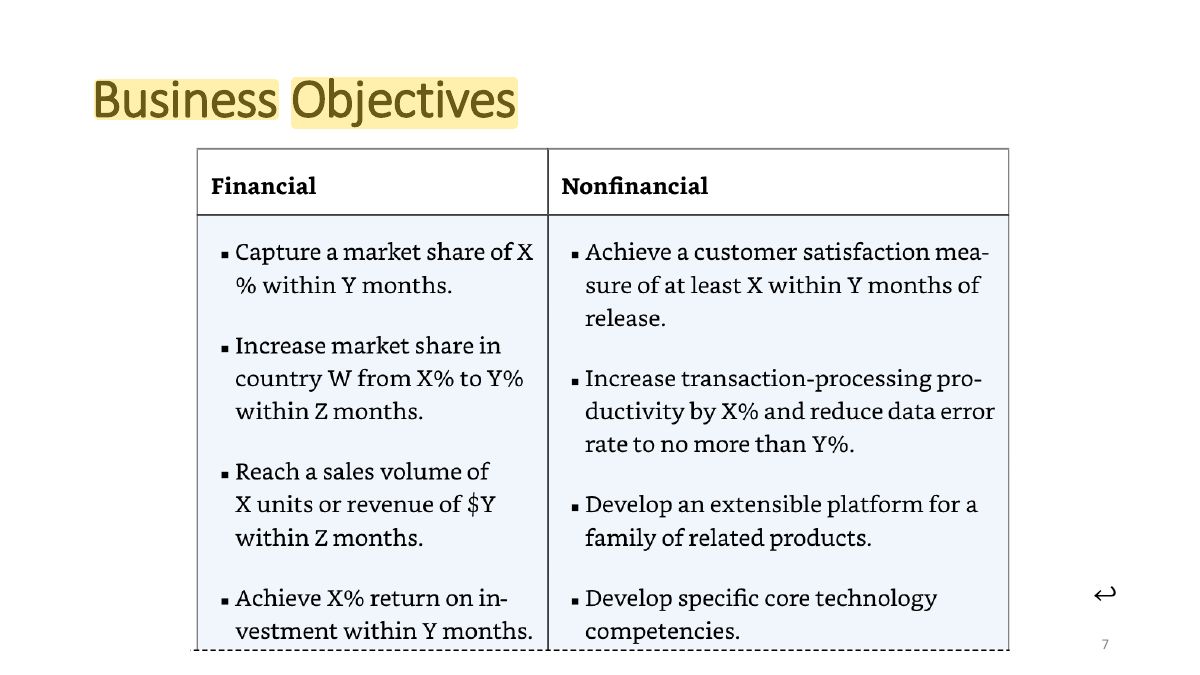
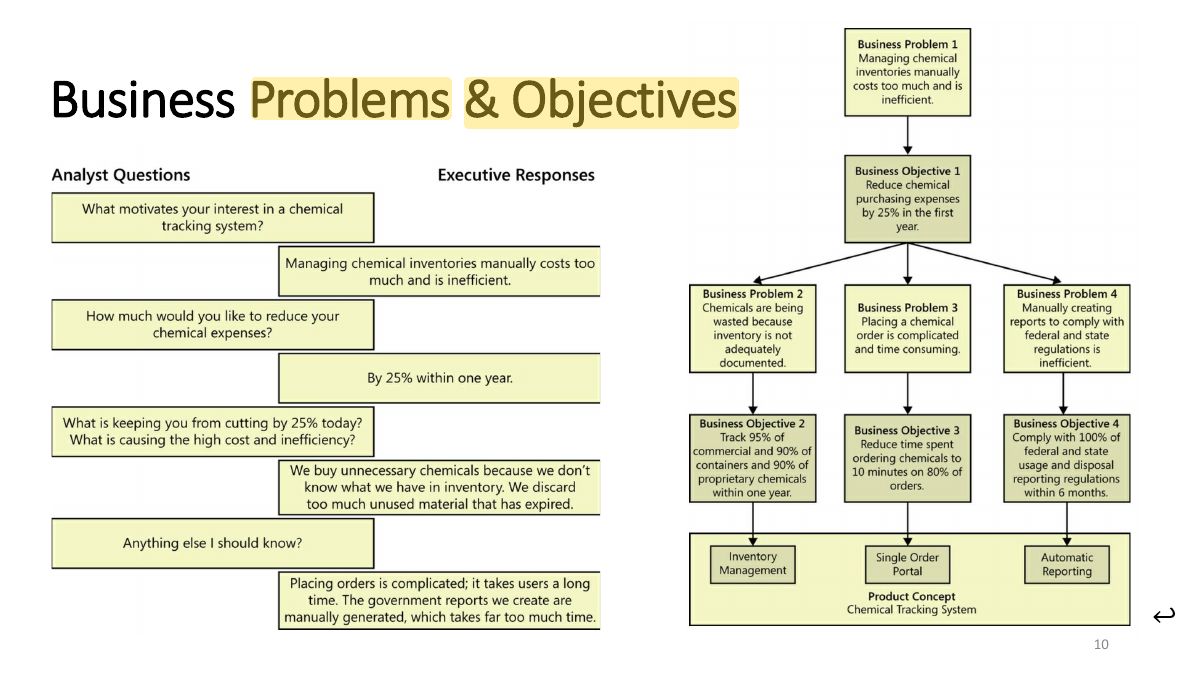
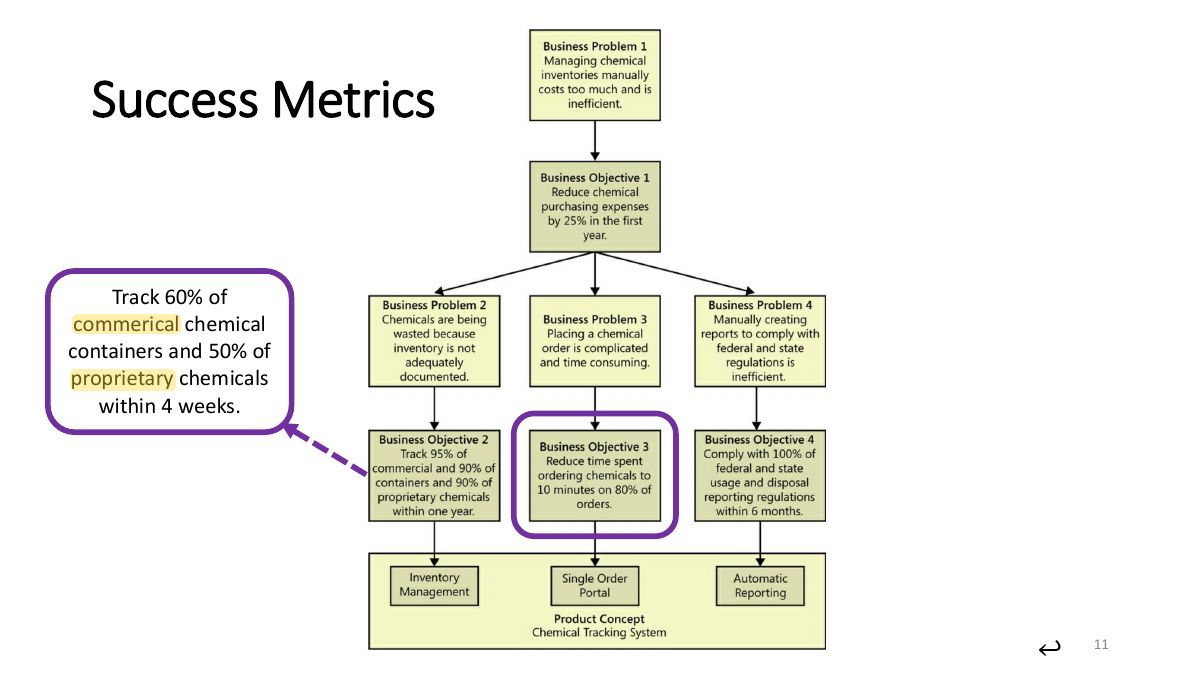
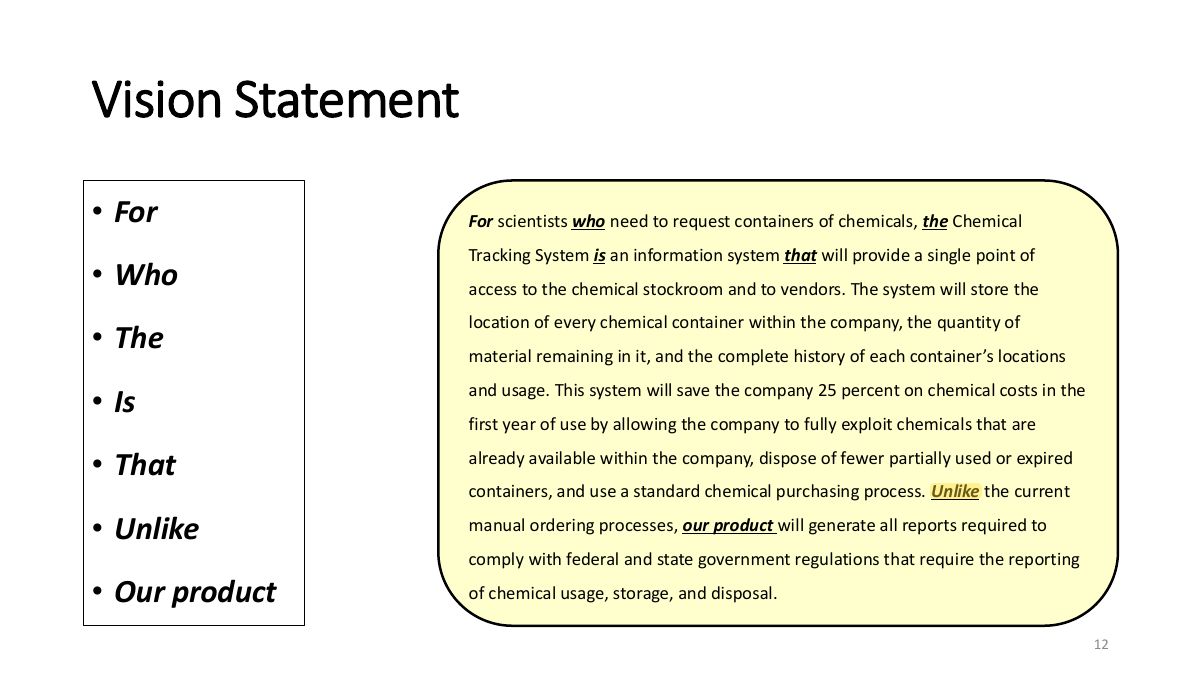
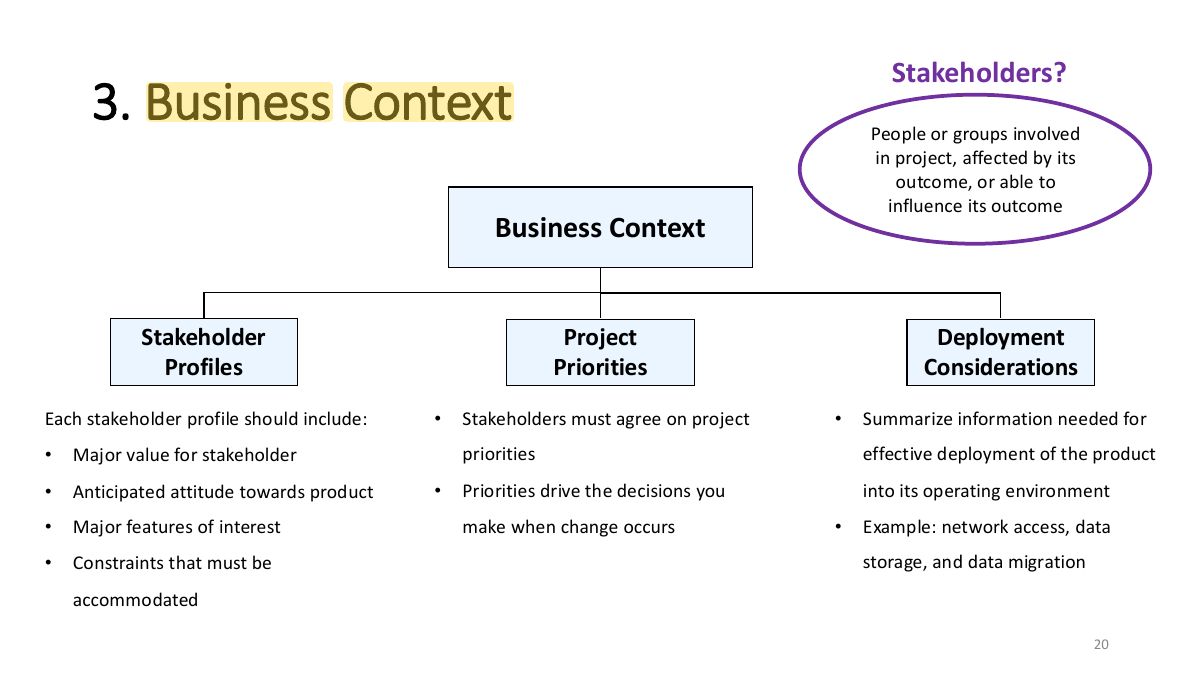
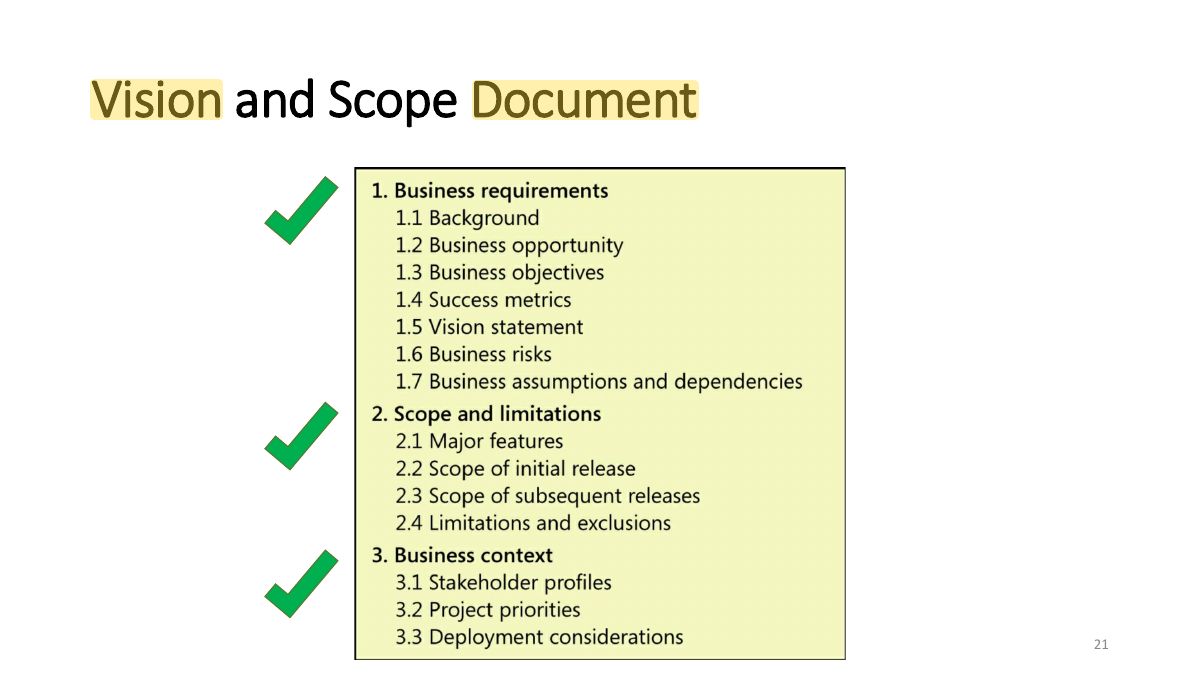
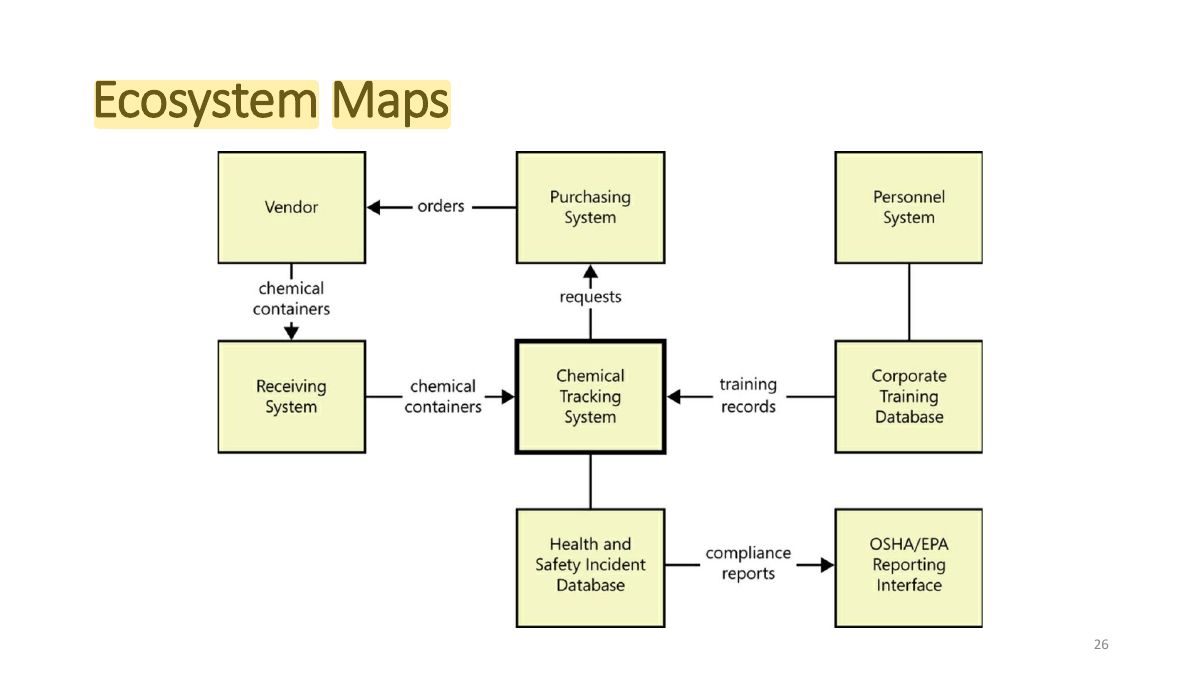
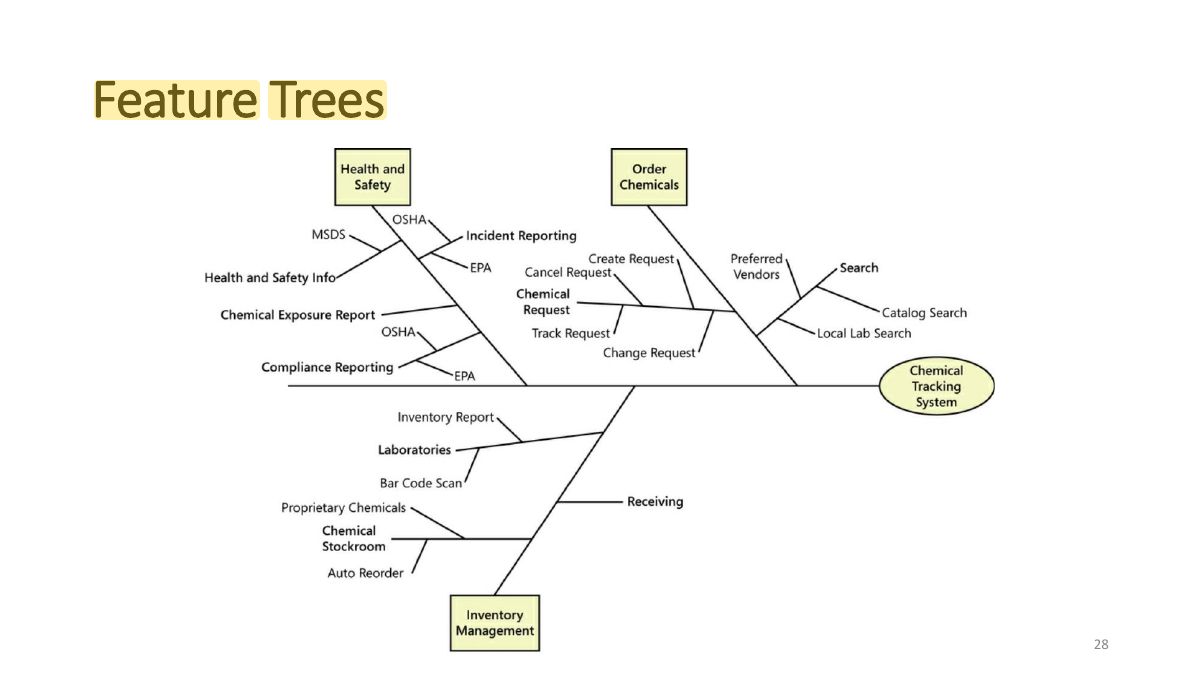
Why inception matters, business requirements (problems, objectives, success metrics), the vision statement, scope and limitations, the Vision and Scope document, stakeholders, and scope representations: context diagrams, ecosystem maps, feature trees and event lists.
Asked in a real exam
The primary goal of requirements inception is to:
Correct: Establish a shared understanding of the product’s context, problem, solution, boundaries and benefits.
Asked in a real exam
The primary output of requirements inception is the:
Correct: Vision and Scope document.
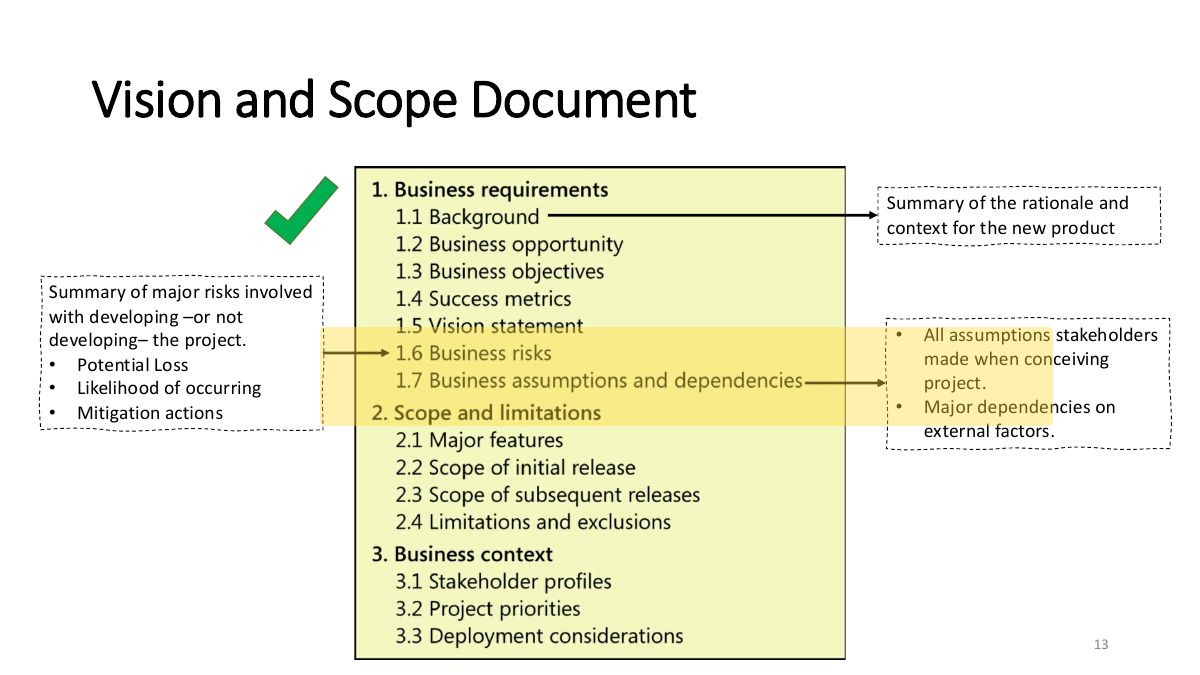
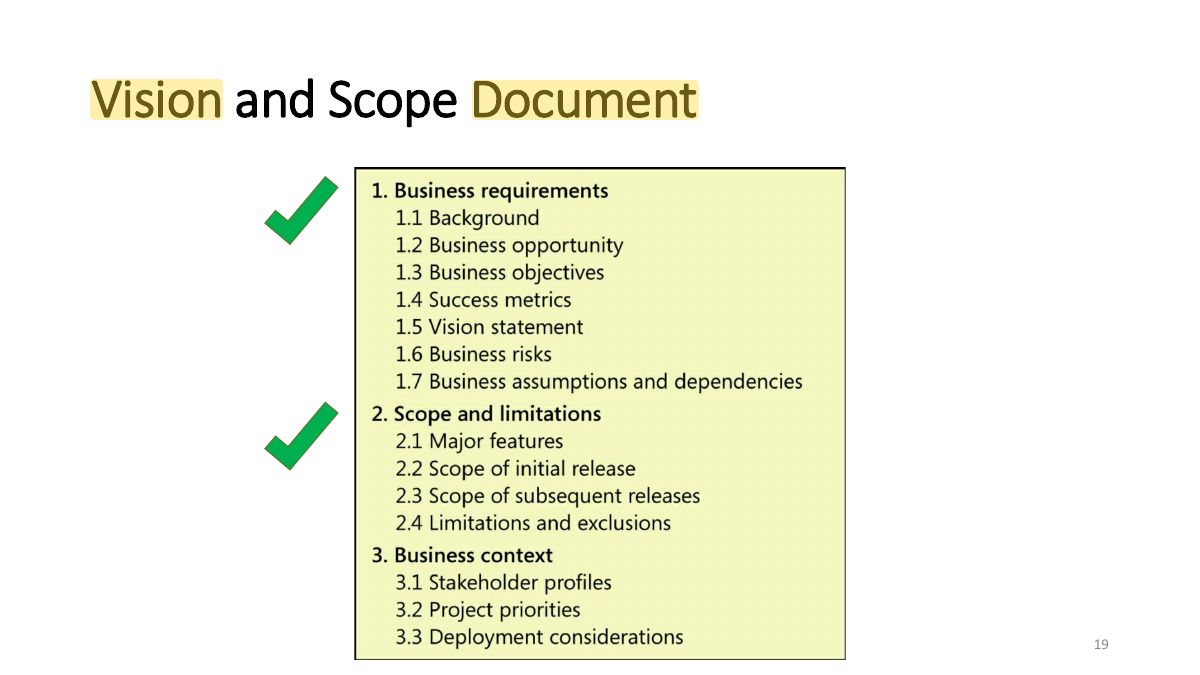
List four components of a Vision and Scope document.
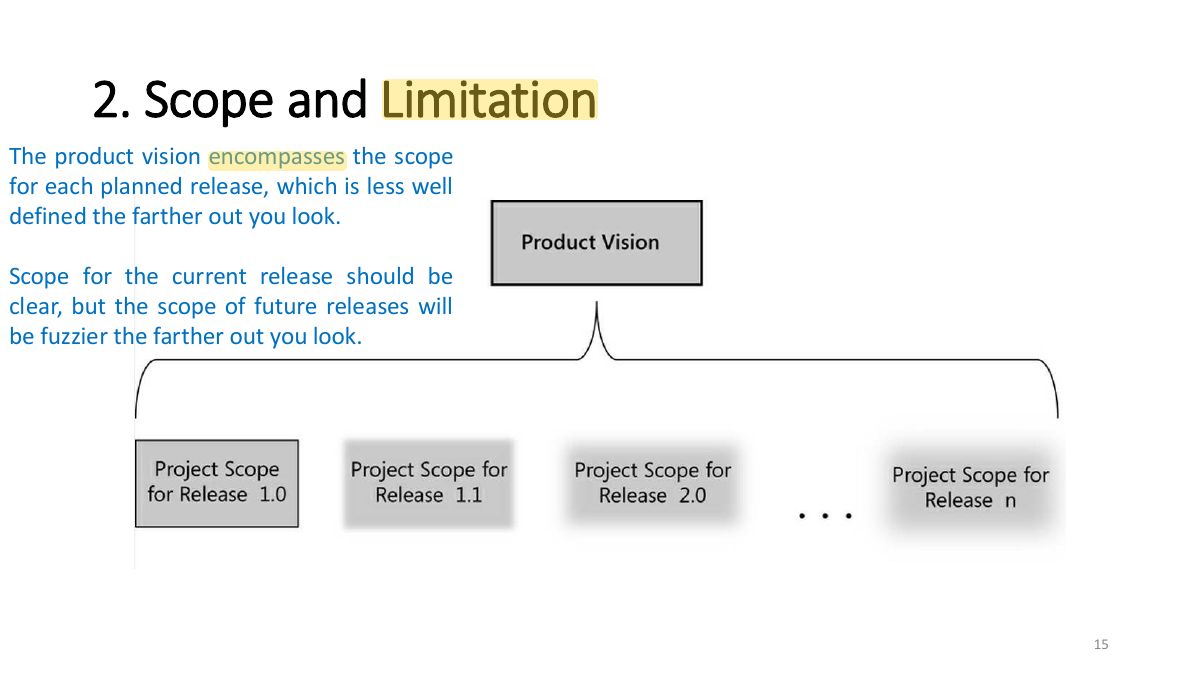
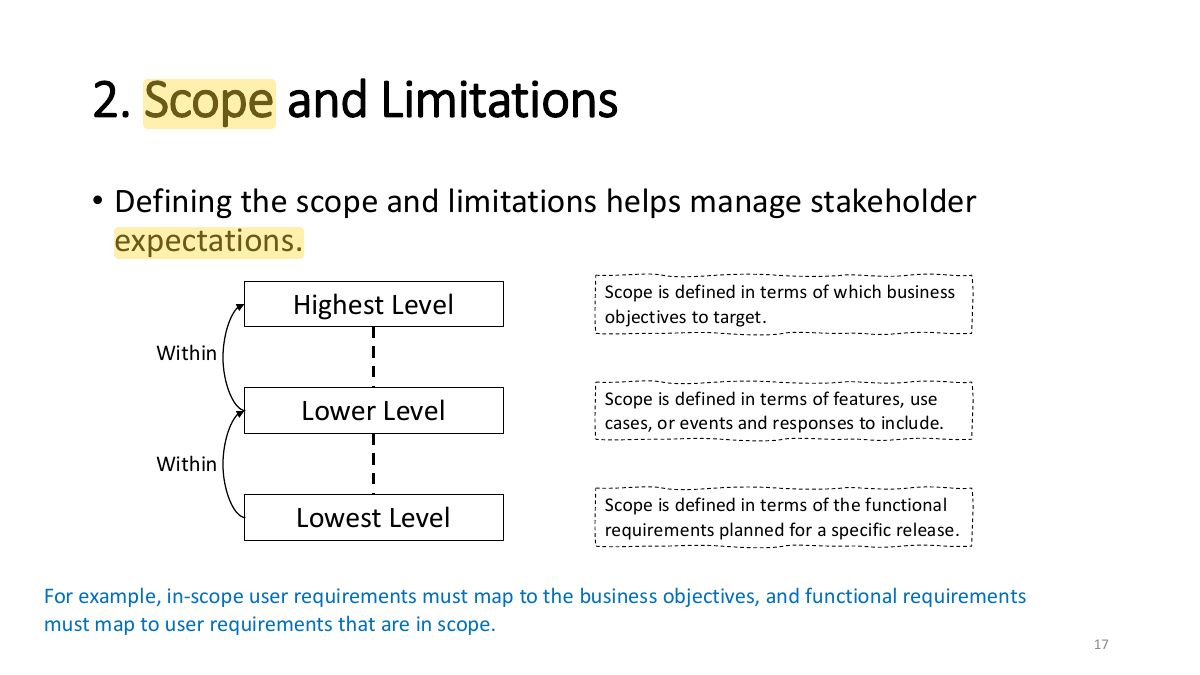
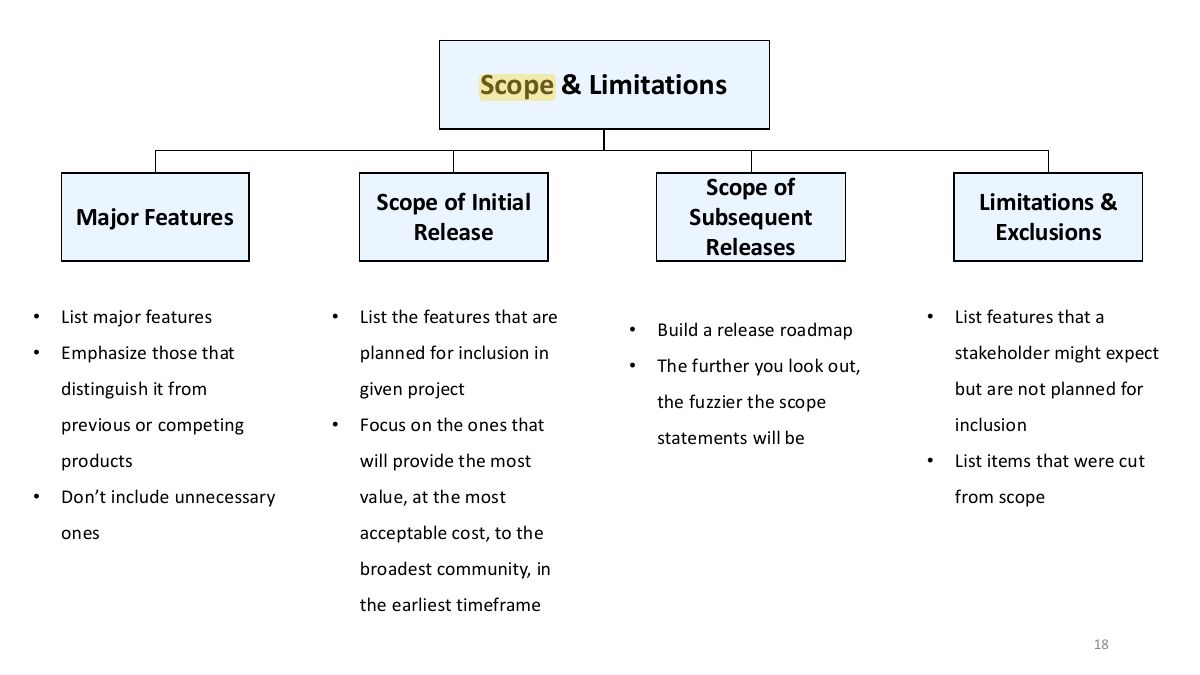
Business requirements (background, opportunity, objectives, success metrics), the vision statement, scope and limitations (major features, scope of initial and later releases, what is excluded), and business context (stakeholder profiles, project priorities, deployment considerations); also business risks and assumptions.
Asked in a real exam
A stakeholder is anyone who will purchase the completed software.
False. Anyone actively involved, affected by, or able to influence the project.
Asked in a real exam
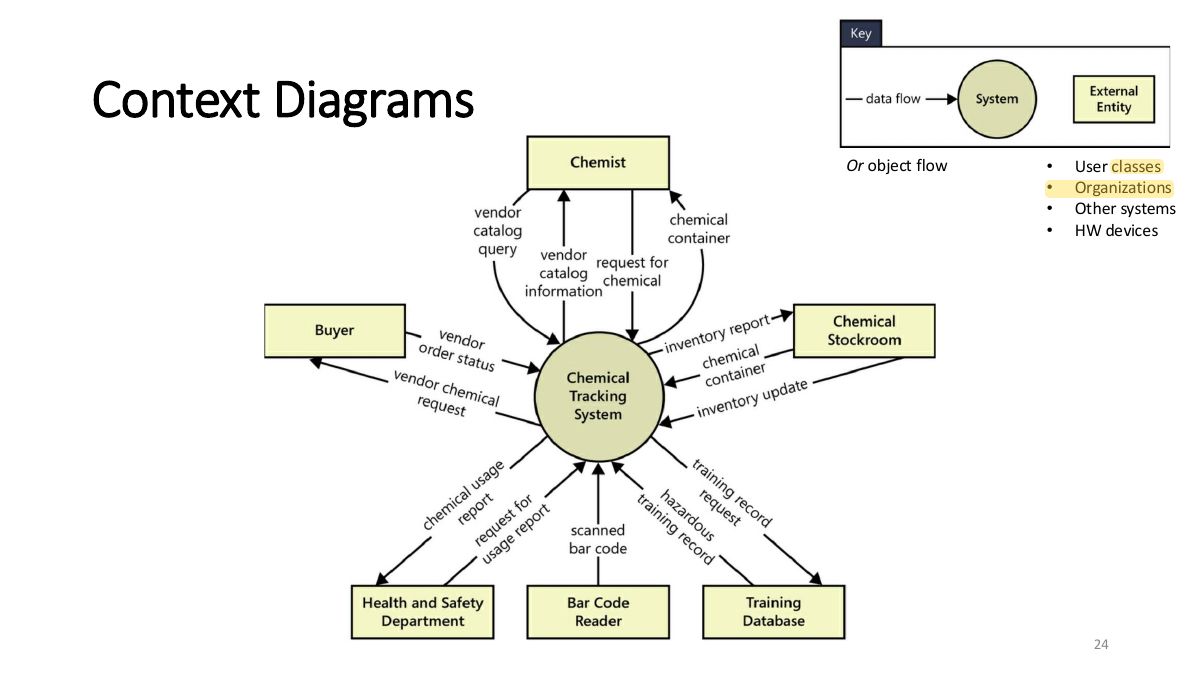
A context diagram does NOT show:
Correct: Internal objects and processes of the system.
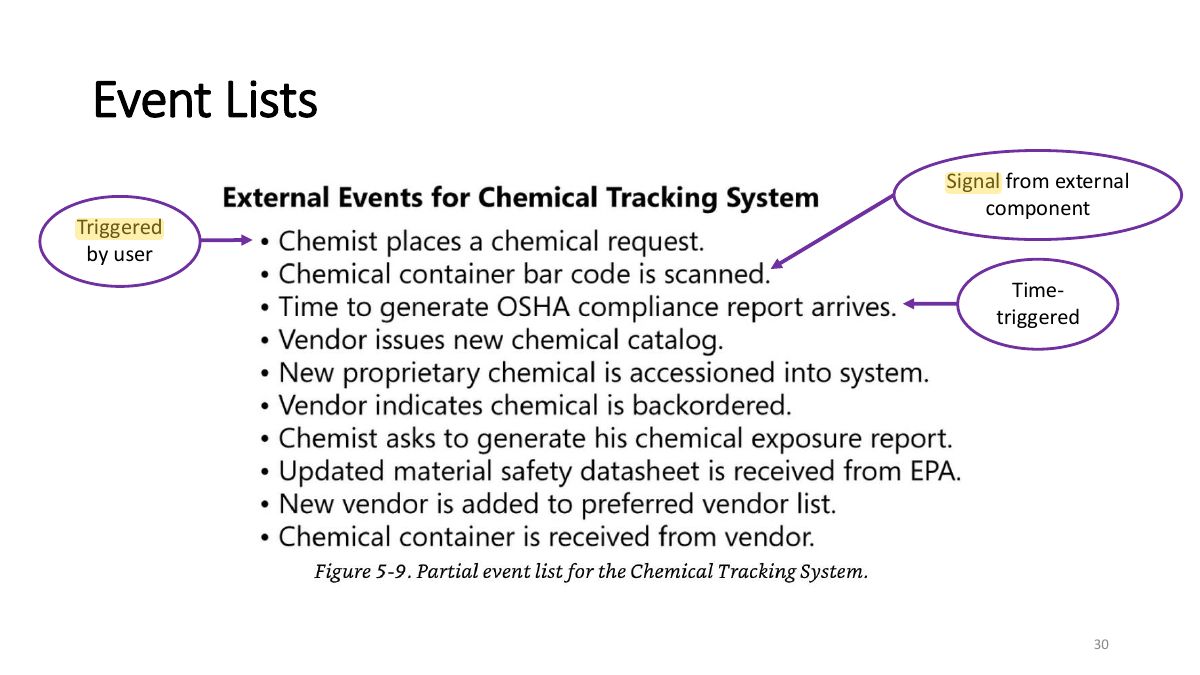
"At 2 a.m. every night the system backs up data" is which kind of event?
Correct: Temporal.
No slides match this filter.