Exam weight Low
Exam weight Low
Exam weight Low
Exam weight Low
Exam weight Low
Exam weight Low
Exam weight Low
Exam weight Low
Exam weight Low
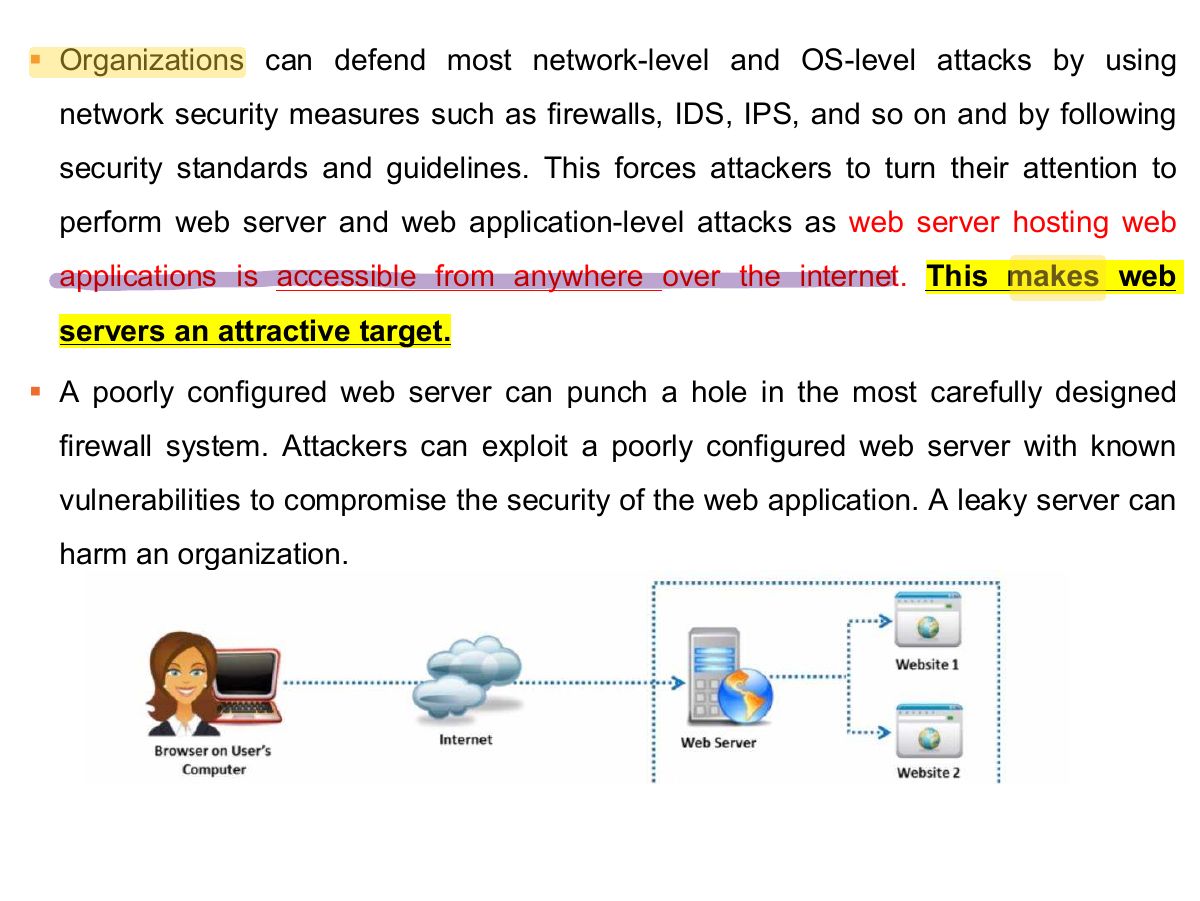
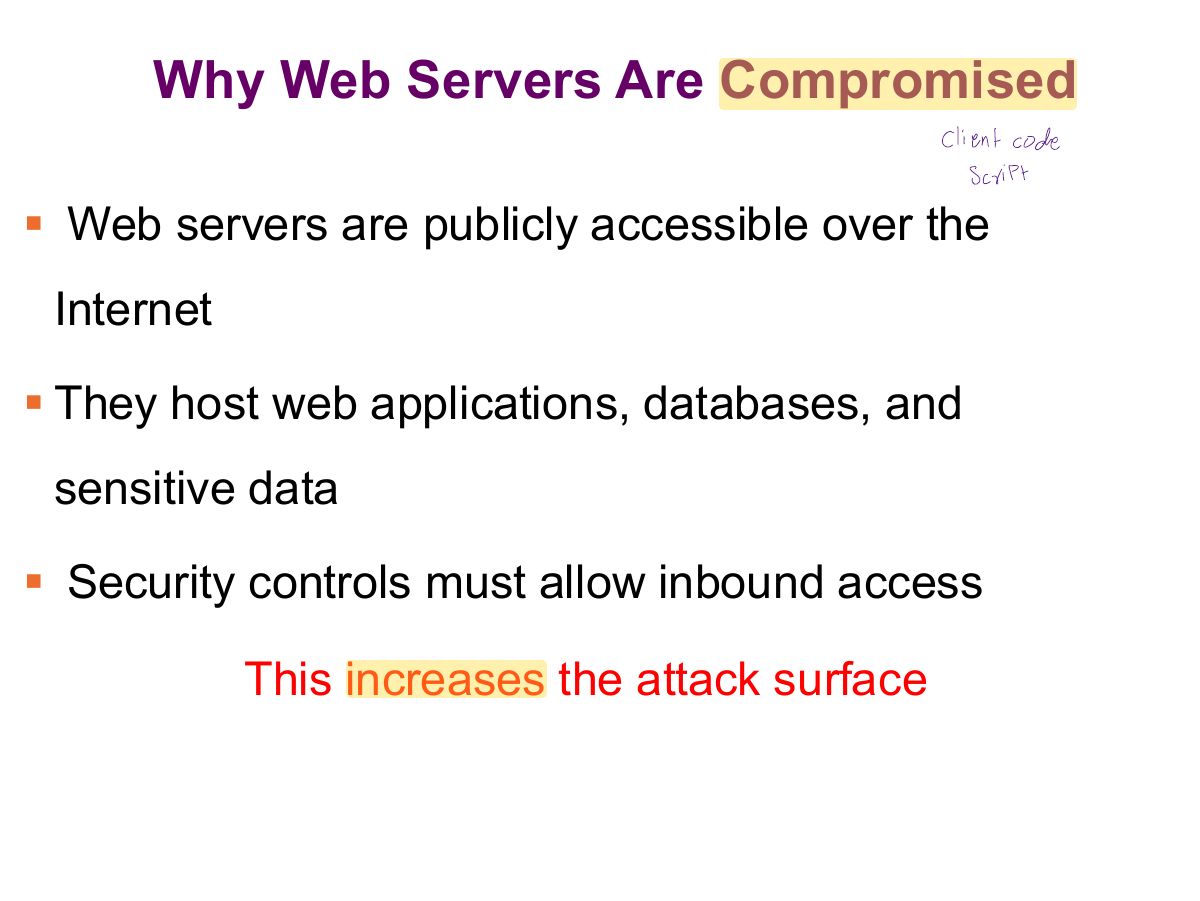
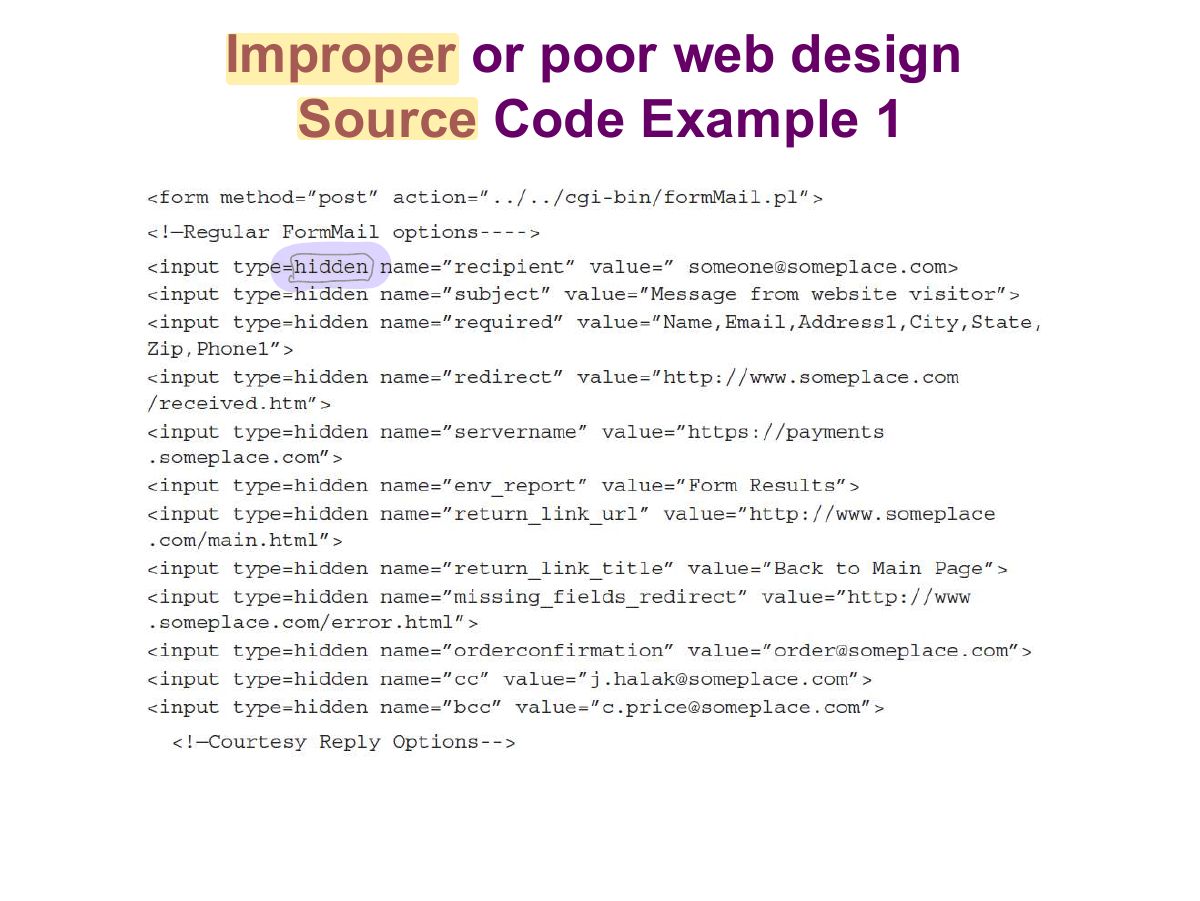
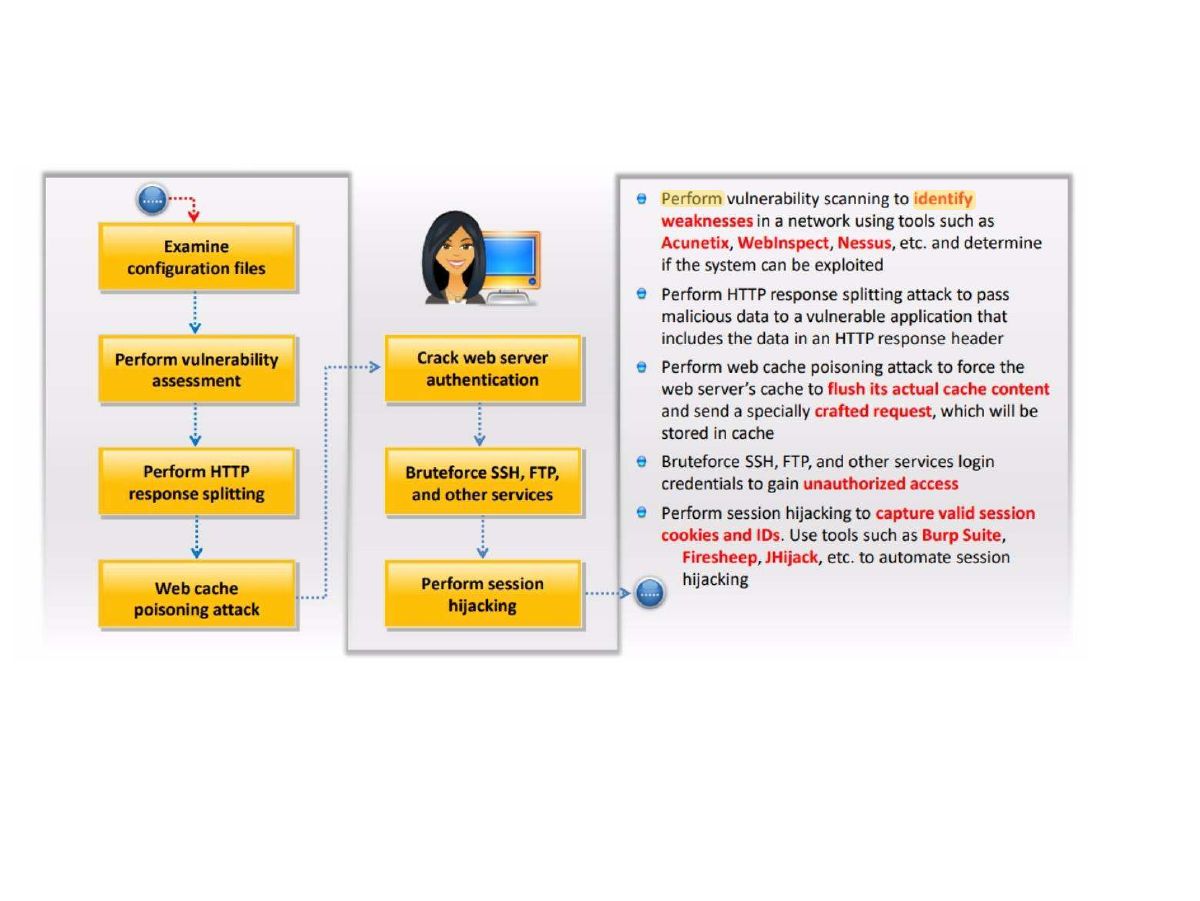
- Why web servers are compromised: default settings, unpatched software, misconfiguration, weak permissions, unnecessary services, poor input validation.
Exam weight Low
Exam weight Low
Exam weight Low
Exam weight Low
Exam weight Low
Exam weight Low
Exam weight Low
Exam weight Low
Exam weight Low
Exam weight Low
Exam weight Low
Exam weight Low
Exam weight Low
- DNS server hijacking: attacker changes DNS records so users are sent to a malicious server.
Exam weight High
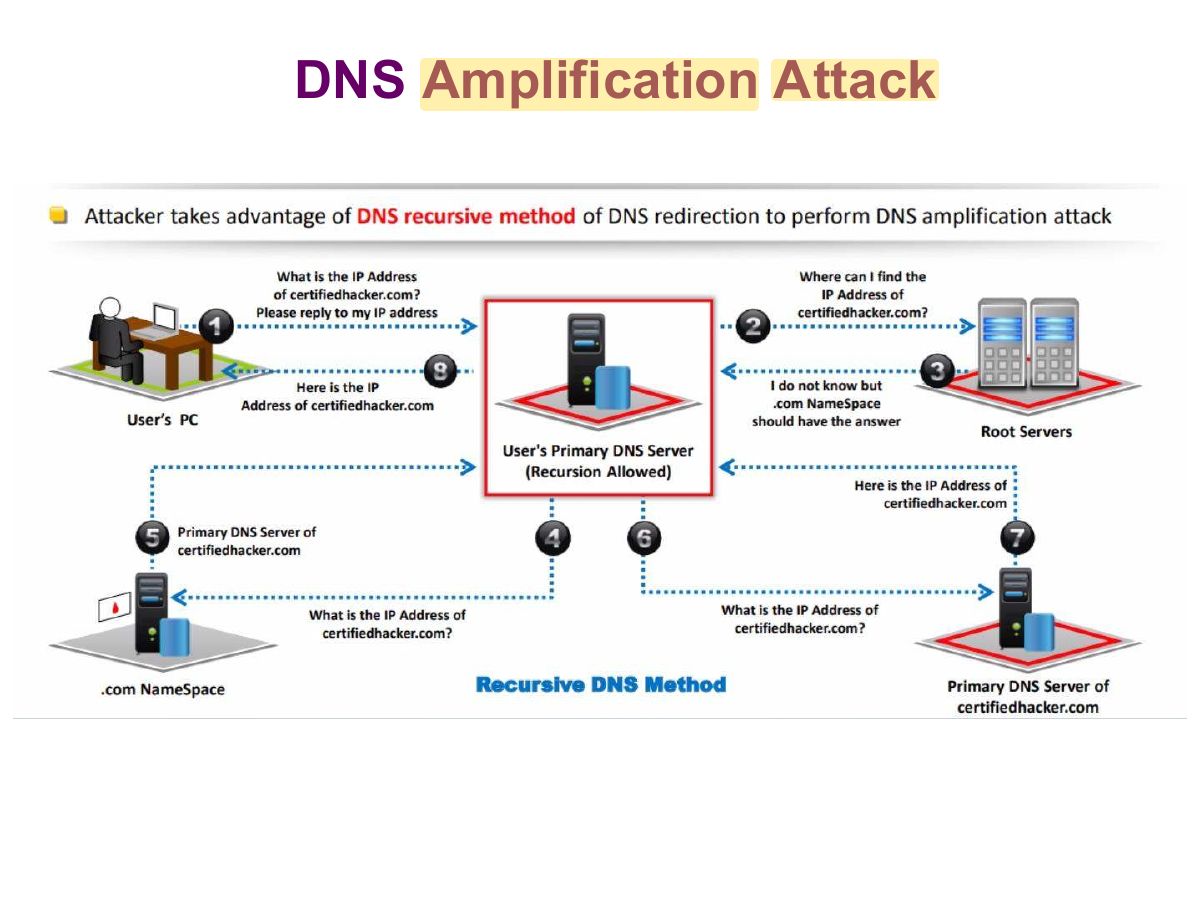
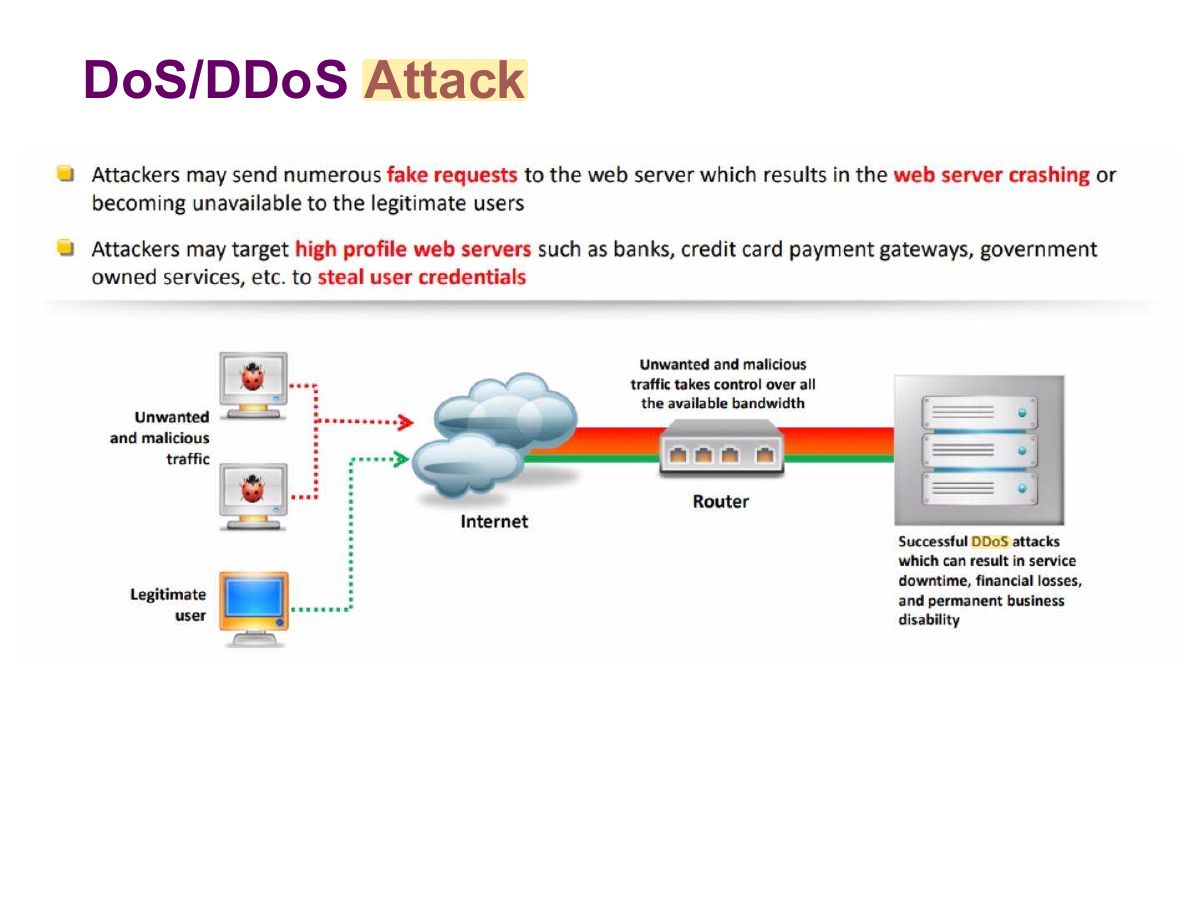
- DNS amplification: spoofed small queries to open resolvers produce large replies aimed at the victim (DDoS).
🎯 How this can come up · 1 question
MCQ
Spoofed DNS queries that make open resolvers flood a victim with large responses are:
Correct: DNS amplification.
Exam weight Low
Exam weight High
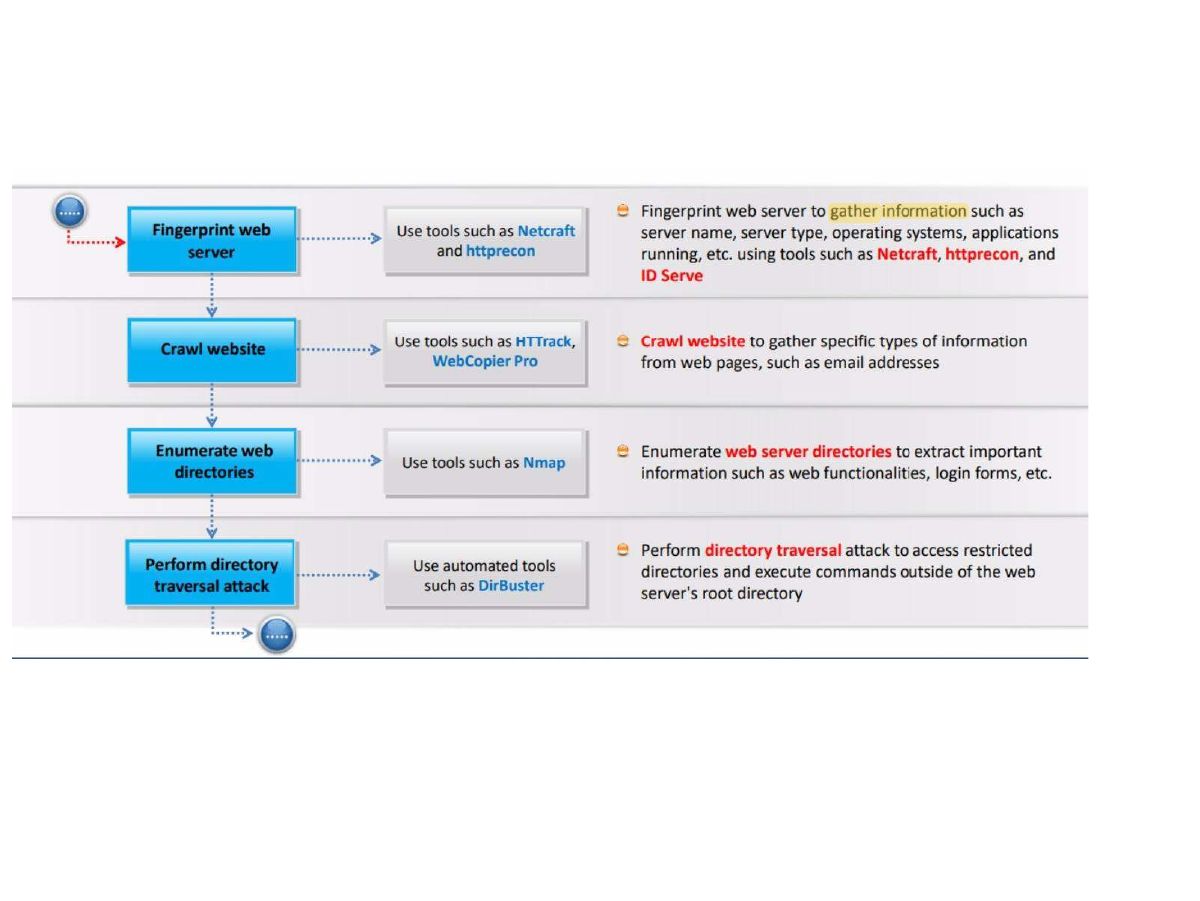
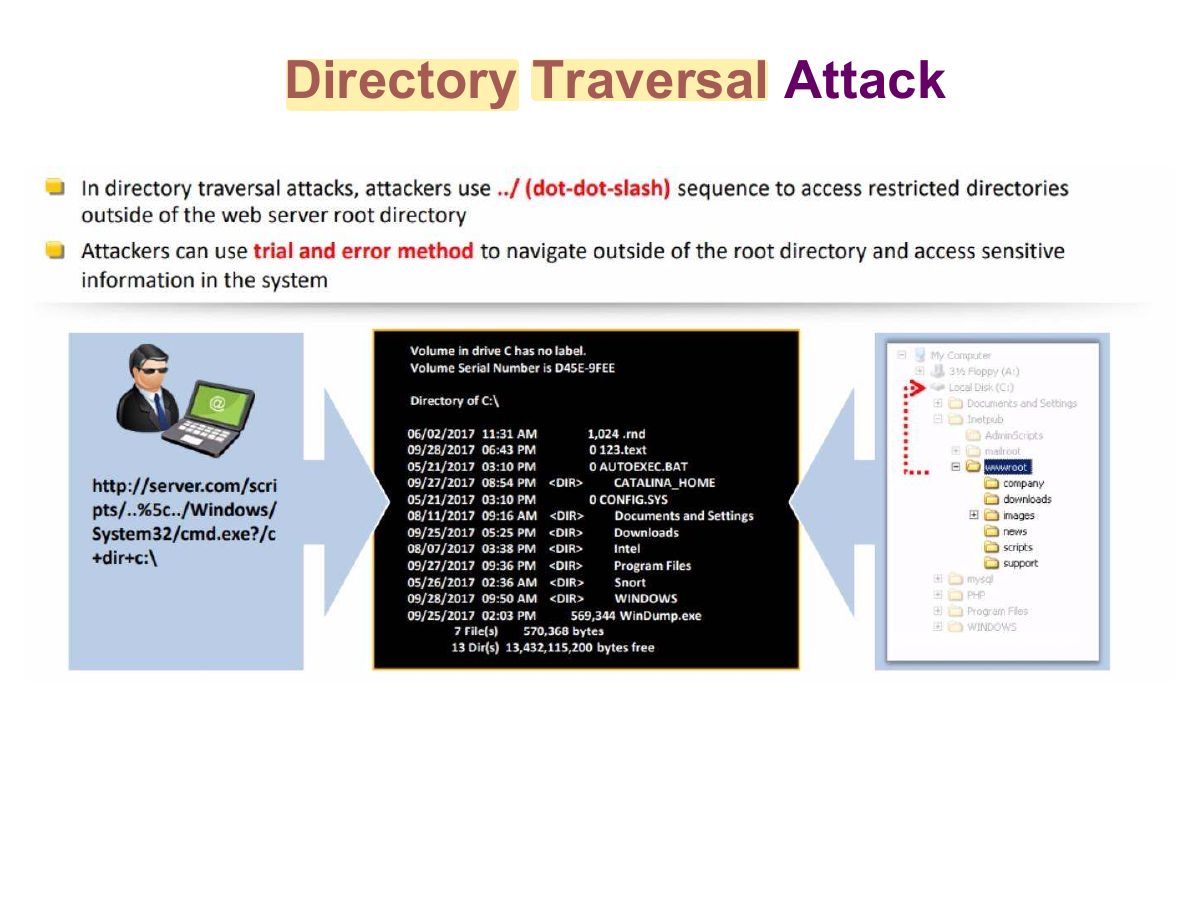
- Directory traversal: "../" sequences to read files outside the web root (../../etc/passwd).
🎯 How this can come up · 1 question
MCQ
The request /view?file=../../../etc/passwd is a:
Correct: Directory traversal attack.
Exam weight Low
Exam weight Low
- Web cache poisoning: inject malicious content into a cache so other users receive it.
Exam weight Low
Exam weight Low
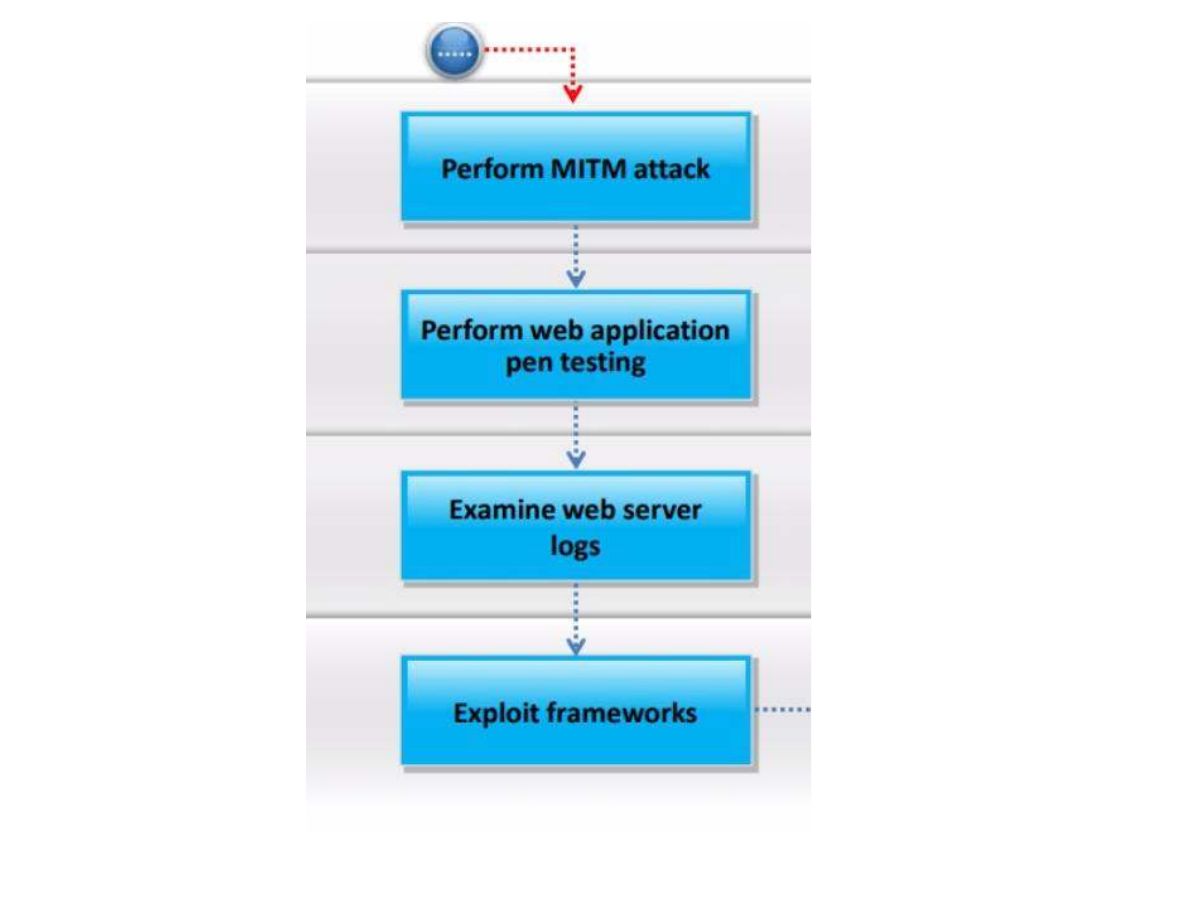
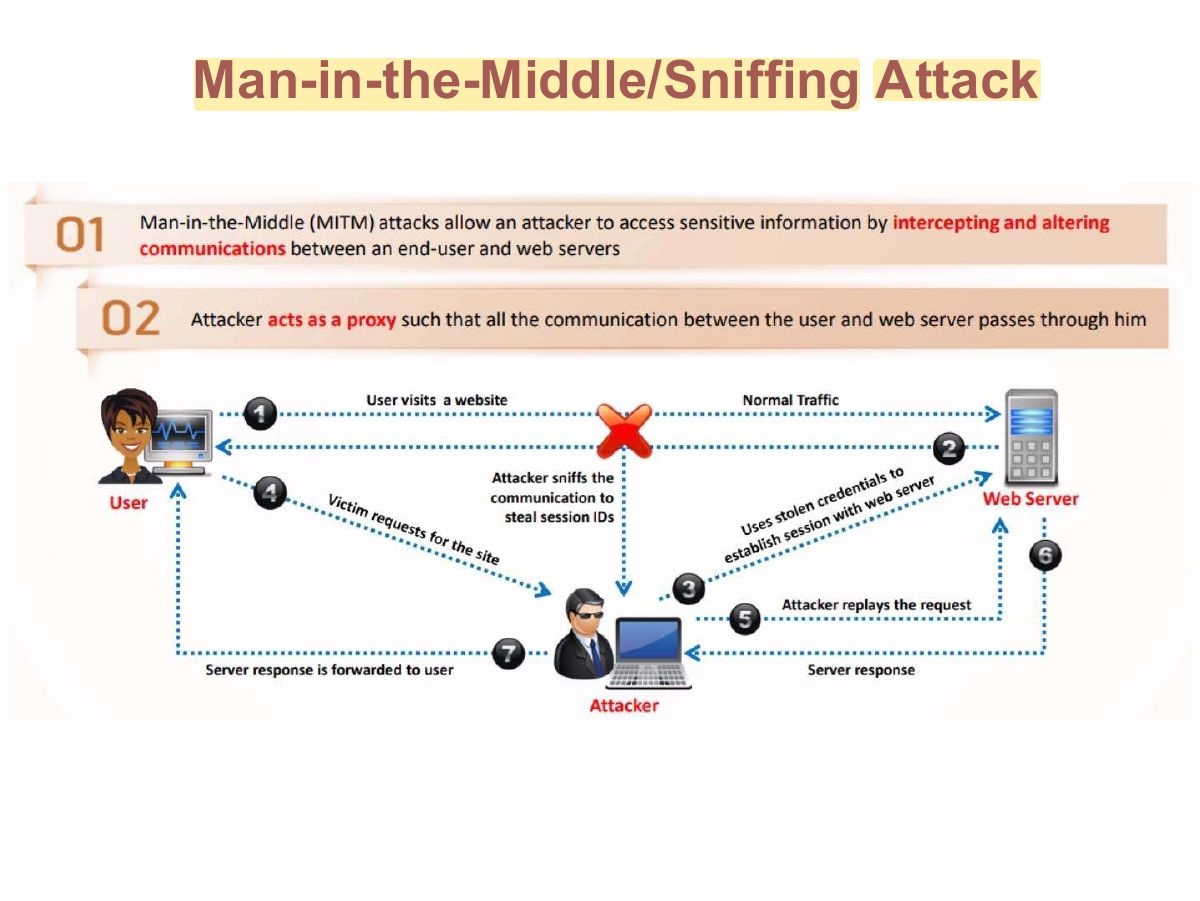
- Session hijacking with cookies: steal the session ID (sniffing, XSS) and replay it.
Exam weight Low
Exam weight Low
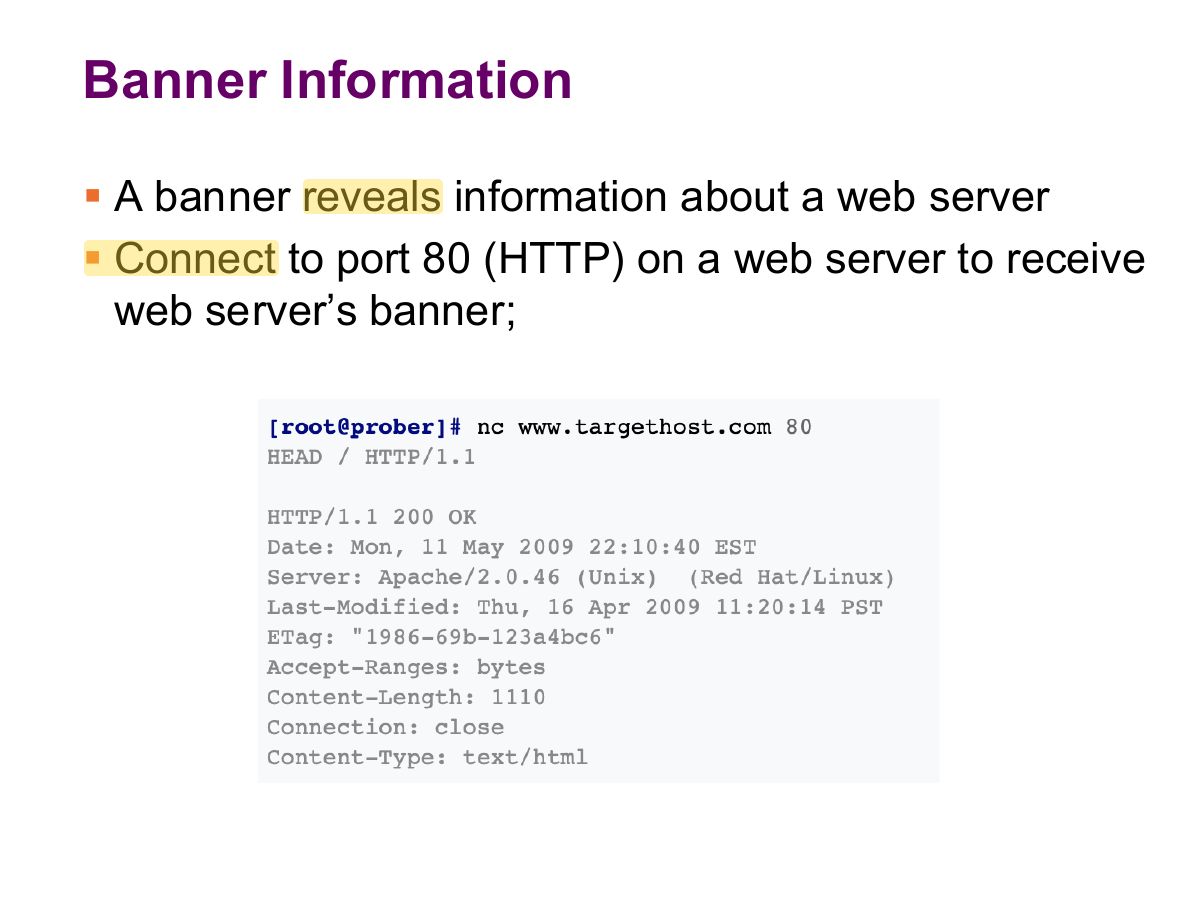
- Banner information reveals server type and version: hide or change it.
Exam weight Low
Exam weight Low
Exam weight Low
Exam weight Low
Exam weight High
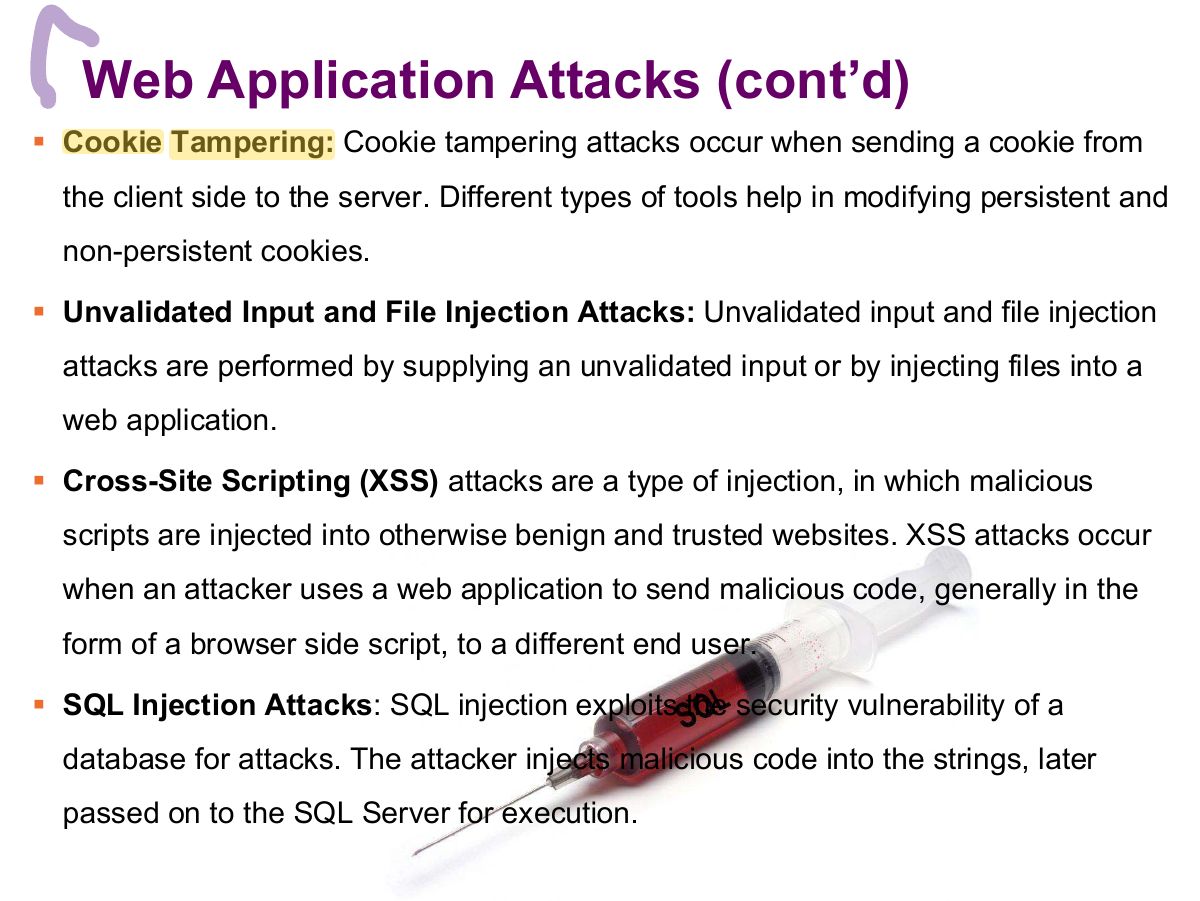
- Web app attacks: SQL injection, XSS, CSRF, parameter tampering, cookie poisoning, input validation flaws.
🎯 How this can come up · 1 question
MCQ
Injecting a script into a page that runs in other users’ browsers is:
Correct: Cross-site scripting (XSS).
Exam weight Low
Exam weight Low
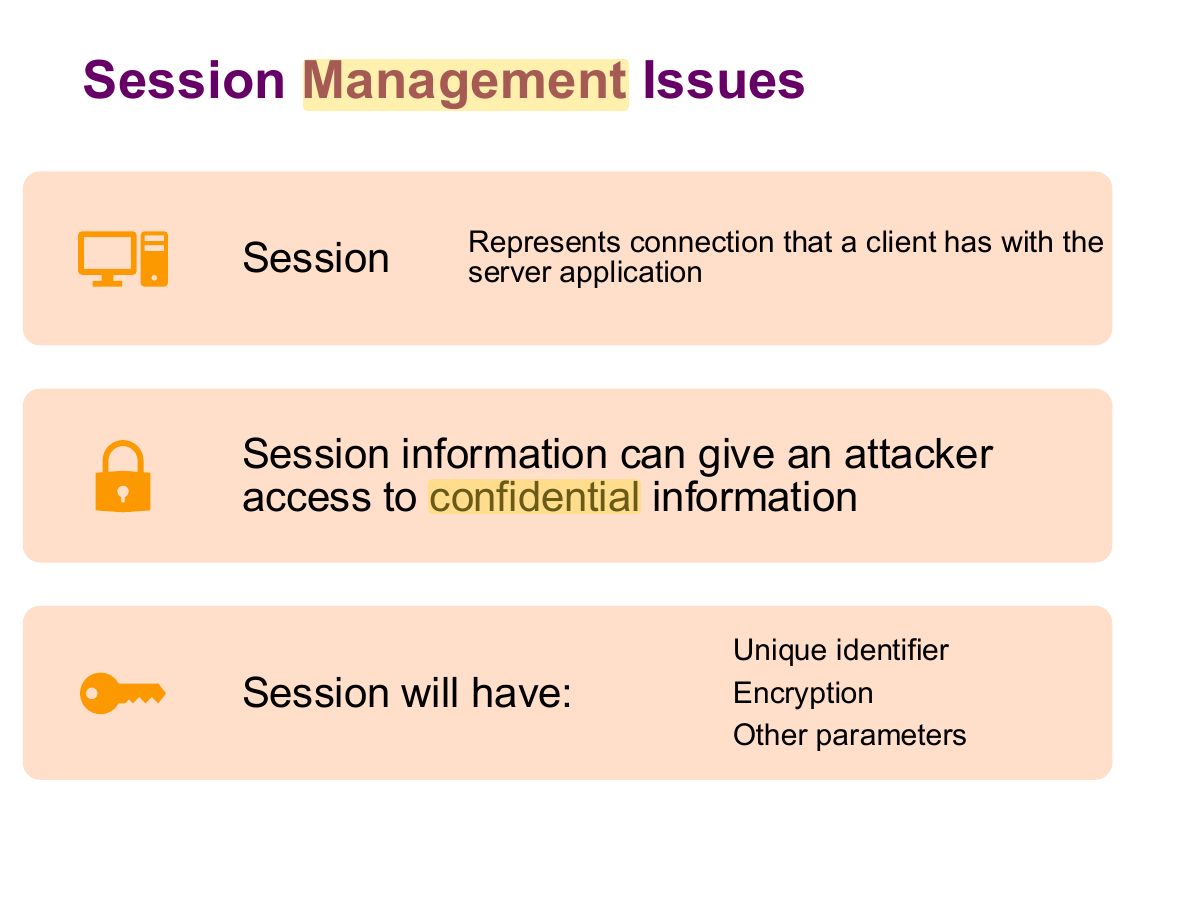
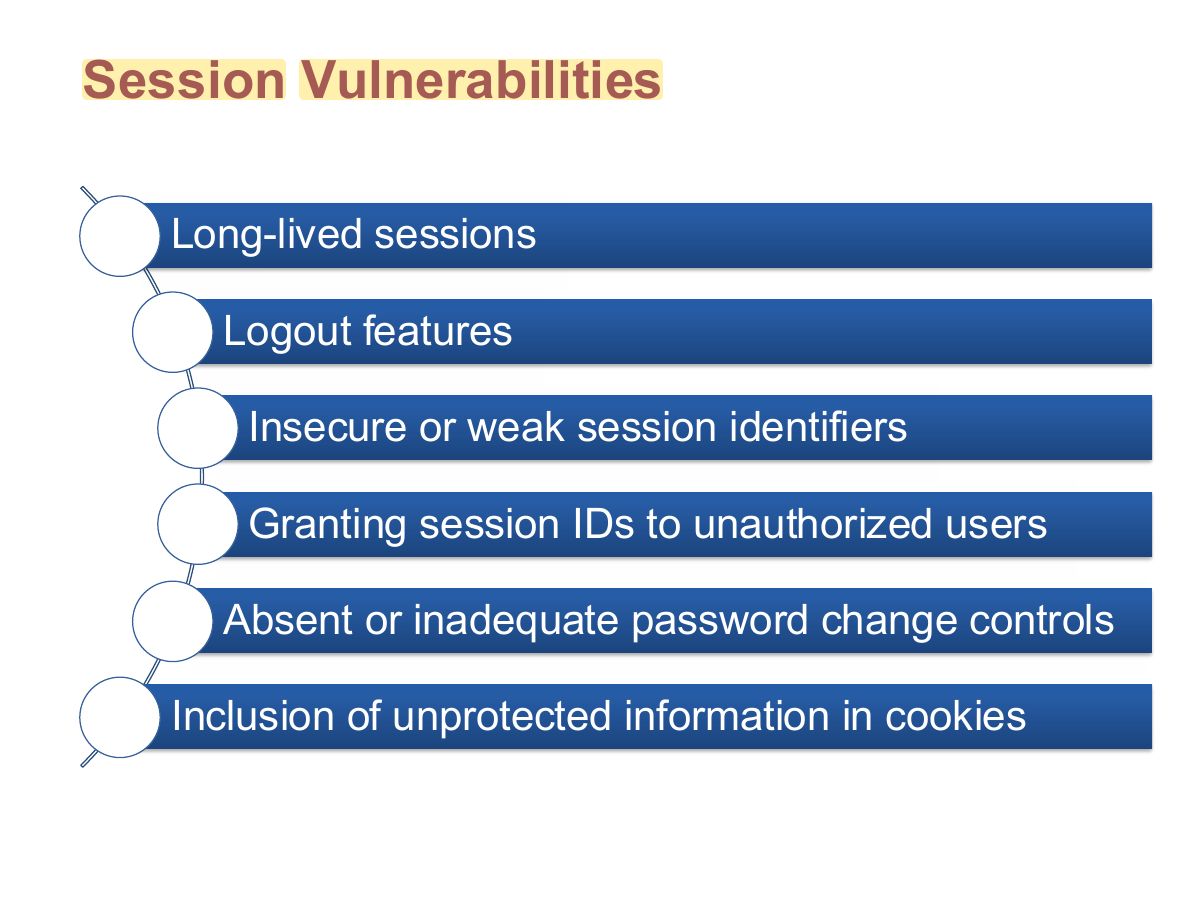
- Session management issues: predictable IDs, IDs in URLs, no timeout, no regeneration after login.
Exam weight Low
Exam weight Low
Exam weight Low
Exam weight Low
Exam weight Low
Exam weight Low
Exam weight Low
Exam weight High
- SQL injection: user input changes the query (' OR 1=1 --). Defense: parameterized queries, input validation, least privilege.
Memory trick' OR '1'='1 makes the WHERE clause always true.
🎯 How this can come up · 1 question
MCQ
The best defense against SQL injection is:
Correct: Parameterized (prepared) queries.
Exam weight Low
Exam weight Low
Exam weight Low
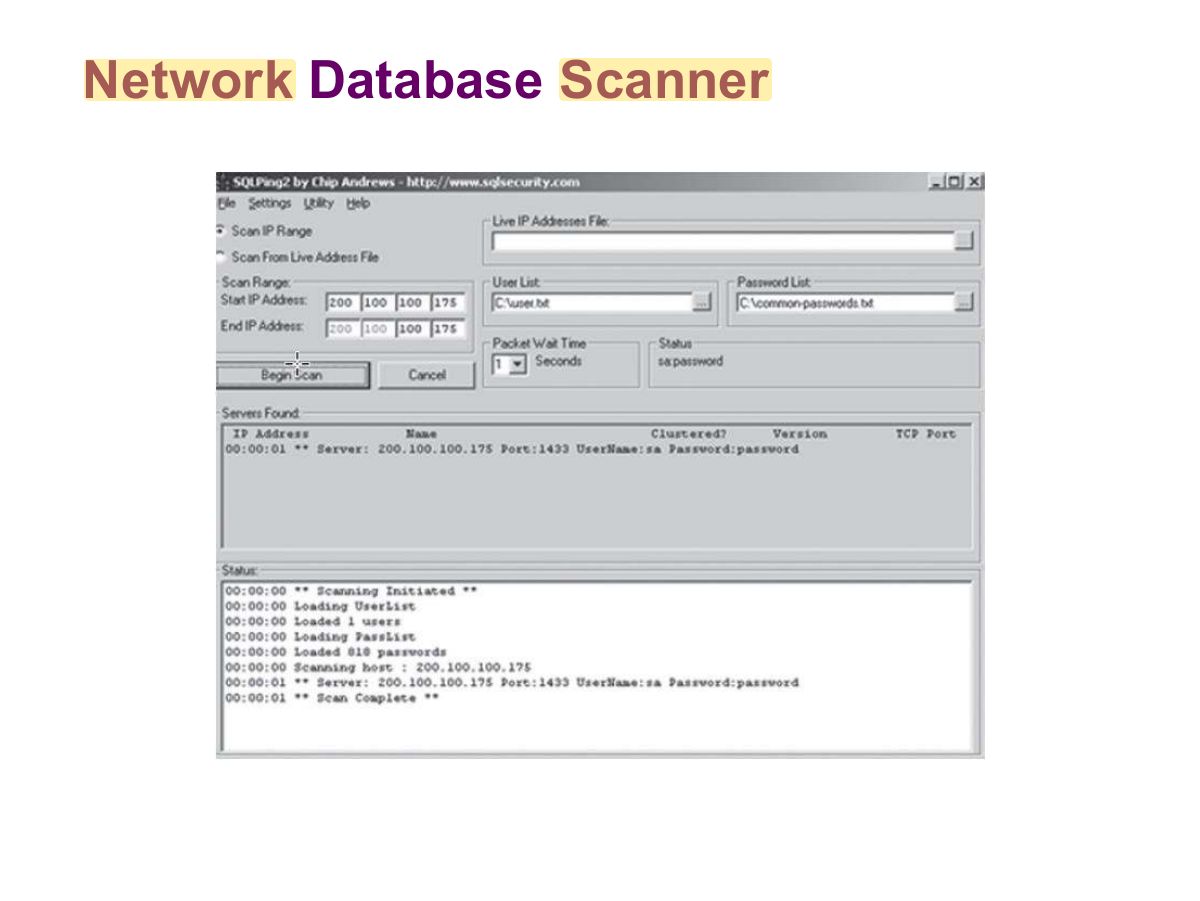
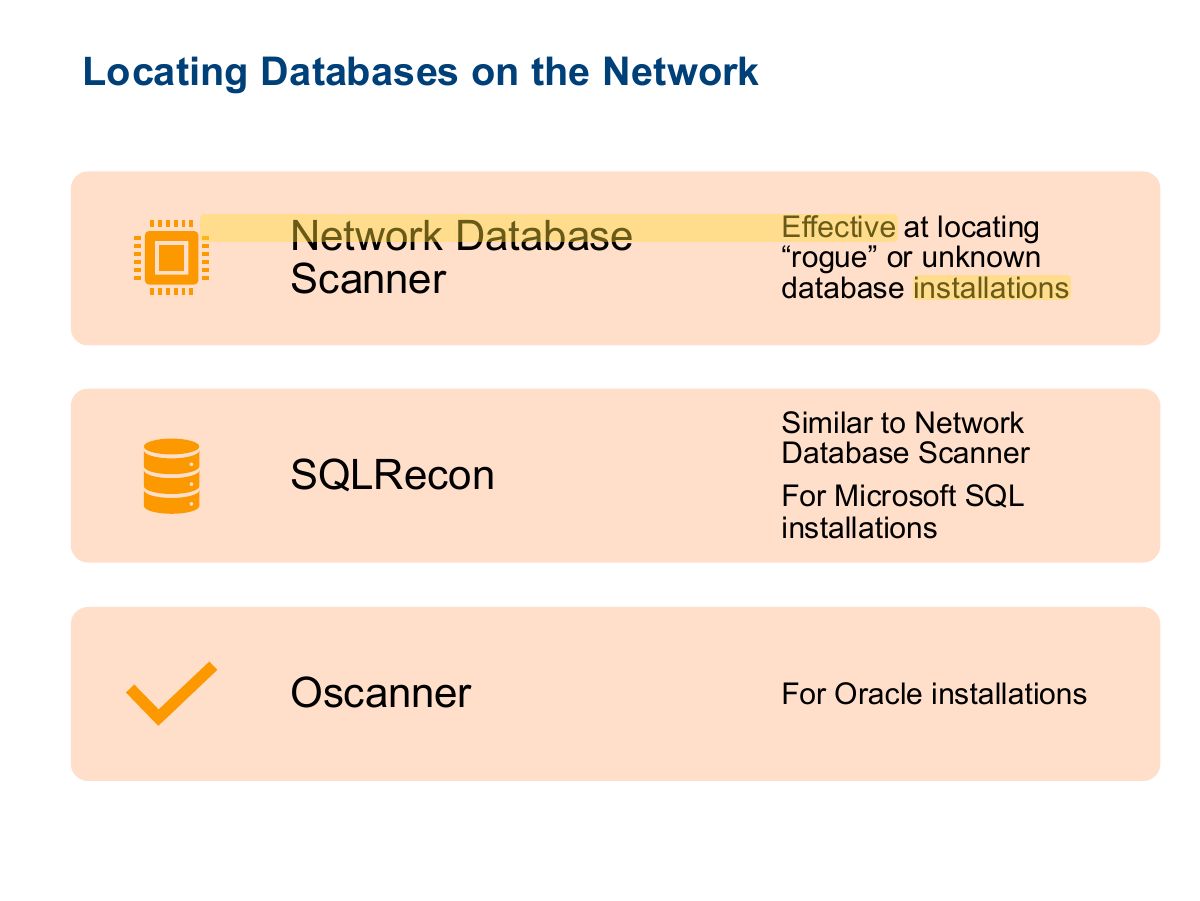
- Locate databases with port scans: 1433 MS SQL, 3306 MySQL, 1521 Oracle, 5432 PostgreSQL.
Exam weight Low
Exam weight Low
Exam weight Low
Exam weight Low
Exam weight Low
Exam weight Low
Exam weight Low
Exam weight Low
Exam weight Low
Exam weight Low
No slides match this filter.