Exam weight Low
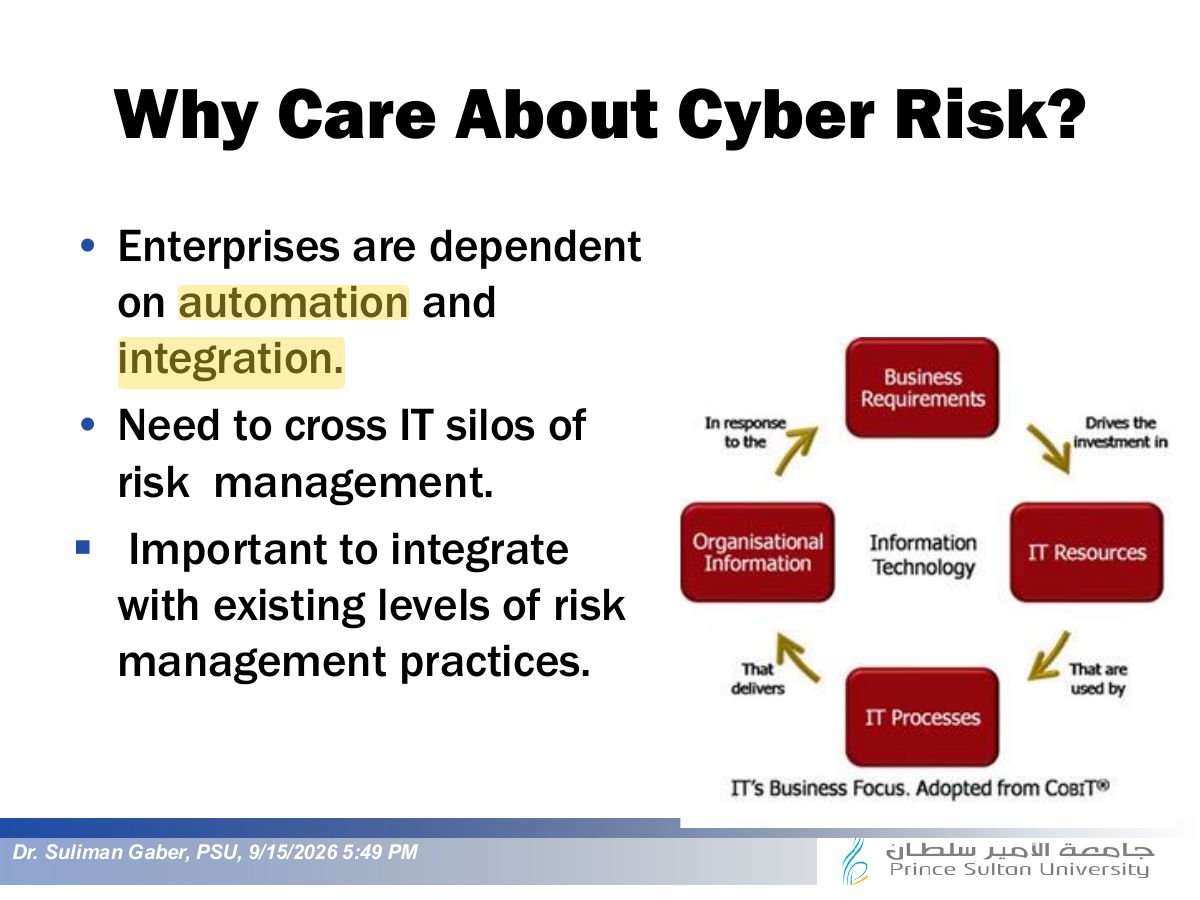
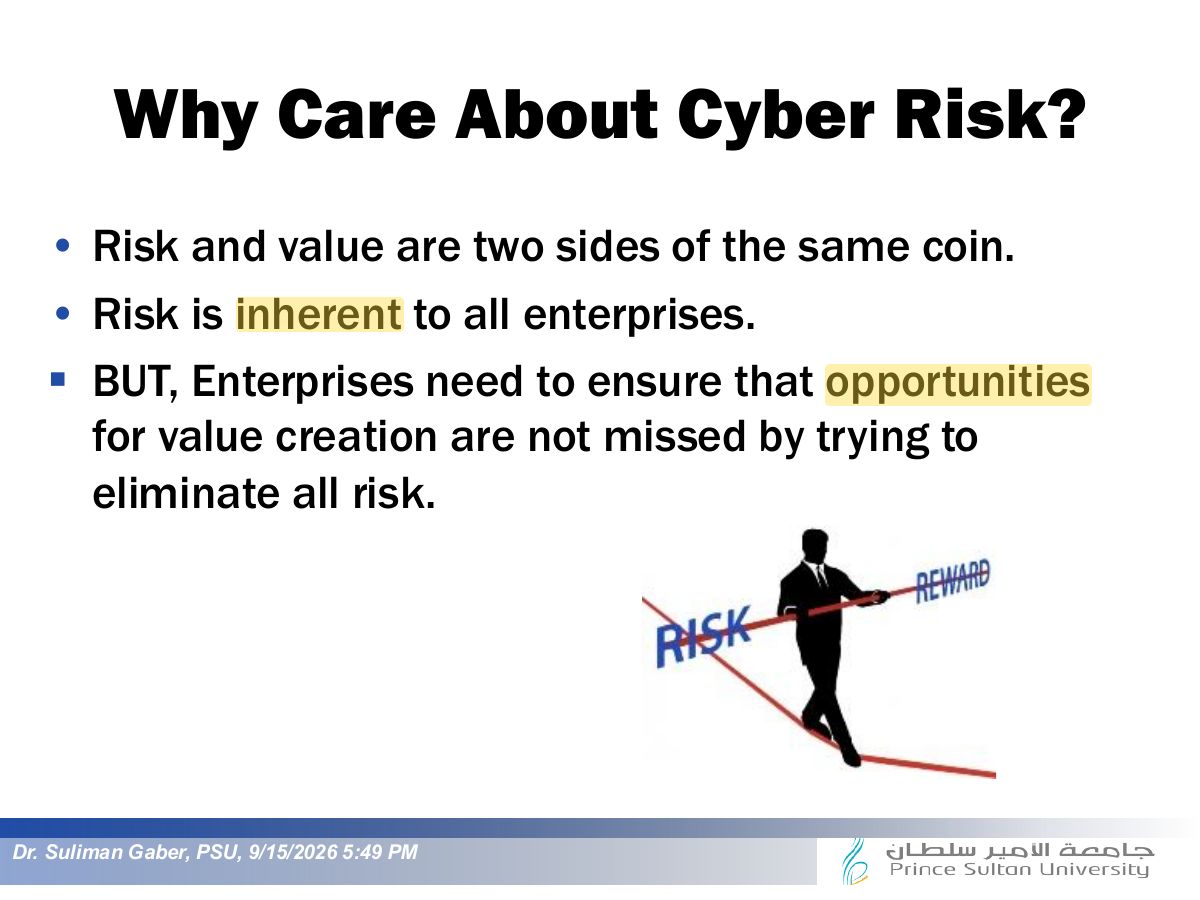
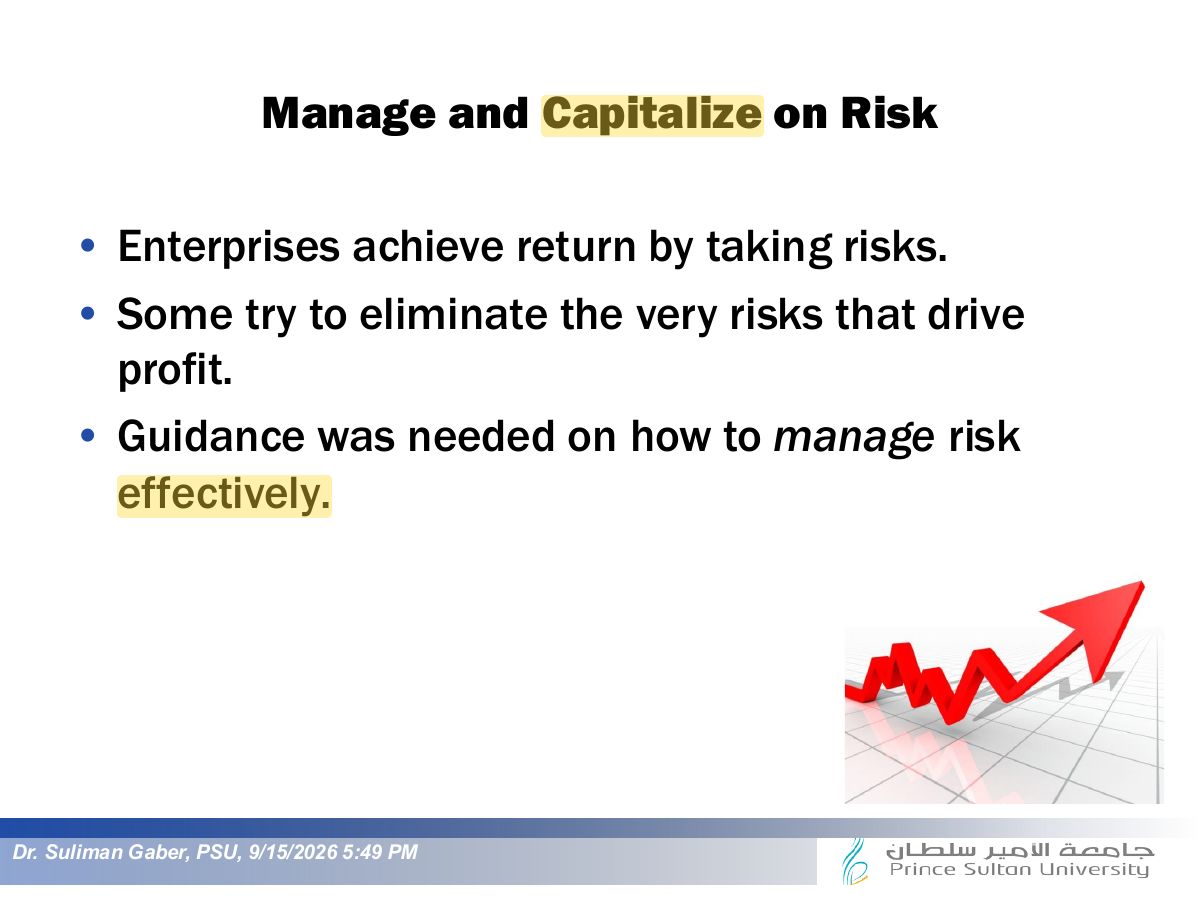
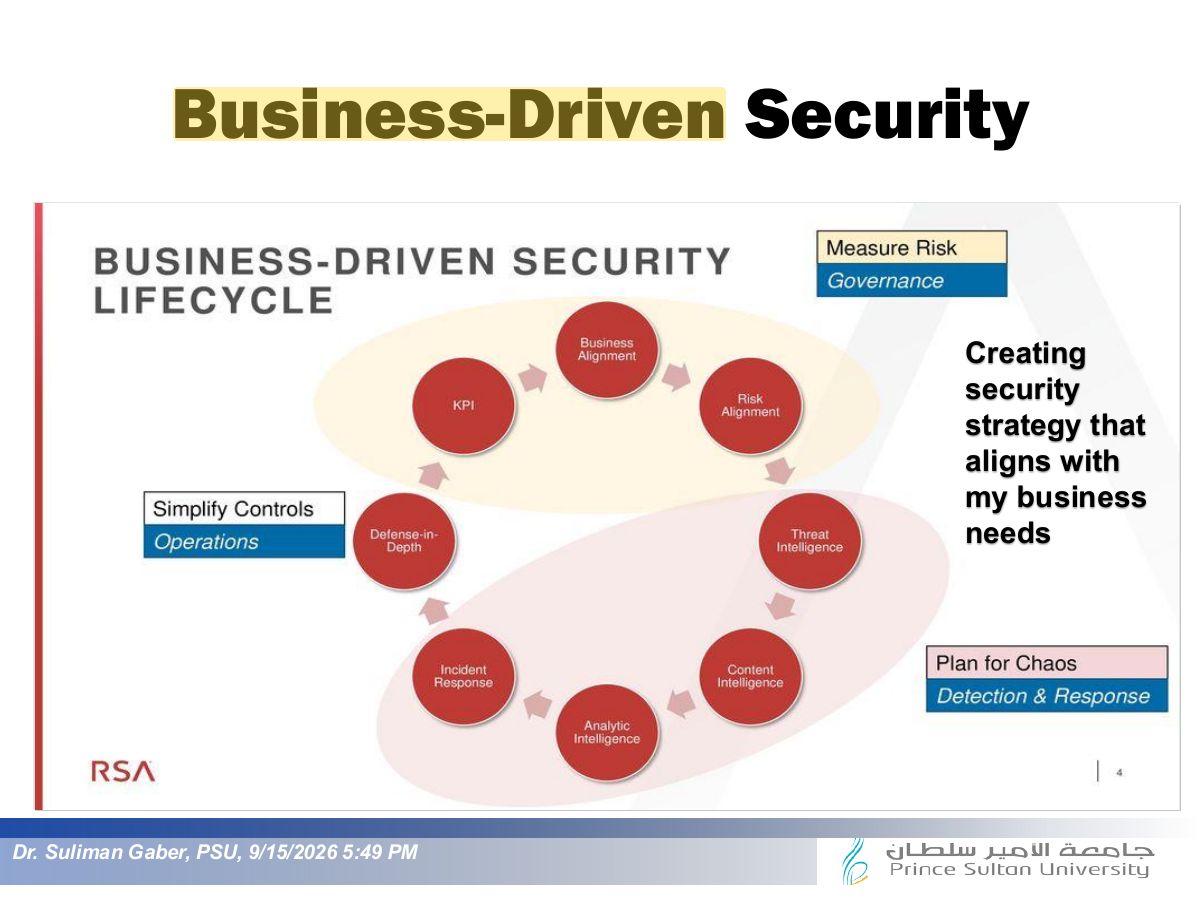
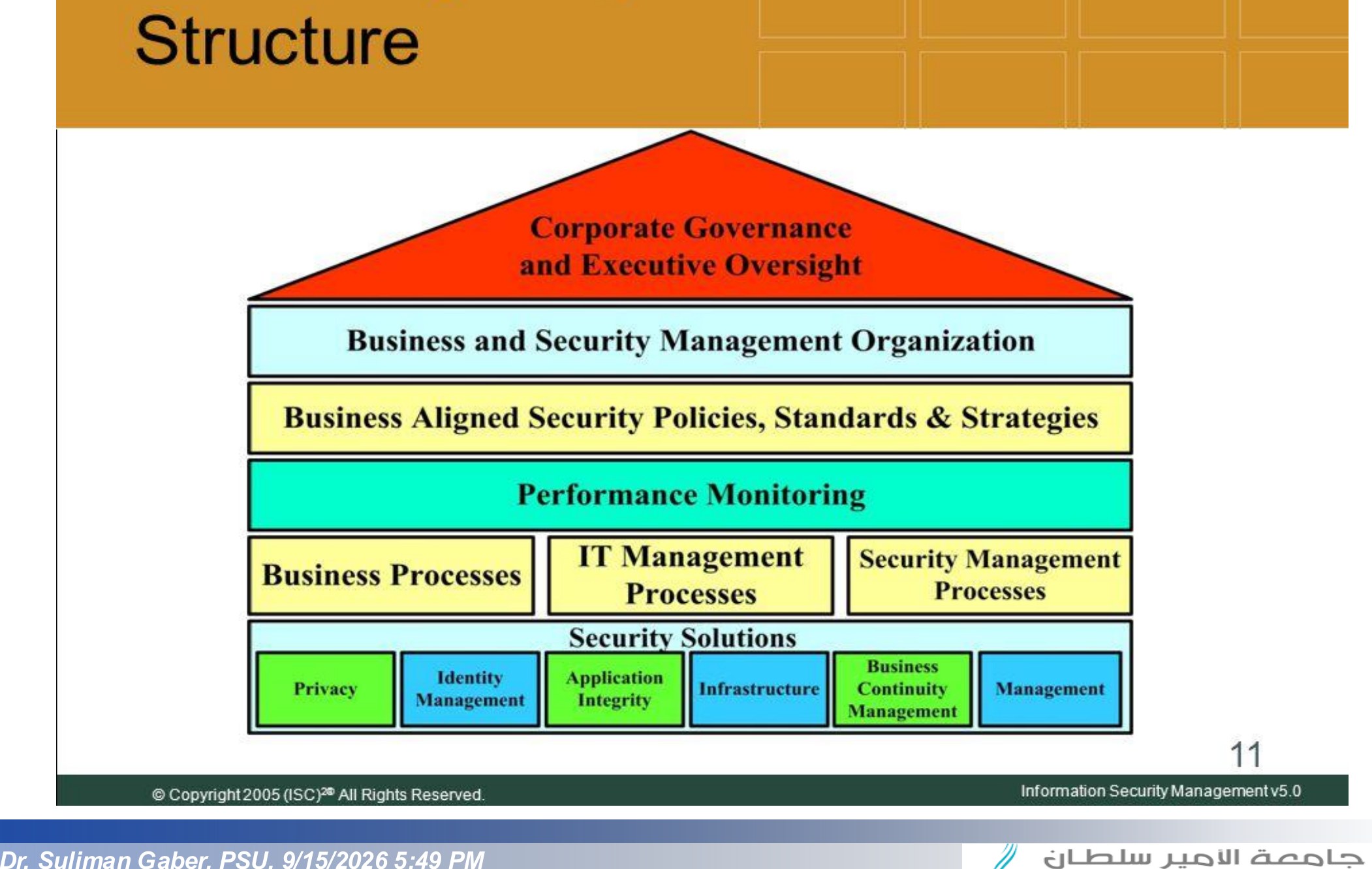
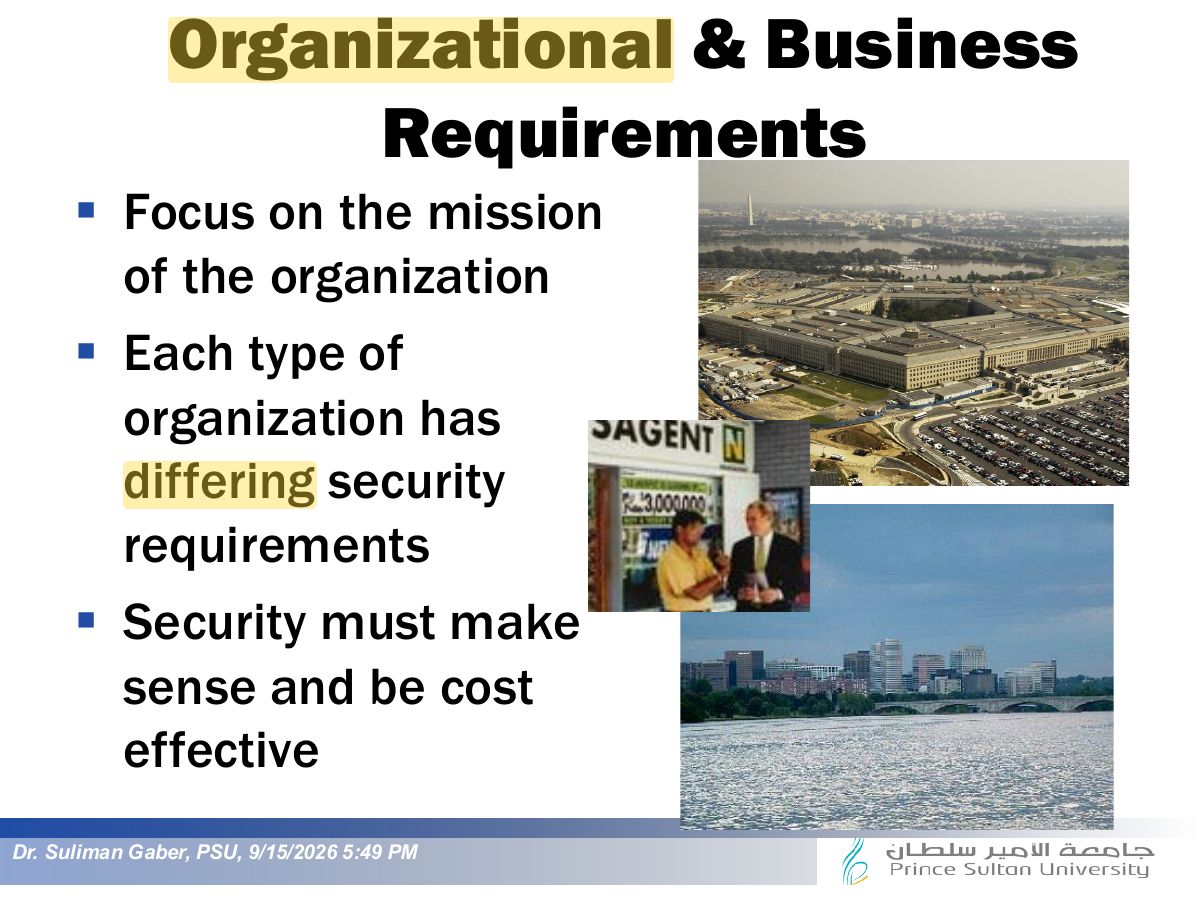
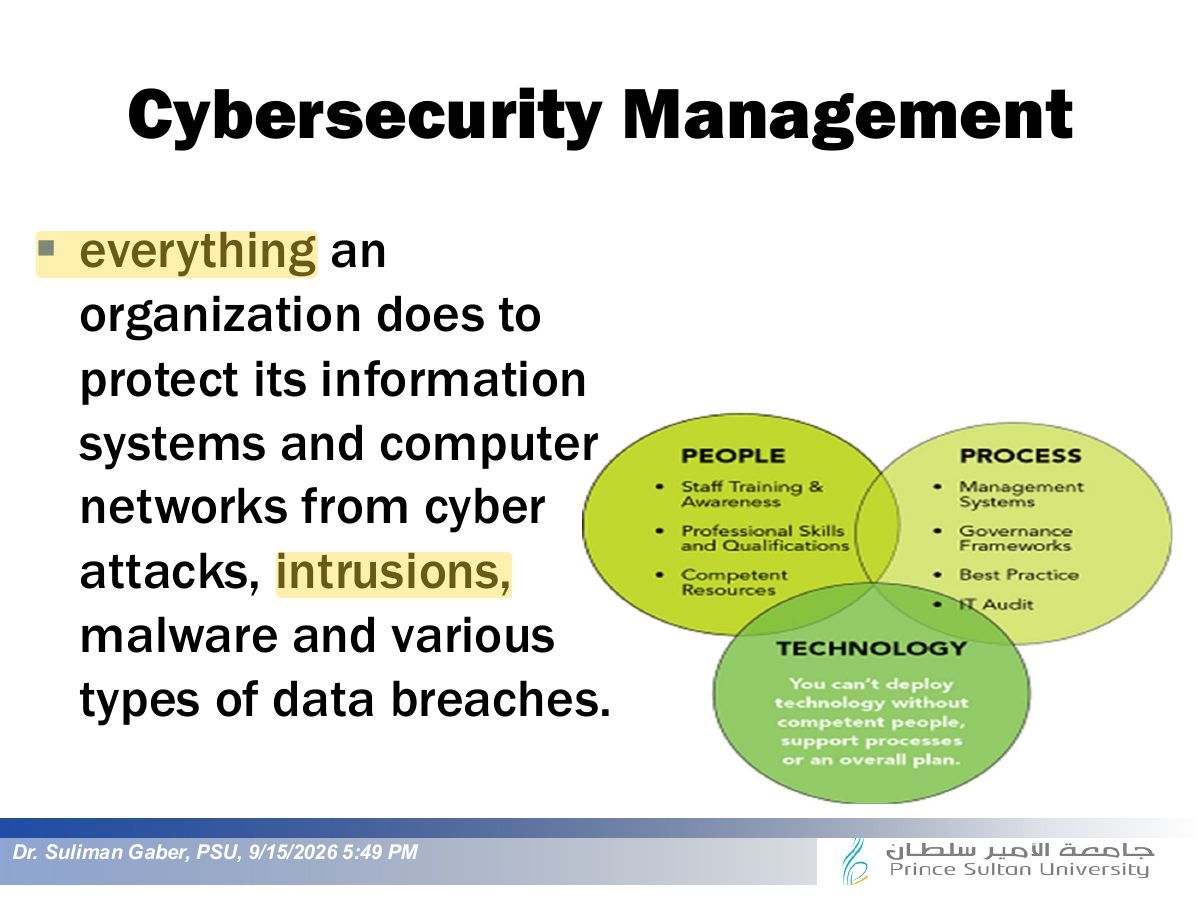
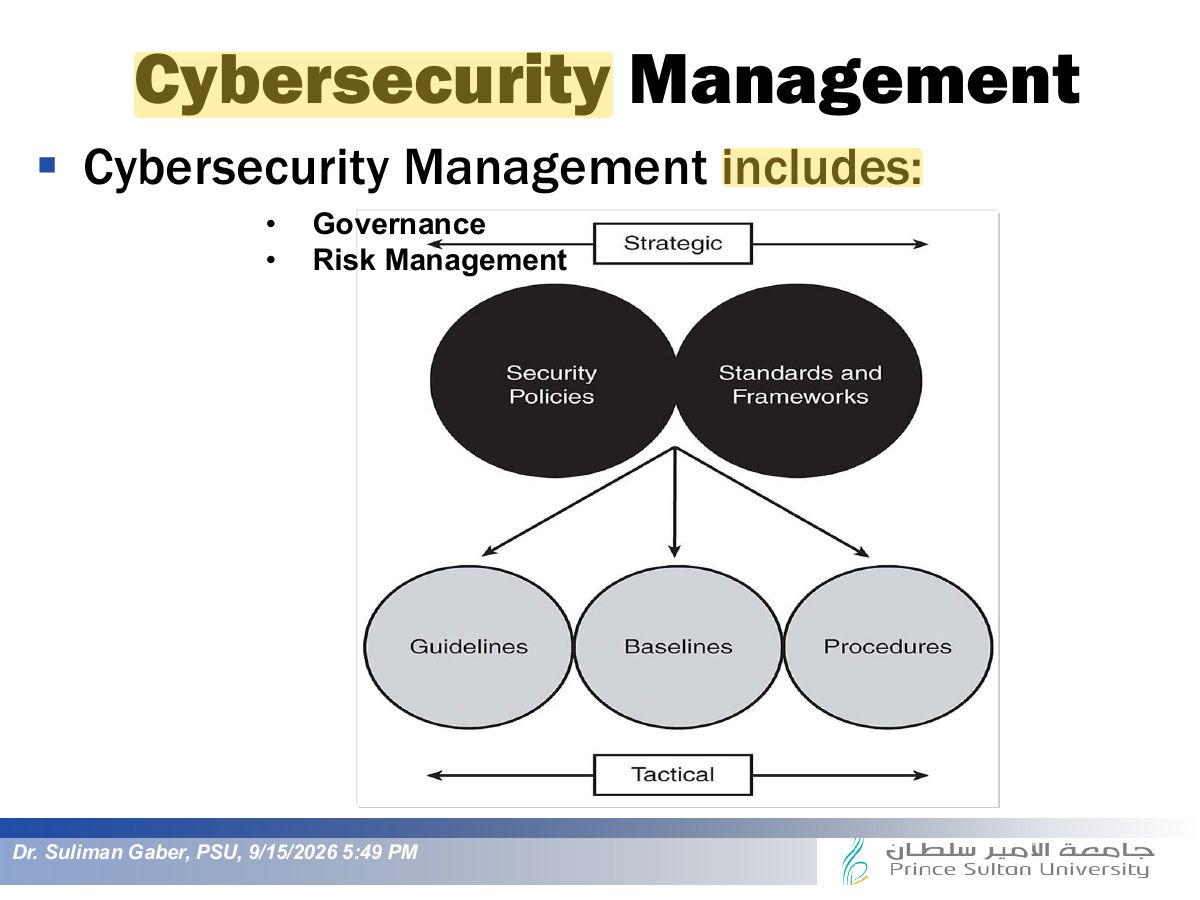
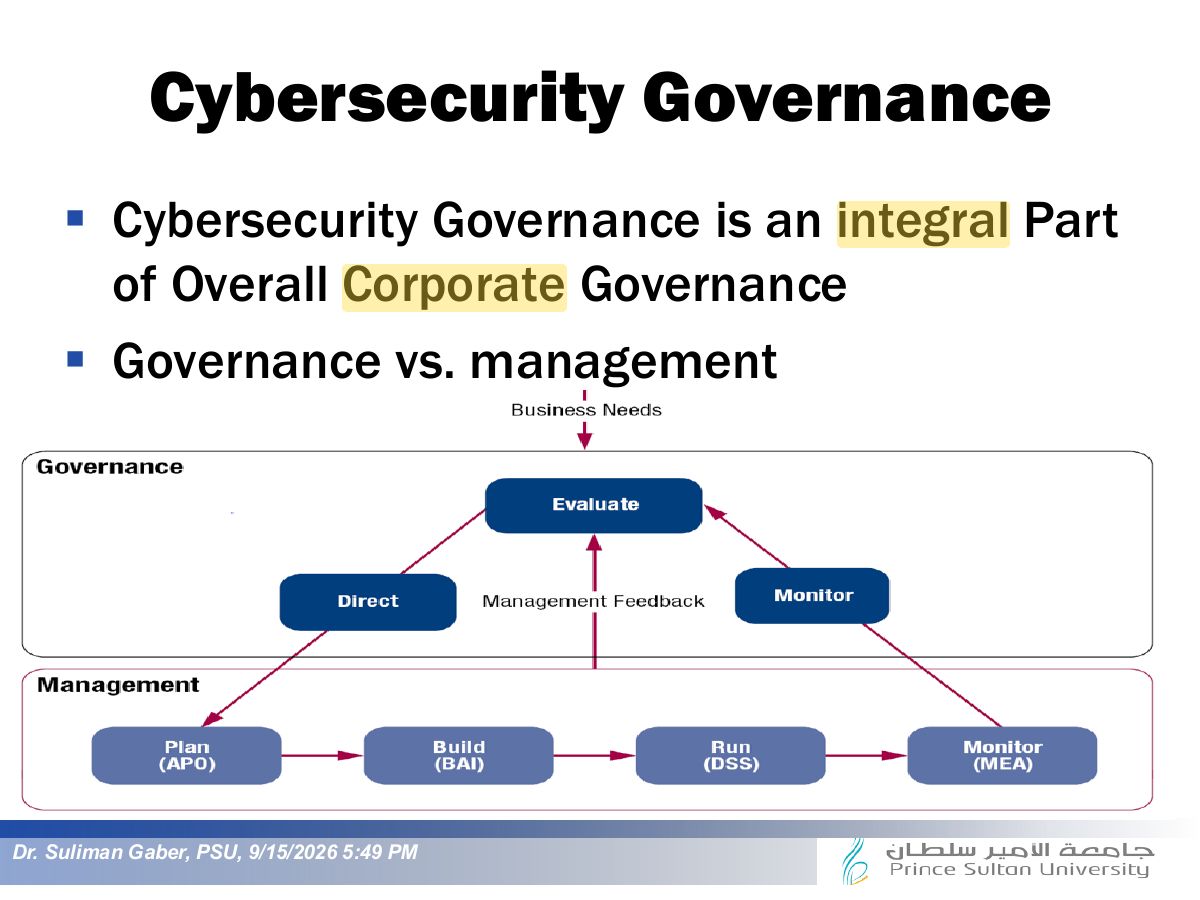
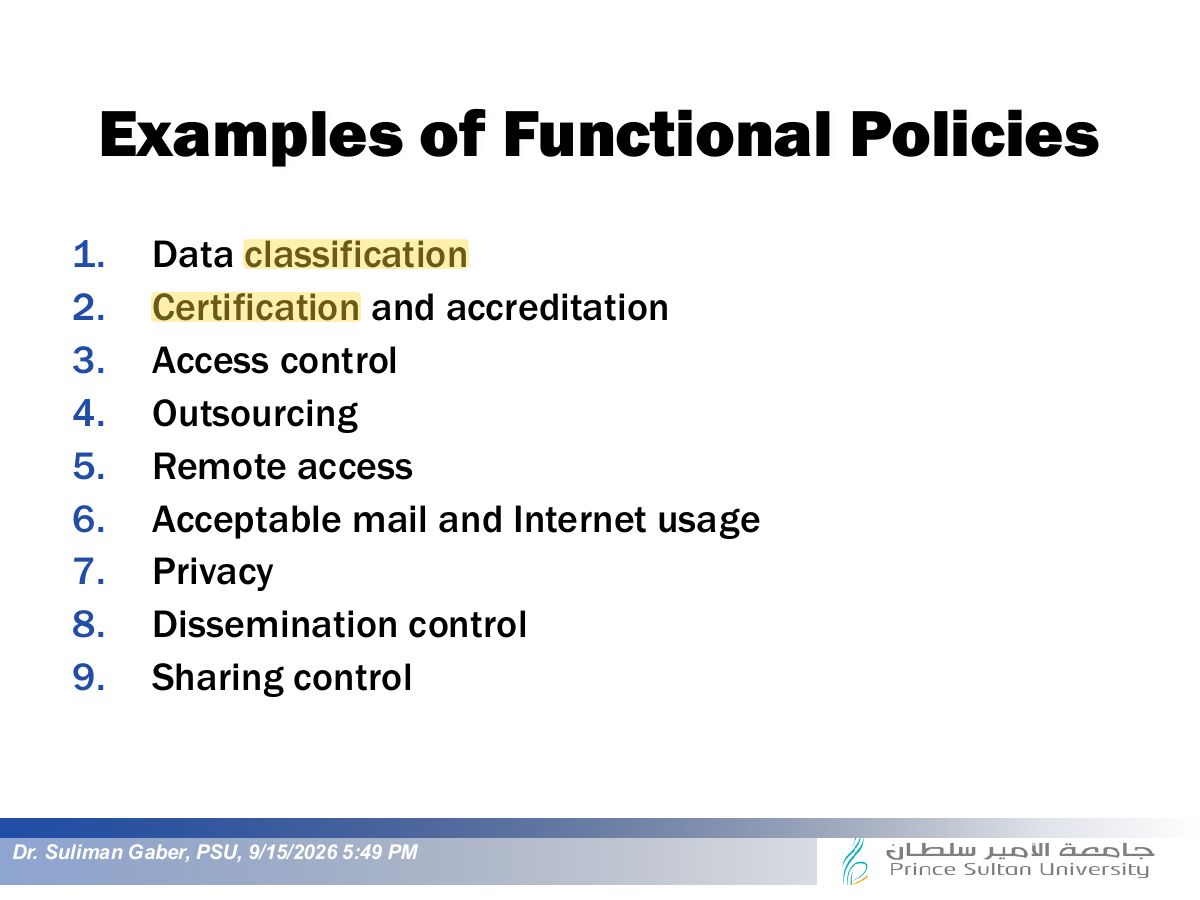
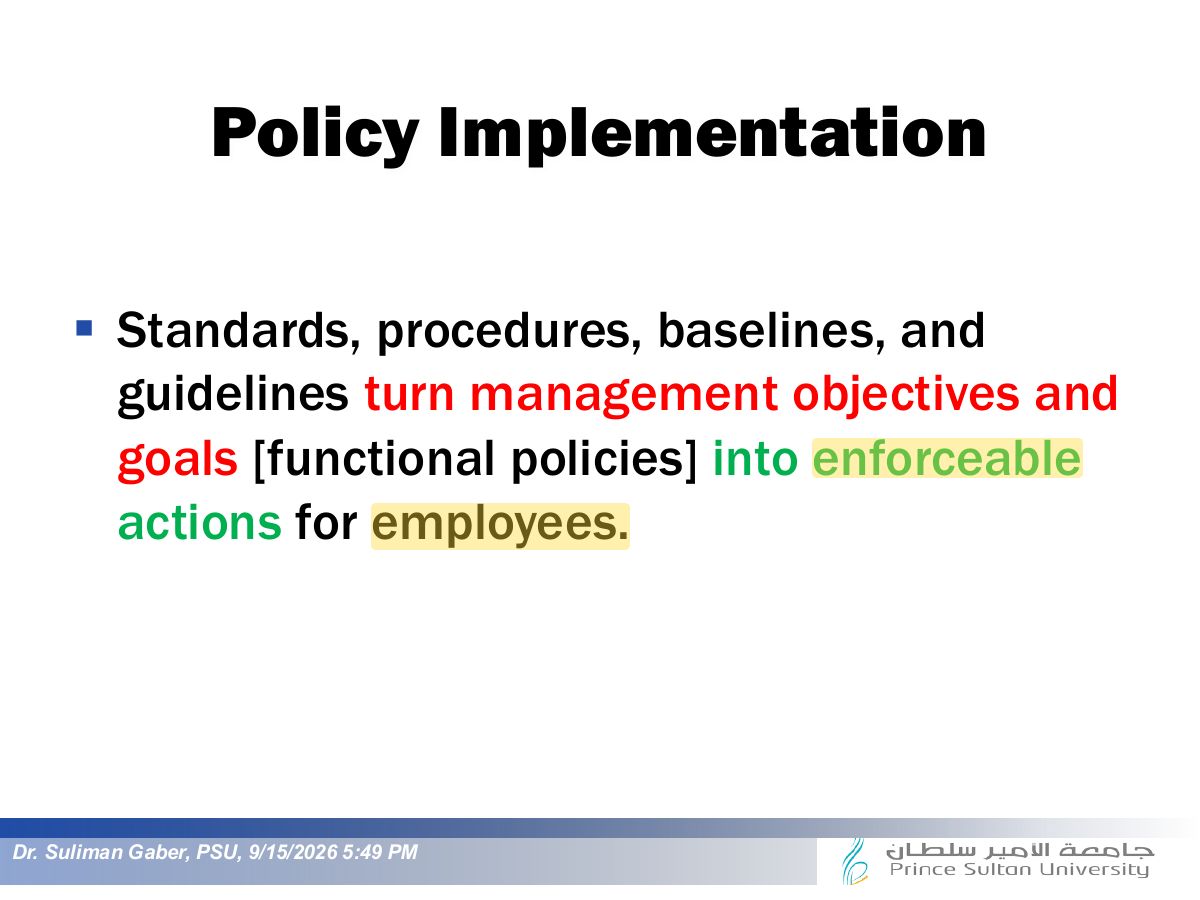
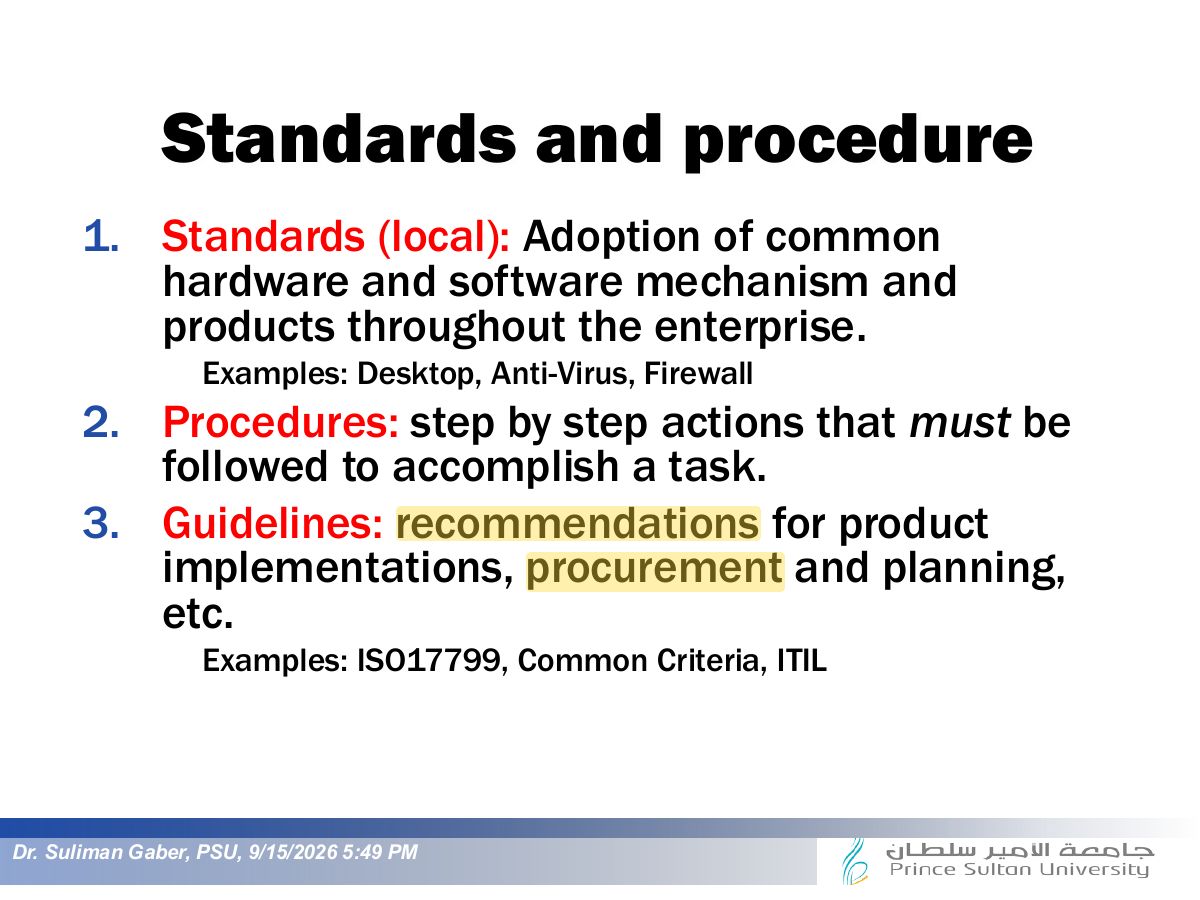
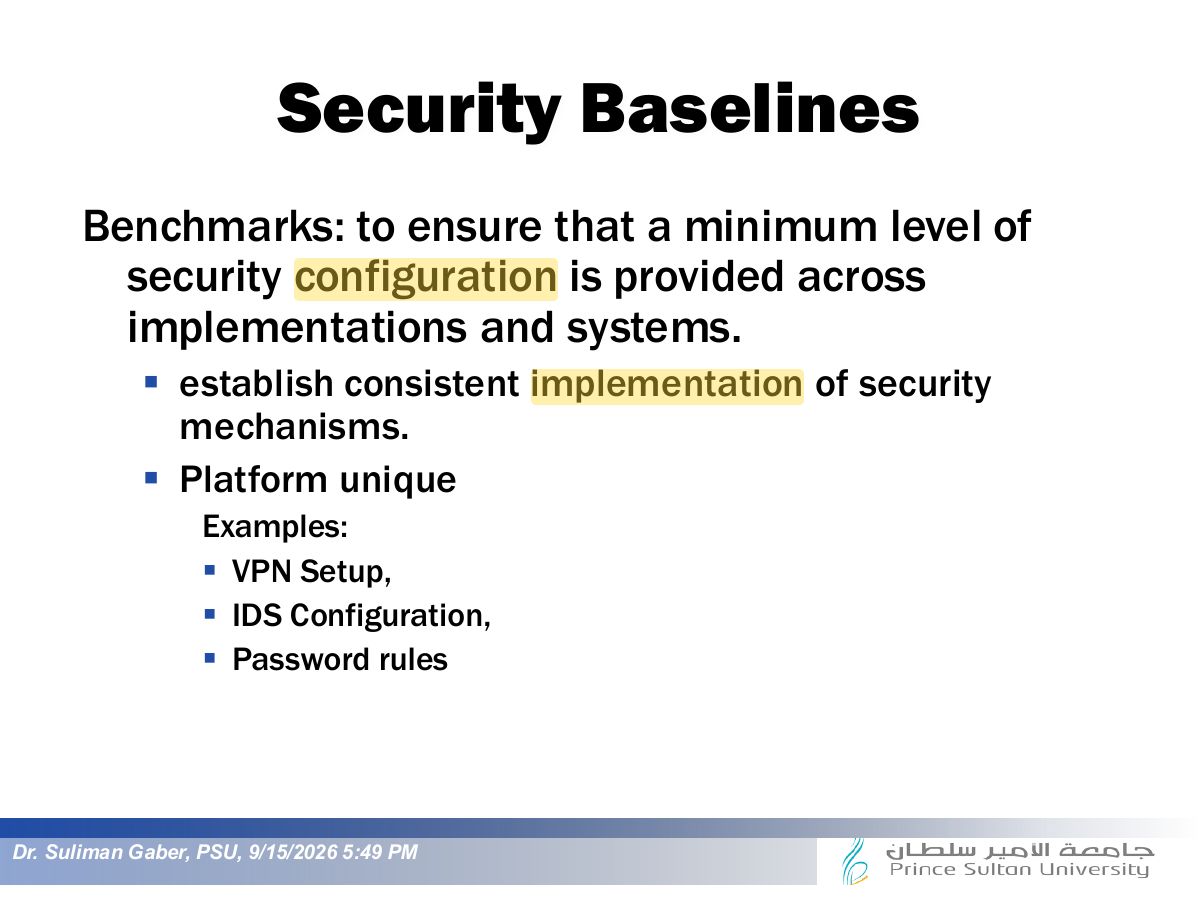
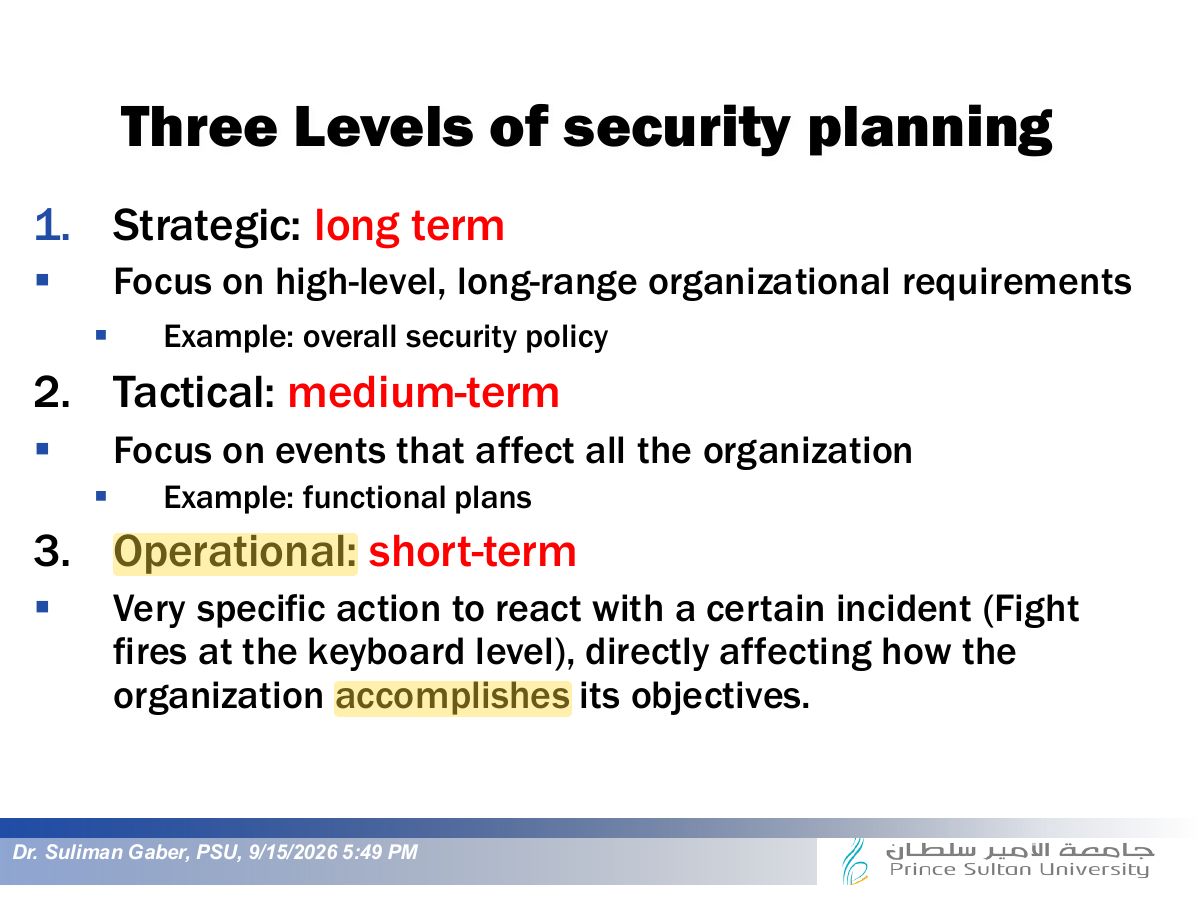
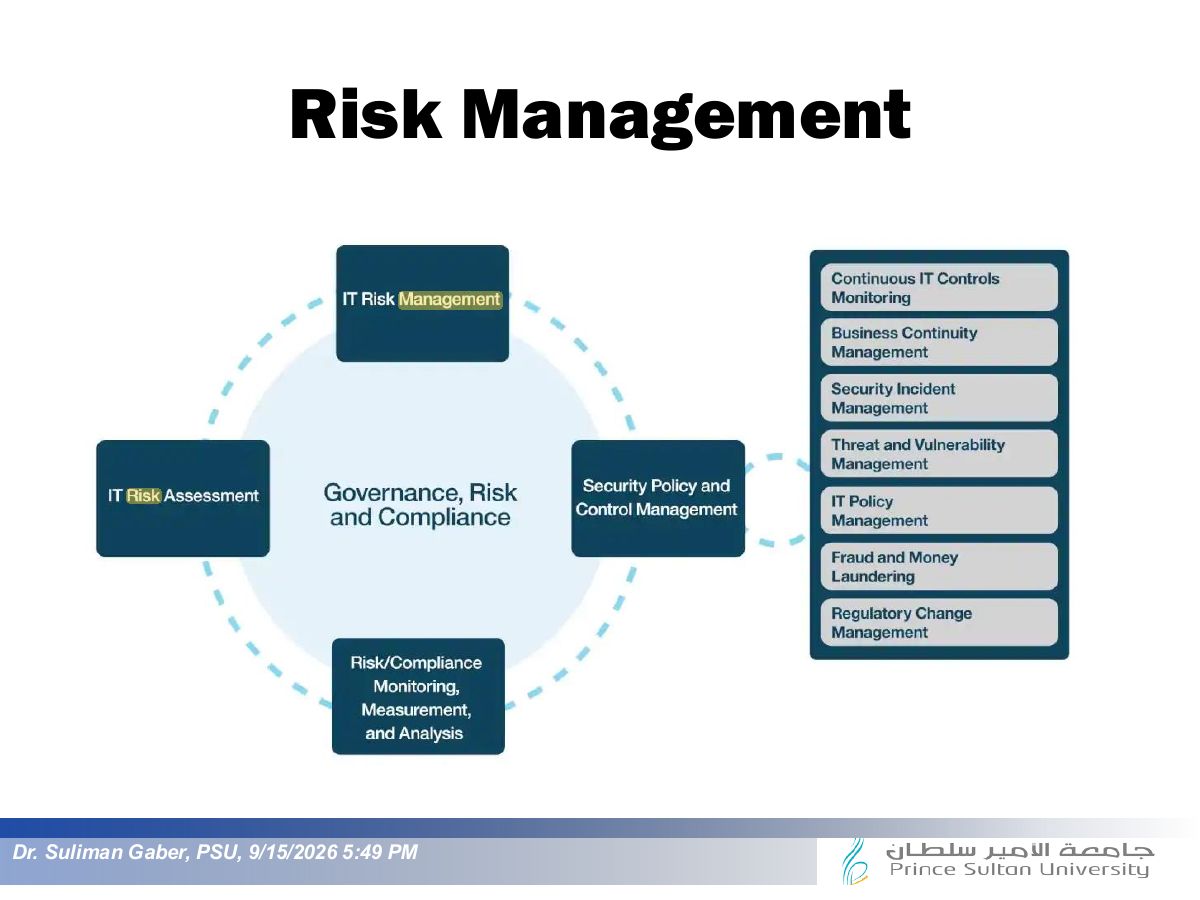
Why cyber risk matters to the business, IT risk vs. IT value (Risk IT, Val IT, COBIT), the CIA triad, business-driven security, cybersecurity management and governance, security blueprints, the policy hierarchy (policies, standards, procedures, baselines, guidelines) and planning horizons.
Asked in a real exam
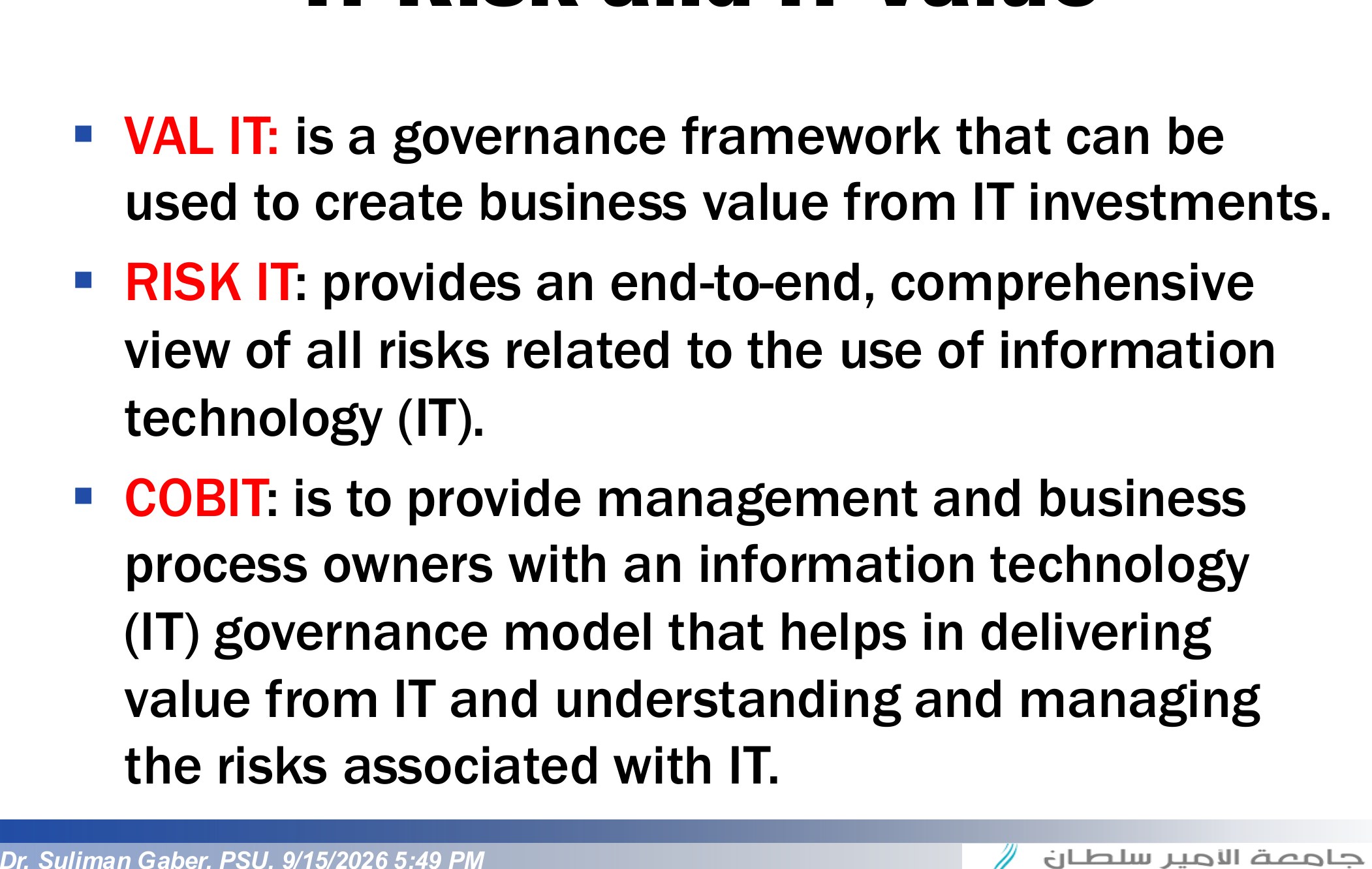
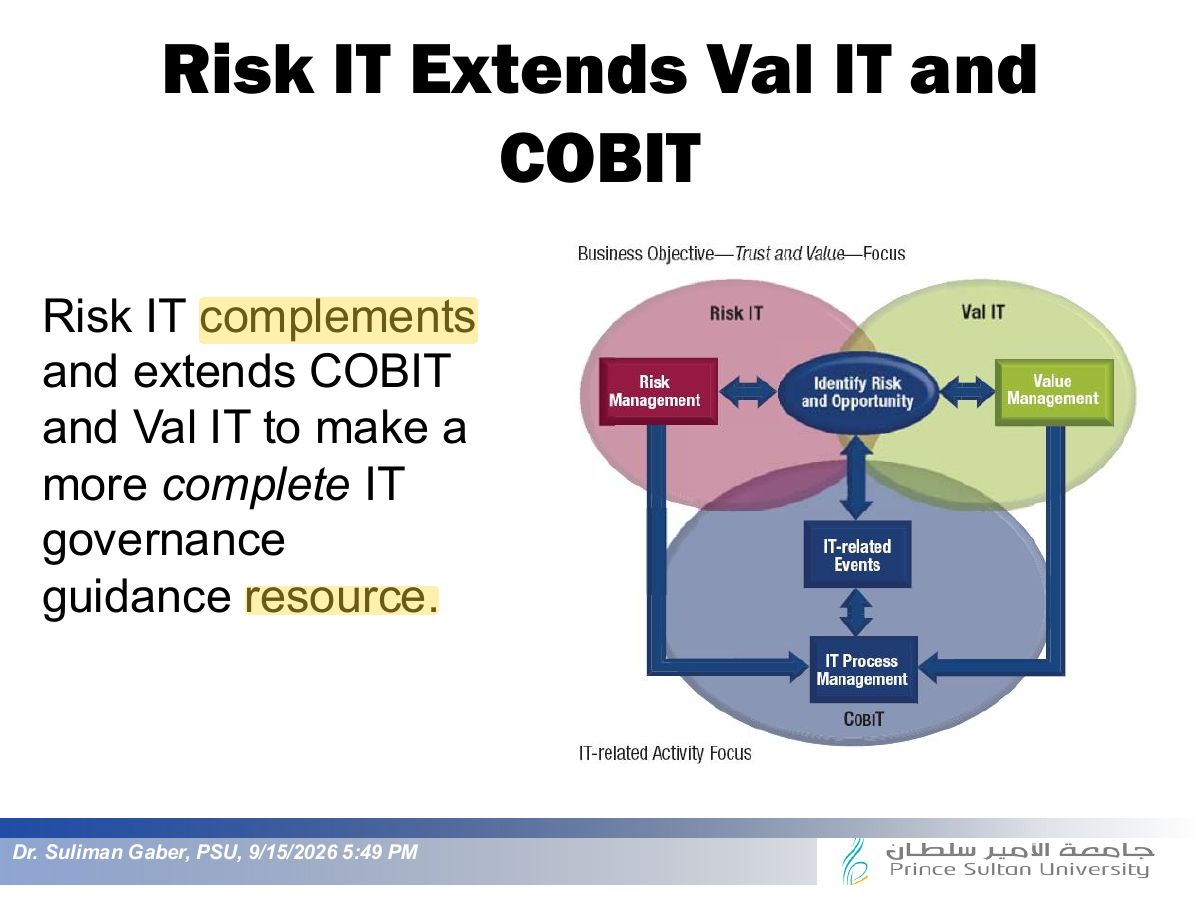
Which framework helps organizations with regulatory compliance, risk management and aligning IT strategy with business goals?
Correct: COBIT.
Asked in a real exam
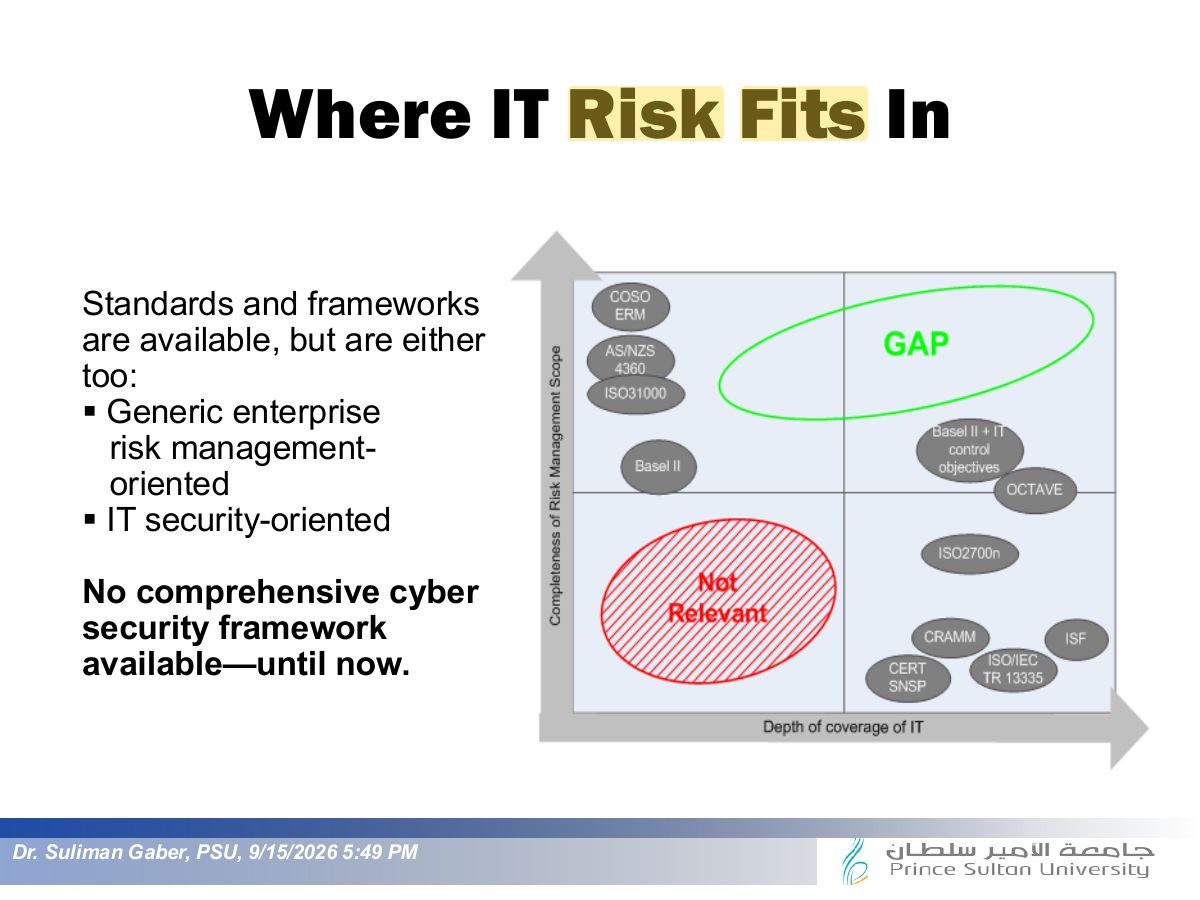
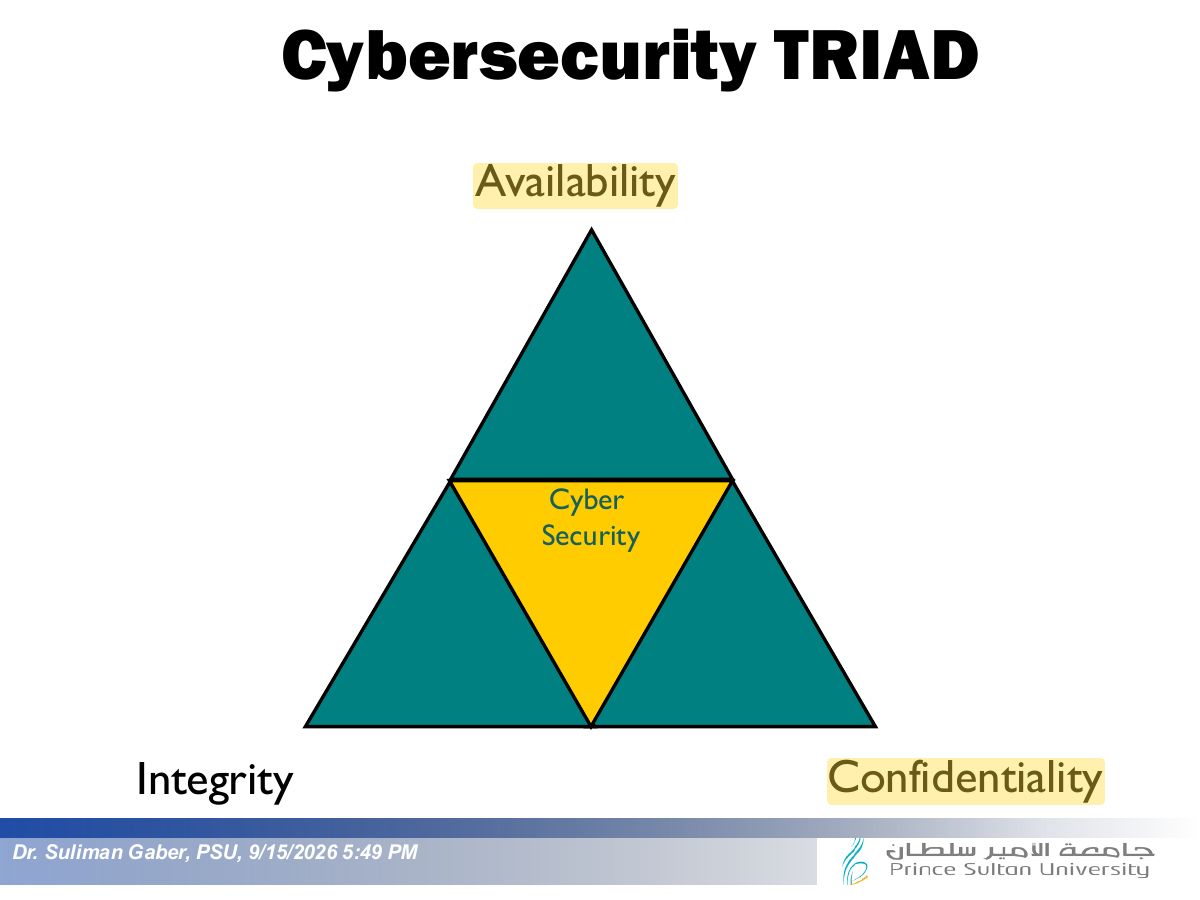
Making sure only those who are supposed to access the data can access it is:
Correct: Confidentiality.
Asked in a real exam
The most important factor in ensuring security succeeds in an organization is:
Correct: Senior management support.
Asked in a real exam
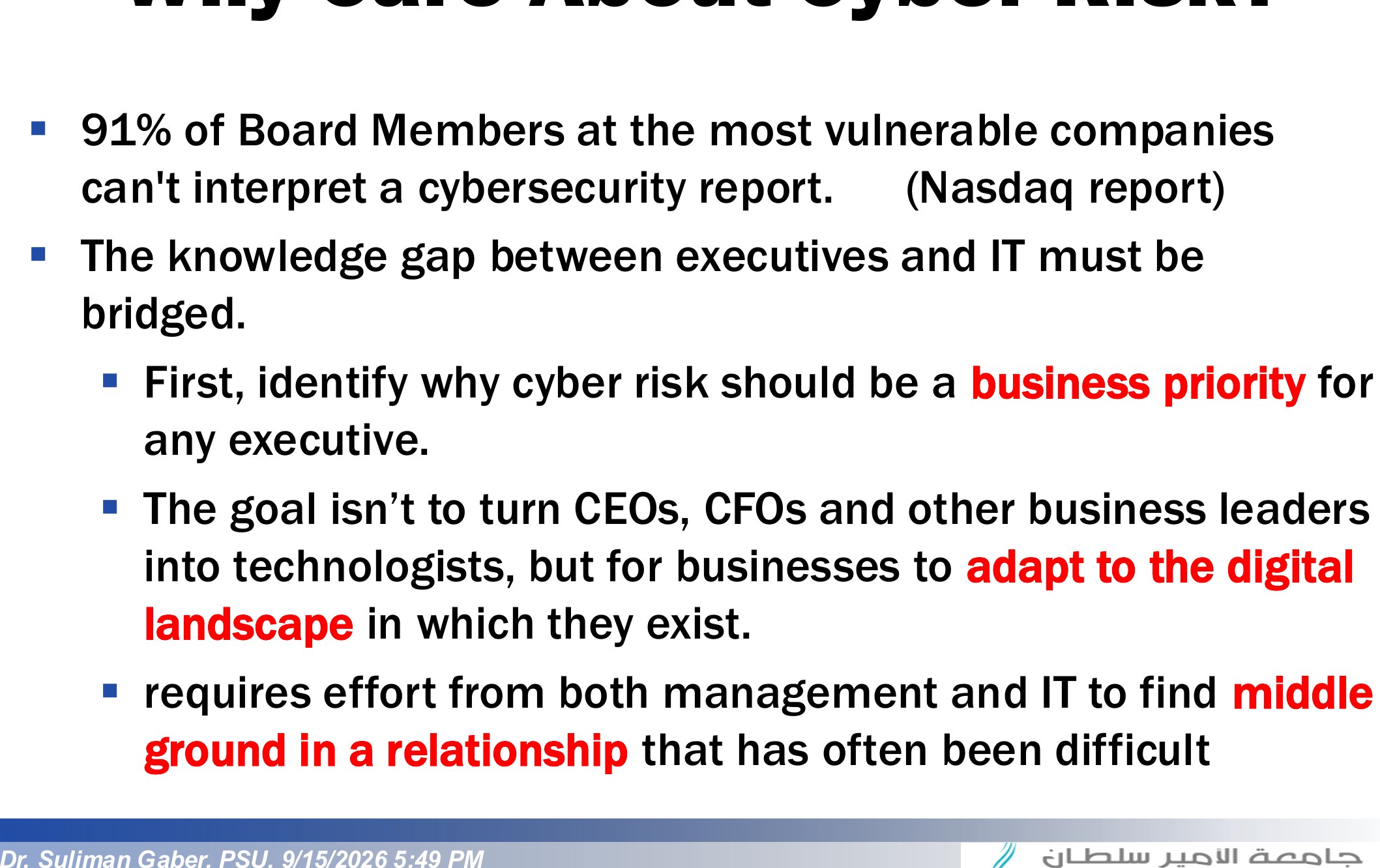
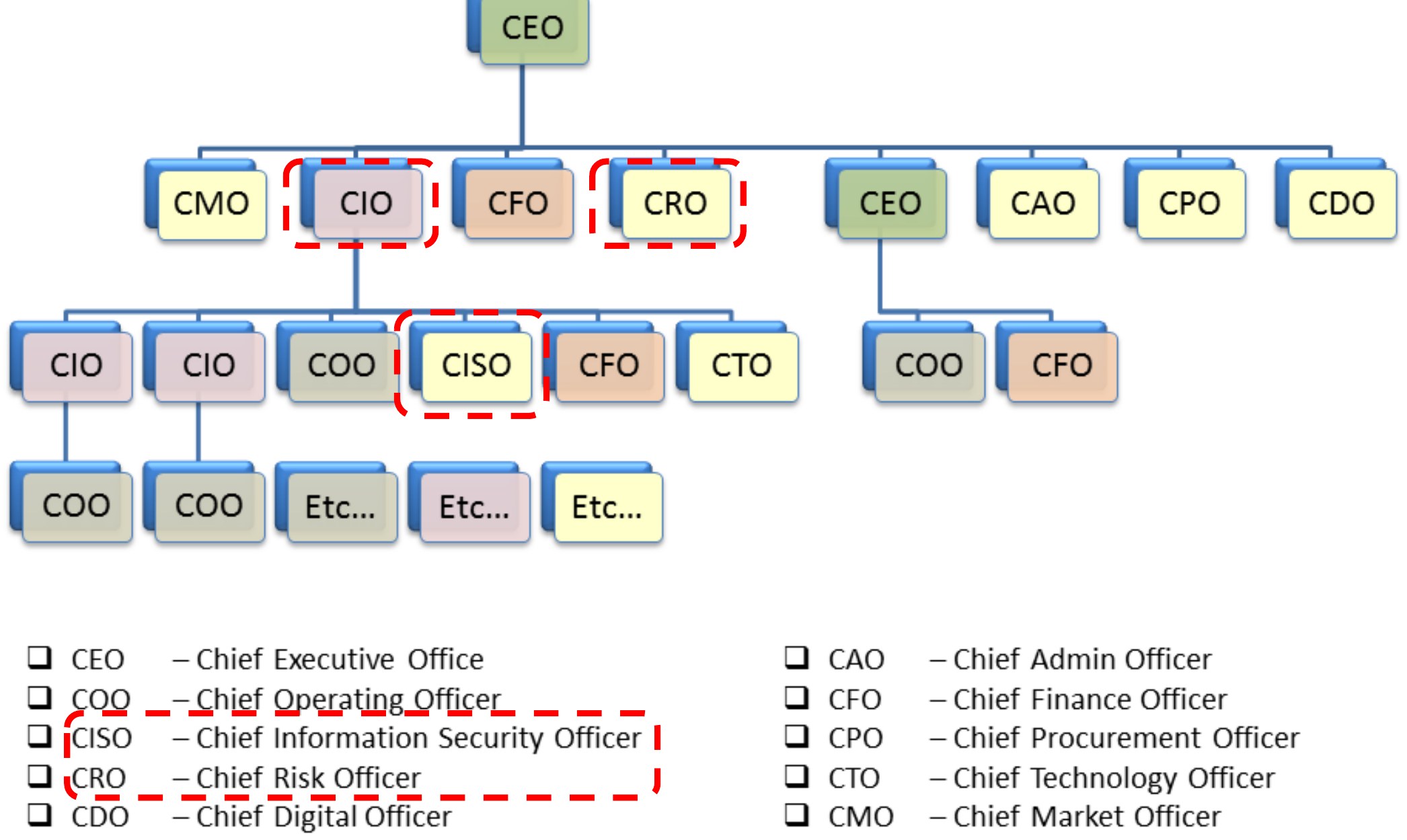
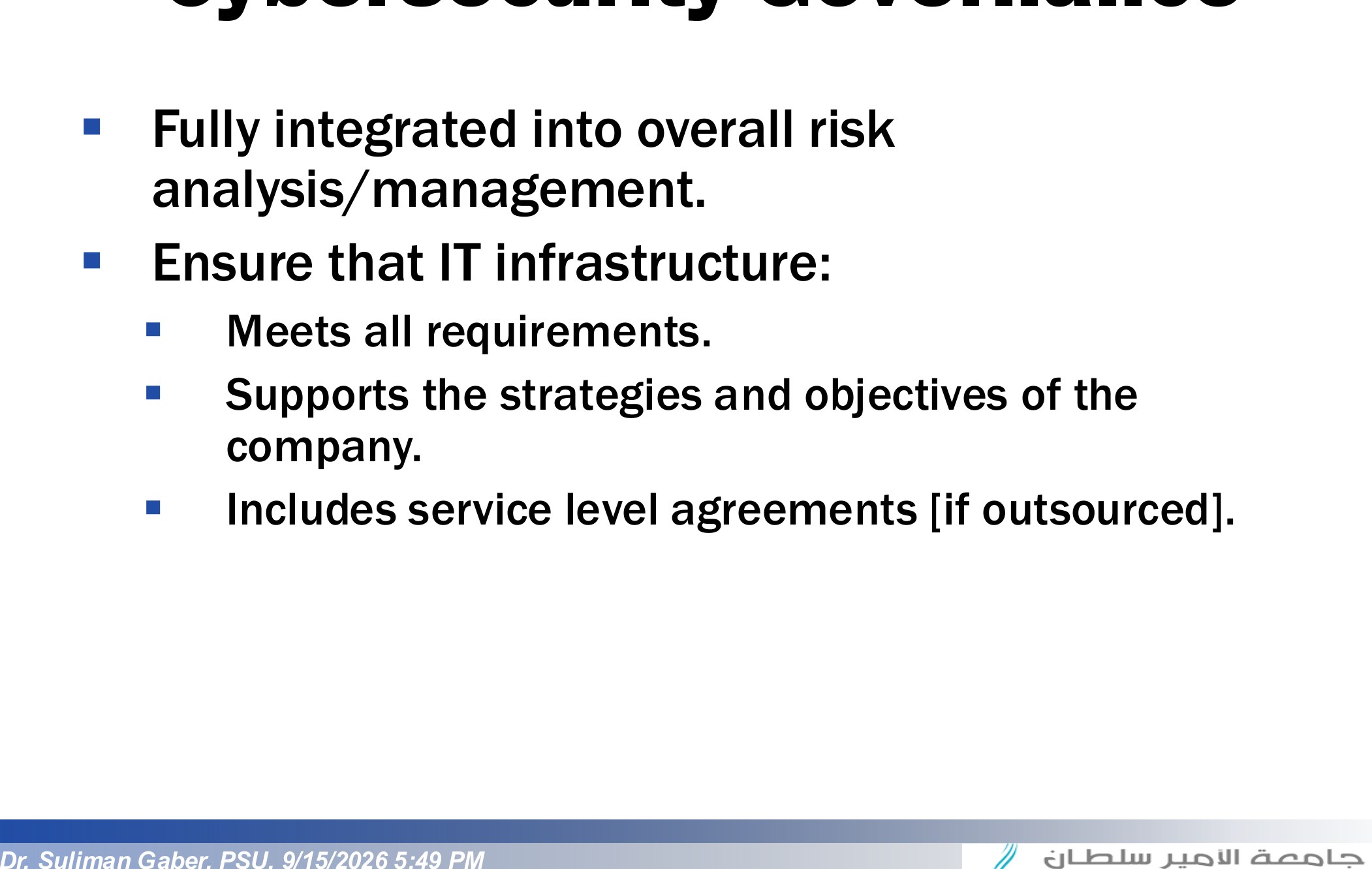
Why should executives and IT/security teams communicate well?
Executives own the business risk and the budget; IT/security understand the threats and controls. Without shared understanding, security spending won’t match business priorities and executives can’t make informed risk decisions.
Asked in a real exam
Who has primary responsibility for determining the classification level of information?
Correct: The data owner.
Who should measure the effectiveness of information-security controls?
Correct: IS auditors.
Asked in a real exam
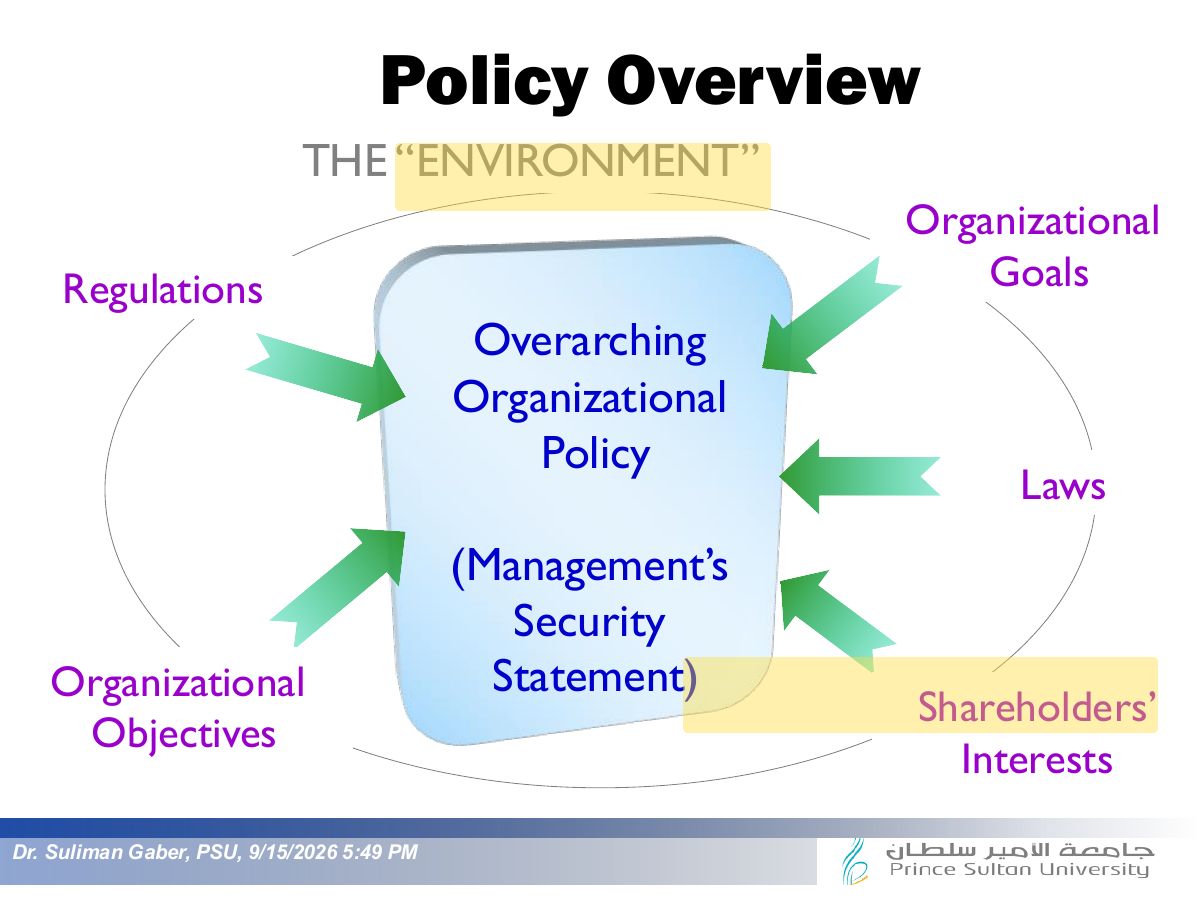
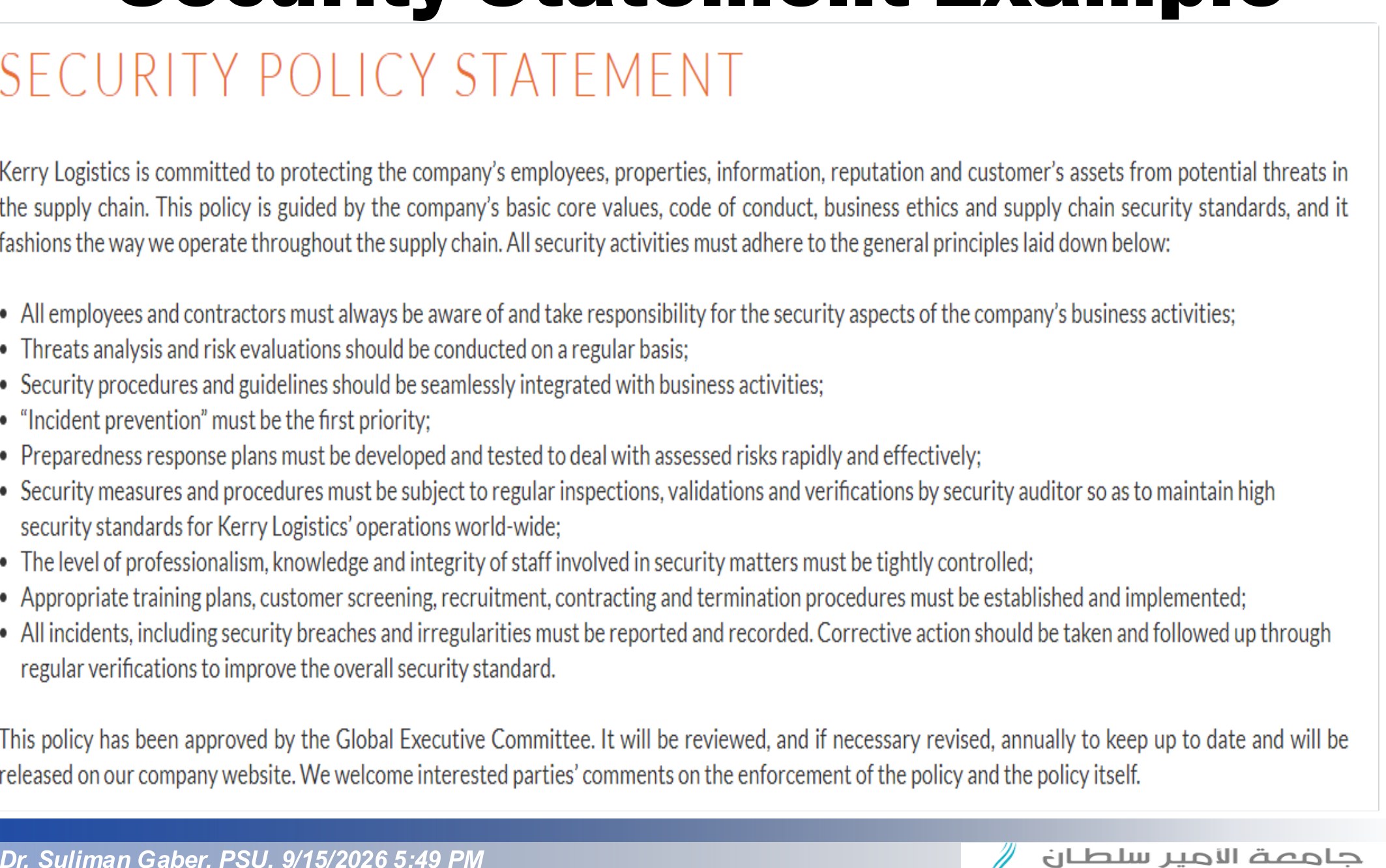
Security policies are best described as:
Correct: High-level statements of management’s intent.
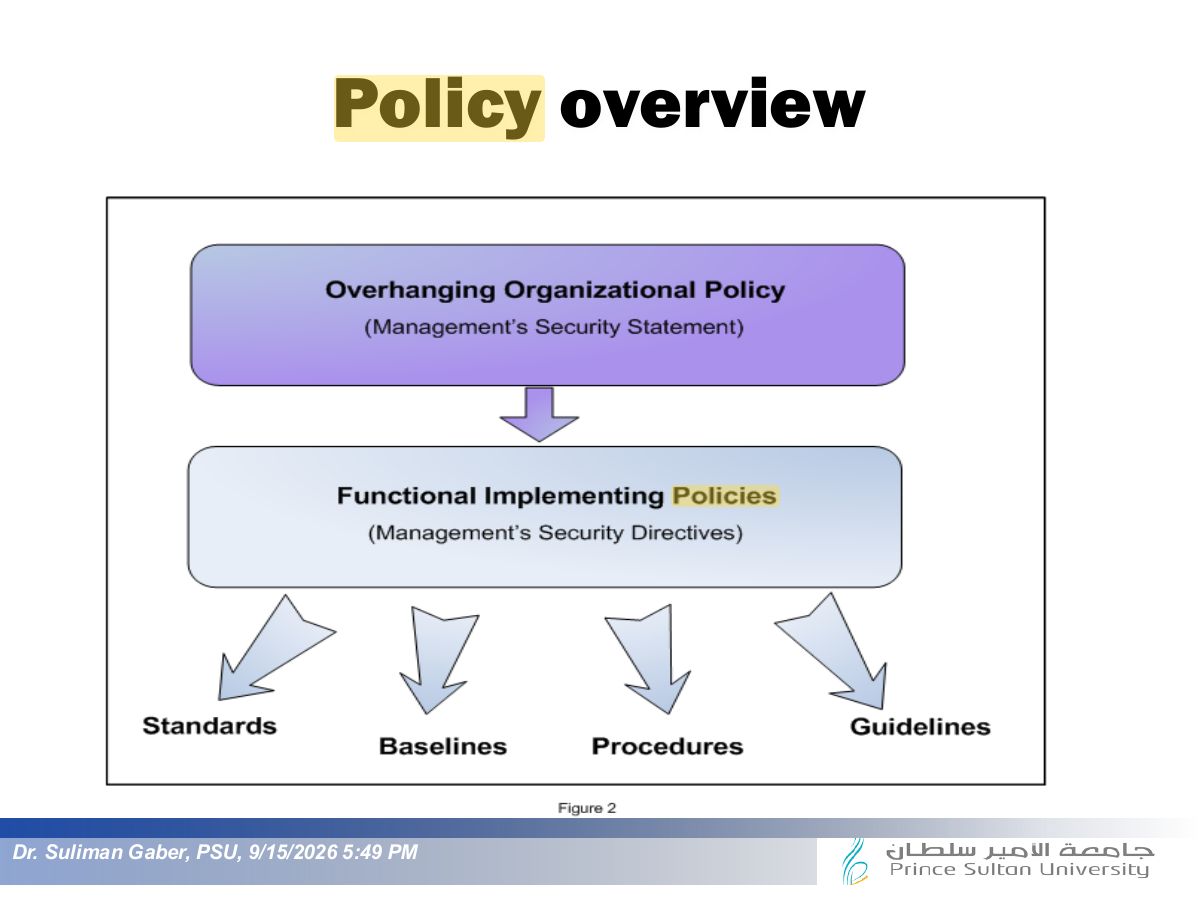
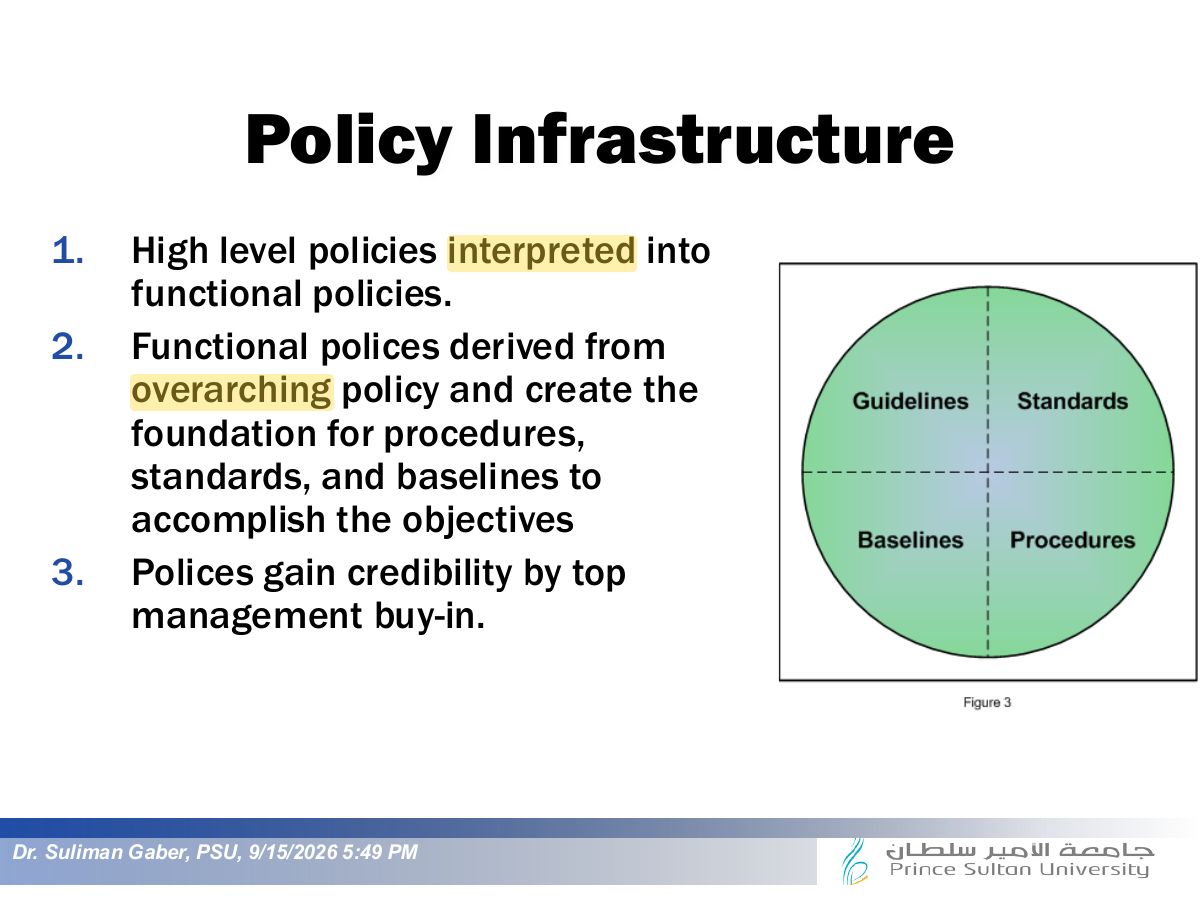
Detailed step-by-step instructions for a task are:
Correct: Procedures.
Recommended but optional actions are:
Correct: Guidelines.
Asked in a real exam
A short-term security plan with a one- to six-month horizon is:
Correct: Operational.
Asked in a real exam
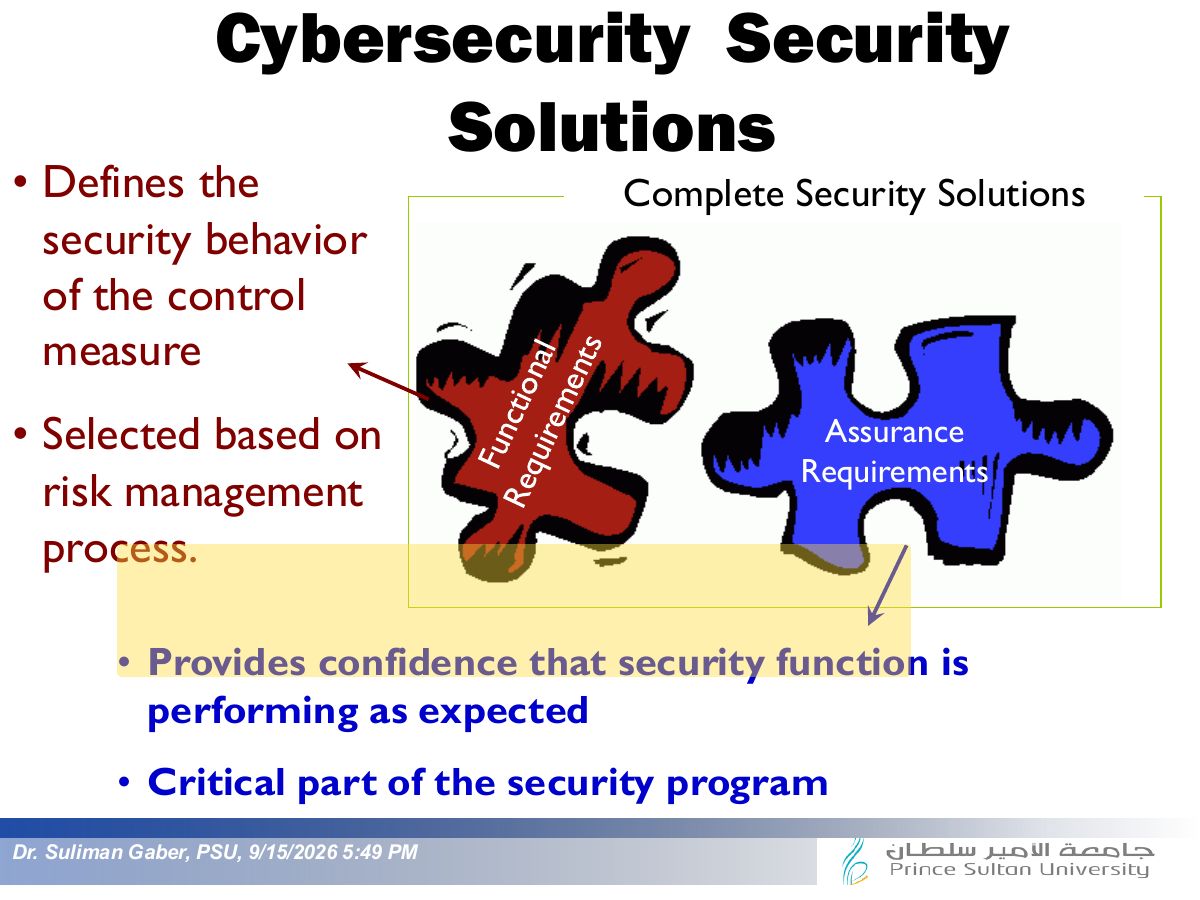
Security functionality defines what a mechanism does; assurance defines:
Correct: The degree of confidence that it works as expected.
No slides match this filter.