CYS401 · Annotated SlidesChapter 1 — Introduction to Cybersecurity
Chapter 1 · Annotated slides

Introduction to Cybersecurity

What cybersecurity is, defence in depth and the layers of security, the critical characteristics of information (C.I.A. plus accuracy, authenticity, utility, possession), the McCumber cube, the components of an information system, and the SDLC vs. the SecSDLC. Both Quiz 1 papers (222 and 232) and Major A were built almost entirely from this deck.

Slide text Study notes Highlight: key words Tips, tricks & traps Seen again elsewhere How it can come up

Cyber Security: Introduction

CYS401 · Lecture 1
1
TipCharacteristics of information: Confidentiality (no disclosure) · Integrity (accurate, complete, unaltered) · Availability (access when needed) · Accuracy (no errors, the value expected) · Authenticity (genuine, as originally created) · Utility (useful for a purpose) · Possession (ownership/control).
Outline

What is security?

  • Critical characteristics of information,
  • Components of an Information System,
  • The system development life cycle,
  • The security system development life cycle.
Outline
2
Exam weight Low
  1. What is security → characteristics of information → components of an IS → SDLC → SecSDLC.
Slide 3: ICE-BREAKING
Exam weight Low
  1. Ice-breaker quiz (Pew Research cybersecurity knowledge quiz).
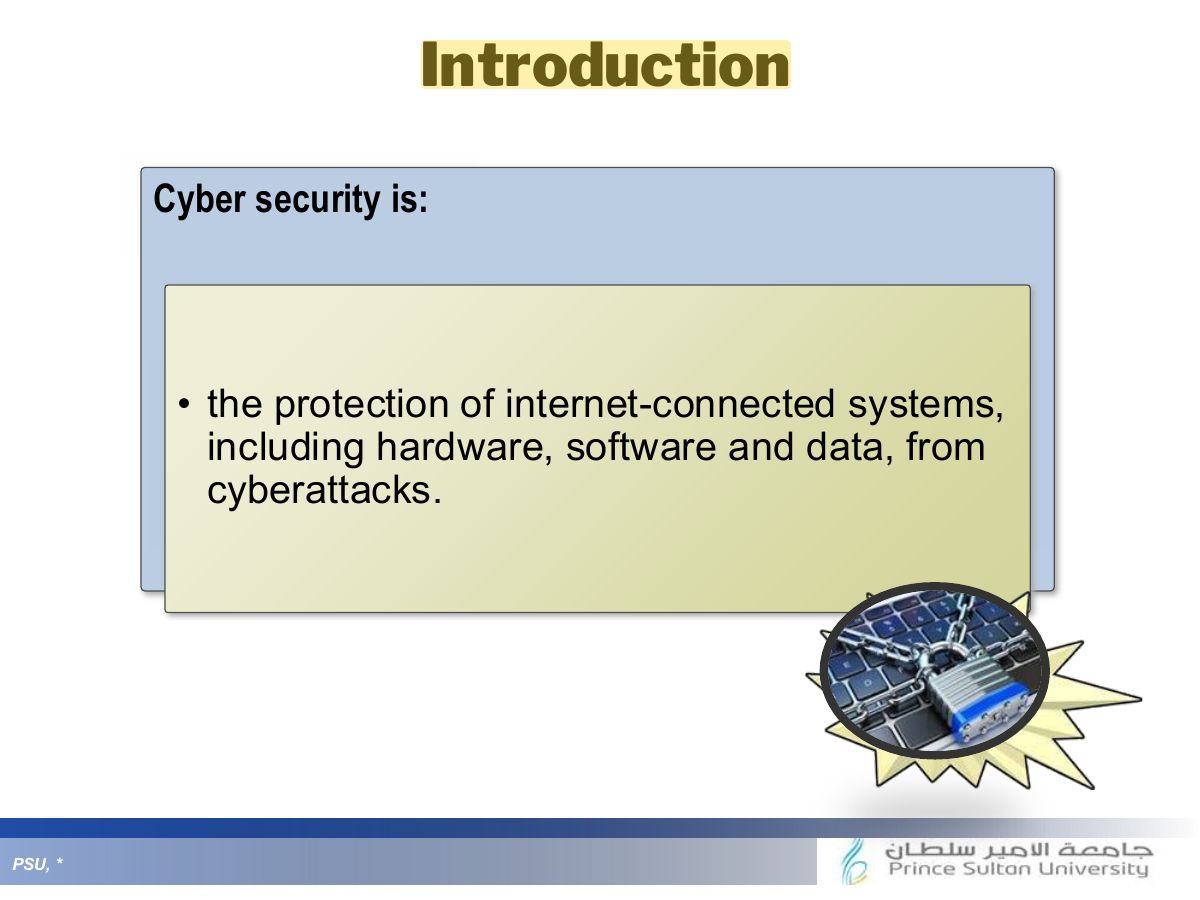
Slide 4: Introduction
Exam weight Low
  1. Why cybersecurity matters: everything is connected, attacks are constant and costly.
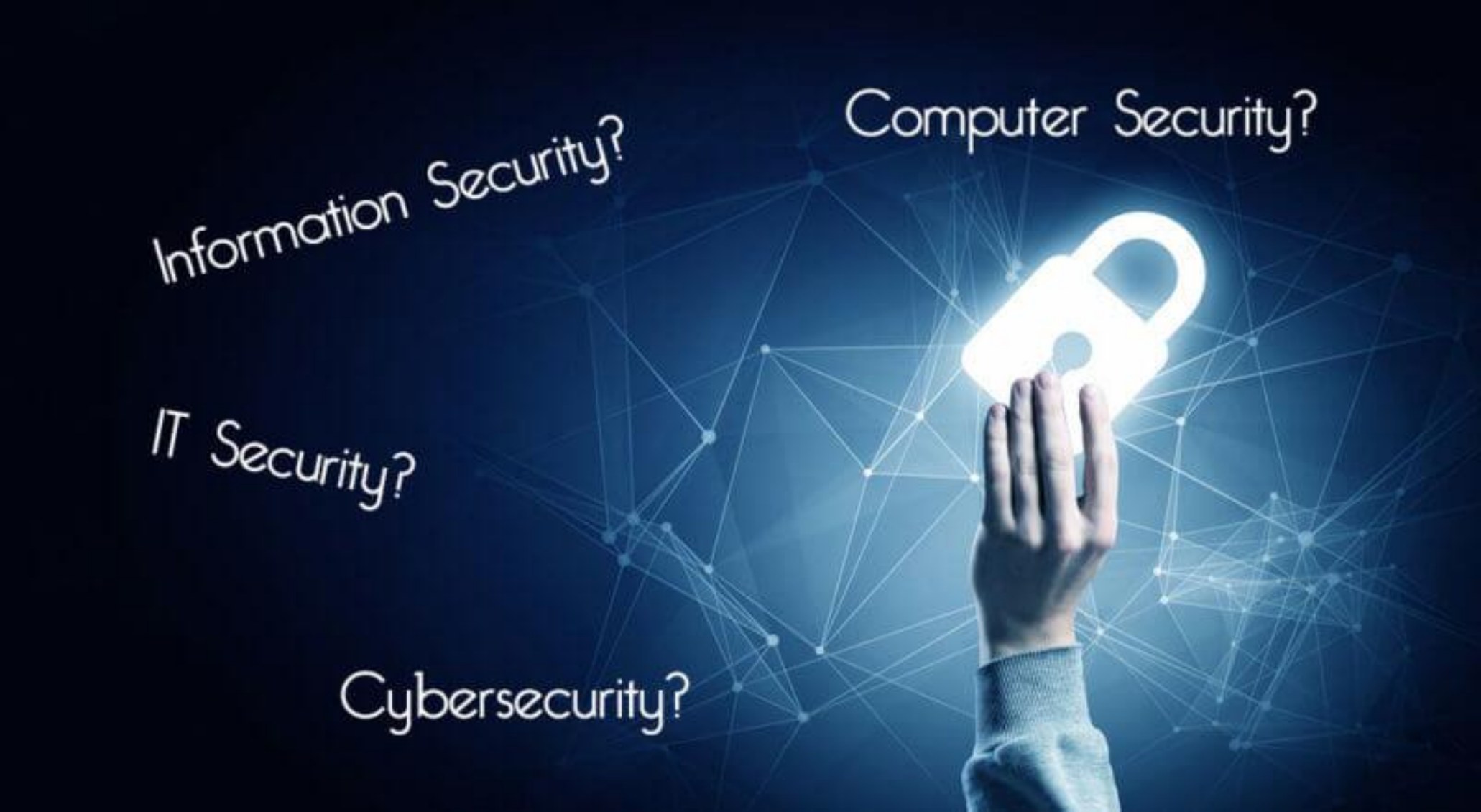
GETTING STARTED!

GETTING STARTED!
5
Exam weight Low
  1. Getting started.

Introduction

Introduction
6
Exam weight Medium
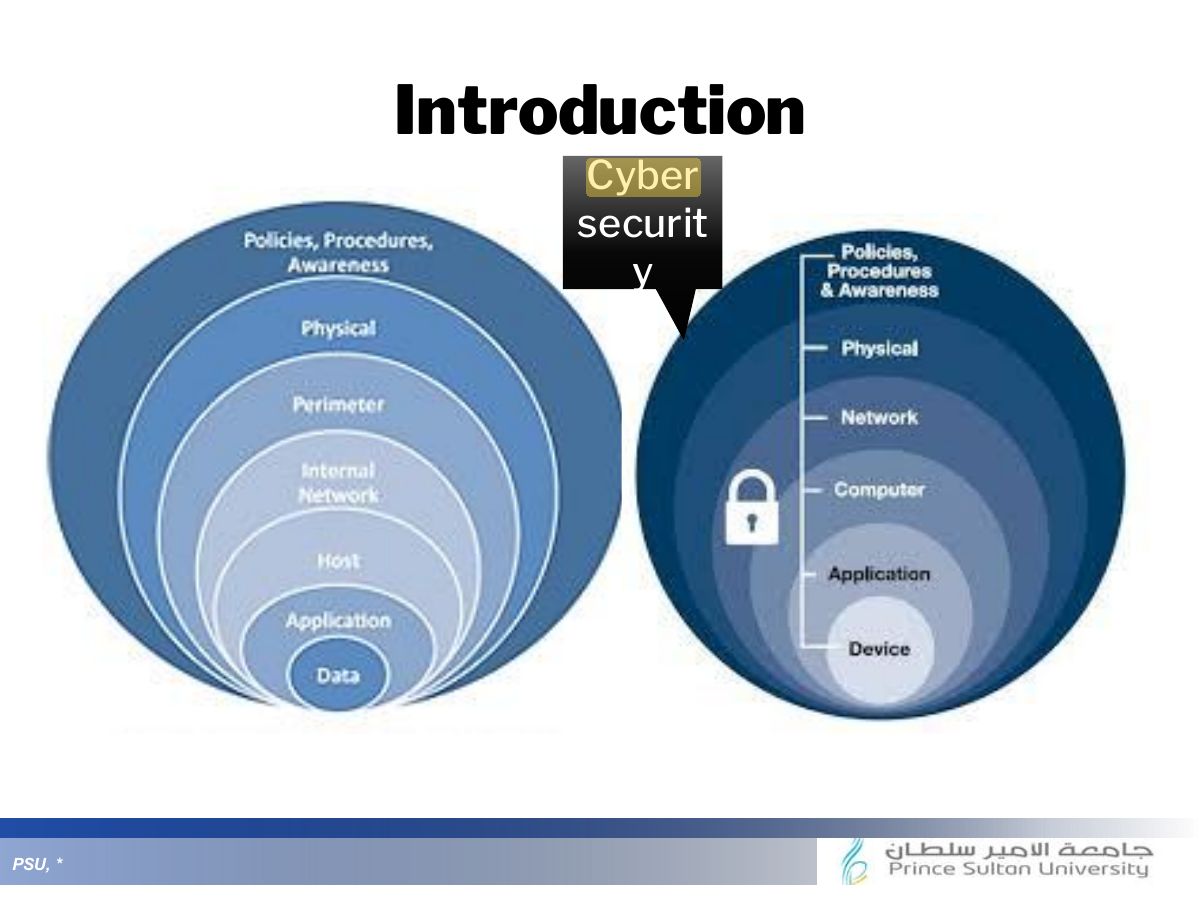
  1. Cybersecurity = protecting systems, networks and data from digital attacks.

Related real-exam questions
Slide 7: Introduction
Exam weight Low
  1. “Cyber” = anything related to computers, networks and the internet (ICT = Information and Communication Technology).
Slide 8: Introduction
Exam weight Low
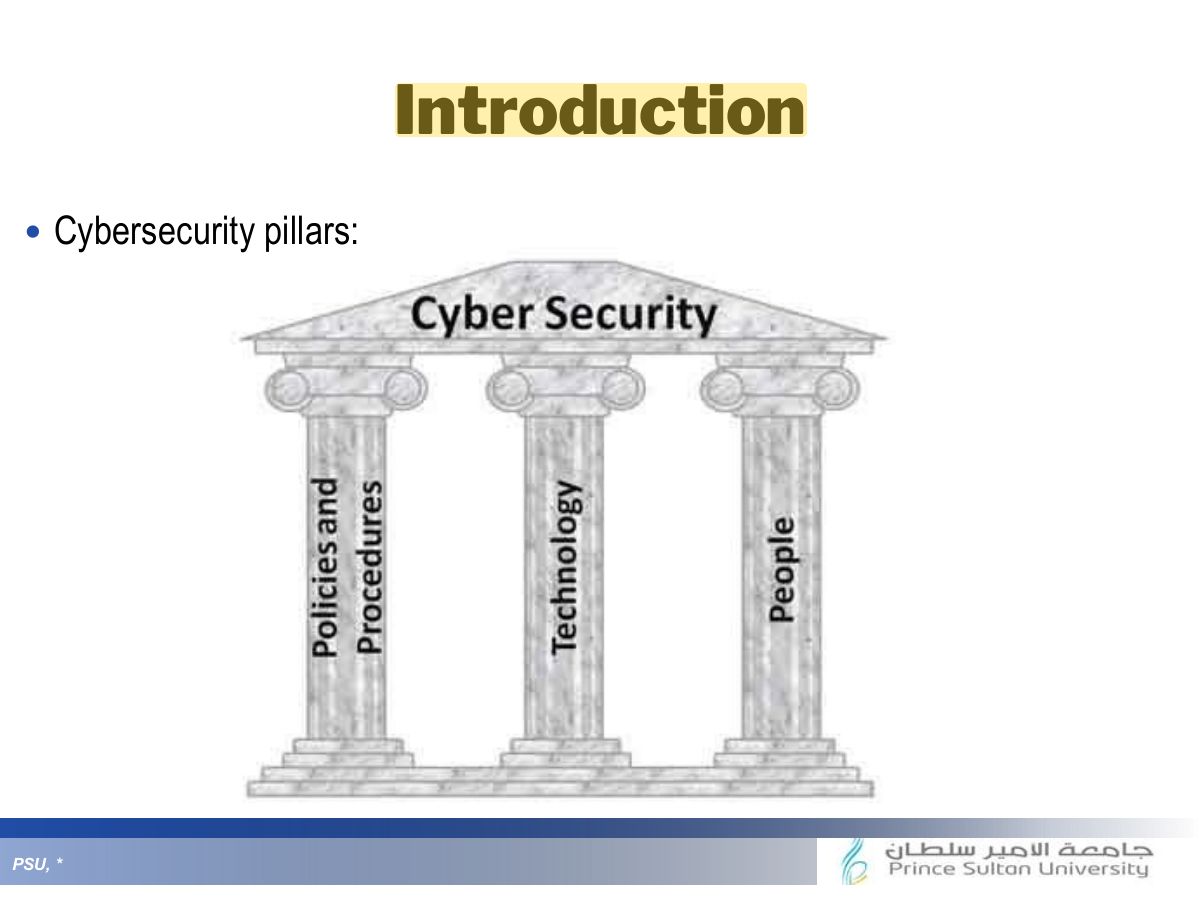
  1. Security is a process, not a product.
★ Past exam
Slide 9: Introduction
Exam weight High
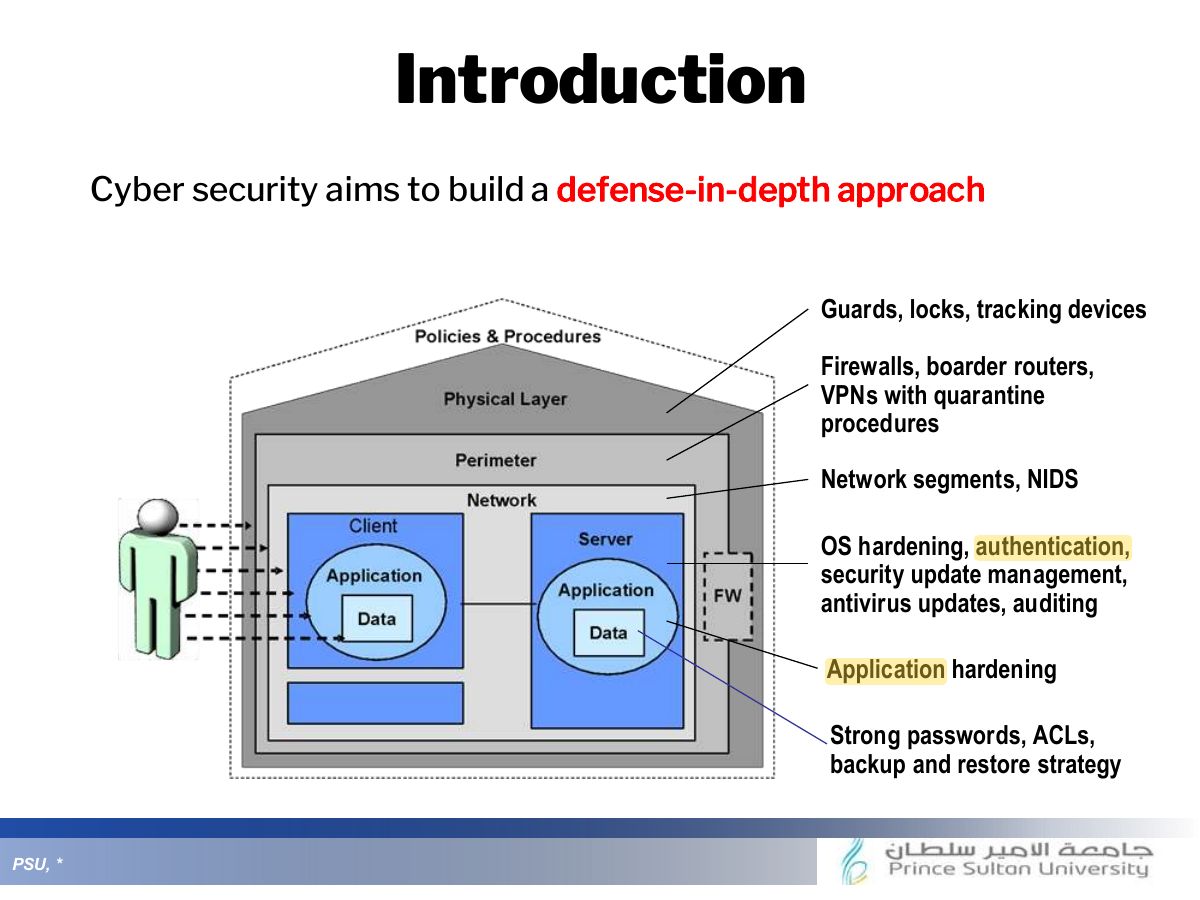
  1. Defence in depth: layered safeguards: physical (guards, locks), perimeter (firewalls, border routers, VPN), network (segments, NIDS), host (OS hardening, patching, antivirus), application, data (encryption, ACLs), plus policies and awareness.
  2. If one layer fails, the others still protect.
Exam trapDefence in depth ≠ fail-over. “When one device fails another takes over” is redundancy (availability), not layering.
🎯 How this can come up · 3 questions
MCQ

What is a characteristic of a layered defence-in-depth approach?

MCQ

Border firewalls and screening routers belong to which defence-in-depth layer?

MCQ

Encryption at rest and ACLs on records belong to the ___ layer.

★ Past exam
Slide 10: Introduction
Exam weight High
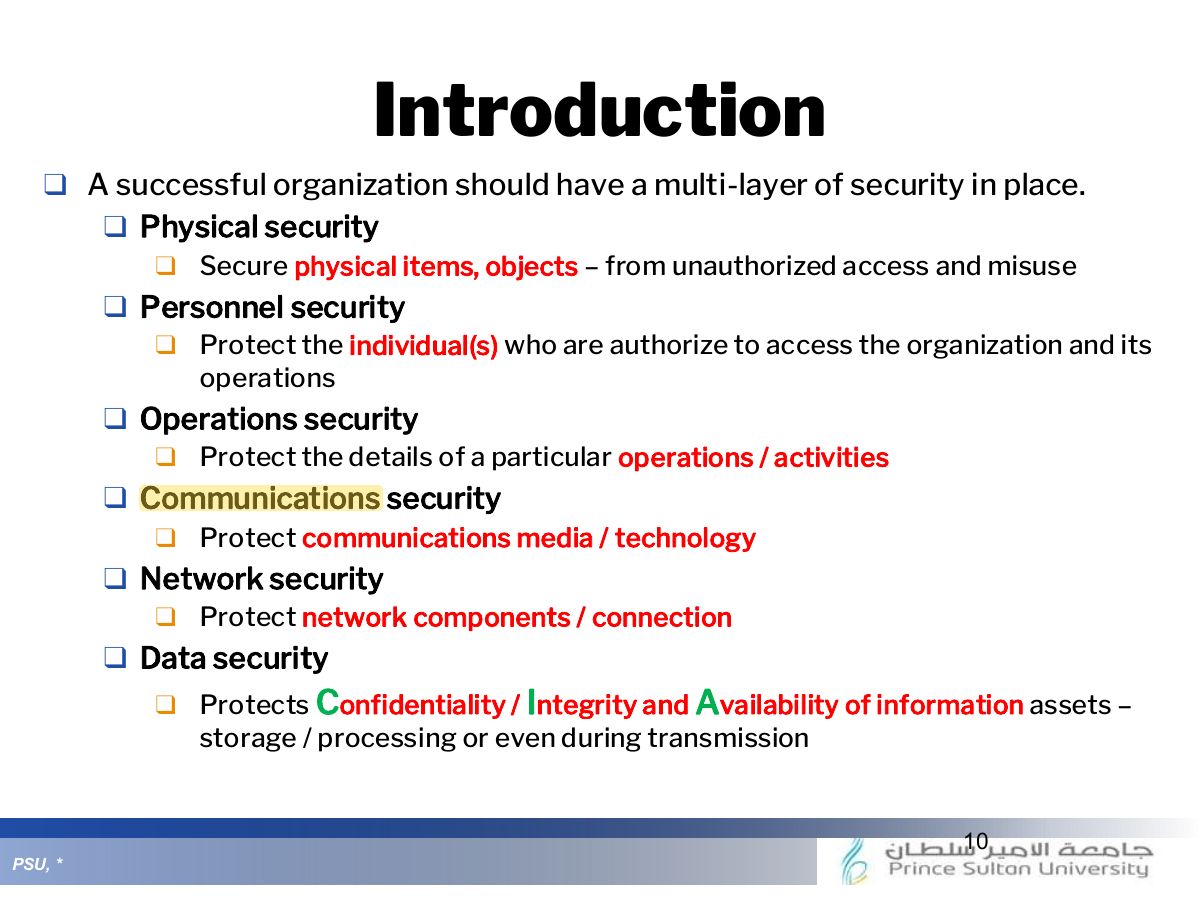
  1. Multiple layers of security in an organization: physical, personnel, operations, communications, network, information security.
🎯 How this can come up · 1 question
MCQ

Which is NOT a physical security measure against physical hacking?

Introduction

Cyber Security

Introduction
11
Exam weight Low
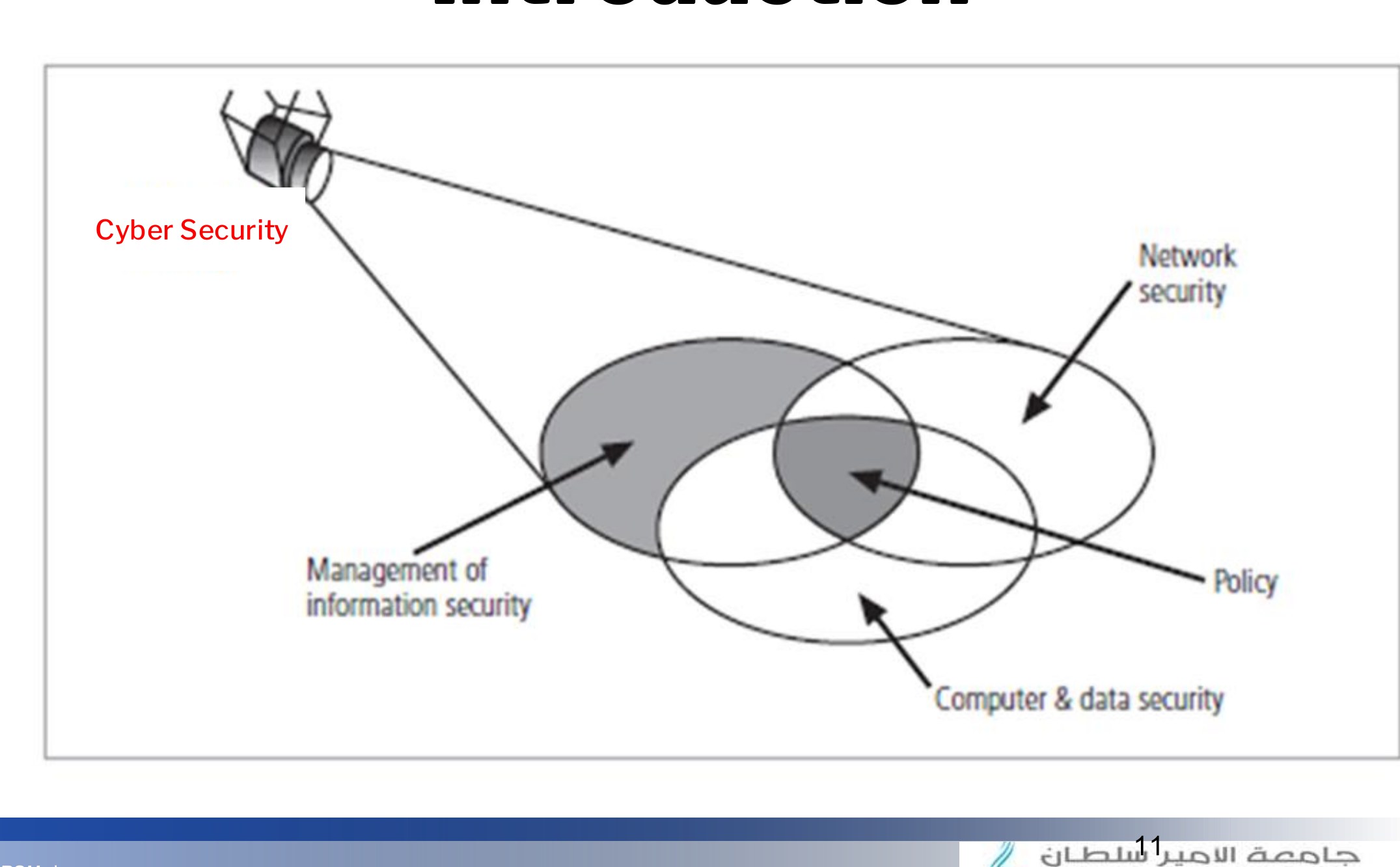
  1. Cybersecurity covers information security, network security, application security…
Critical characteristics of information

critical characteristics

C.I.A are the

of Information,

  • but there are other characteristics should be considered.
    • Confidentiality
    • Integrity
    • Availability
    • Accuracy
    • Authenticity
    • Utility
    • Possession The value of information comes from the
    • characteristics it possesses:
Critical characteristics of information
13
Exam weight Low
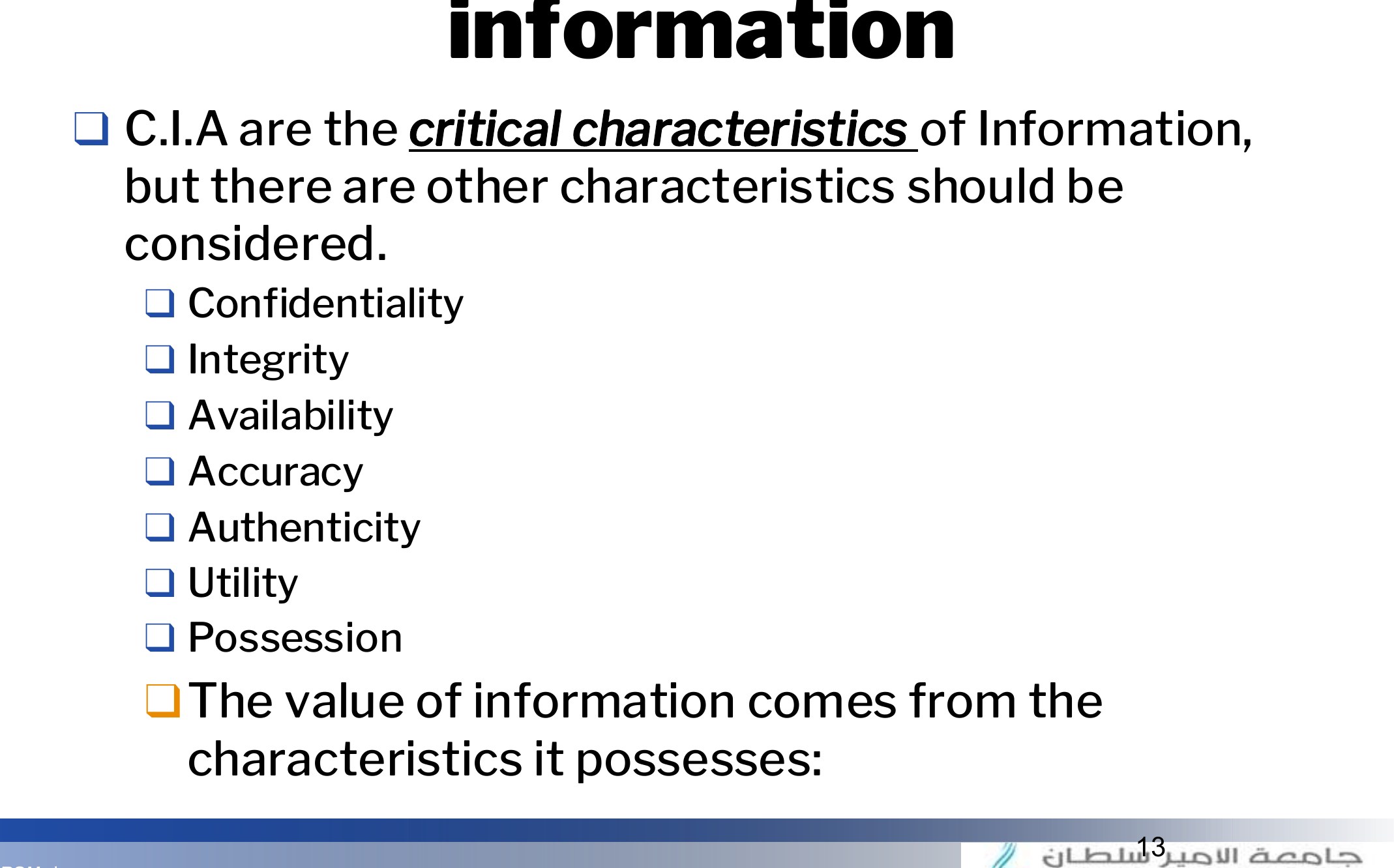
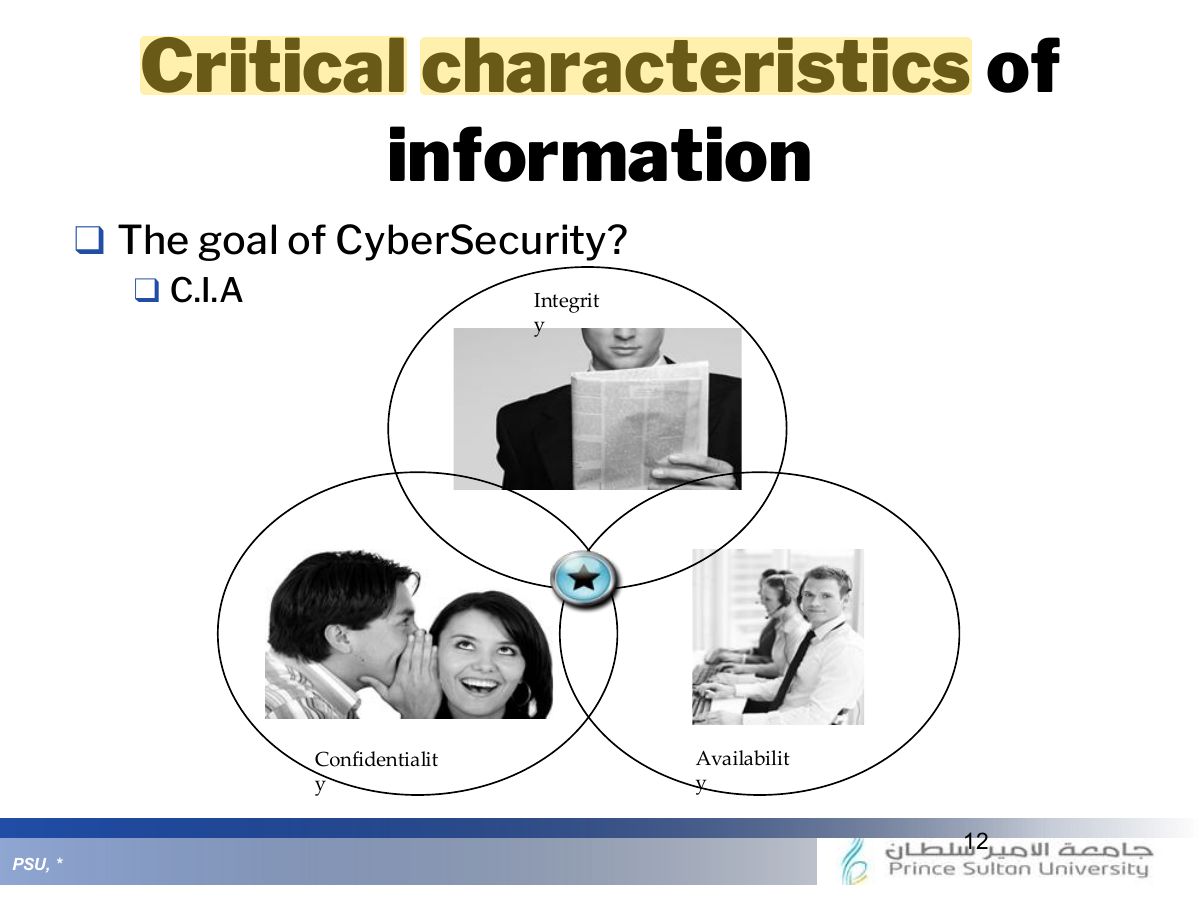
  1. C.I.A. are the critical characteristics, but accuracy, authenticity, utility and possession matter too.
TipCharacteristics of information: Confidentiality (no disclosure) · Integrity (accurate, complete, unaltered) · Availability (access when needed) · Accuracy (no errors, the value expected) · Authenticity (genuine, as originally created) · Utility (useful for a purpose) · Possession (ownership/control).
★ Past exam
Critical characteristics of information

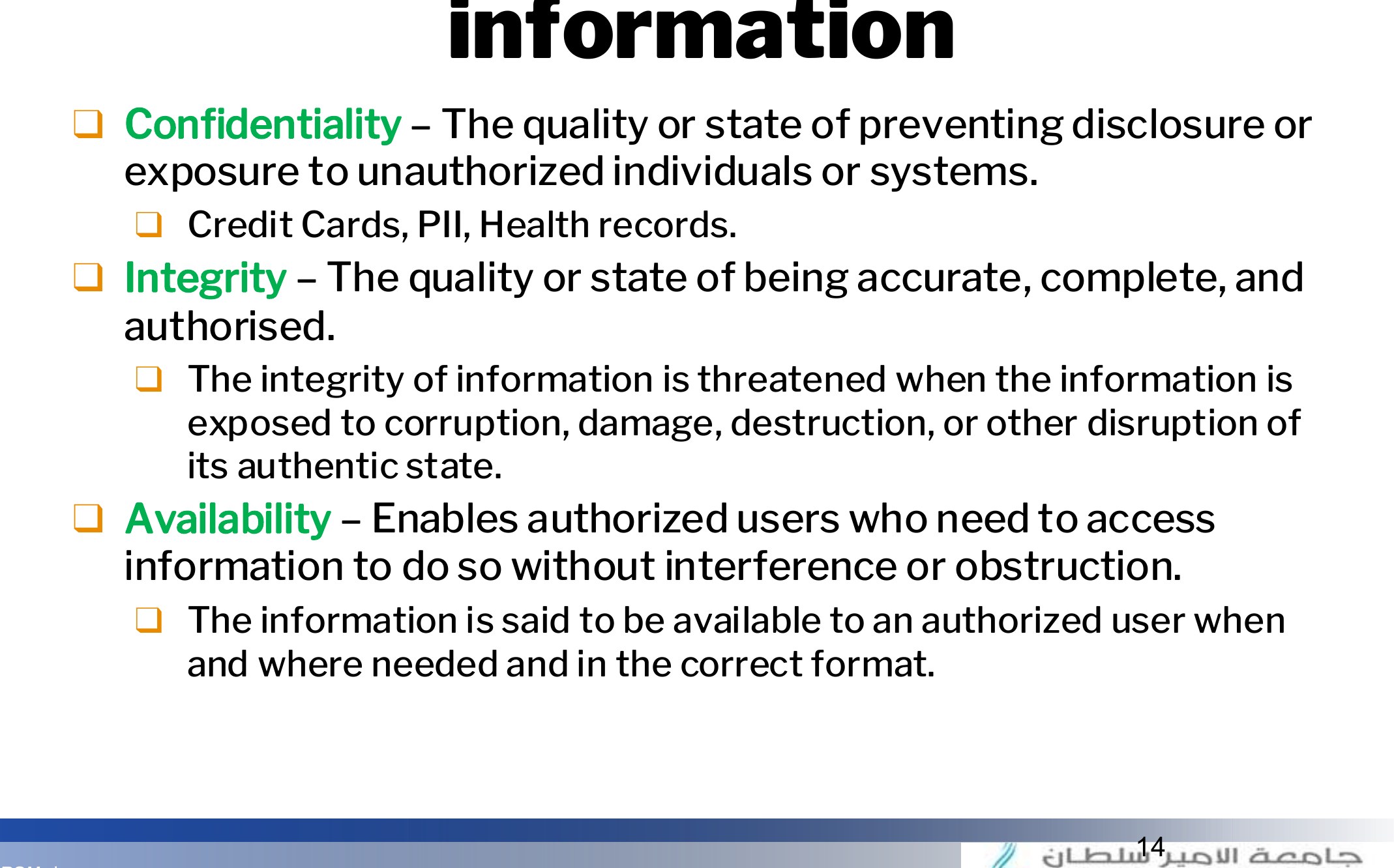
  • Confidentiality – The quality or state of preventing disclosure or exposure to unauthorized individuals or systems.
    • Credit Cards, PII, Health records.
  • Integrity – The quality or state of being accurate, complete, and authorised.
    • The integrity of information is threatened when the information is exposed to corruption, damage, destruction, or other disruption of its authentic state.
  • Availability – Enables authorized users who need to access information to do so without interference or obstruction.
    • The information is said to be available to an authorized user when and where needed and in the correct format.
Critical characteristics of information
14
Exam weight High
  1. Confidentiality: no disclosure to unauthorised people. Integrity: accurate, complete, authorised (no corruption). Availability: authorised users get access without obstruction.
🎯 How this can come up · 2 questions
MCQ

Protection of data from modification by unauthorised users is:

MCQ

Preventing disclosure or exposure to unauthorised individuals is:

★ Past exam

Critical characteristics of information

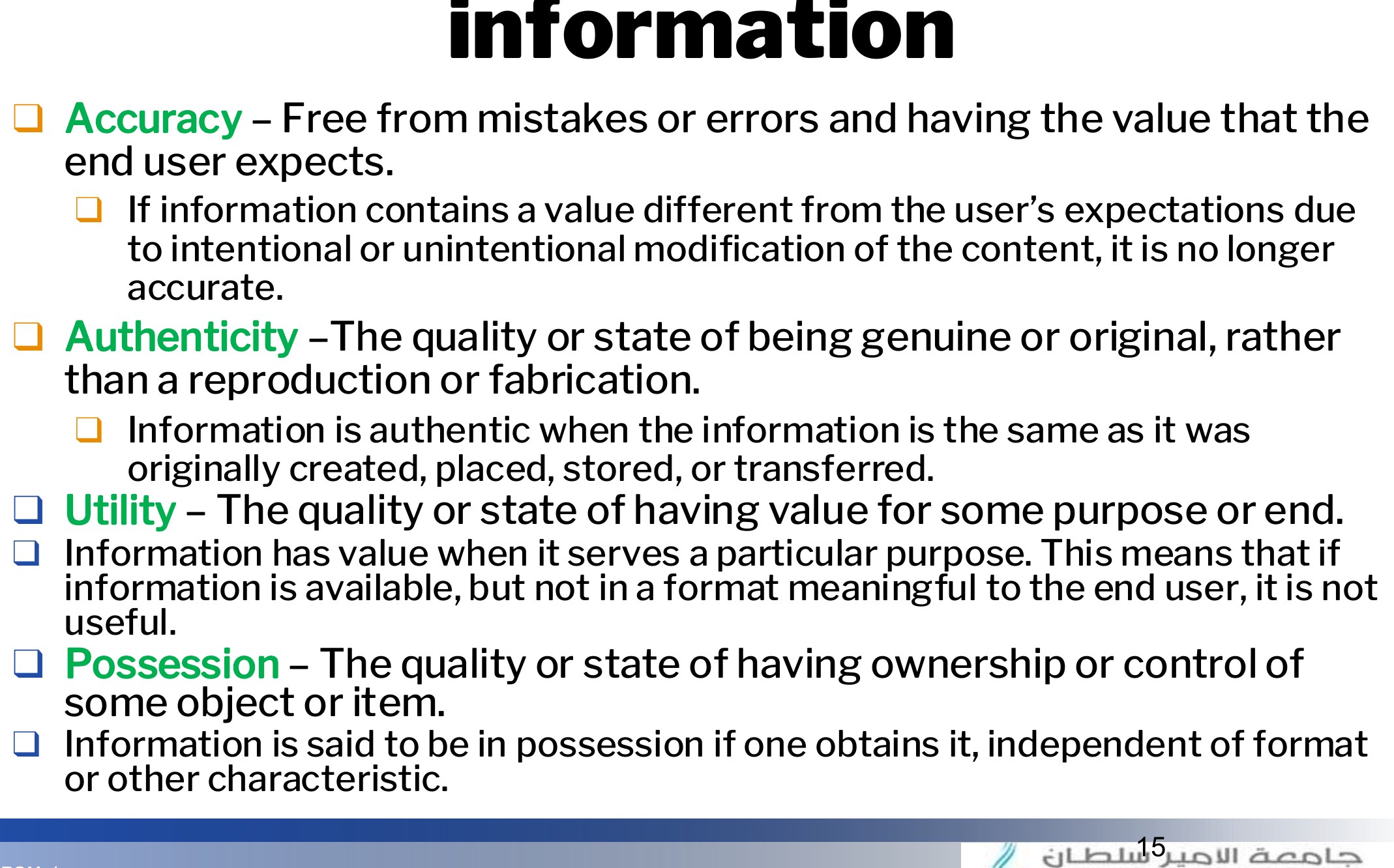
  • Accuracy – Free from mistakes or errors and having the value that the end user expects.
    • If information contains a value different from the user’s expectations due to intentional or unintentional modification of the content, it is no longer accurate.
  • Authenticity – The quality or state of being genuine or original, rather than a reproduction or fabrication.
    • Information is authentic when the information is the same as it was originally created, placed, stored, or transferred.
  • Utility – The quality or state of having value for some purpose or end.
  • Information has value when it serves a particular purpose. This means that if information is available, but not in a format meaningful to the end user, it is not useful.
  • Possession – The quality or state of having ownership or control of some object or item.
  • Information is said to be in possession if one obtains it, independent of format or other characteristic.
Critical characteristics of information
15
Exam weight High
  1. Accuracy: no errors, the value the user expects. Authenticity: genuine, the same as originally created. Utility: has value for a purpose (a readable format).
🎯 How this can come up · 3 questions
MCQ

Information that is the same as when originally created, placed, stored or transferred is:

MCQ

A value different from what the user expects because of a modification means the information is no longer:

MCQ

A doctor receives a patient file as raw hexadecimal instead of a readable report. Which characteristic is lost?

Critical characteristics of information

While a breach of confidentiality always results in

  • a breach of ownership, a breach of ownership does not always result in a breach of confidentiality. Is it correct, how and why?
Critical characteristics of information
16
Exam weight High
  1. Possession = ownership/control. A breach of confidentiality always breaches possession, but losing possession (a stolen encrypted disk) doesn’t always breach confidentiality.
🎯 How this can come up · 1 question
True / False

A breach of possession always results in a breach of confidentiality.

Critical characteristics of information

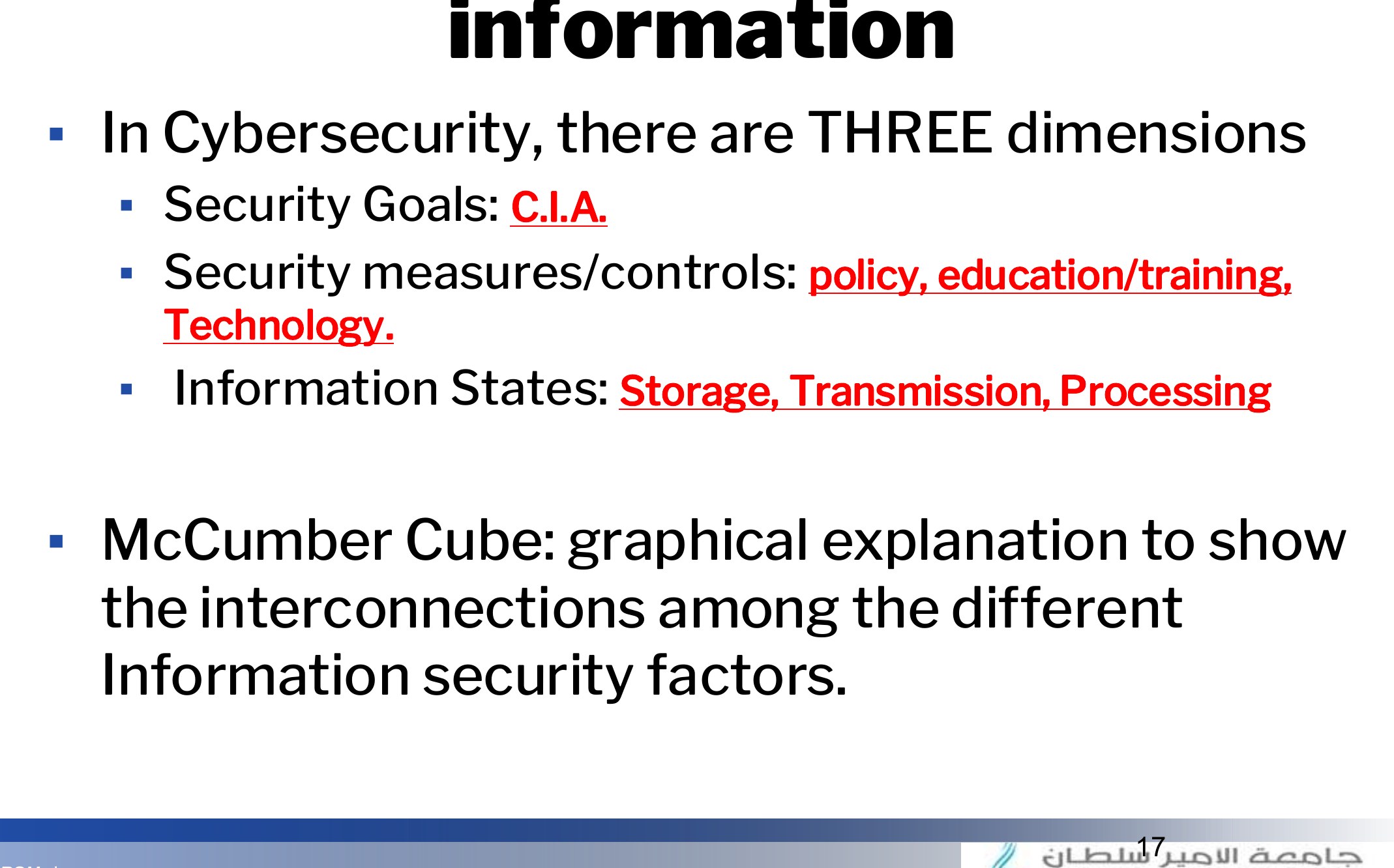
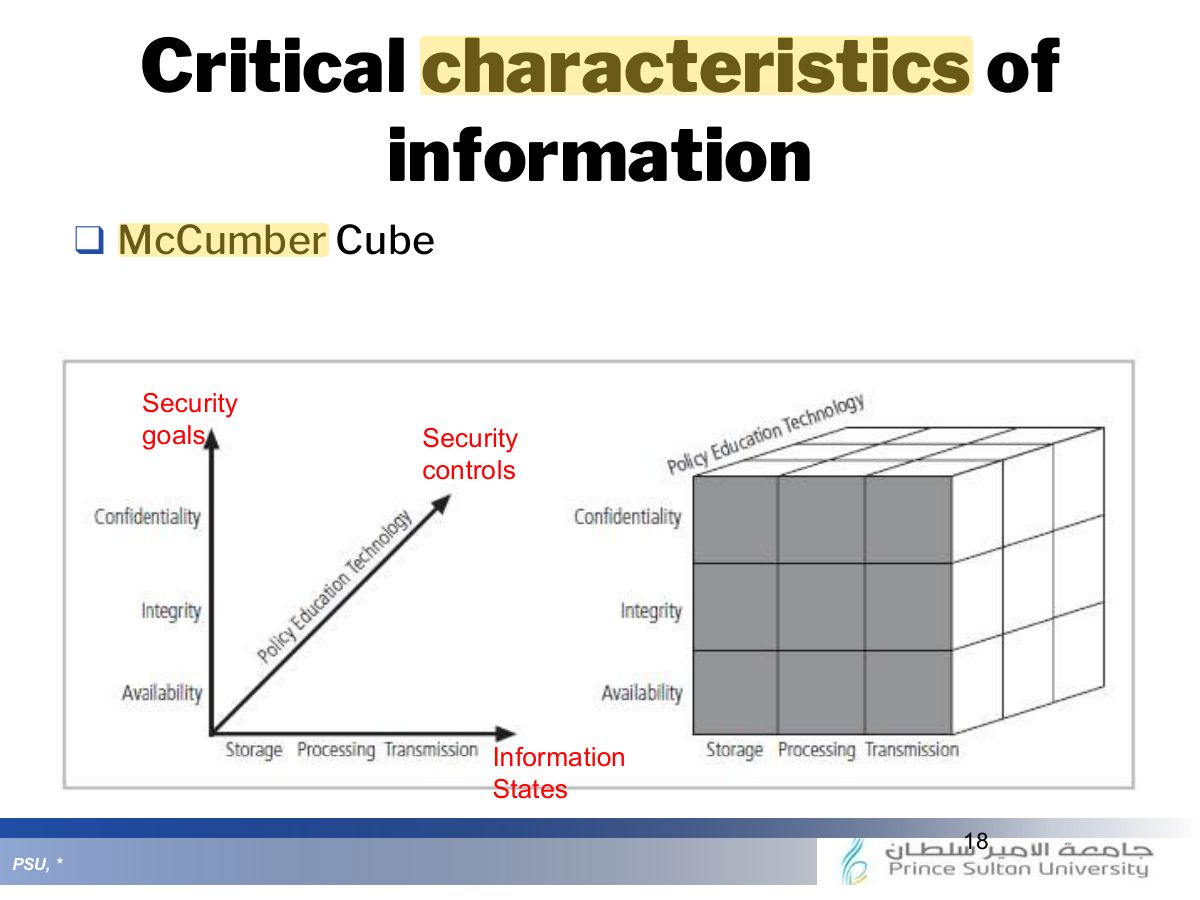
  • In Cybersecurity, there are THREE dimensions
    • Security Goals: C.I.A.
    • Security measures/controls: policy, education/training, Technology.
    • Information States: Storage, Transmission, Processing
  • McCumber Cube: graphical explanation to show the interconnections among the different Information security factors.
Critical characteristics of information
17
Exam weight Low
  1. Three dimensions: security goals (C.I.A.), security measures (policy, education/training, technology), information states (storage, transmission, processing) → the McCumber cube.
★ Past exam
Slide 18: Critical characteristics of information
Exam weight High
  1. McCumber cube: 3 × 3 × 3 = 27 cells; each cell is a goal × state × measure combination to secure.
Memory trickMcCumber axes: GOALS (C, I, A) · STATES (storage, transmission, processing) · MEASURES (technology, policy, education).
🎯 How this can come up · 2 questions
MCQ

Which is NOT an information state on the McCumber cube?

True / False

In the McCumber cube, data needs to be protected only while it is stored.

Critical characteristics of information

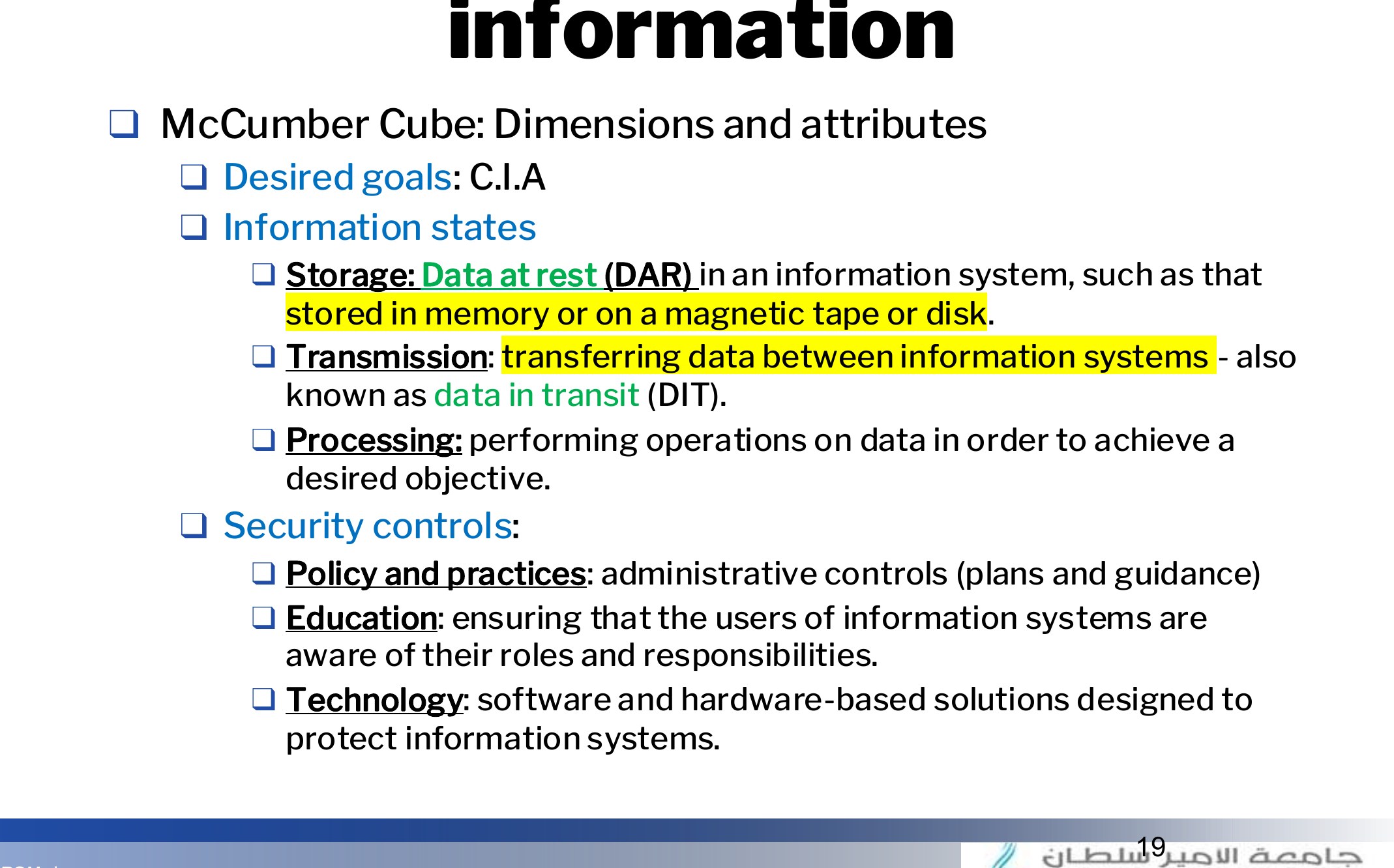
  • McCumber Cube: Dimensions and attributes
    • Desired goals: C.I.A
    • Information states
      • Storage: Data at rest (DAR) in an information system, such as that stored in memory or on a magnetic tape or disk.
      • Transmission: transferring data between information systems - also known as data in transit (DIT).
      • Processing: performing operations on data in order to achieve a desired objective.
    • Security controls:
      • Policy and practices: administrative controls (plans and guidance)
      • Education: ensuring that the users of information systems are aware of their roles and responsibilities.
      • Technology: software and hardware-based solutions designed to protect information systems.
Critical characteristics of information
19
Exam weight Low
  1. States: storage (data at rest), transmission (data in transit), processing (data in use).
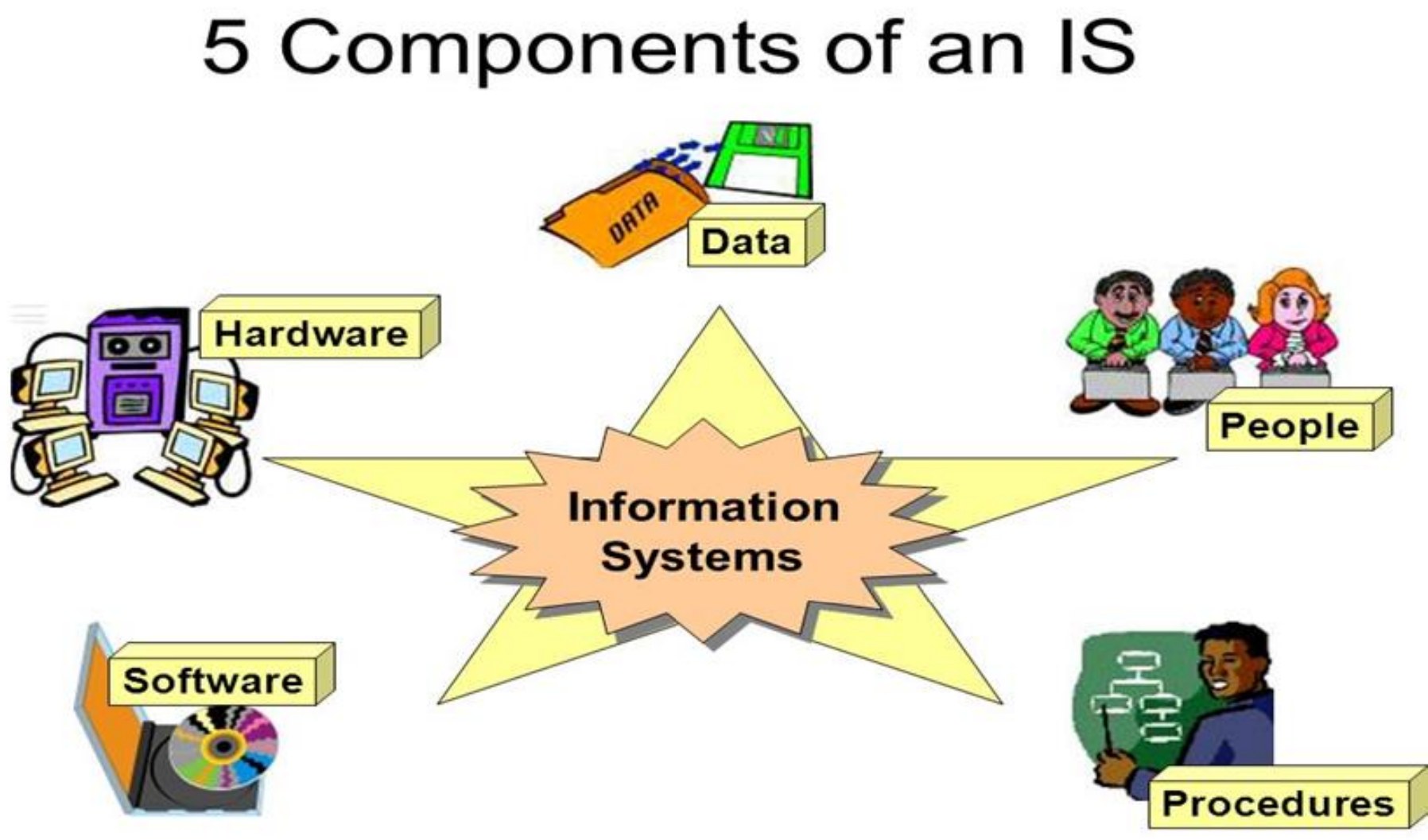
Components of an Information System

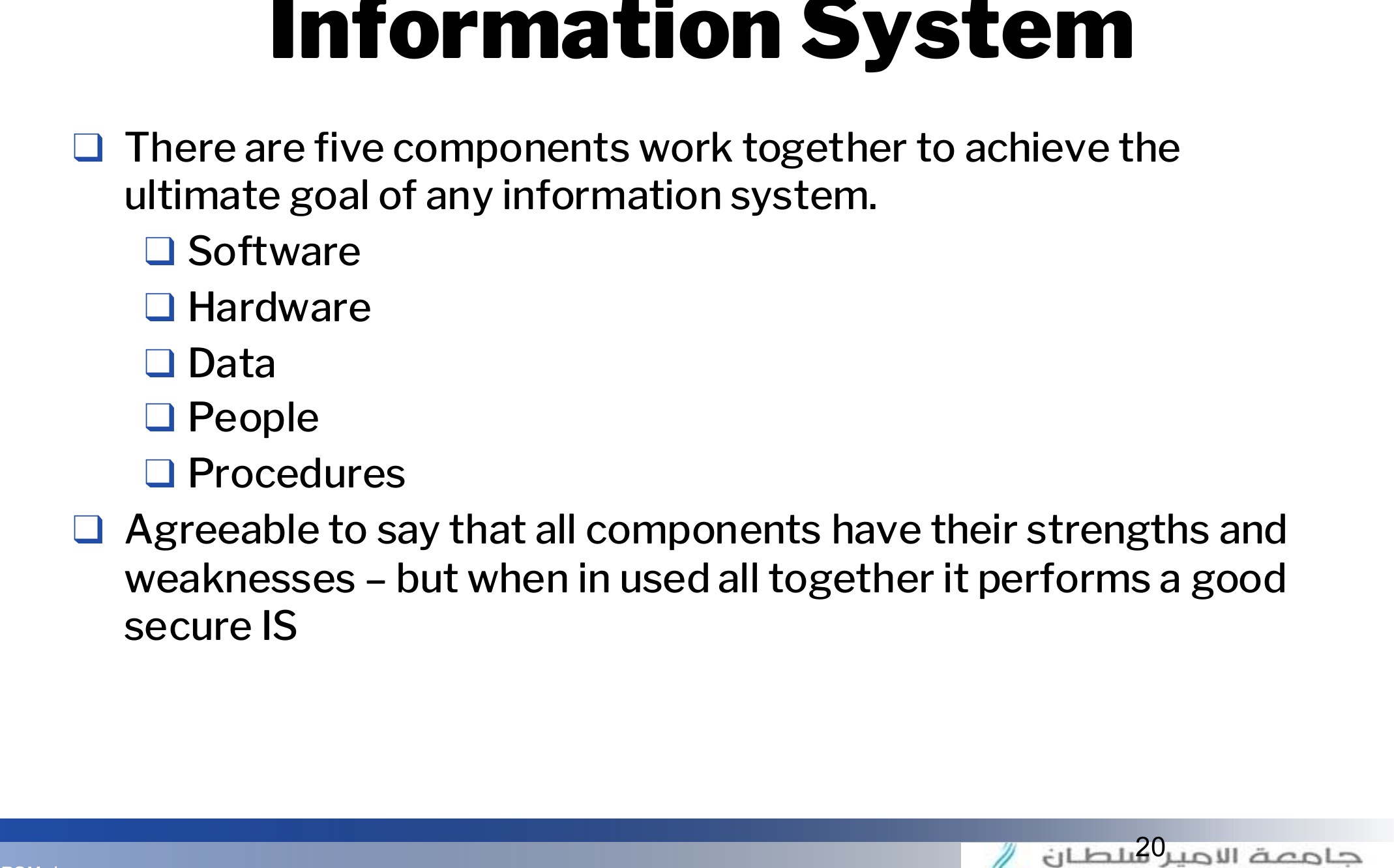
  • There are five components work together to achieve the ultimate goal of any information system.
    • Software
    • Hardware
    • Data
    • People
    • Procedures
  • Agreeable to say that all components have their strengths and weaknesses – but when in used all together it performs a good secure IS
Components of an Information System
20
Exam weight Medium
  1. Five components of an IS: software, hardware, data, people, procedures (and networks).
🎯 How this can come up · 1 question
MCQ

Which IS component is often the weakest link?

Components of an Information System

Software

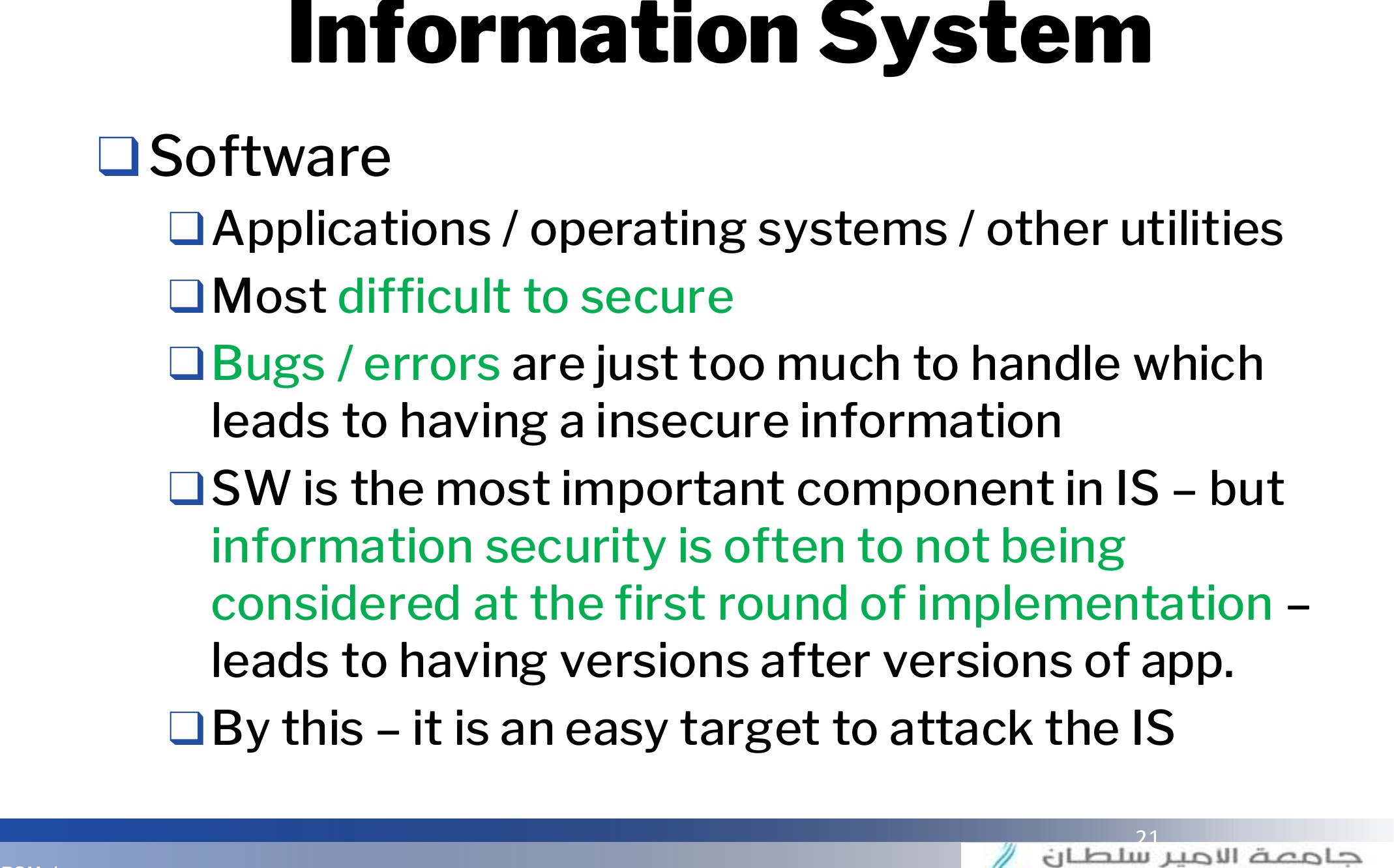
  • Applications / operating systems / other utilities
    • Most difficult to secure
    • Bugs / errors are just too much to handle which
    • leads to having a insecure information SW is the most important component in IS – but
    • information security is often to not being considered at the first round of implementation – leads to having versions after versions of app. By this – it is an easy target to attack the IS
Components of an Information System
21
Exam weight Low
  1. Software: the hardest to secure (bugs and errors).
Components of an Information System

Hardware

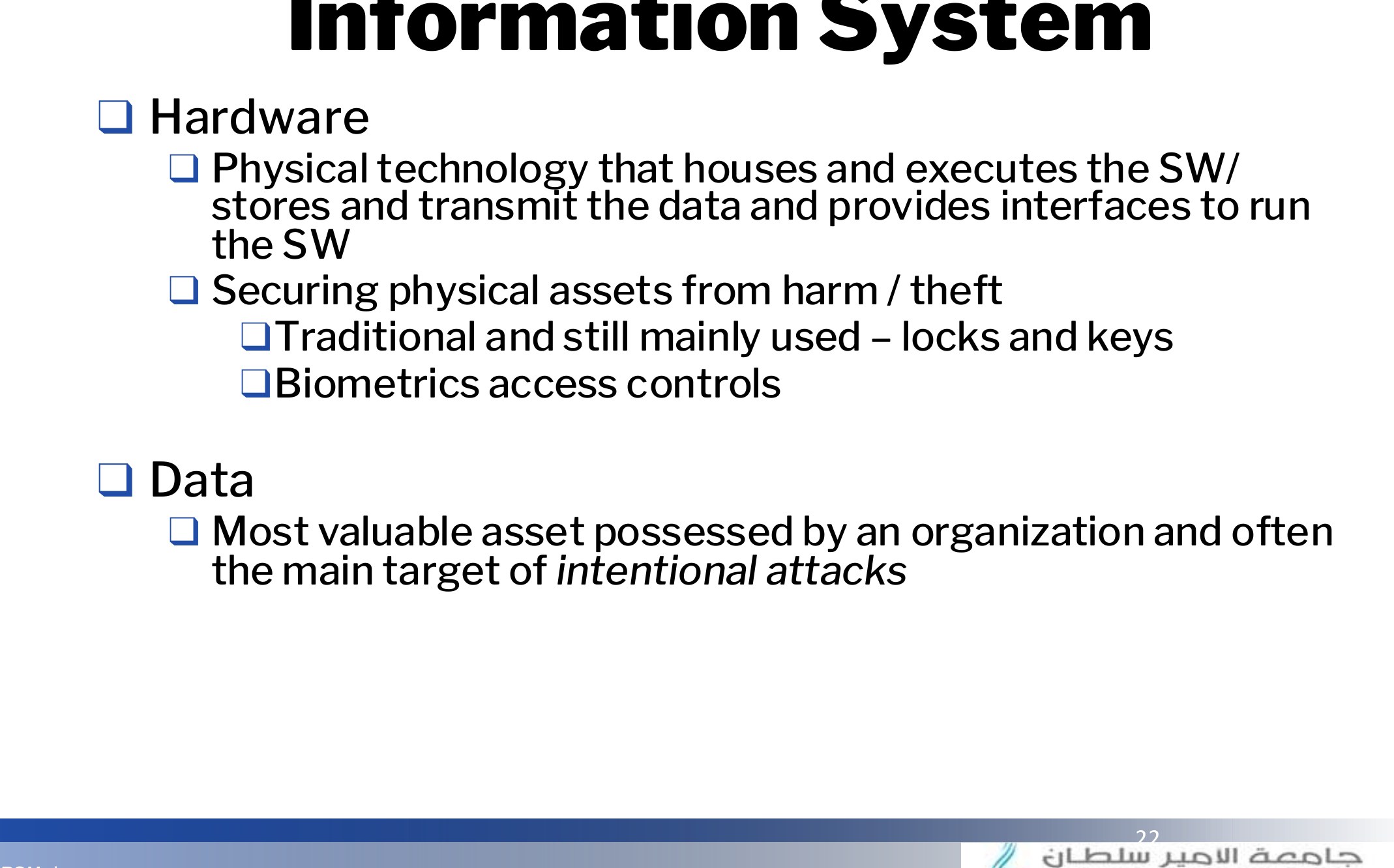
  • ❑ Physical technology that houses and executes the SW/ stores and transmit the data and provides interfaces to run the SW
    • Securing physical assets from harm / theft
      • Traditional and still mainly used – locks and keys
      • Biometrics access controls

Data

  • ❑ Most valuable asset possessed by an organization and often intentional attacks the main target of
Components of an Information System
22
Exam weight Low
  1. Hardware: protect physical assets (locks, biometrics).
Components of an Information System

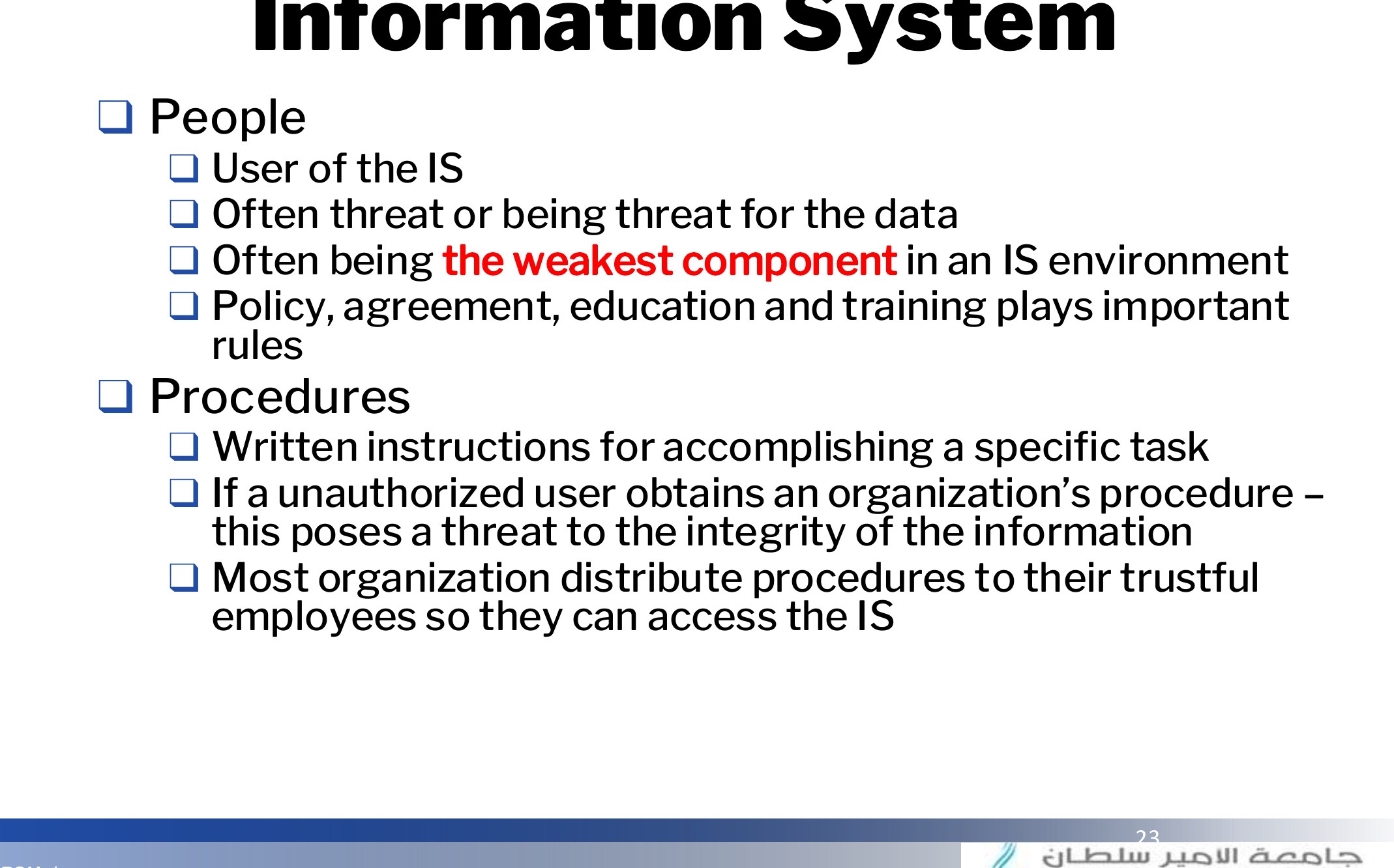
People

  • ❑ User of the IS
    • Often threat or being threat for the data
    • Often being the weakest component in an IS environment
    • Policy, agreement, education and training plays important rules

Procedures

  • ❑ Written instructions for accomplishing a specific task
    • If a unauthorized user obtains an organization s procedure – ’ this poses a threat to the integrity of the information
    • Most organization distribute procedures to their trustful employees so they can access the IS
Components of an Information System
23
Exam weight Low
  1. People: often the weakest component; policy, education and training help.
System Development Life Cycle (SDLC)

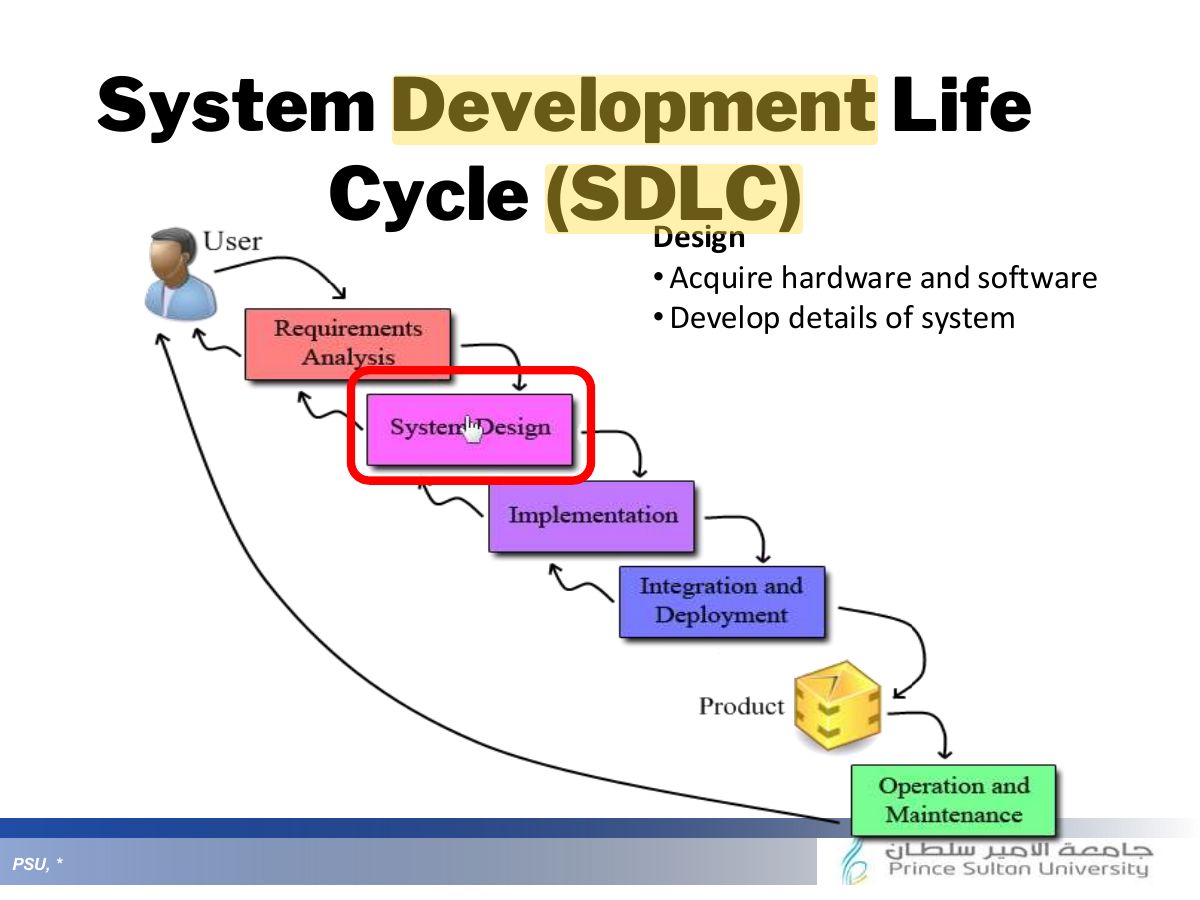
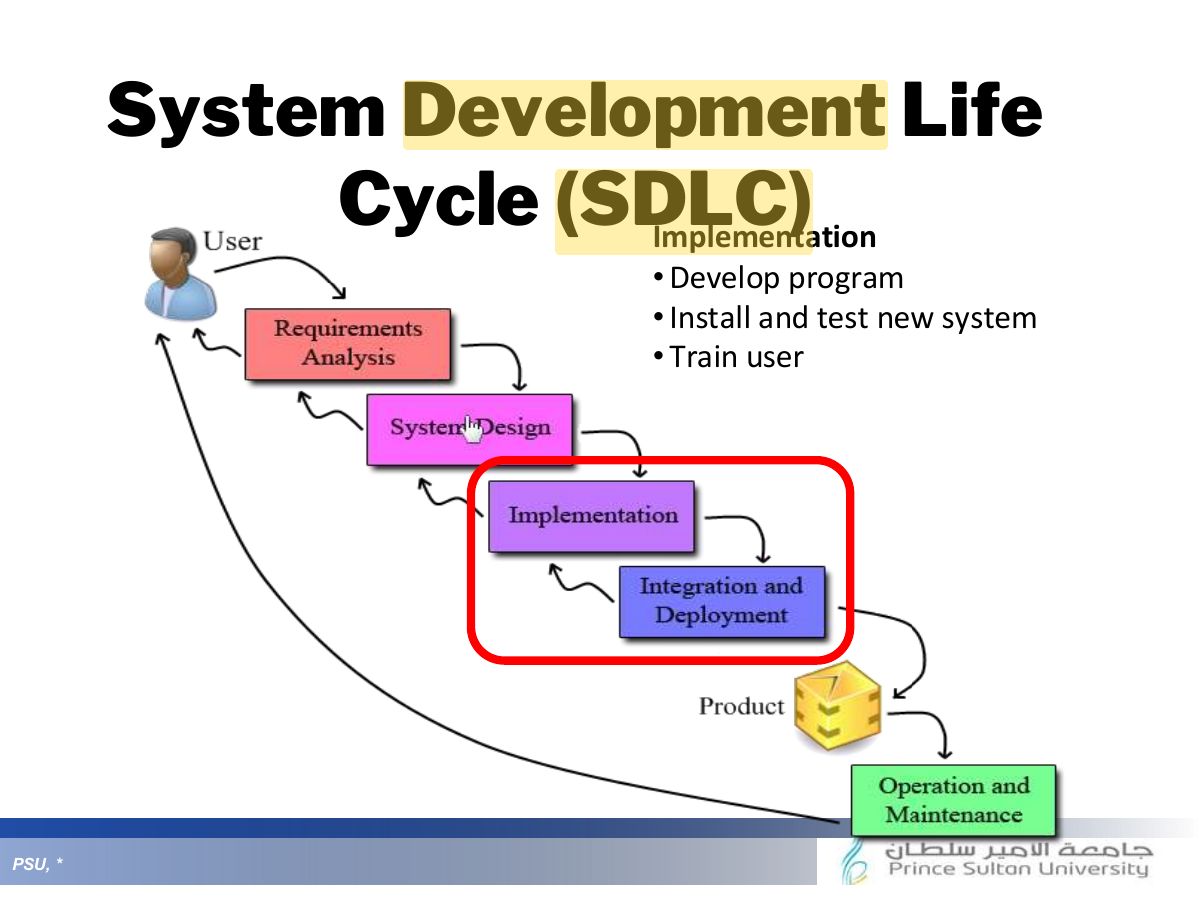
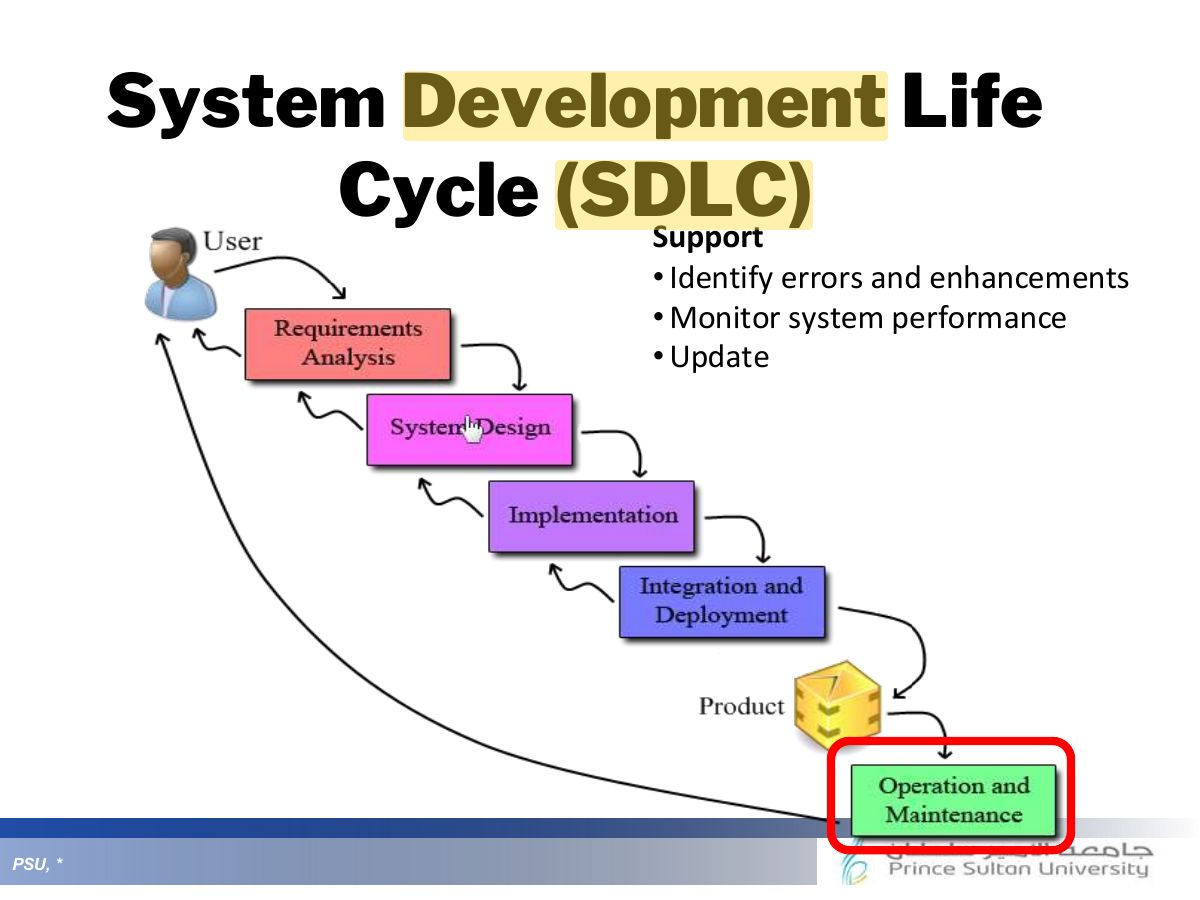
  • Is a methodology / approach for designing and implementing an IS
  • Sequence of procedure to solve a problem
  • Most common approach – waterfall model
System Development Life Cycle (SDLC)
24
Exam weight Low
  1. SDLC: a methodology for designing and implementing an IS; most common is the waterfall model.
Slide 25: System Development Life Cycle (SDLC)
Exam weight Low
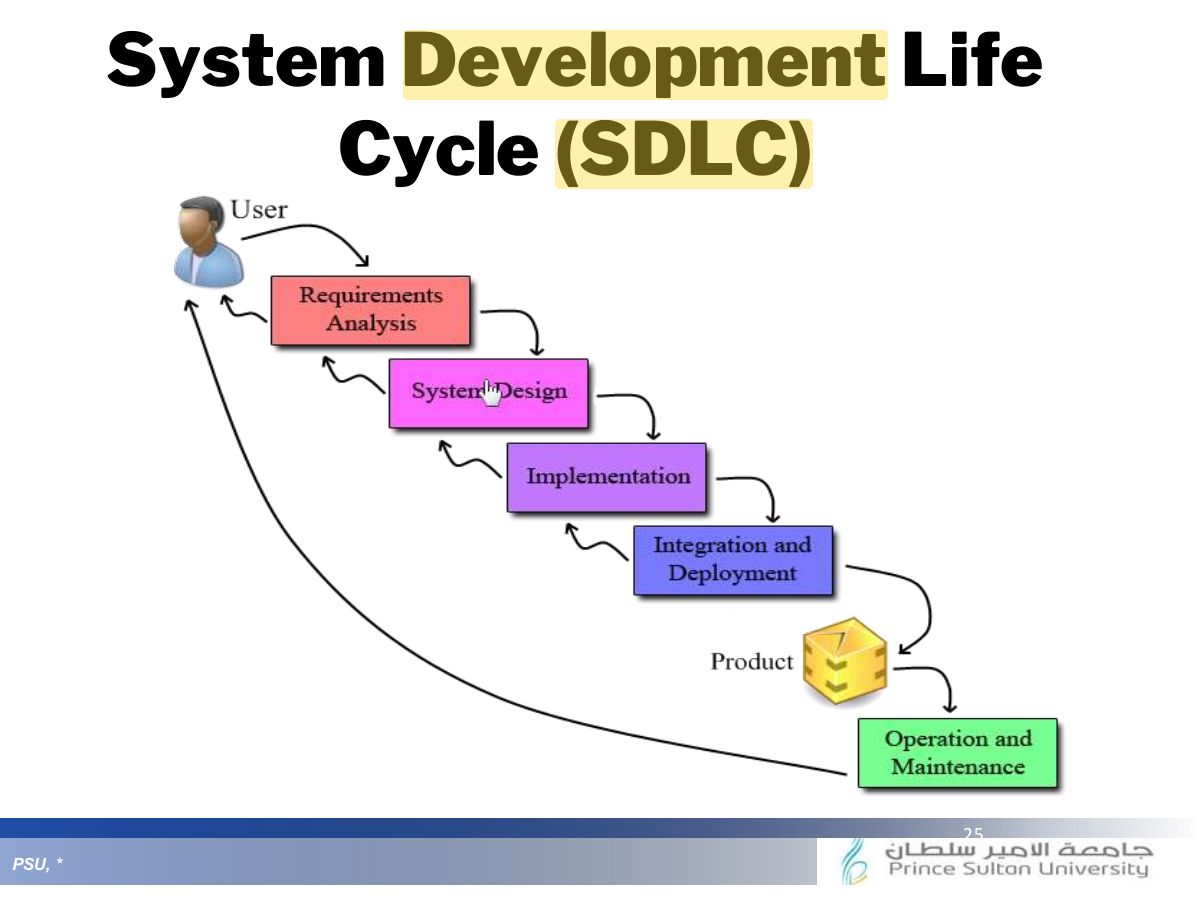
  1. SDLC phases: investigation, analysis, logical design, physical design, implementation, maintenance and change.
Slide 26: System Development Life Cycle (SDLC)
Exam weight Low
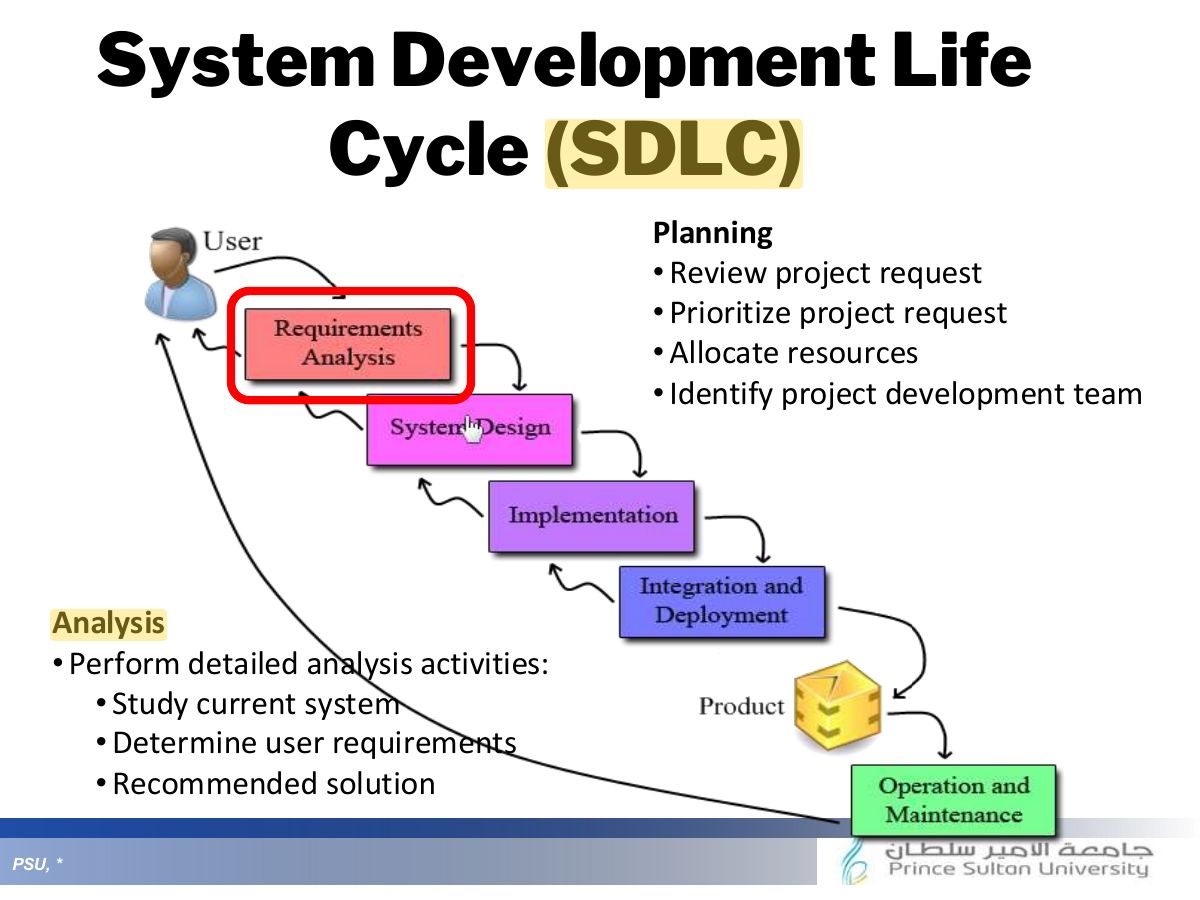
  1. Analysis phase.
Slide 27: System Development Life Cycle (SDLC)
Exam weight Low
  1. Design phases.
Slide 28: System Development Life Cycle (SDLC)
Exam weight Low
  1. Implementation.
Slide 29: System Development Life Cycle (SDLC)
Exam weight Low
  1. Maintenance and change.
★ Past exam

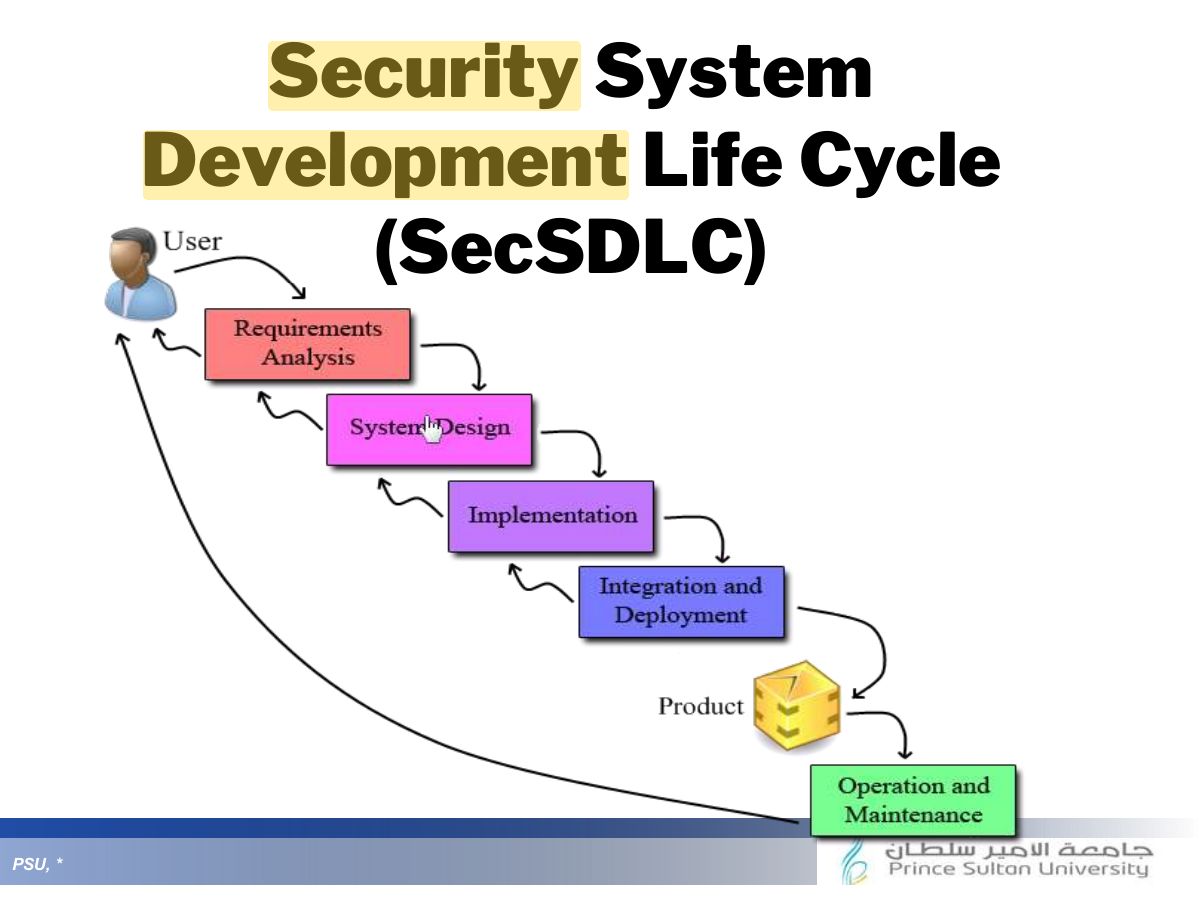
Security System Development Life Cycle (SecSDLC)

Cybersecurity must be managed in a manner similar to any other system

  • implementation One approach for implementing an cybersecurity system with security in
  • place is to use a variation of the SDLC phases, named Security SDLC (SecSDLC)
Security System Development Life Cycle (SecSDLC)
30
Exam weight High
  1. SecSDLC: the SDLC with security built into every phase.
🎯 How this can come up · 1 question
True / False

A secure SDLC applies security only to the requirements and testing phases.

Security System Development Life Cycle (SecSDLC)

Each phases in SecSDLC should consider the security of the system

  • being assembled as well as the information it uses Each implementation done is secure and does not harm the C.I. A of the
  • organization’s information assets
Security System Development Life Cycle (SecSDLC)
31
Exam weight Low
  1. Each SecSDLC phase must consider security so nothing harms the C.I.A. of information assets.
Slide 33: Security System Development Life Cycle
Exam weight Low
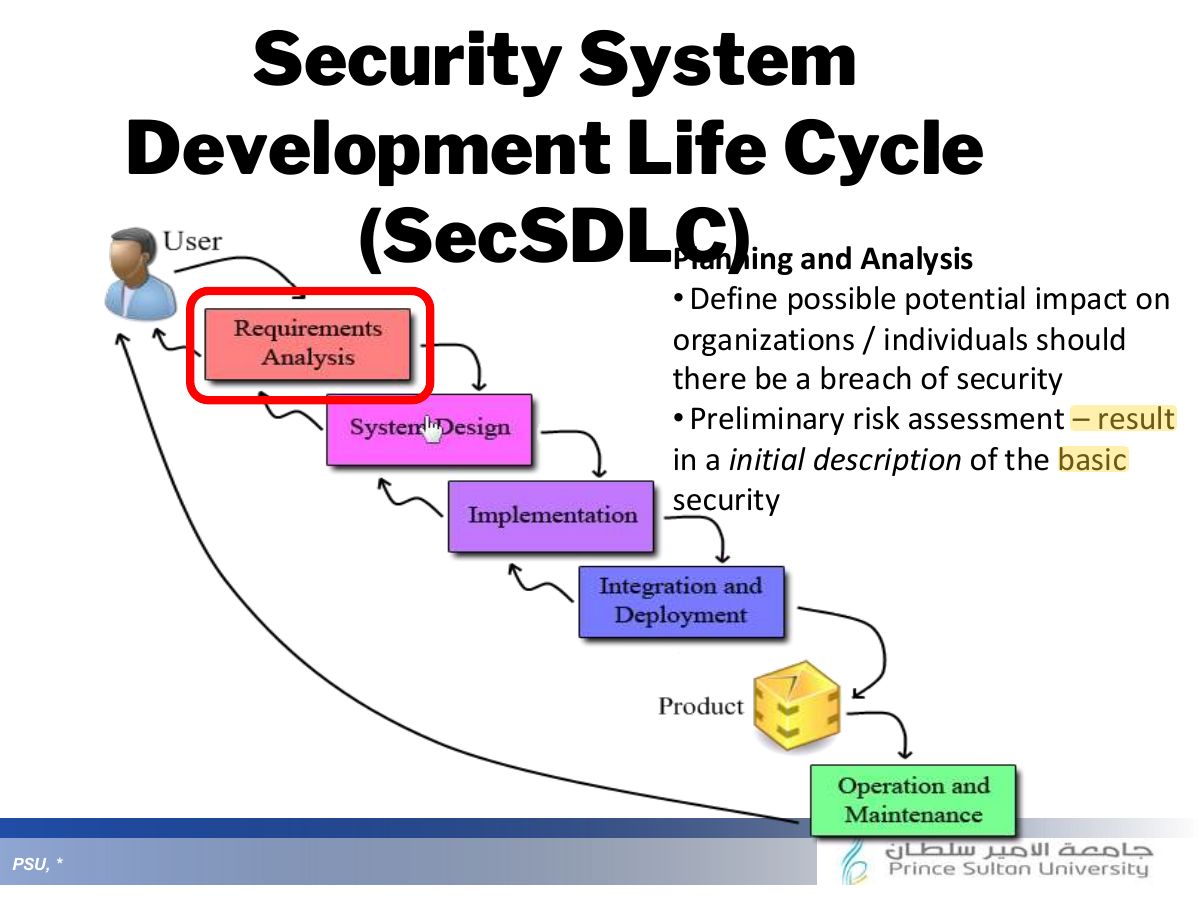
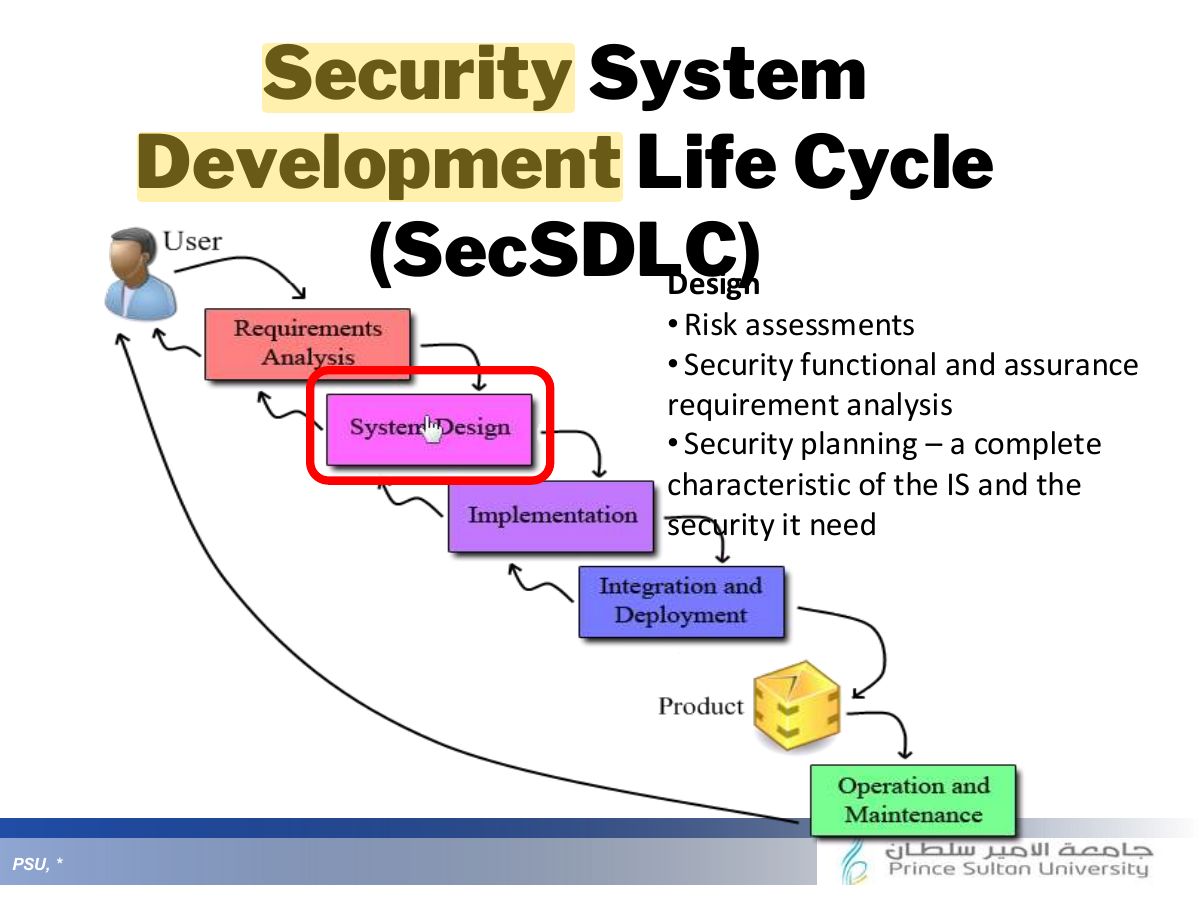
  1. SecSDLC analysis: study threats, existing controls, legal issues; risk management starts.
Slide 34: Security System Development Life Cycle
Exam weight Low
  1. SecSDLC logical design: security blueprint, incident response and continuity plans.
Slide 35: Security System Development Life Cycle
Exam weight Low
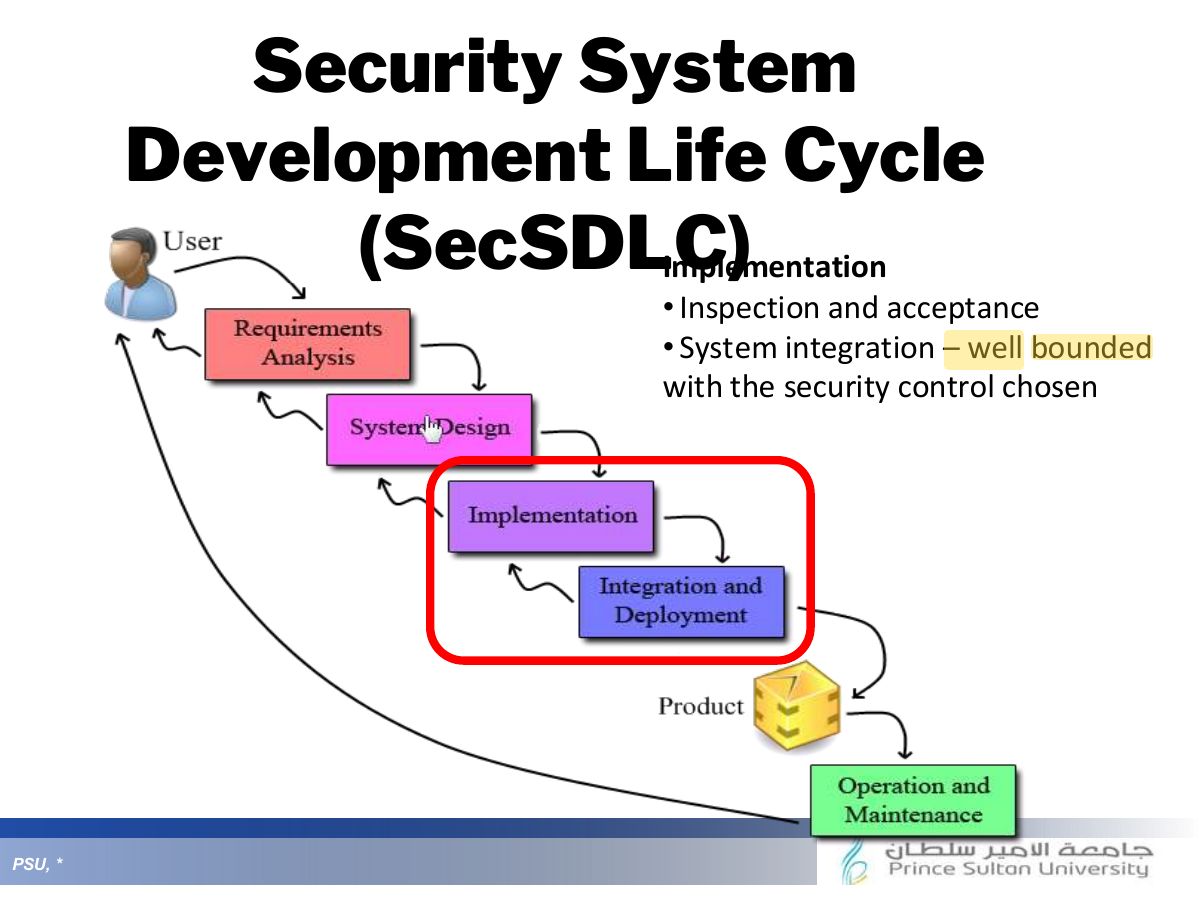
  1. SecSDLC physical design and implementation: choose and install the technology; test.
Slide 36: Security System Development Life Cycle
Exam weight High
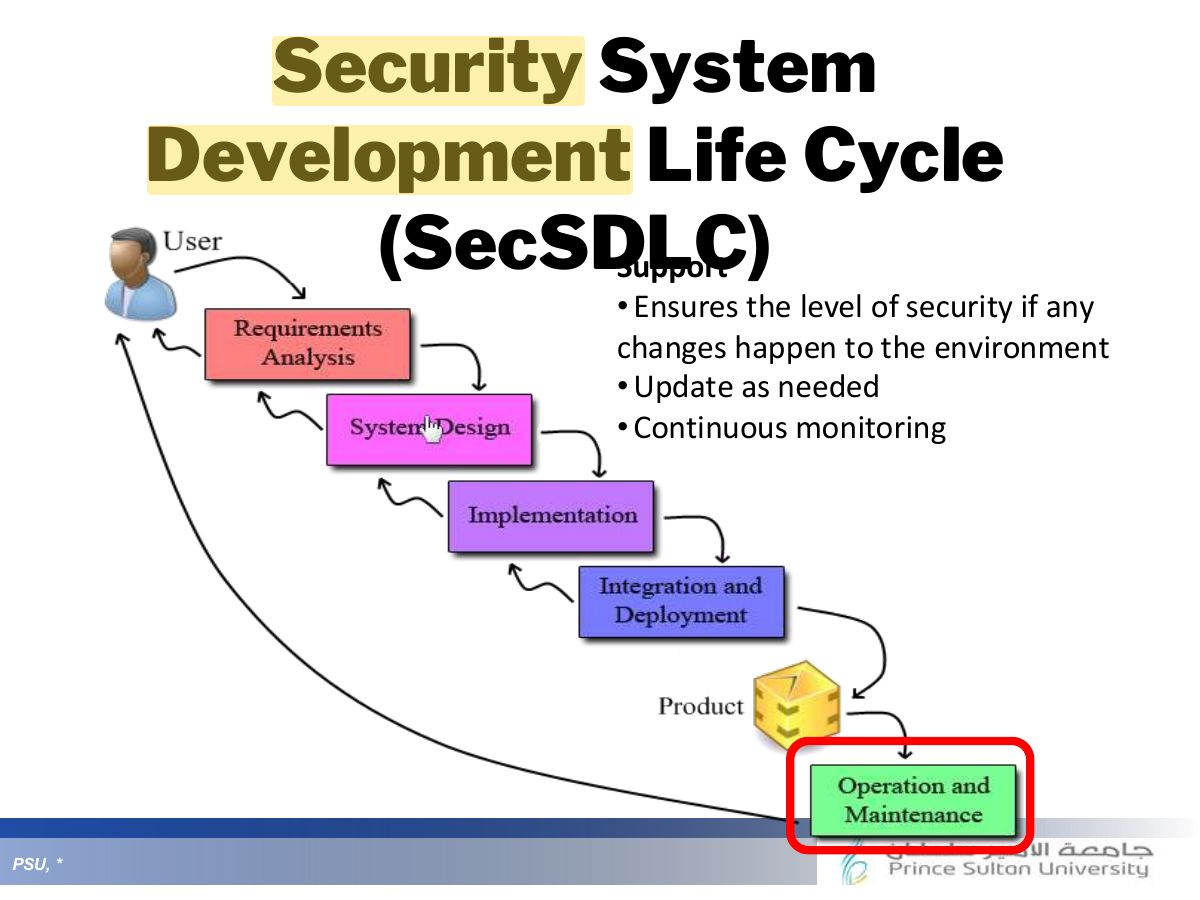
  1. SecSDLC maintenance: monitor, test, update, respond to incidents.
🎯 How this can come up · 1 question
Written

Give two security activities for the design and maintenance phases of the SecSDLC. (Quiz 1 232, Q4)

SDLC vs. SecSDLC

SecSDLC is basically following the exact phases

  • as what the formal SDLC is doing In addition, SecSDLC identifies specific threats
  • that possibly could happen to the IS and creates specific controls to counter those threats A well-observe and planning IS could be
  • demonstrated if all possible threats been taken care off
SDLC vs. SecSDLC
37
Exam weight Low
  1. SecSDLC follows the same phases as SDLC but also identifies specific threats and creates controls for them.
Slide 38: Slide 38
Exam weight Low
  1. Recap.