Conceptual Design (Entity–Relationship Model)
CS340 · Chapter 2
1
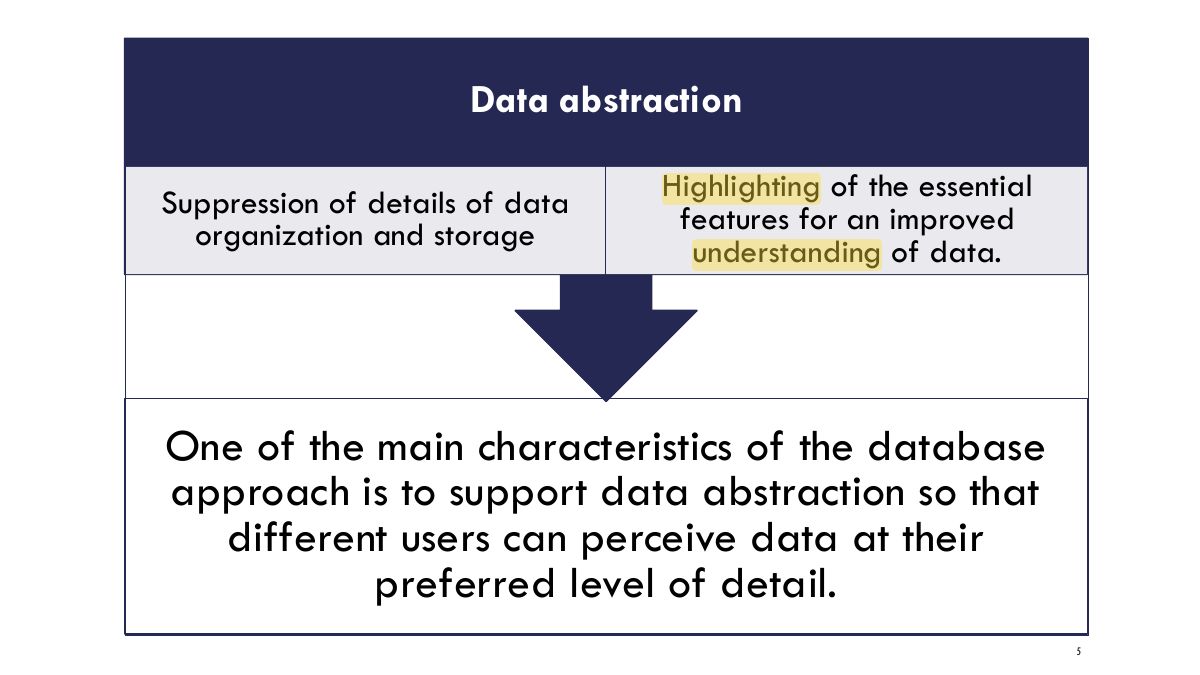
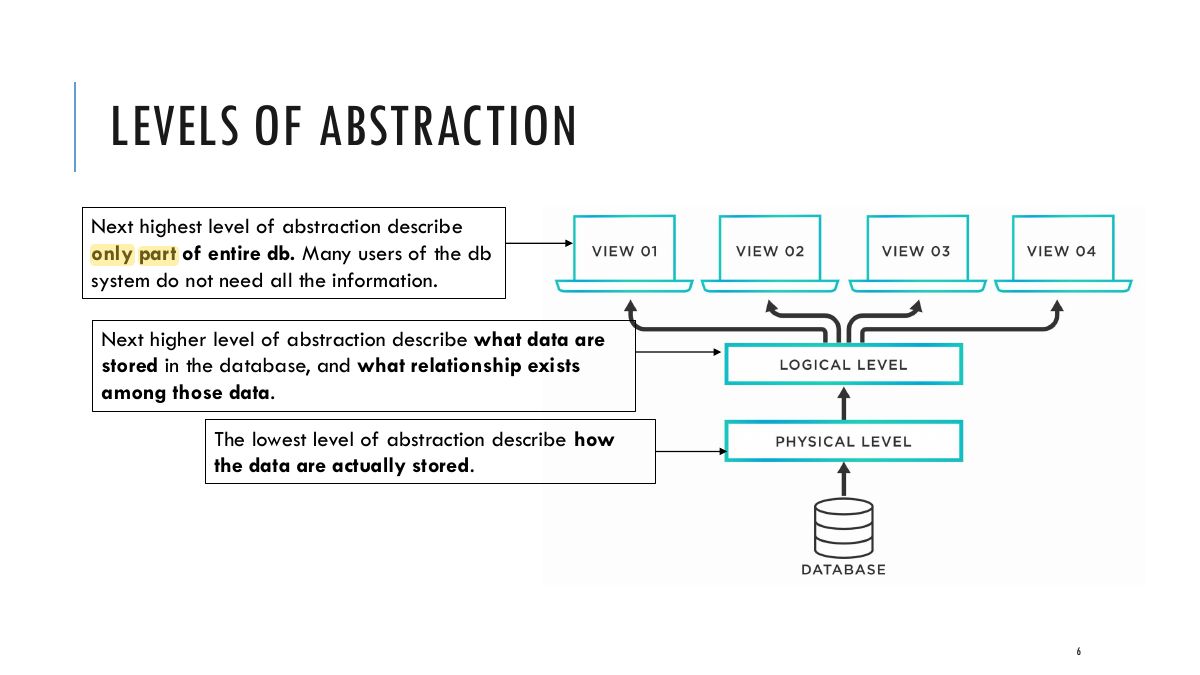
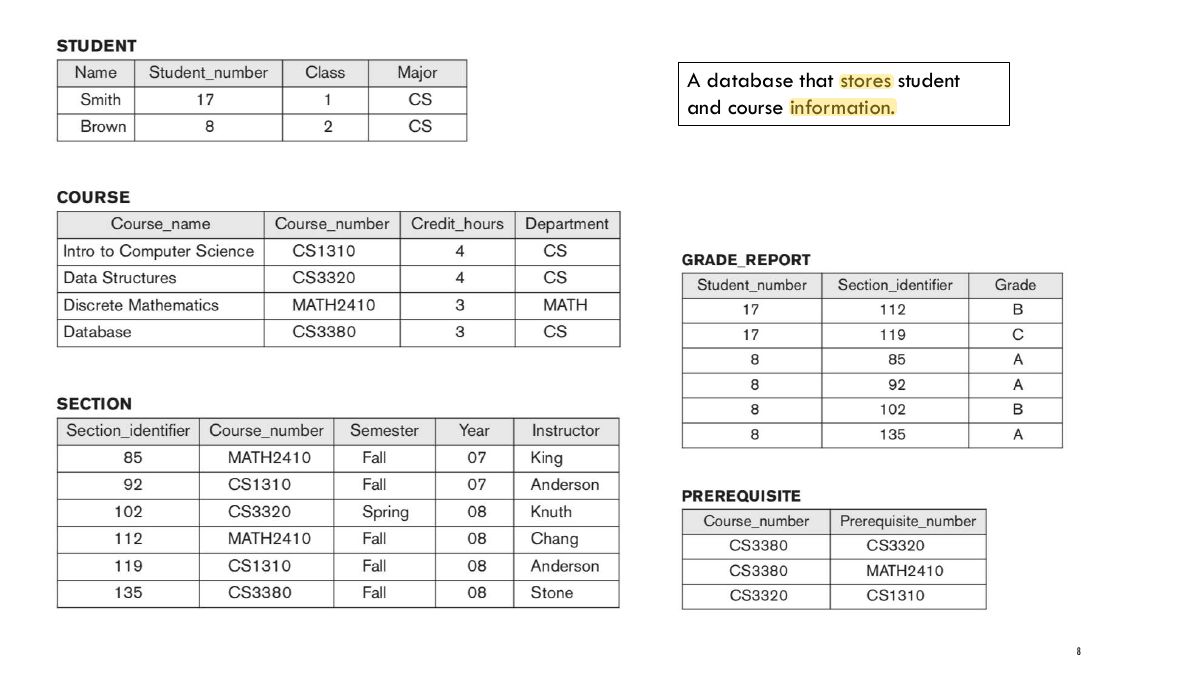
Levels of abstraction, schemas and instances, logical and physical data independence, then the ER model: entities and attribute types, keys, relationships, degree and cardinality ratios, total vs. partial participation, recursive relationships, weak entities, (min, max) notation and ternary relationships.
Asked in a real exam
What is TRUE about the conceptual level?
Correct: All of these.
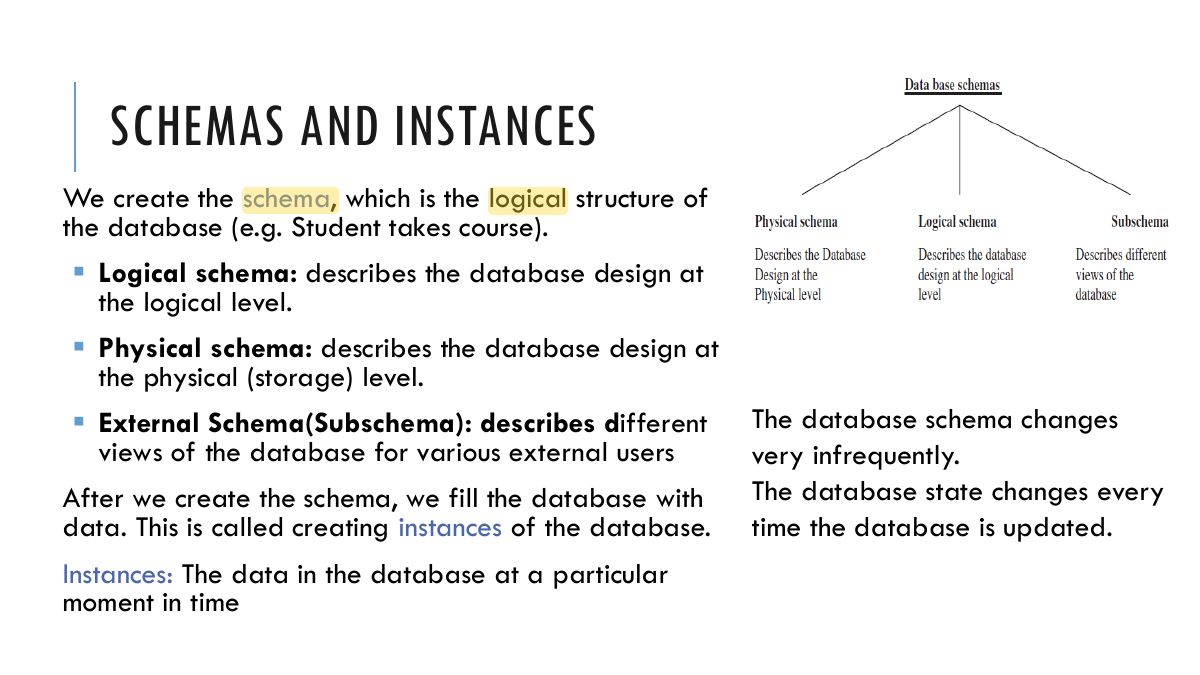
The database schema changes every time a row is inserted.
False. The instance (state) changes; the schema stays.
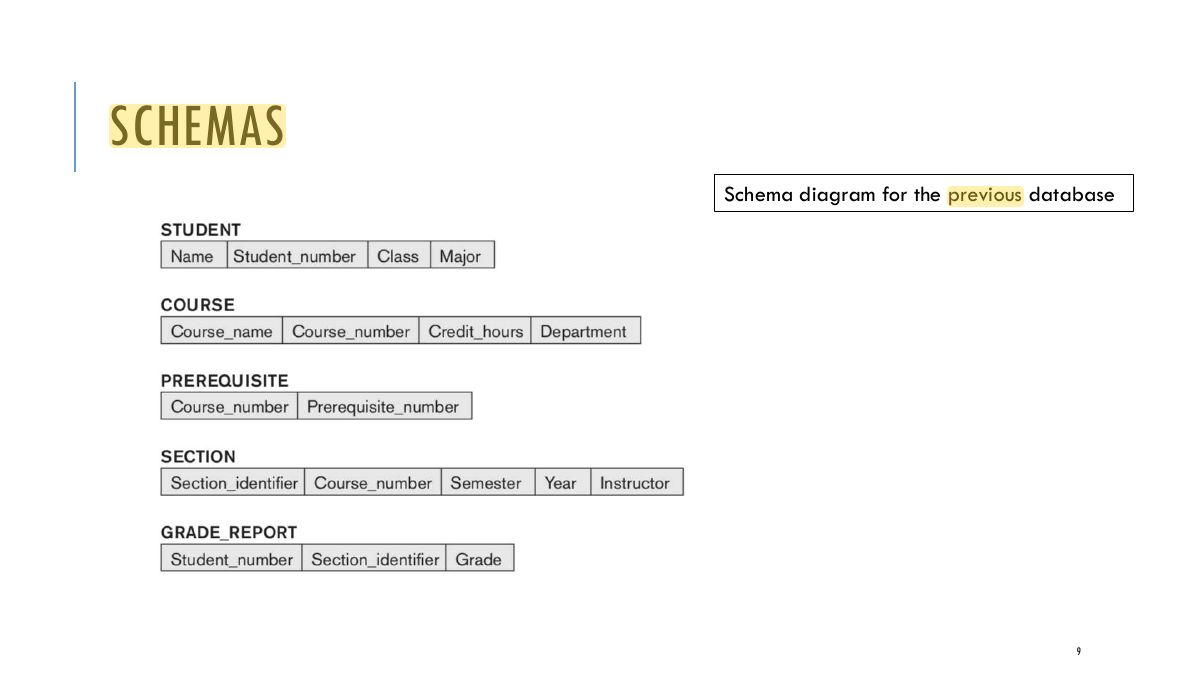
Asked in a real exam
Which lets you modify data structures without affecting existing programs?
Correct: Data independence.
Adding an index to speed up a query without changing the tables is an example of:
Correct: Physical data independence.
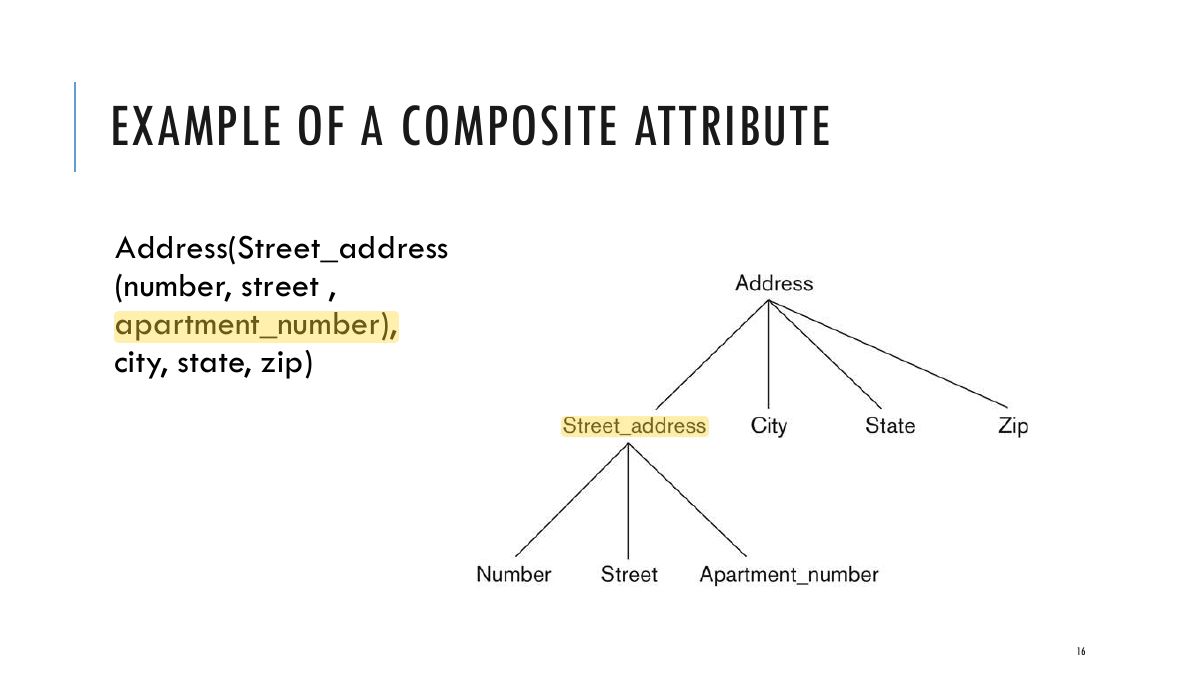
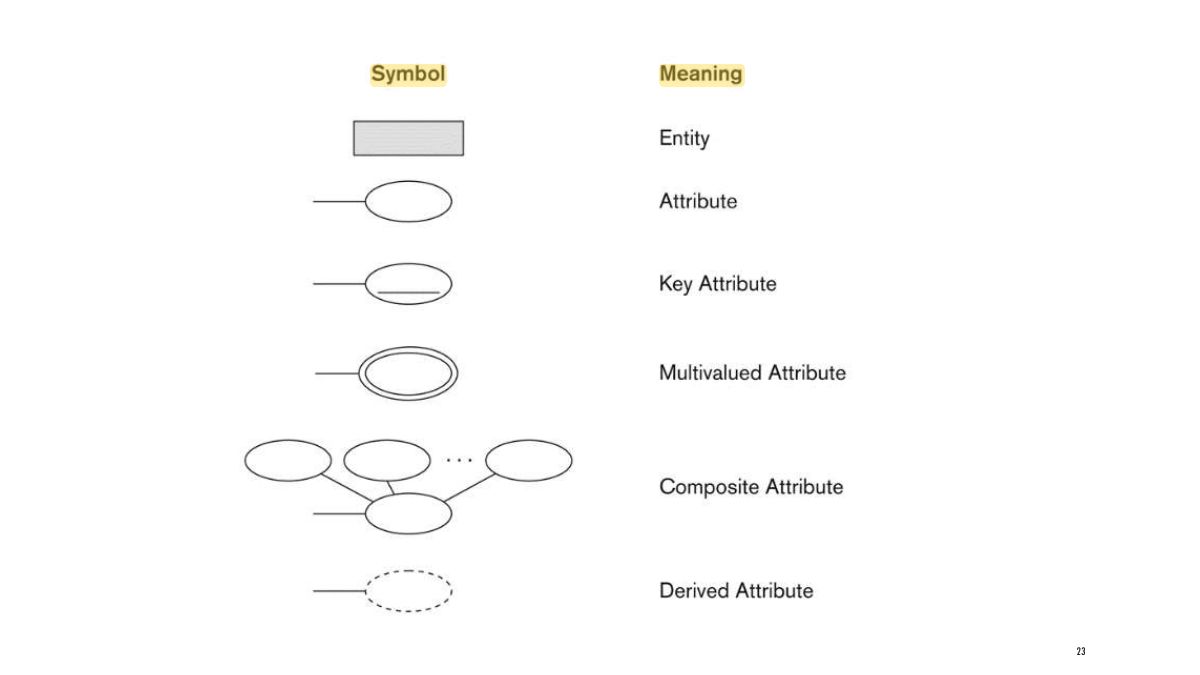
Age computed from BirthDate is a:
Correct: Derived attribute.
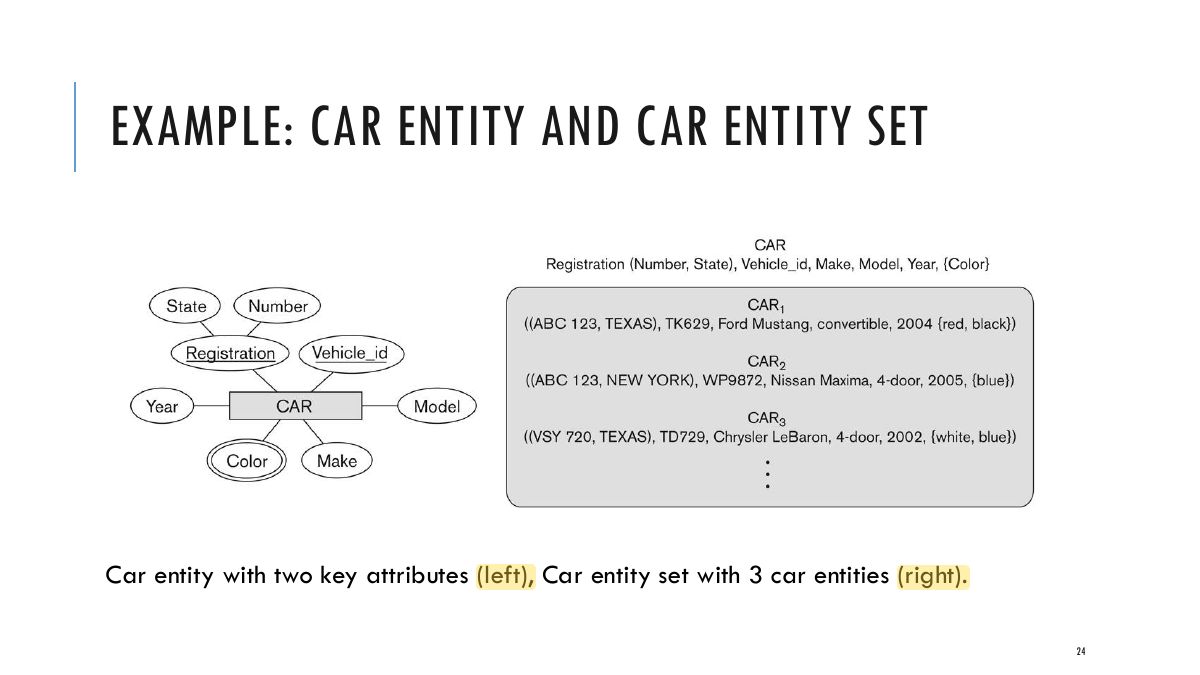
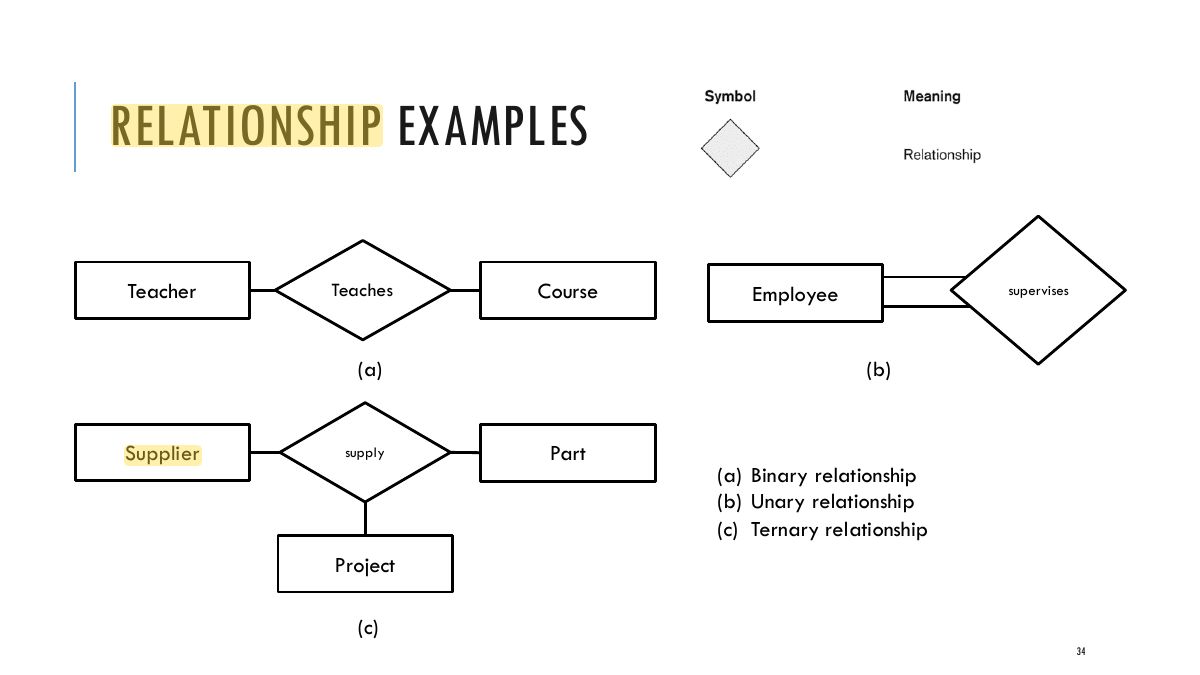
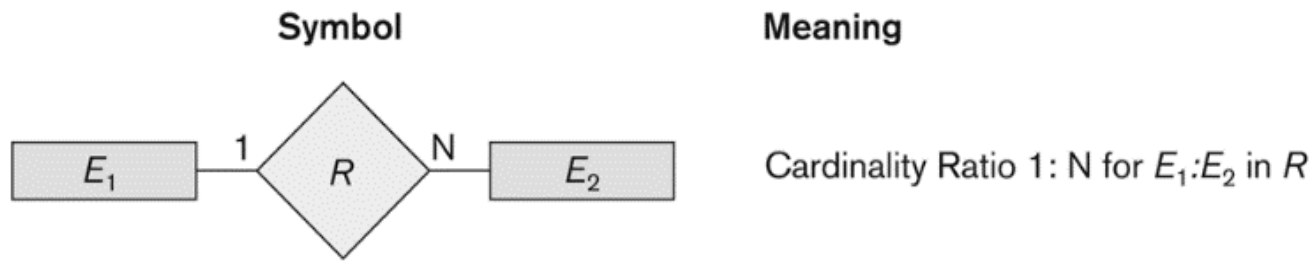
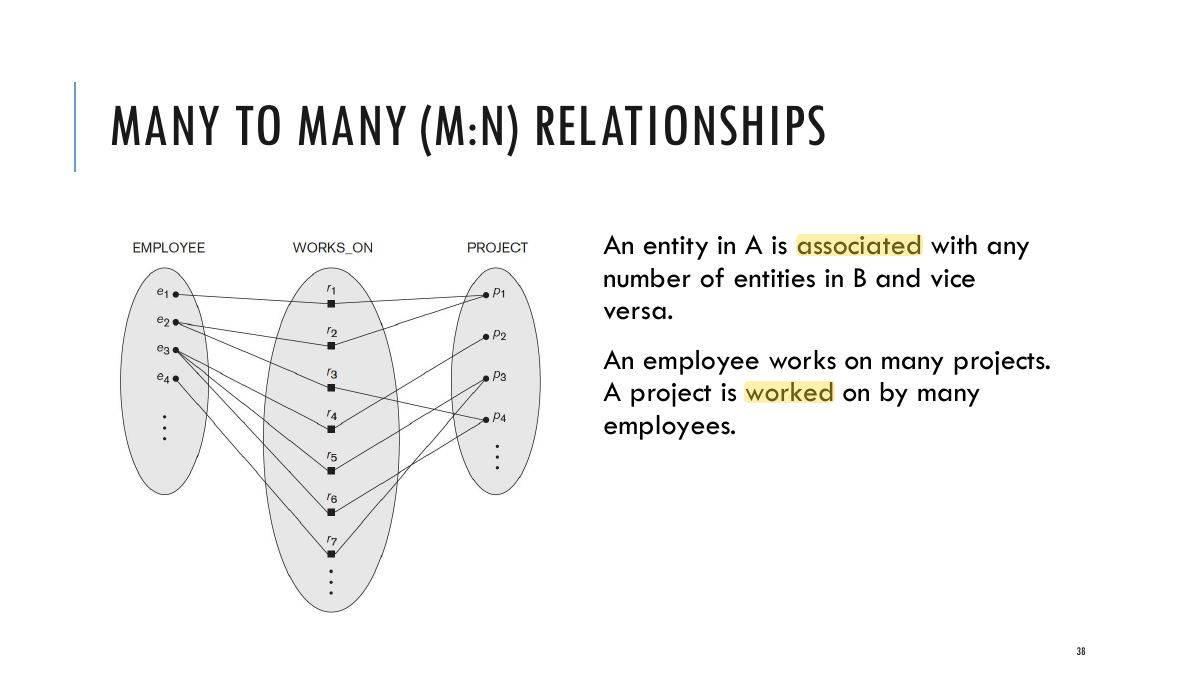
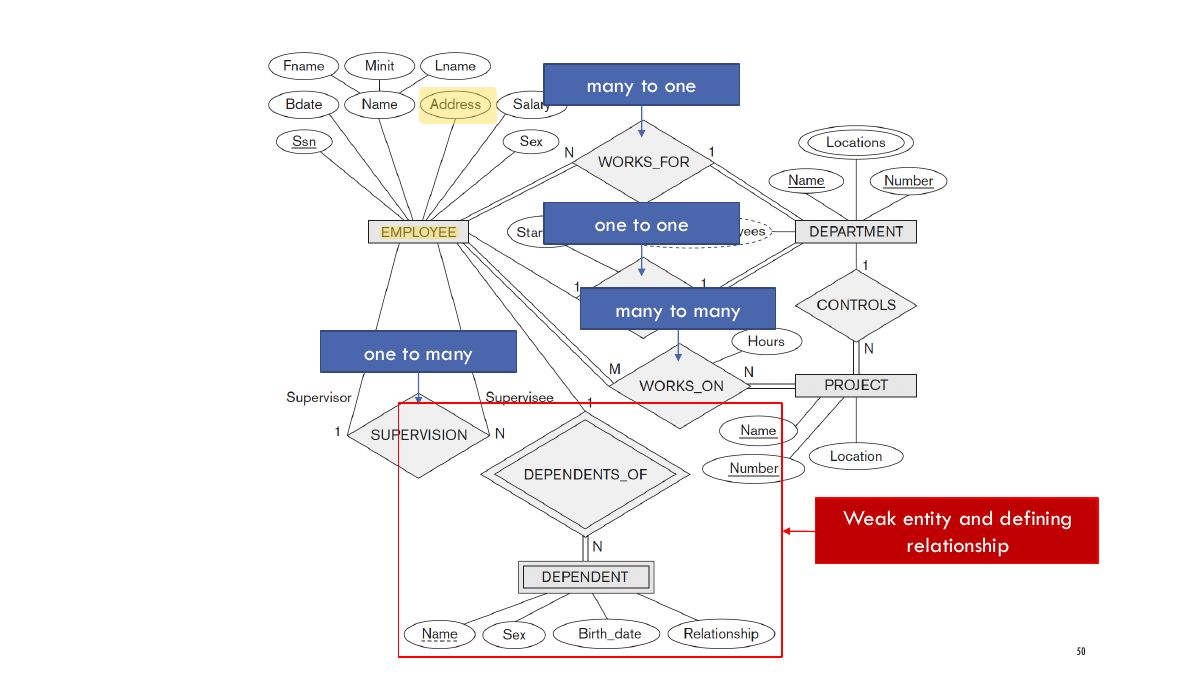
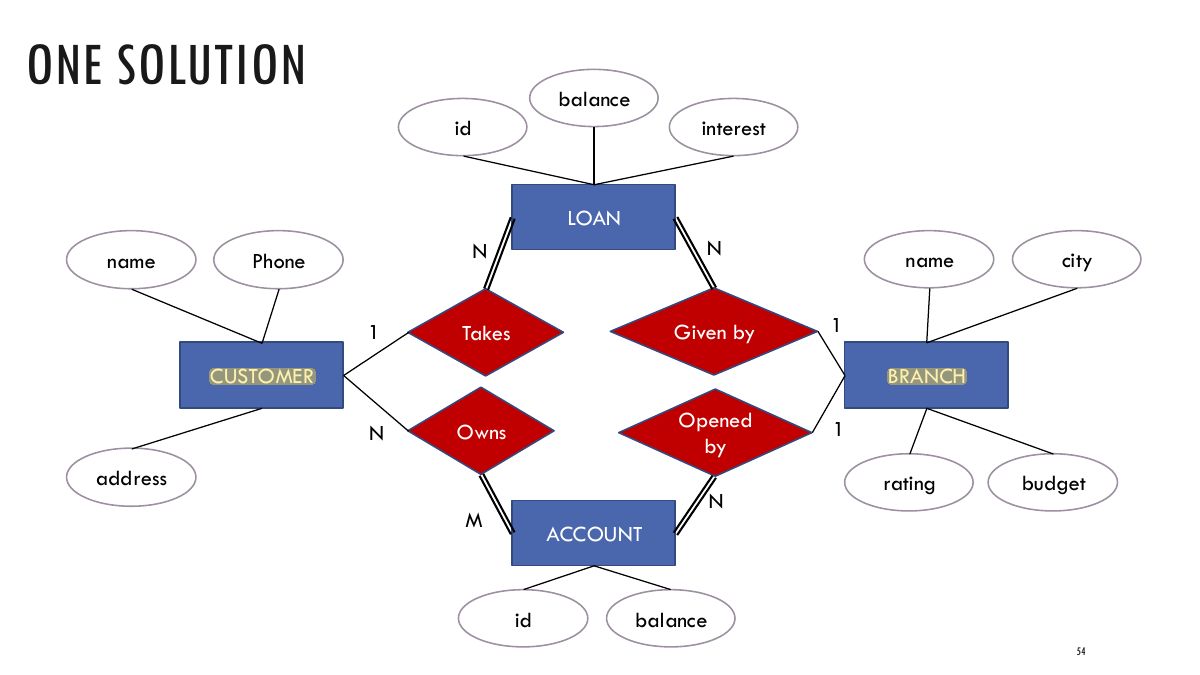
Students take many courses and courses have many students. The cardinality is:
Correct: M:N.
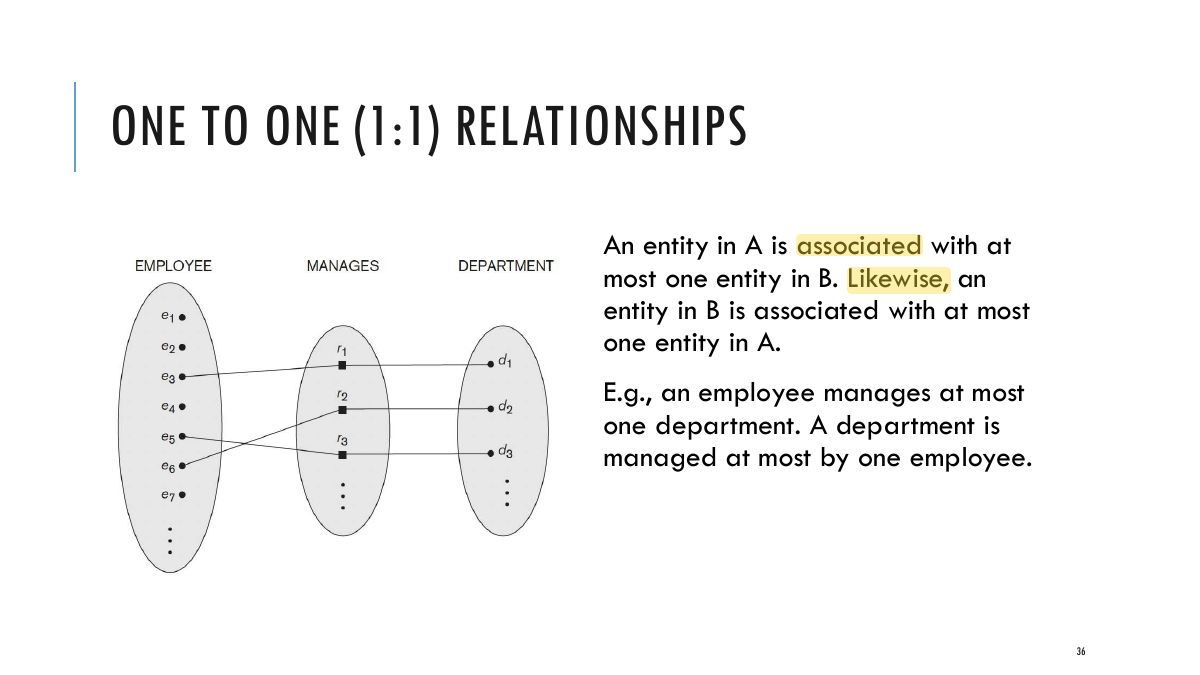
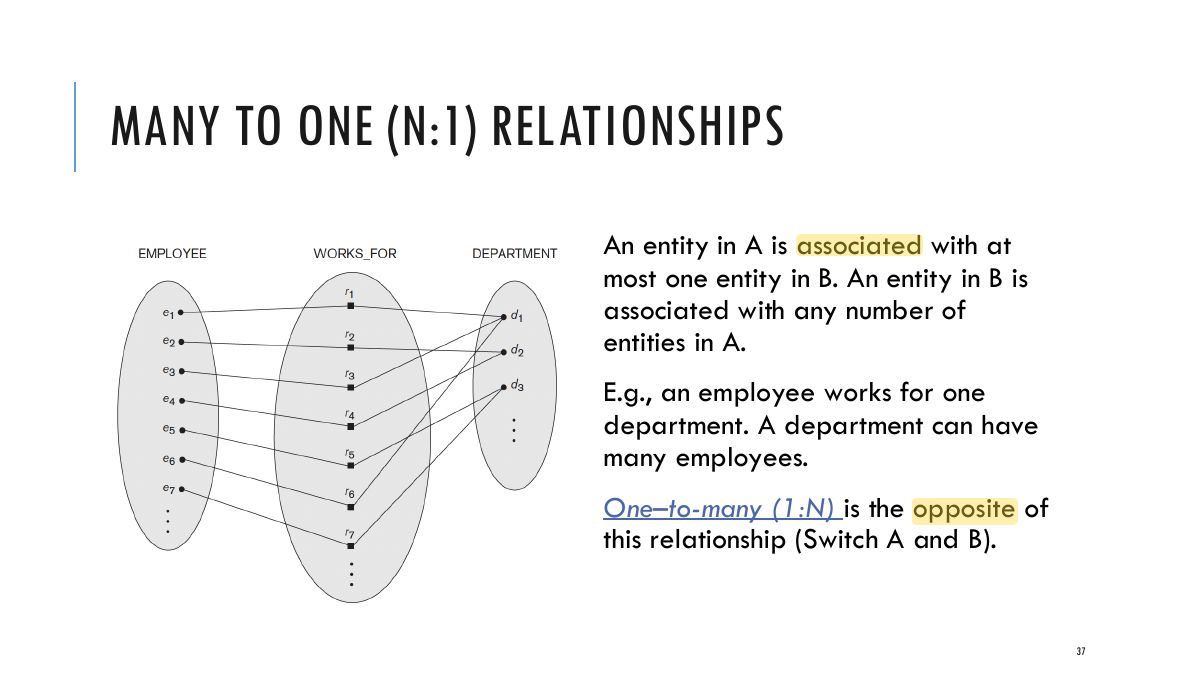
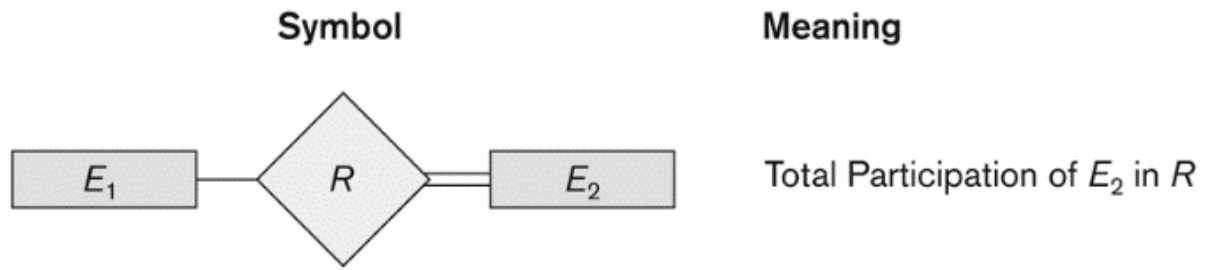
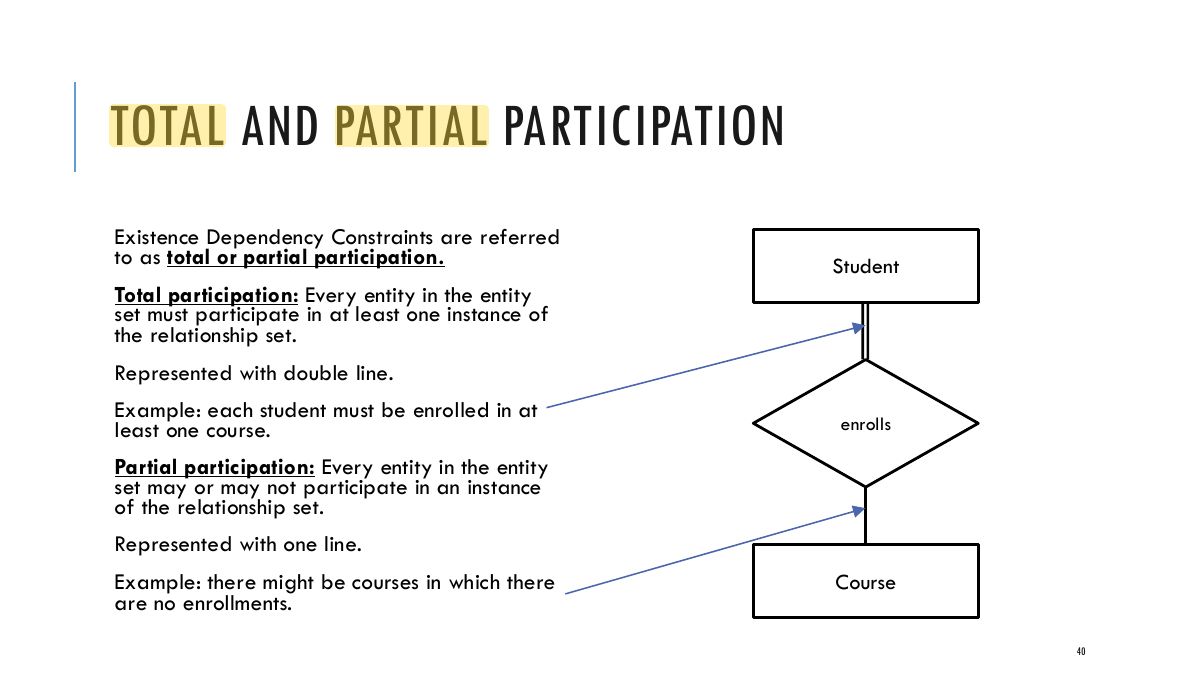
"Every department must have a manager" is shown with:
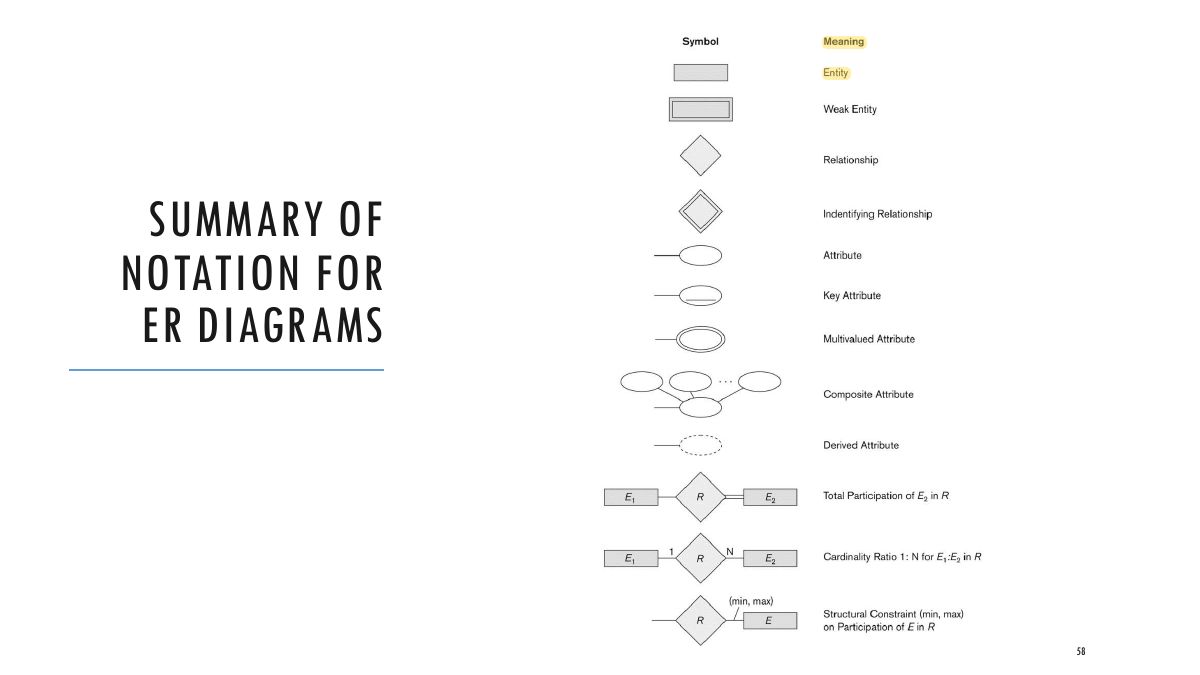
Correct: Total participation (double line) of DEPARTMENT in MANAGES.
Asked in a real exam
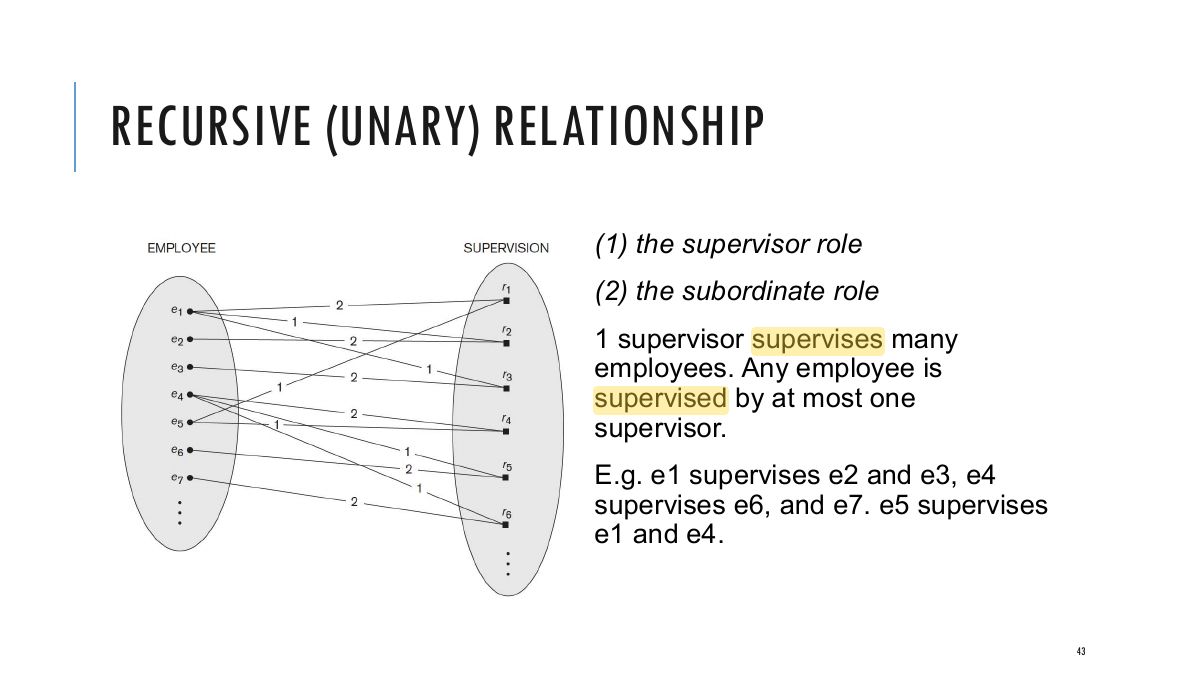
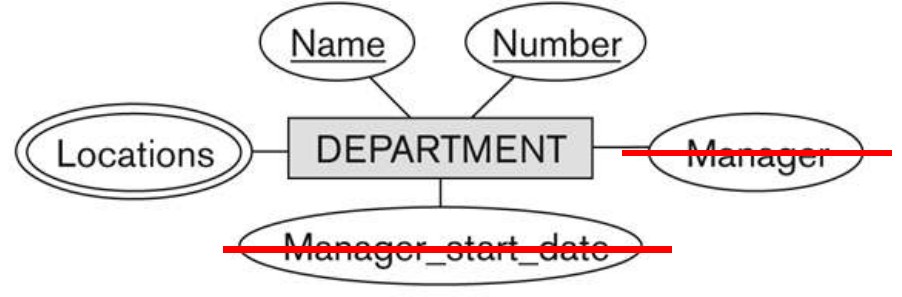
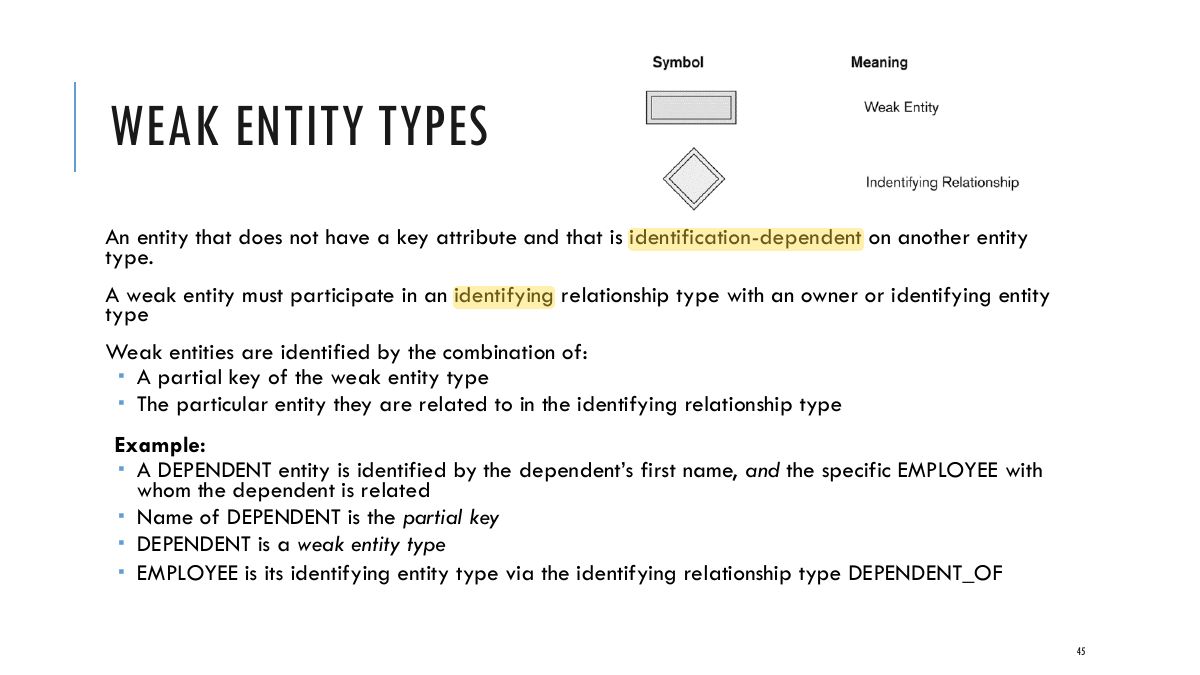
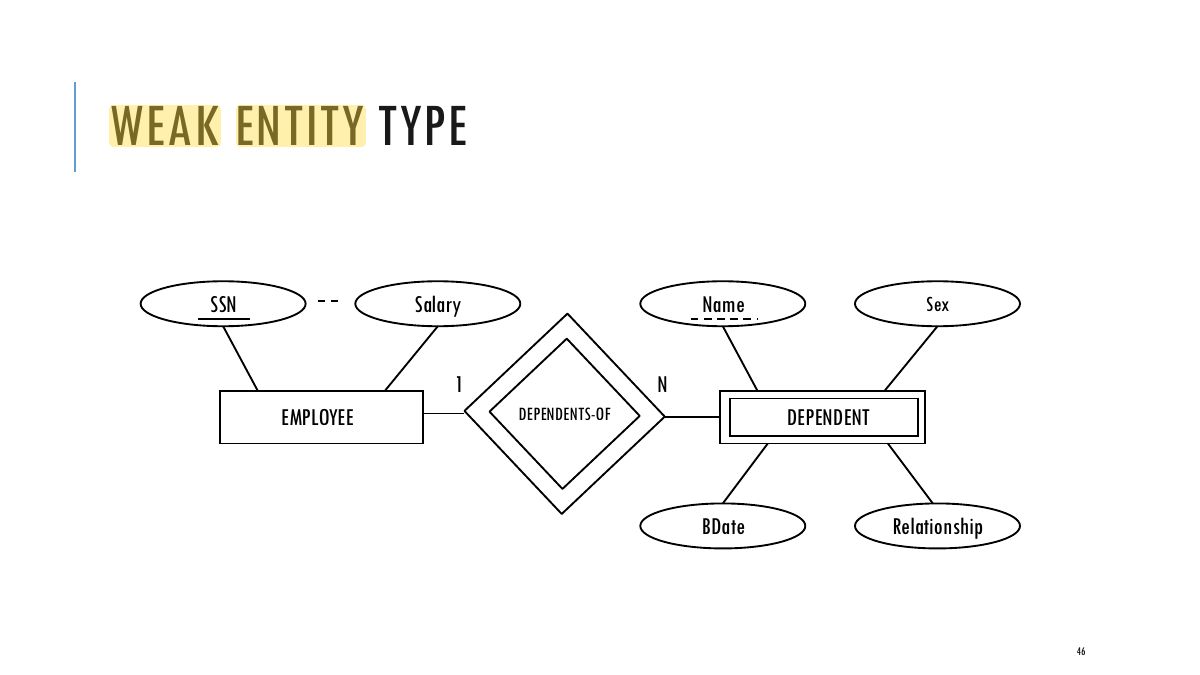
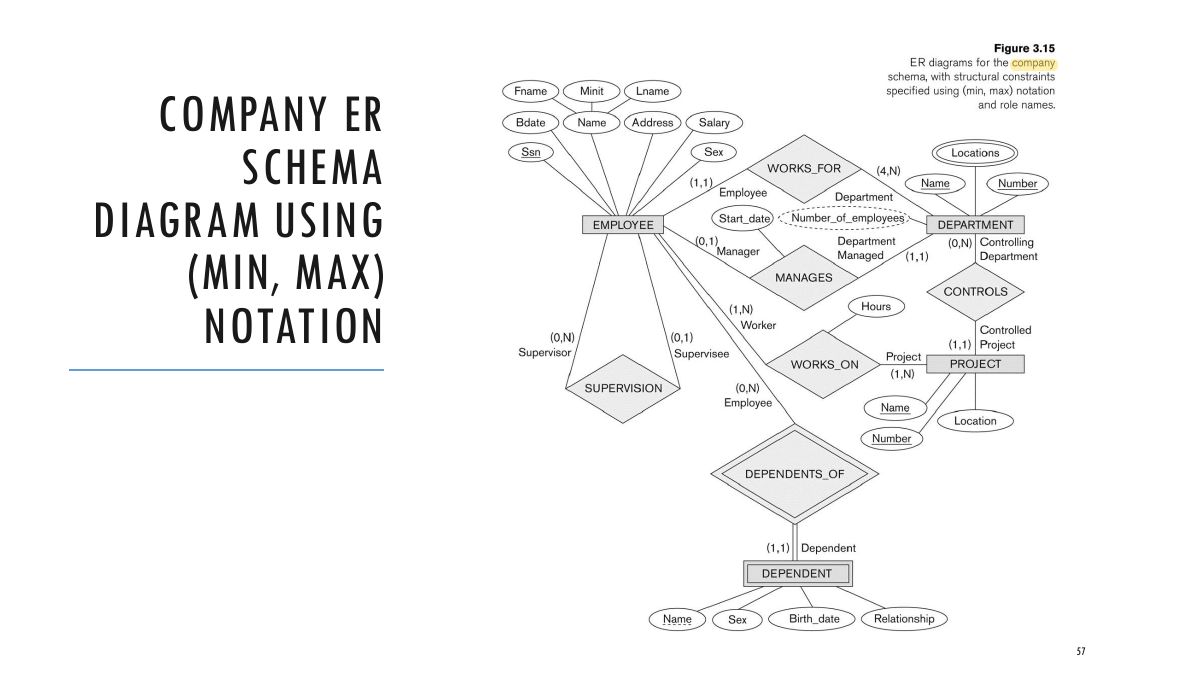
A weak entity type always has ____ participation in its identifying relationship.
Correct: Total.
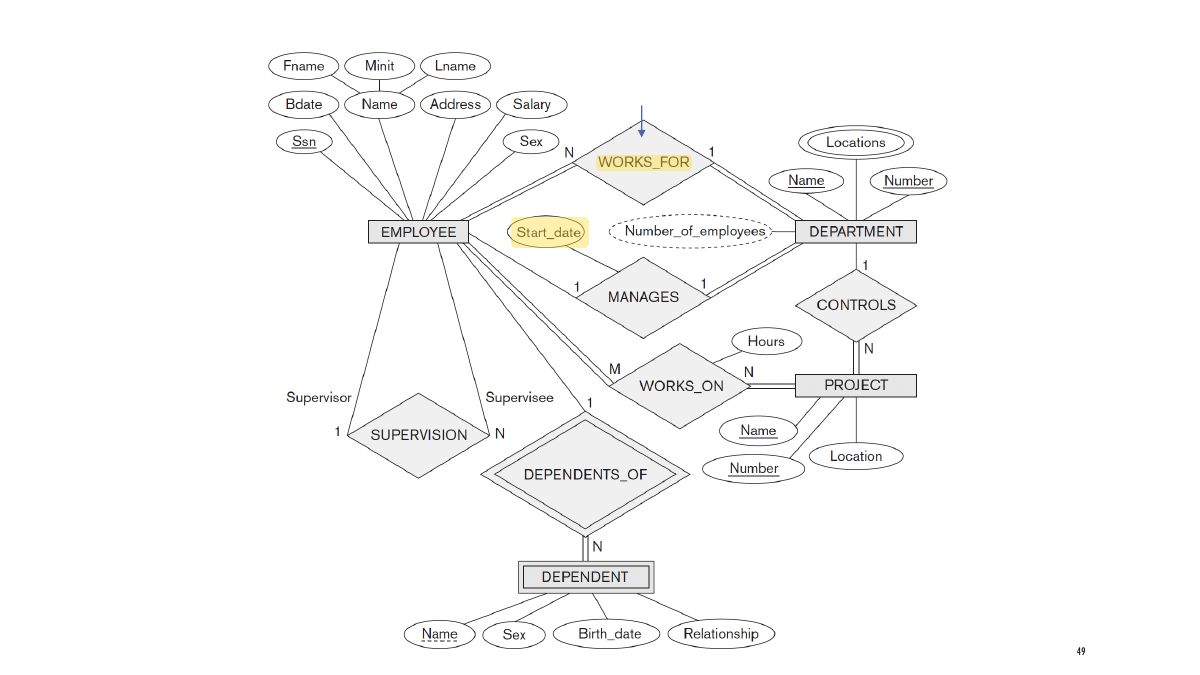
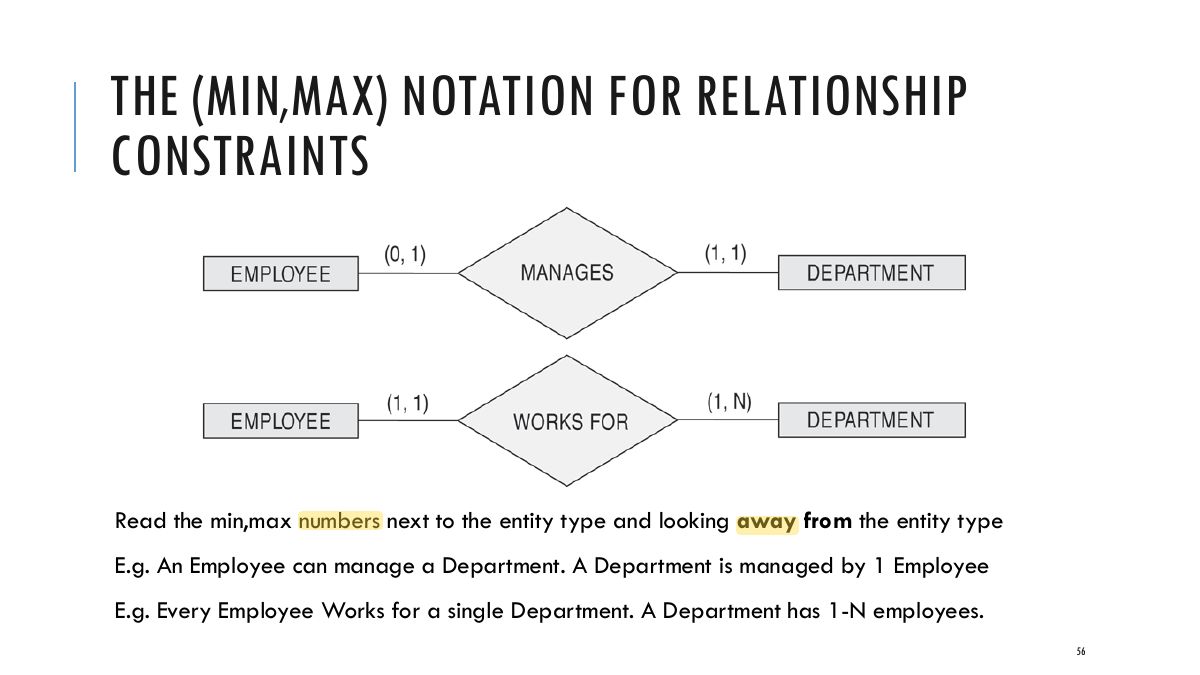
(1, N) next to EMPLOYEE on WORKS_FOR means each employee works for:
Correct: At least one, possibly many.
No slides match this filter.