Exam weight Low
Exam weight Low
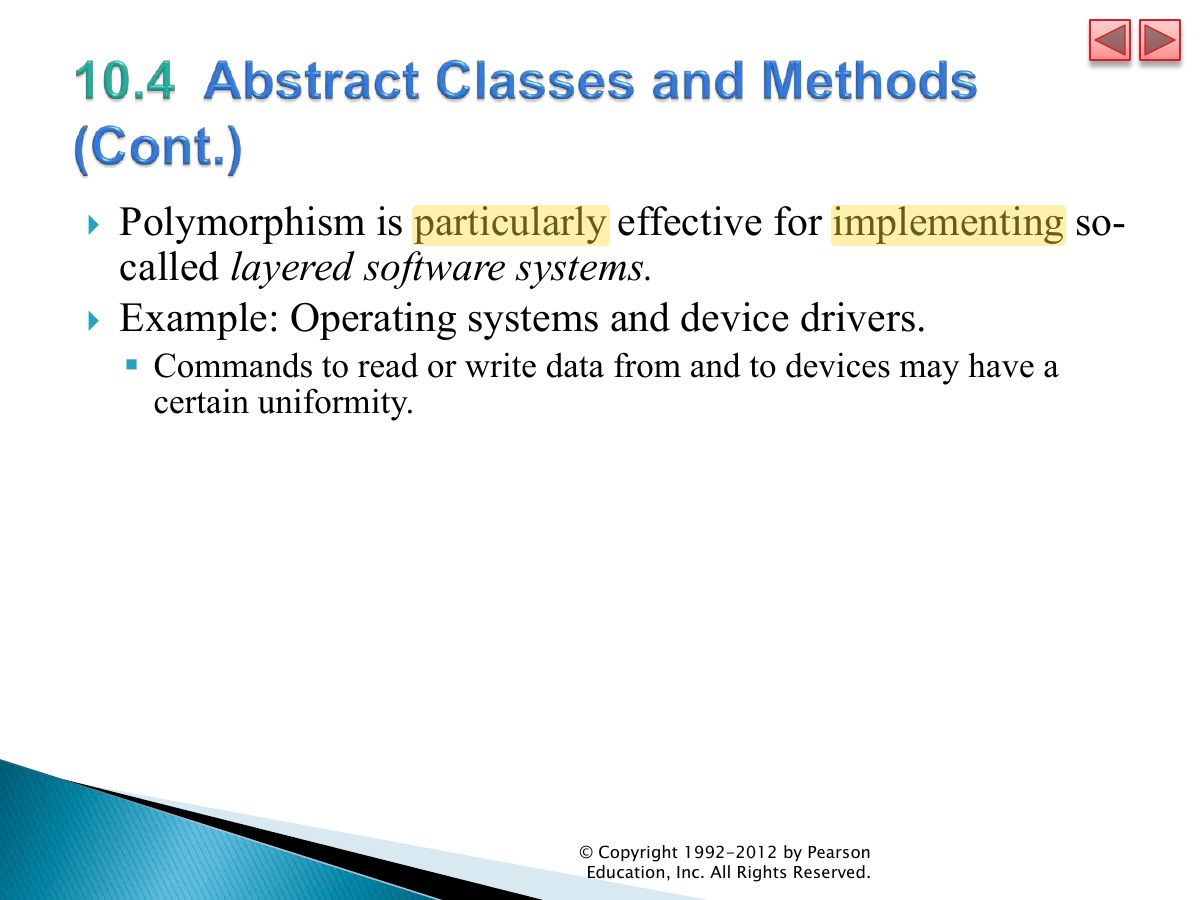
- Polymorphism: write code for the superclass and it works for every subclass (“program in the general”).
Exam weight Low
Exam weight Low
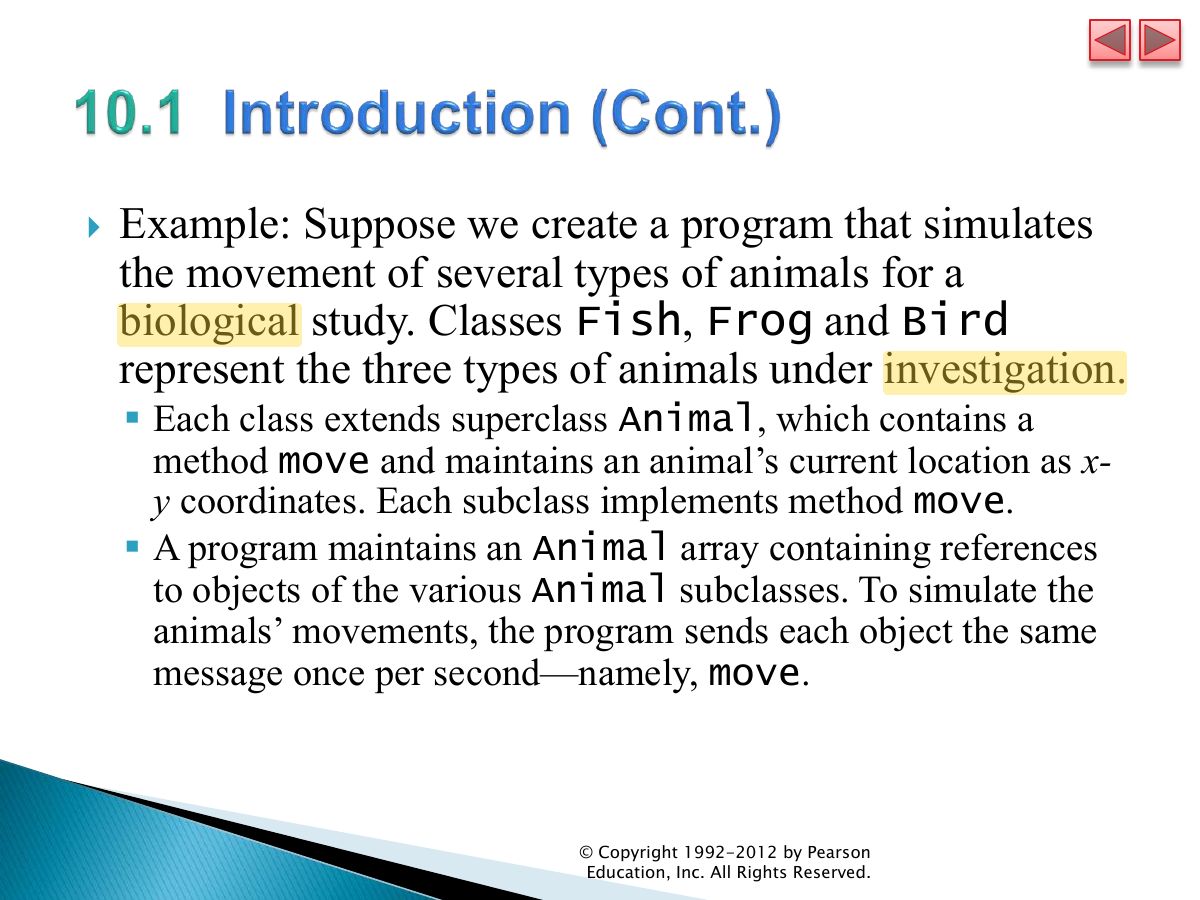
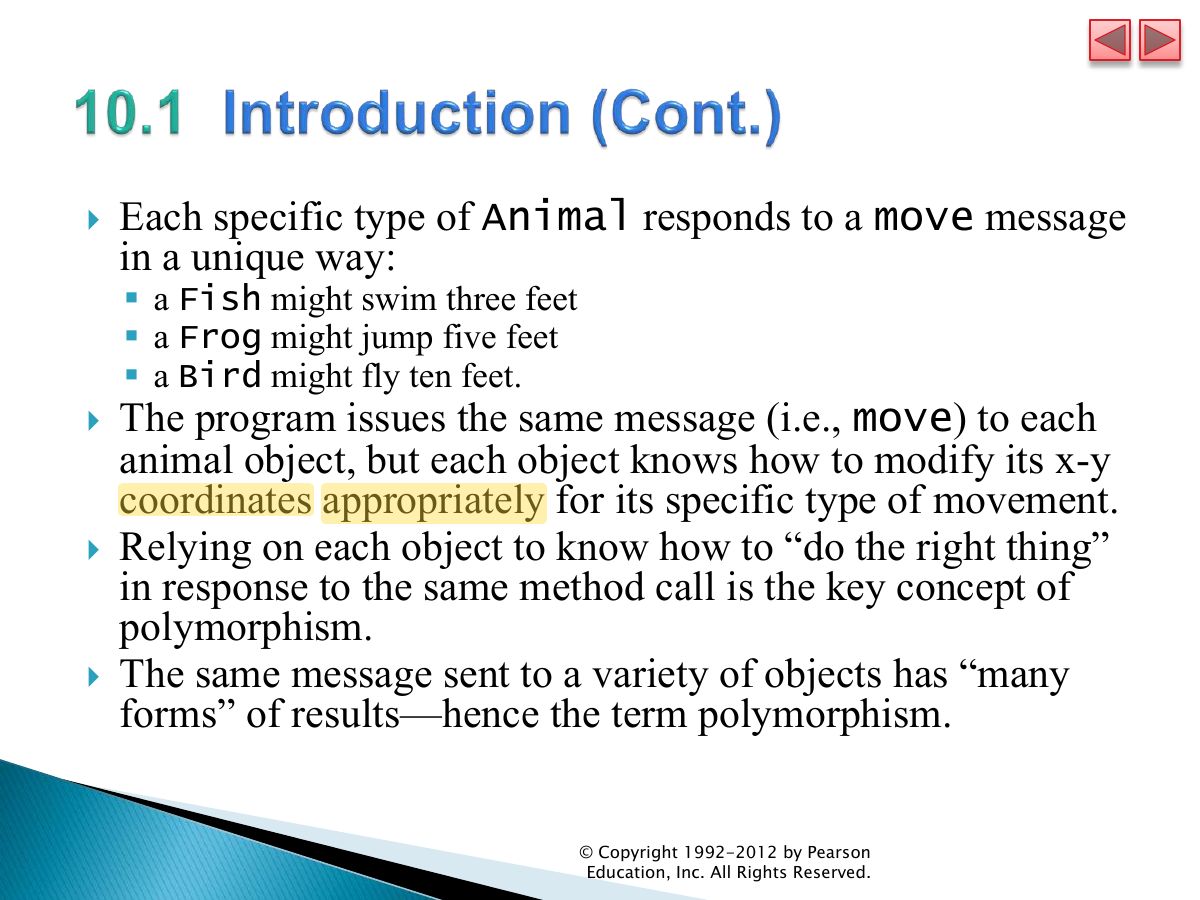
- Same message (move) → different behaviour per object (fish swims, bird flies).
Exam weight Low
- Polymorphic systems are extensible: add new subclasses with little or no change.
Exam weight Low
Exam weight
High
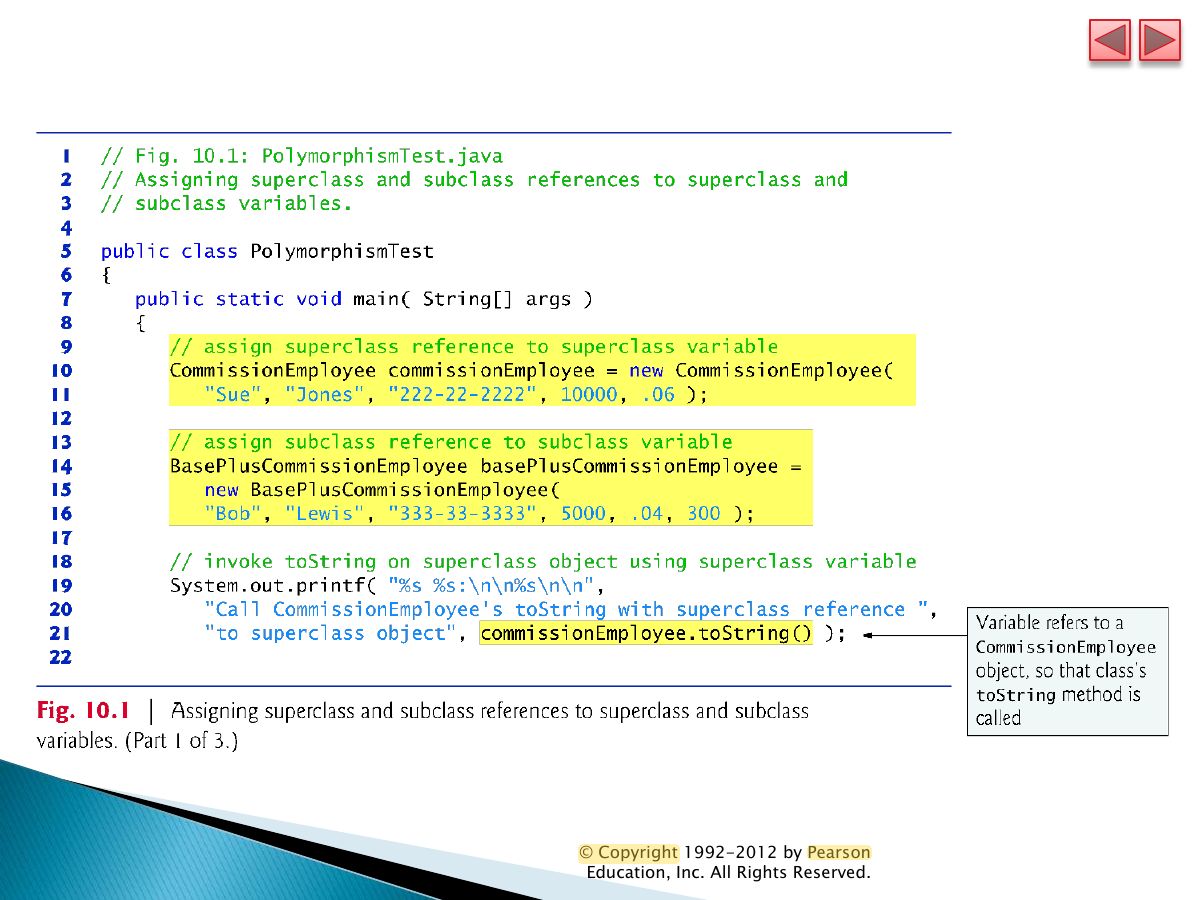
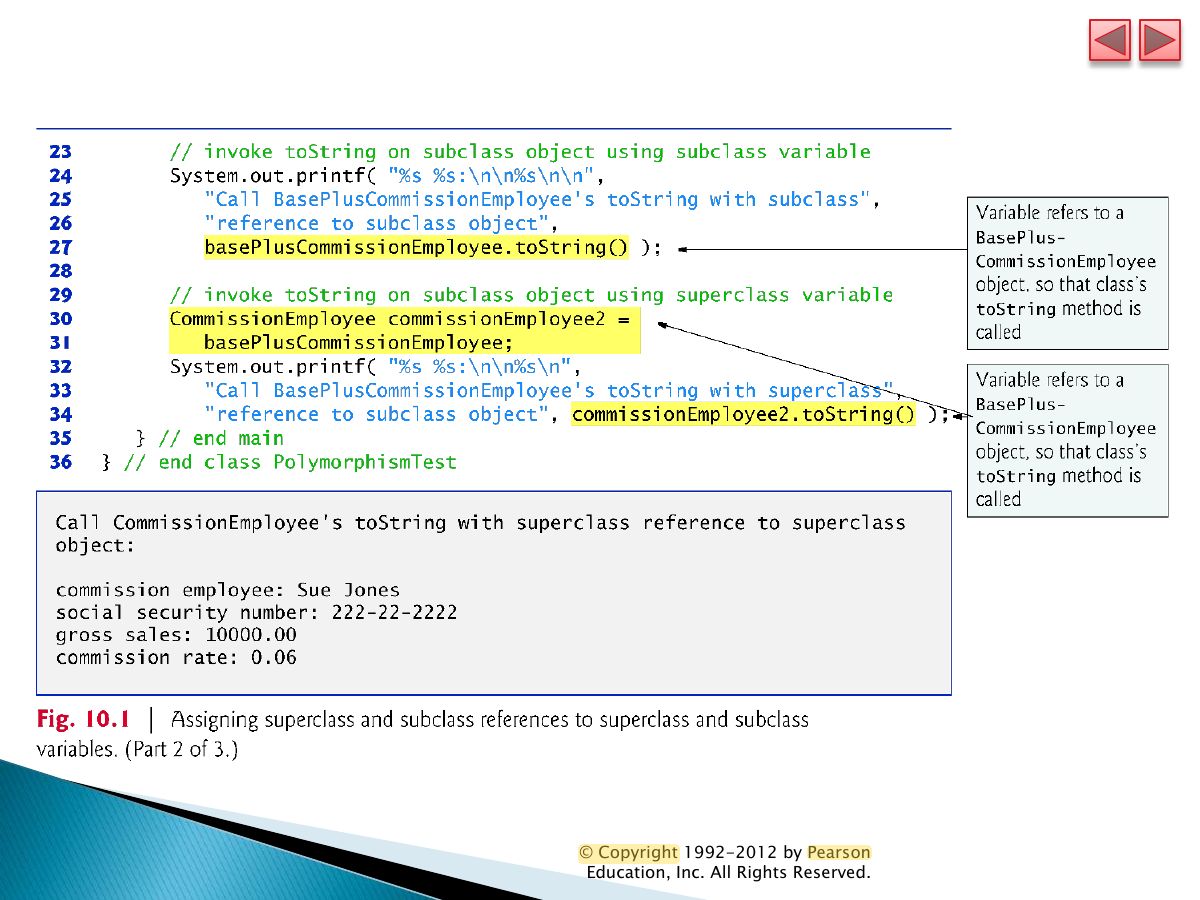
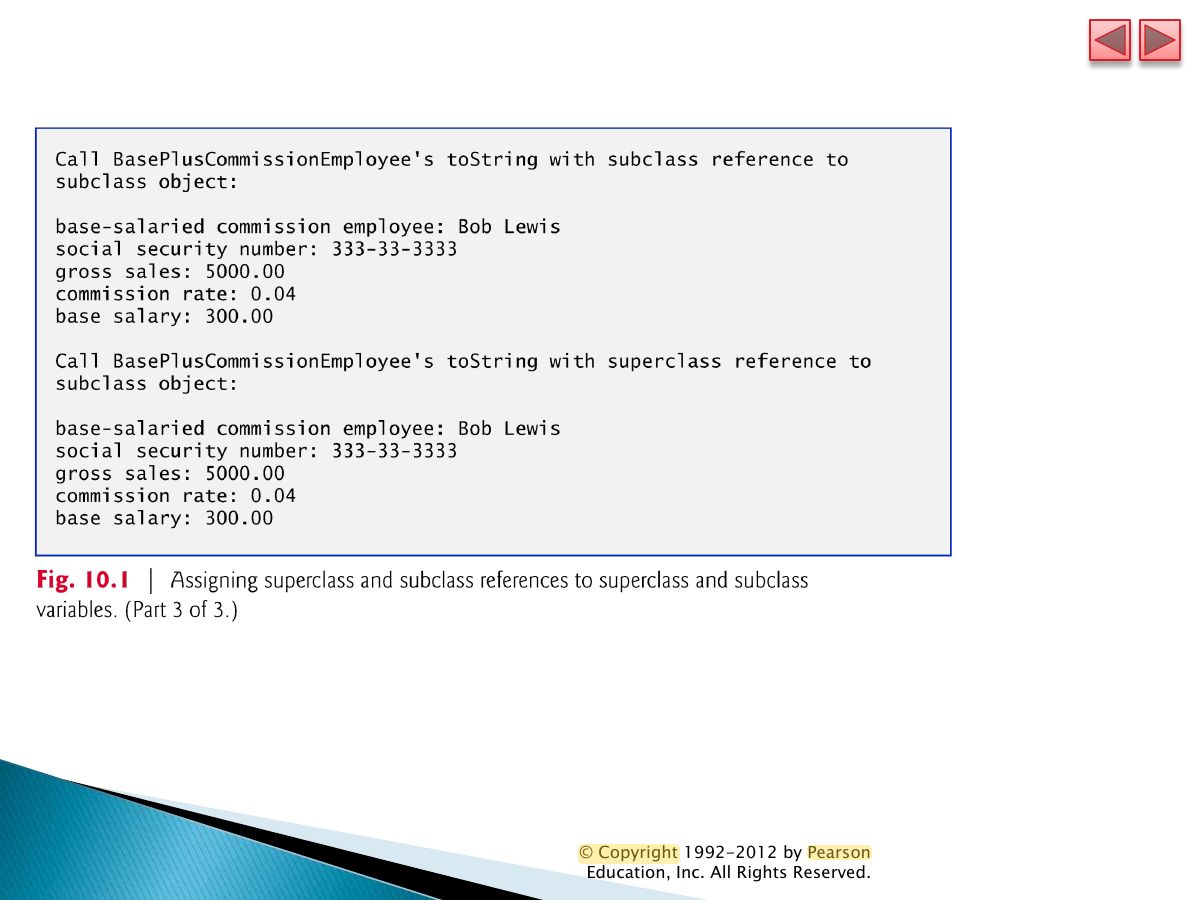
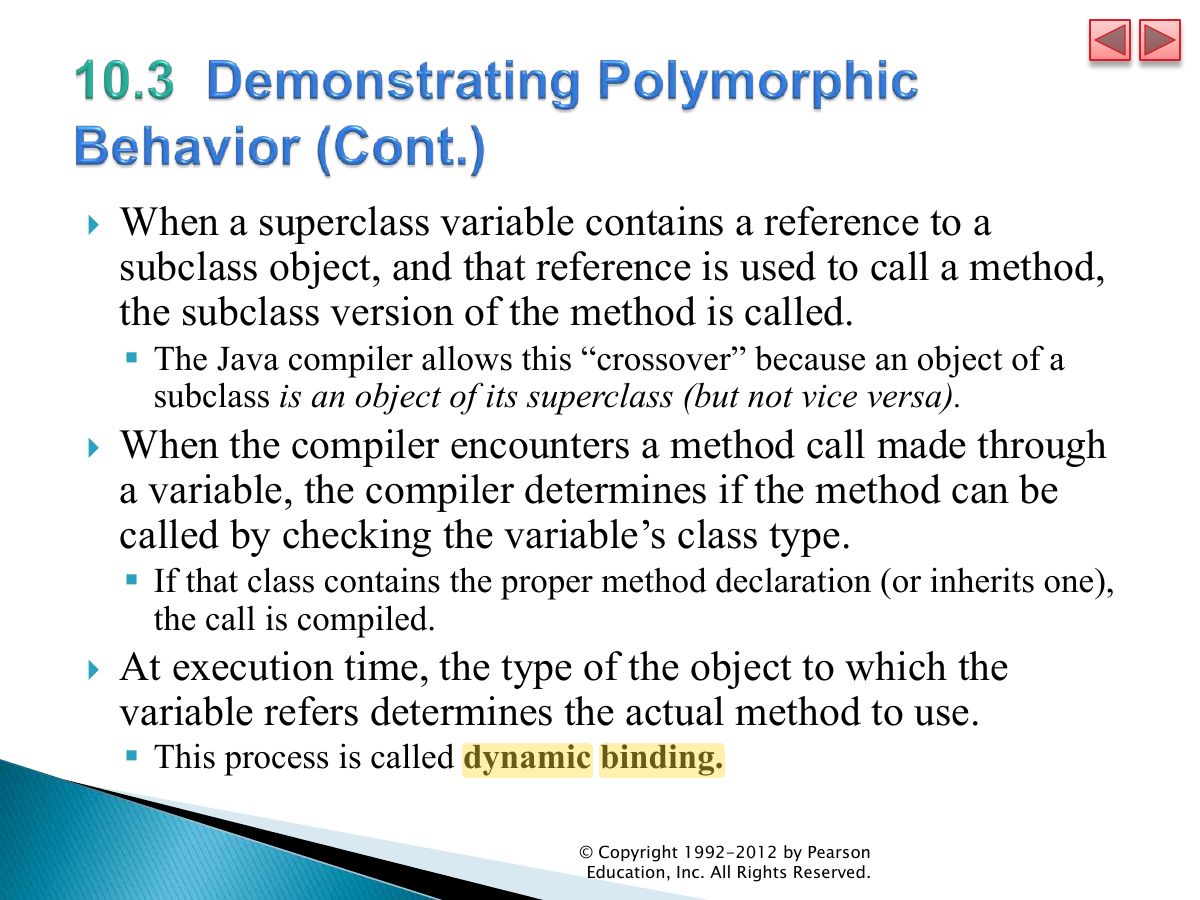
- A superclass reference can point to a subclass object; the OBJECT’s type decides which method runs.
🎯 How this can come up · 1 question
MCQ
Employee e = new SalariedEmployee(); e.earnings(); runs which earnings()?
Correct: SalariedEmployee’s.
Exam weight Low
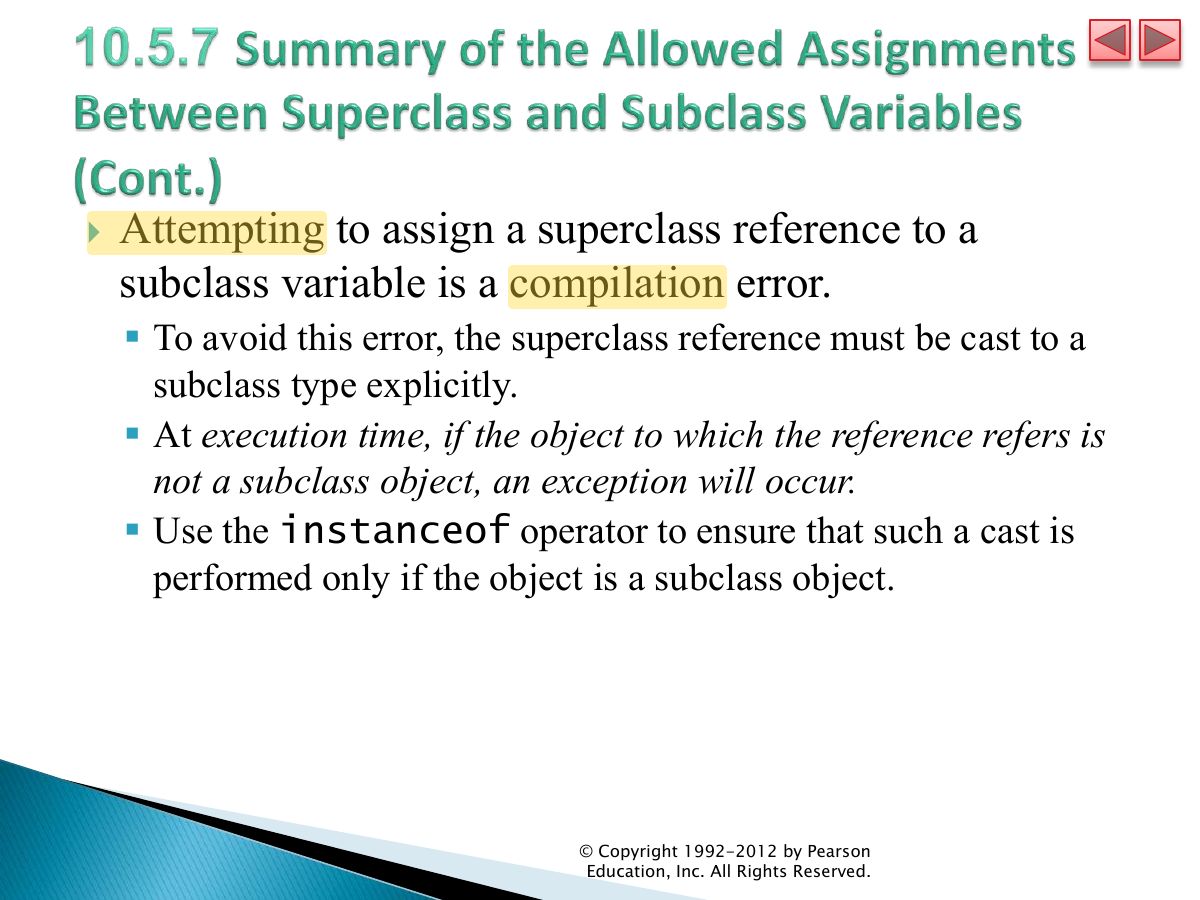
- A superclass object is NOT a subclass object; downcasting needs an explicit cast.
Exam weight Low
Exam weight Low
Exam weight Low
Exam weight Low
Exam weight
High
- Compile time: the variable’s type must have the method. Run time: the object’s type picks the version → dynamic binding.
Memory trickCompiler checks the REFERENCE type; JVM runs
the OBJECT type.
Exam weight Low
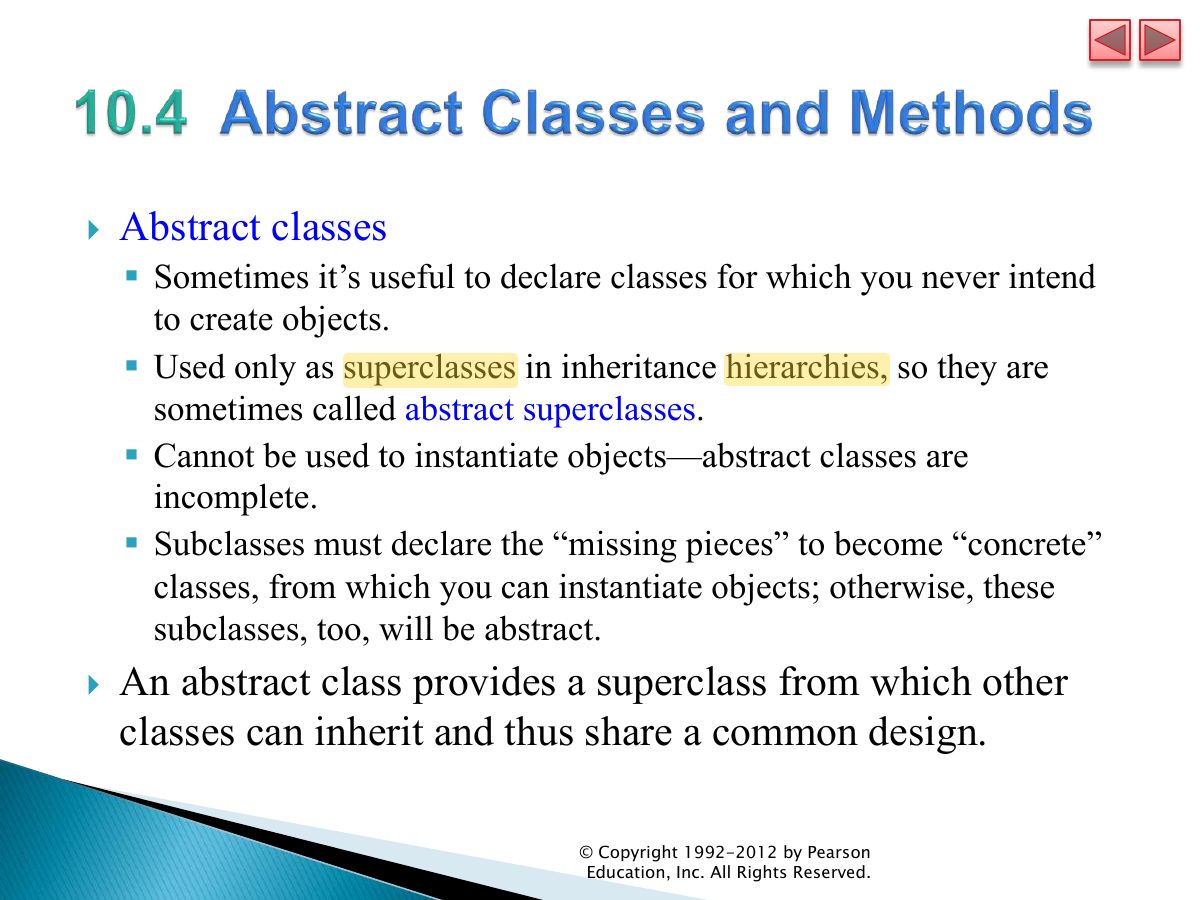
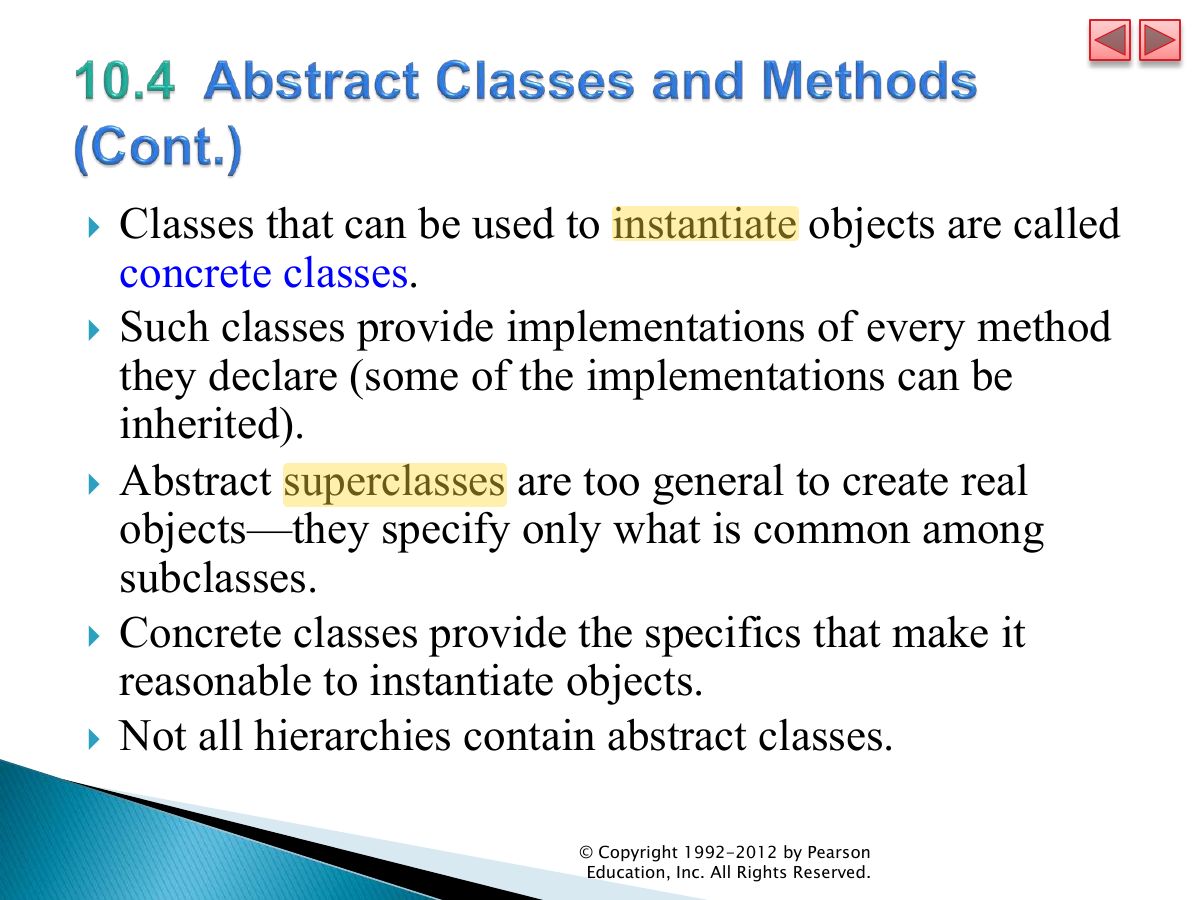
- Abstract classes: never instantiated; used as superclasses; incomplete.
Exam weight Low
Exam weight
High
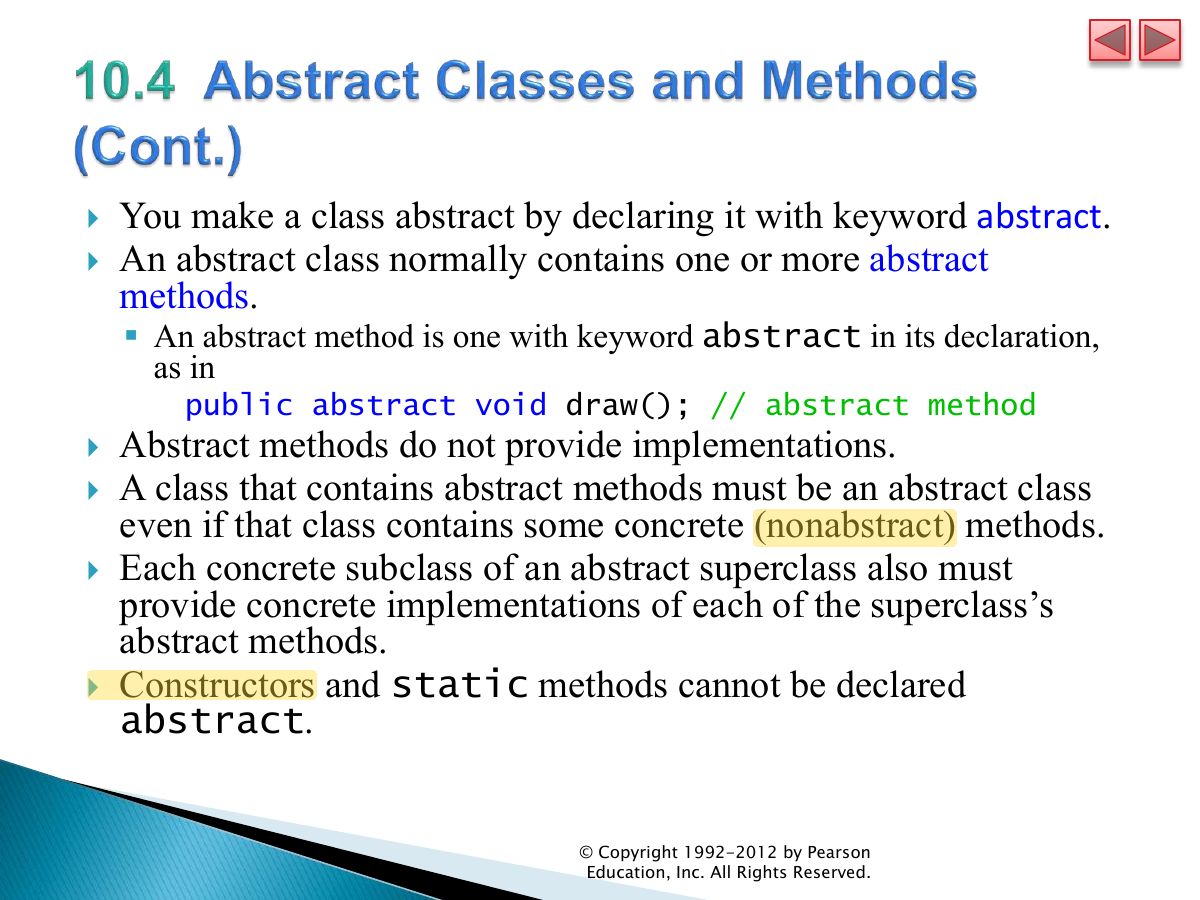
- abstract method = no body (public abstract void draw();). A class with an abstract method must be abstract. Concrete subclasses must implement it.
🎯 How this can come up · 2 questions
True / False
A class that contains an abstract method must itself be declared abstract.
True.
True / False
Constructors can be declared abstract.
False.
Exam weight
High
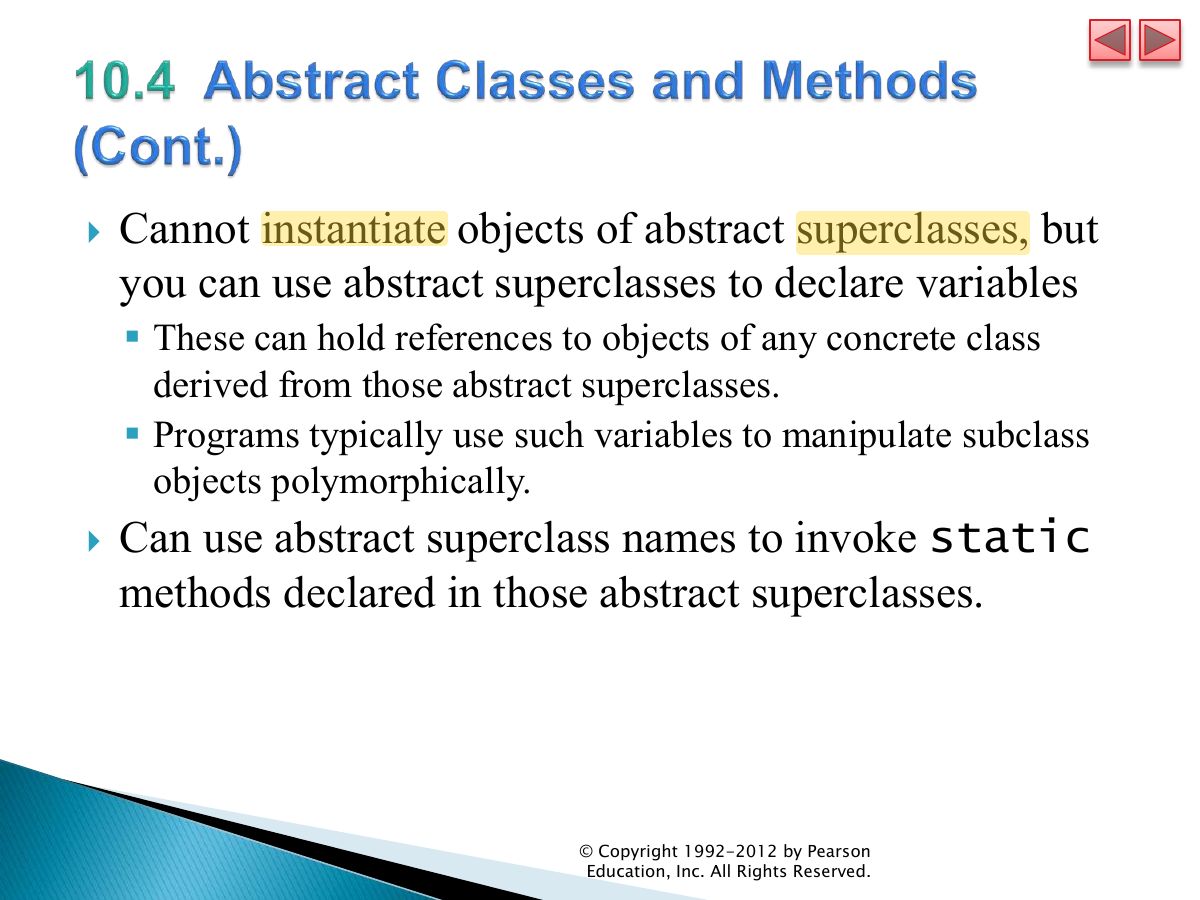
- You can’t create objects of an abstract class, but you can declare variables of its type.
🎯 How this can come up · 1 question
MCQ
Given abstract class Shape, which is legal?
Correct: Shape s = new Circle();.
Exam weight Low
Exam weight Low
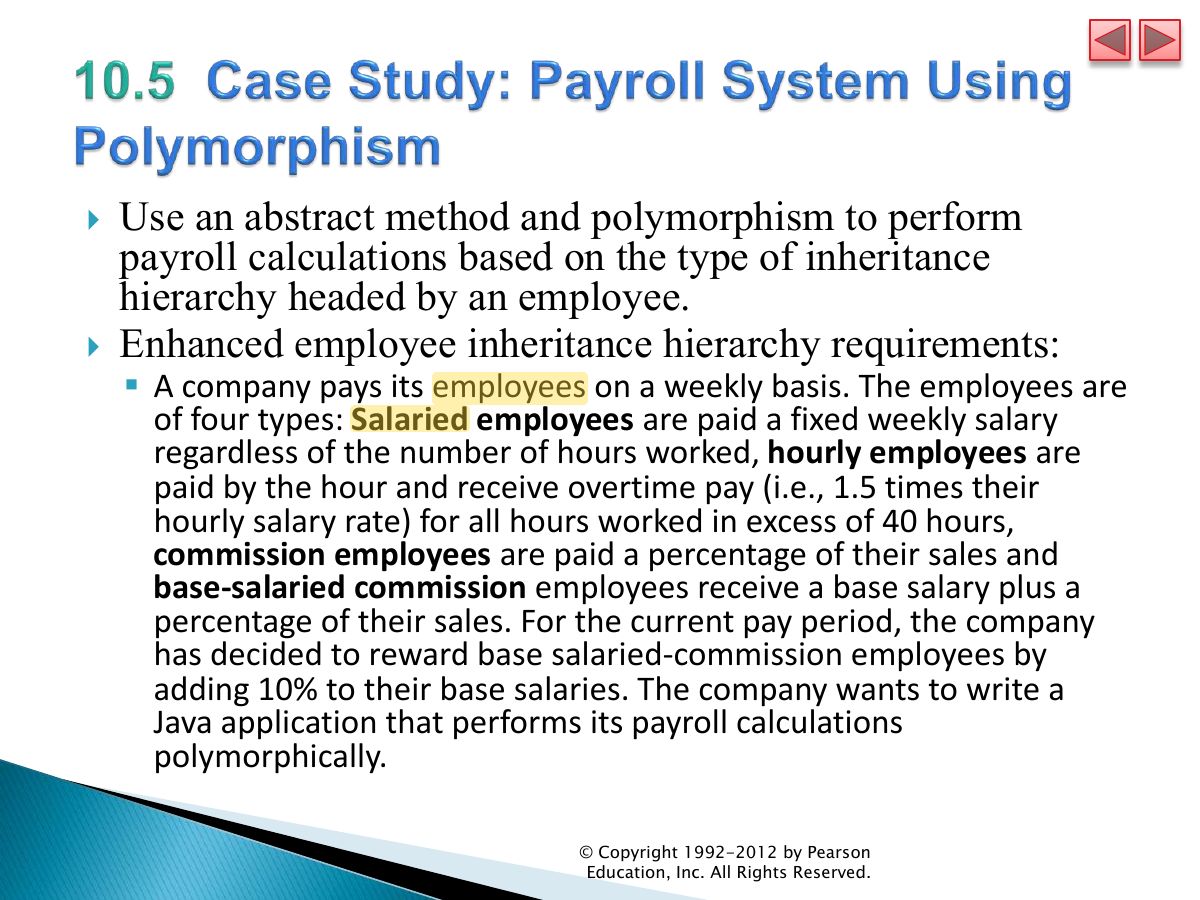
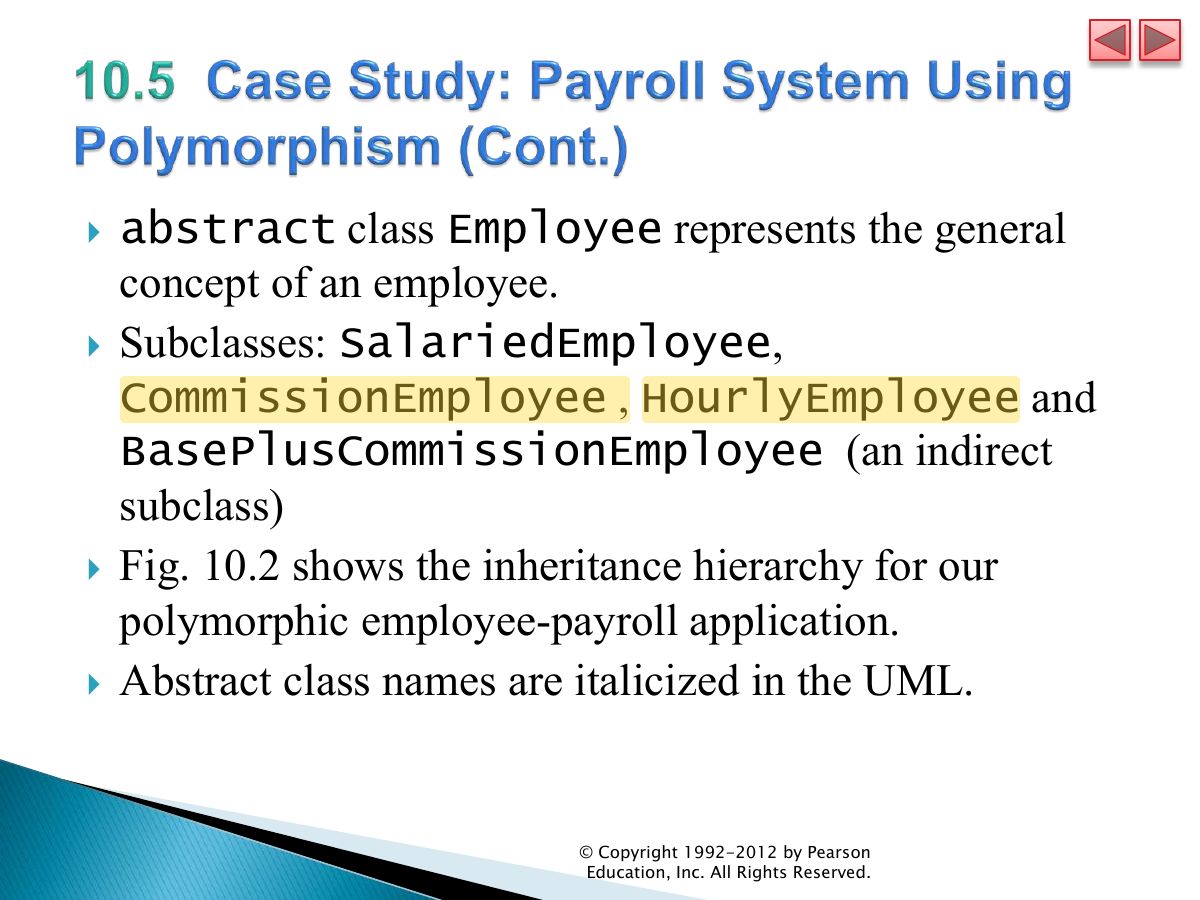
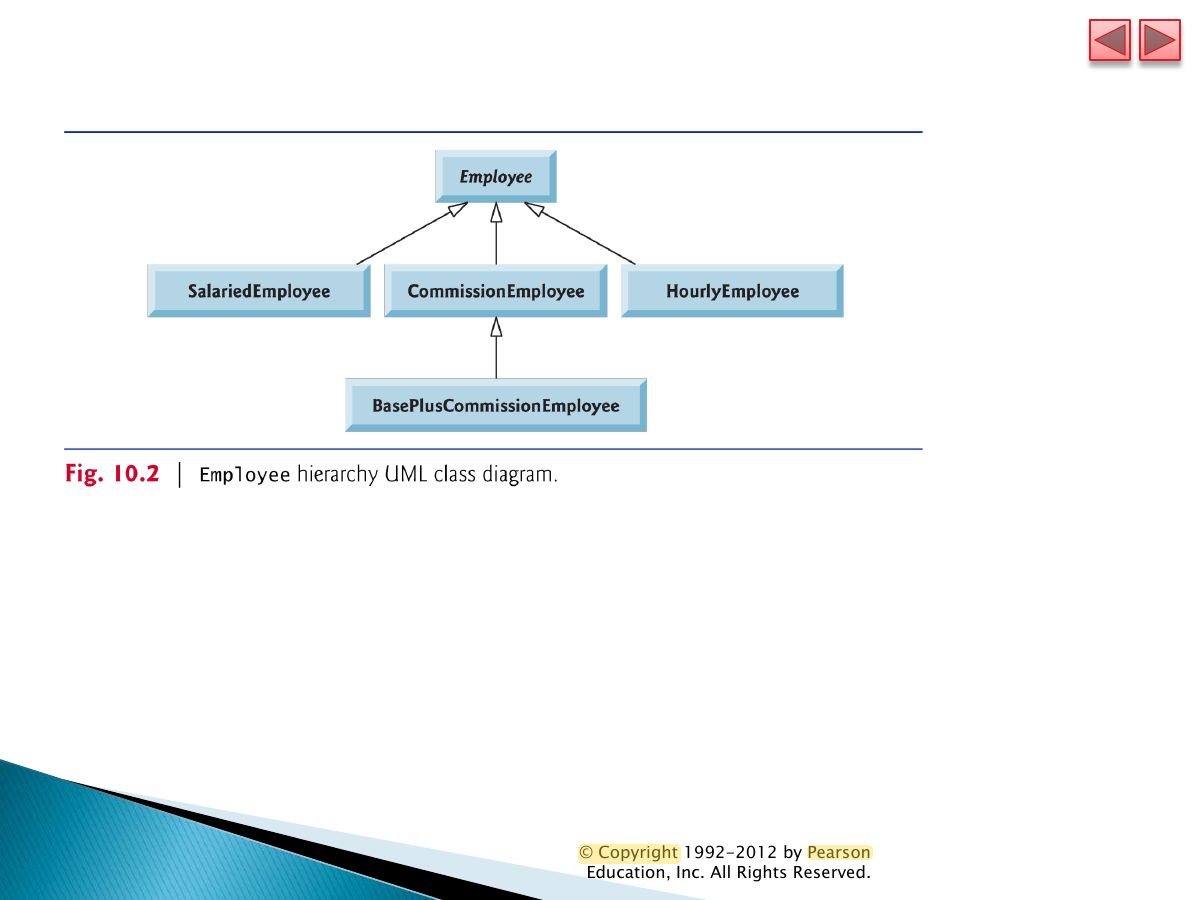
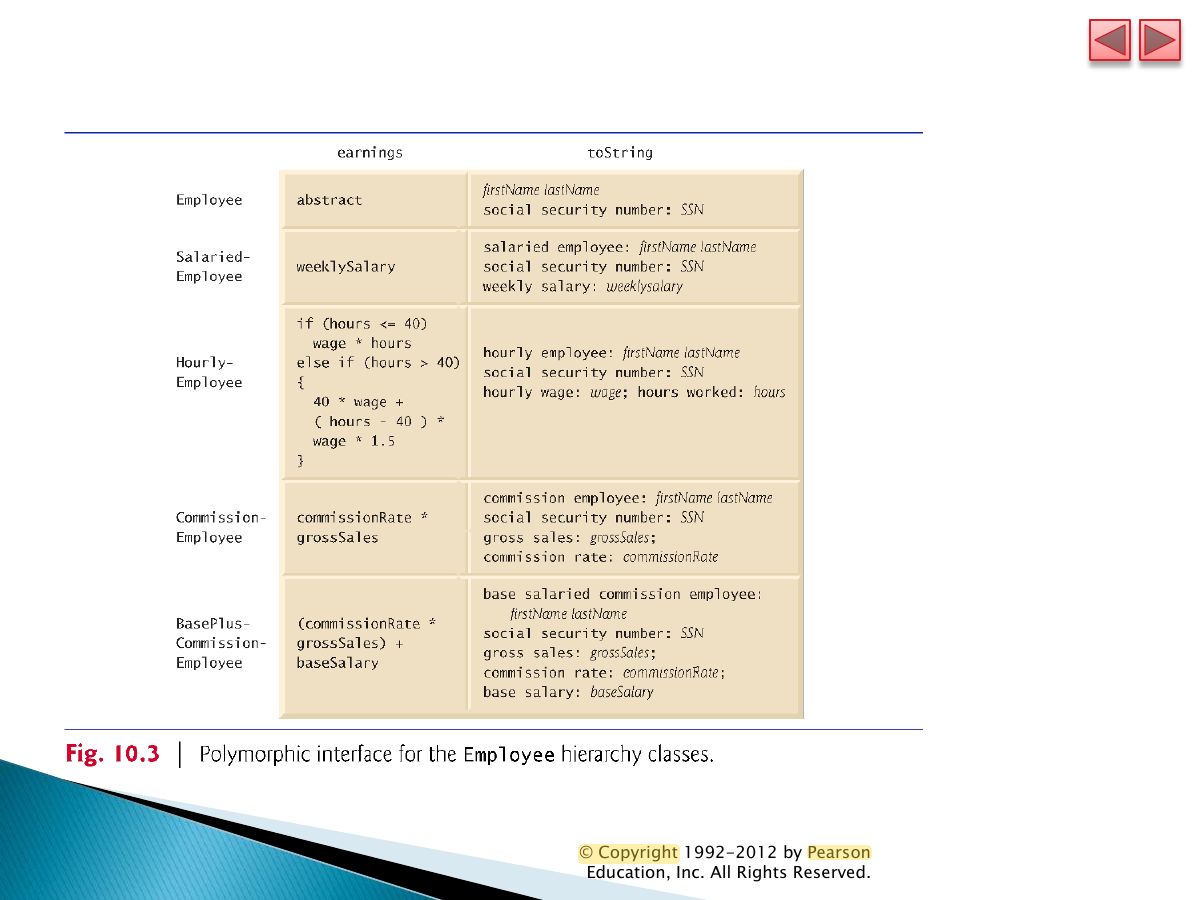
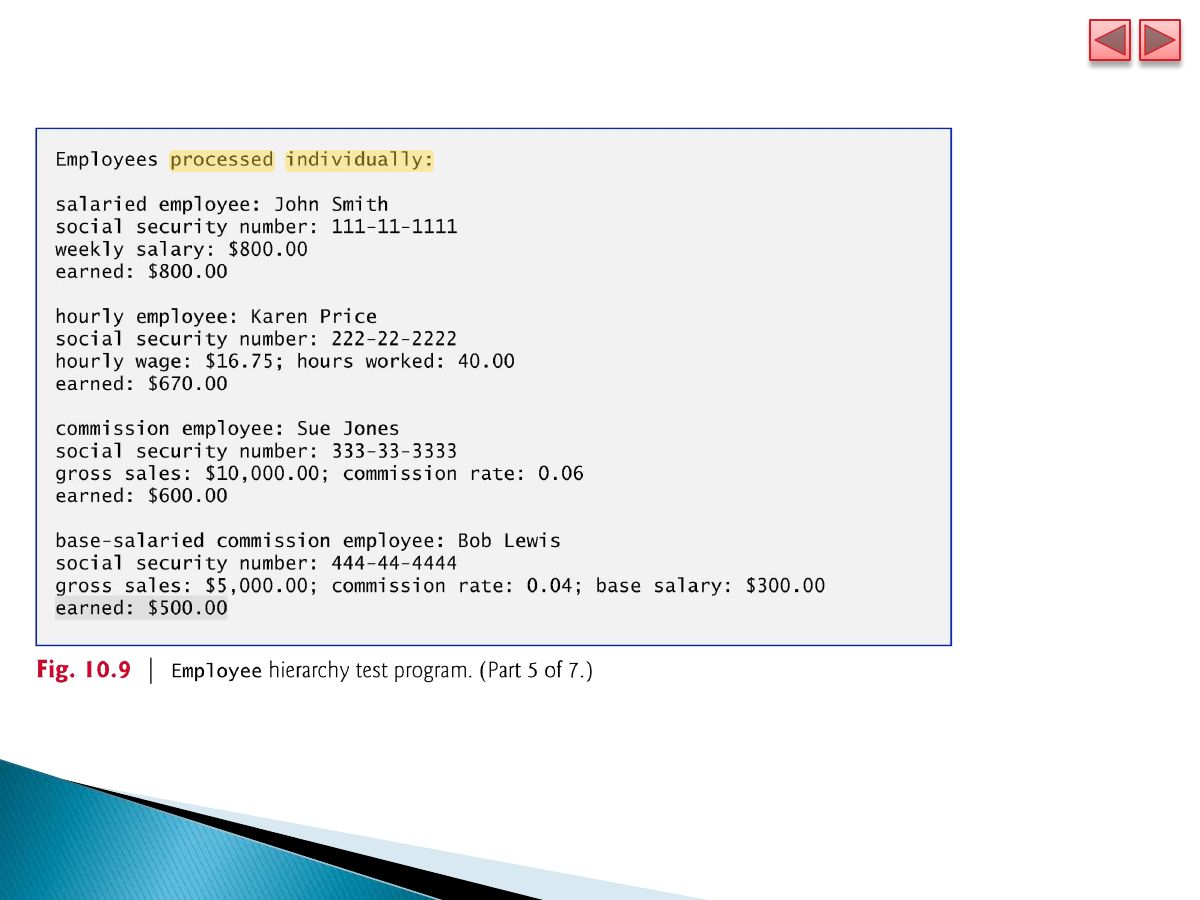
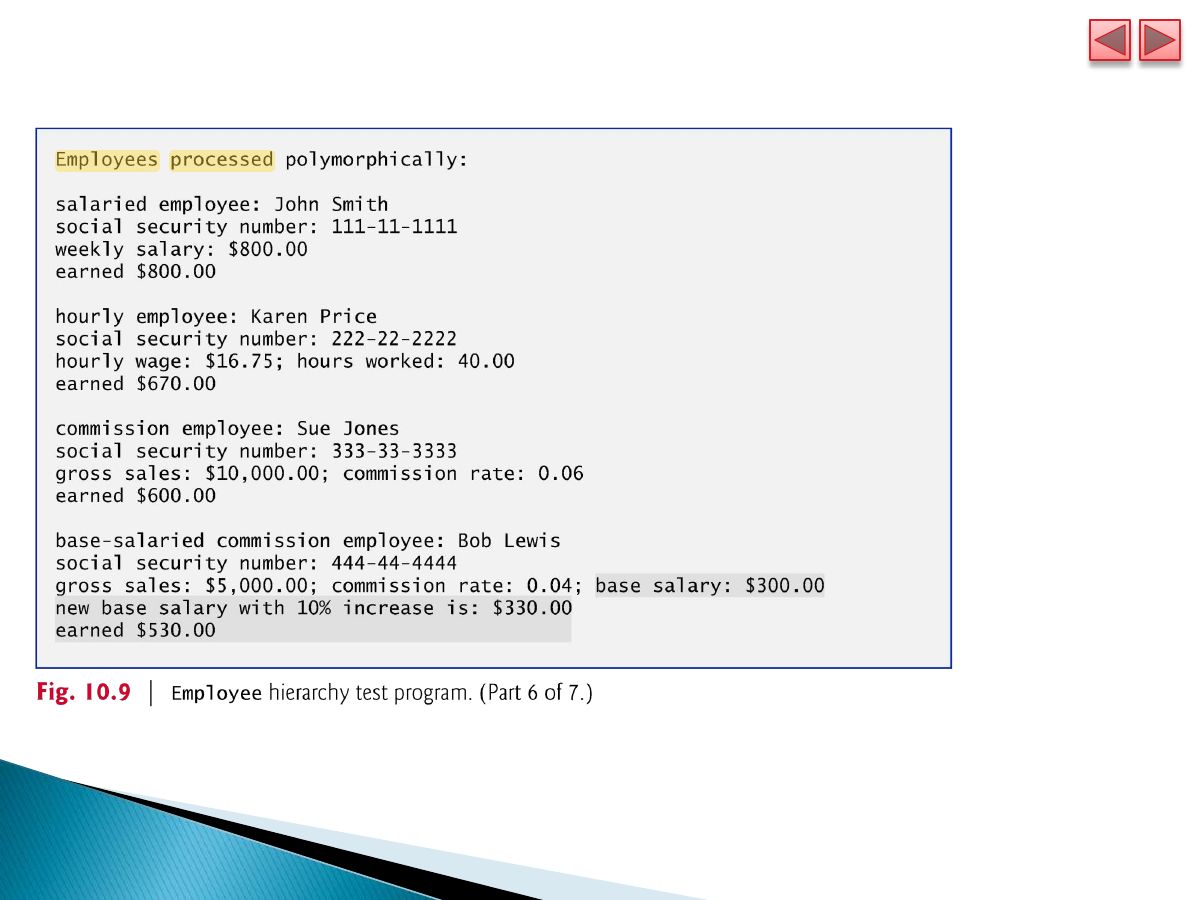
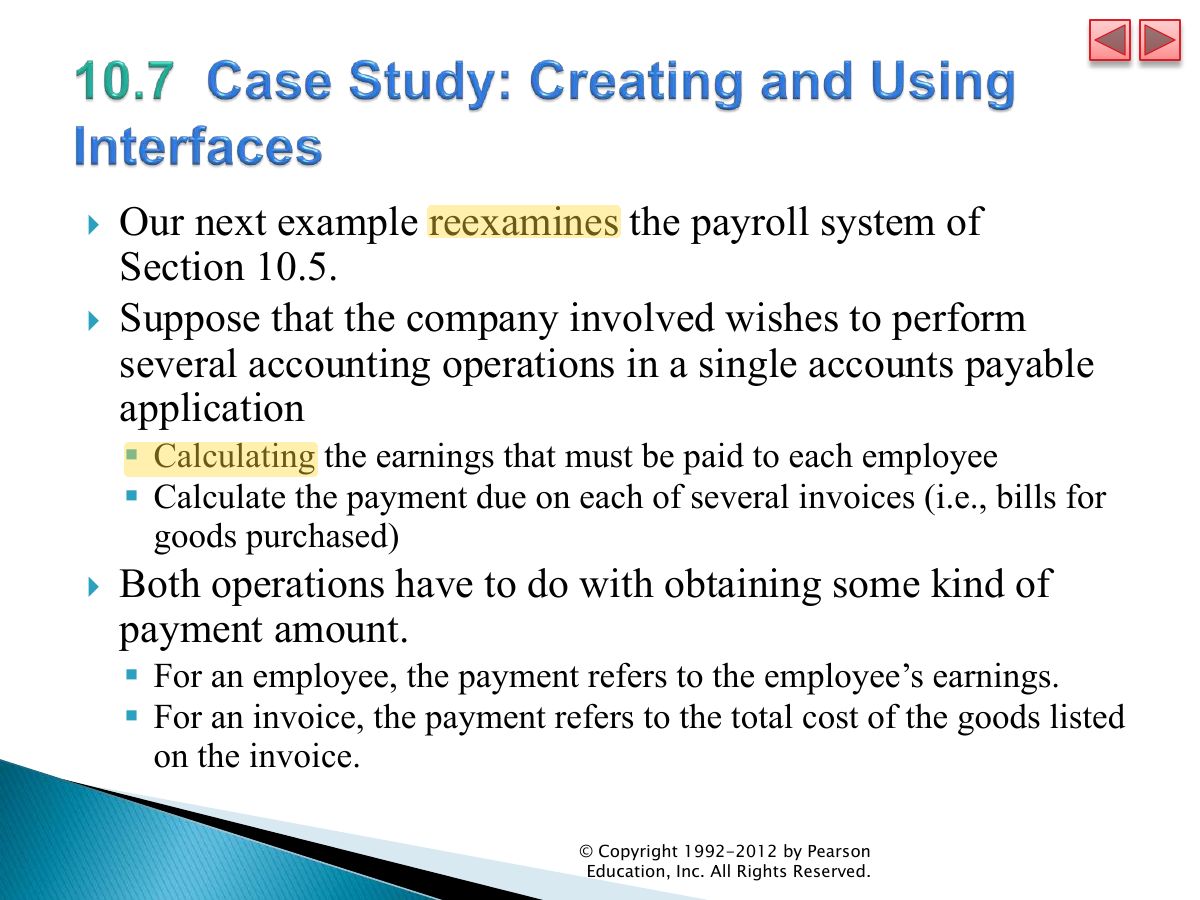
- Payroll case study: salaried, hourly, commission and base-plus-commission employees.
Exam weight Low
Exam weight Low
Exam weight Low
Exam weight Low
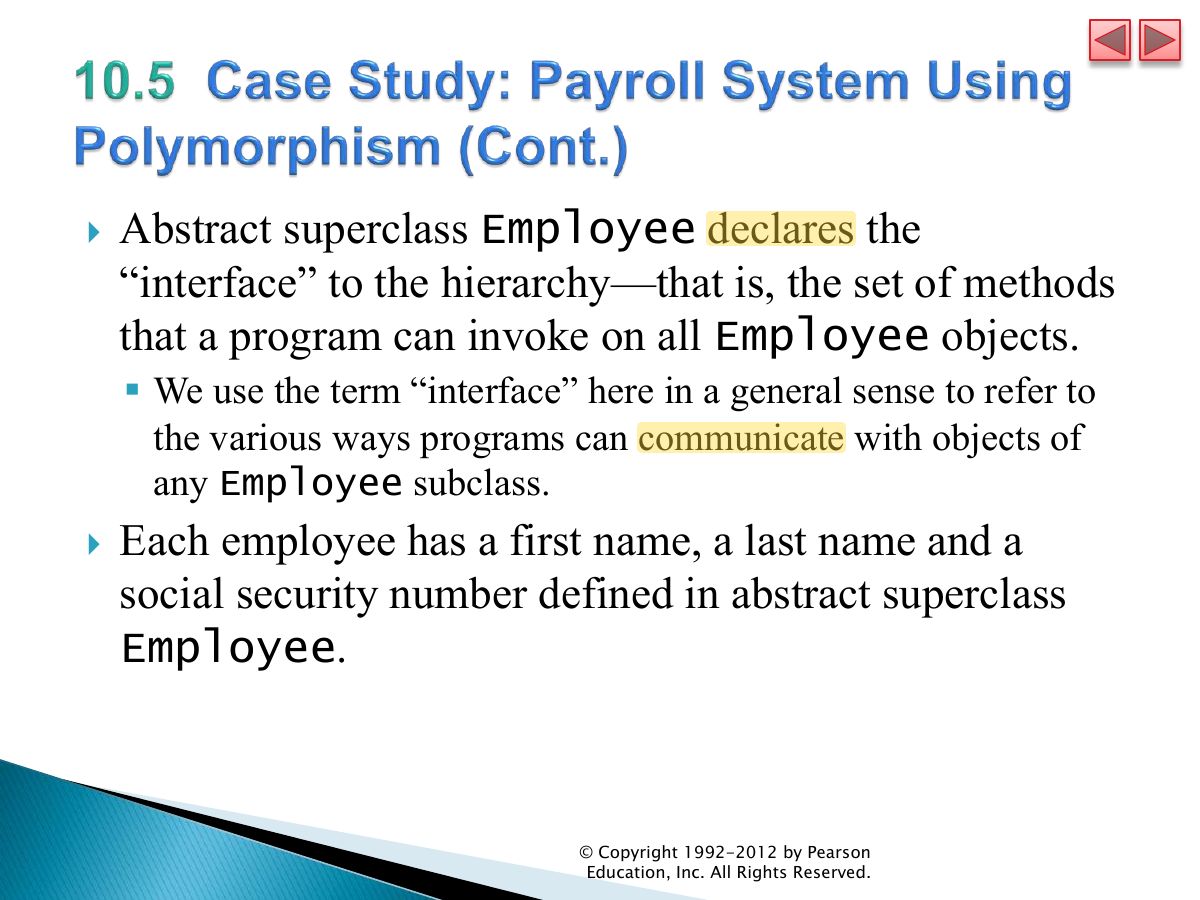
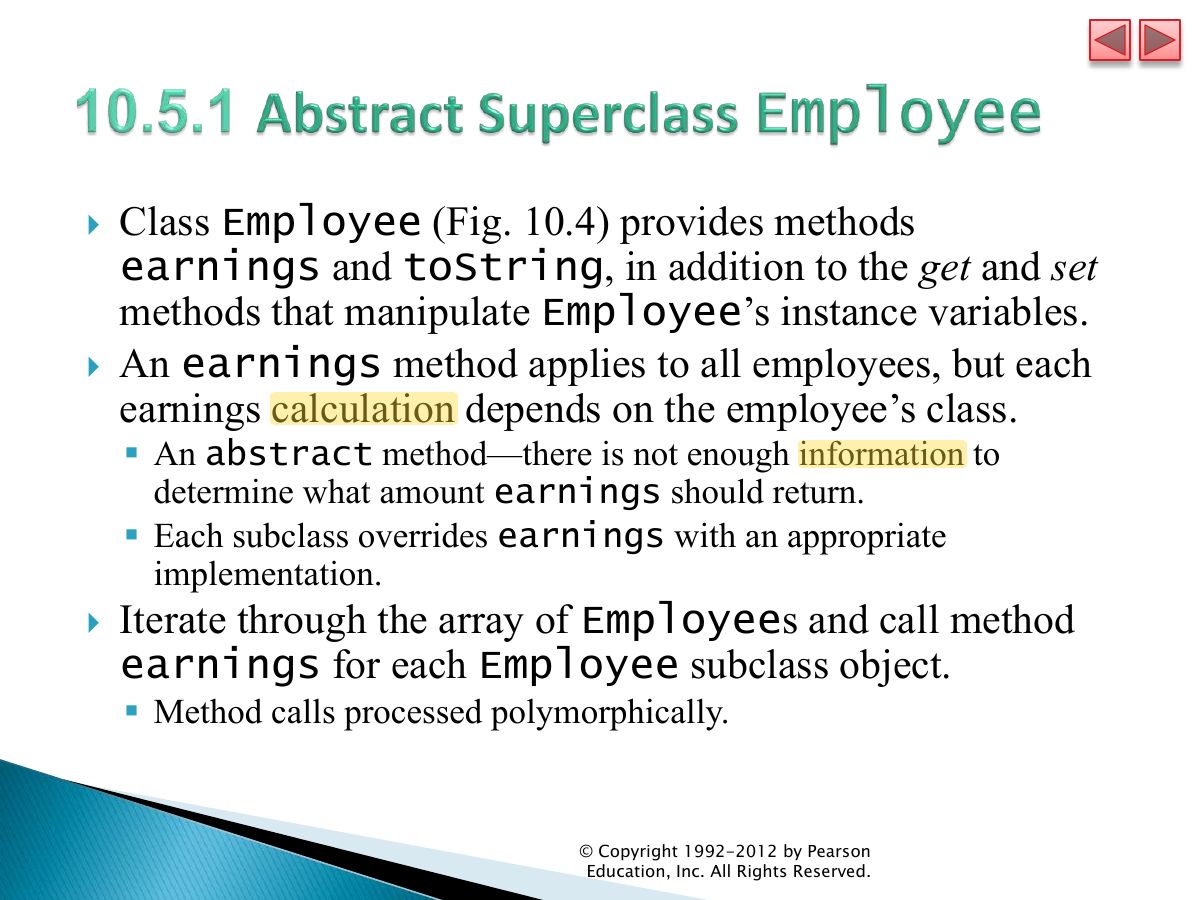
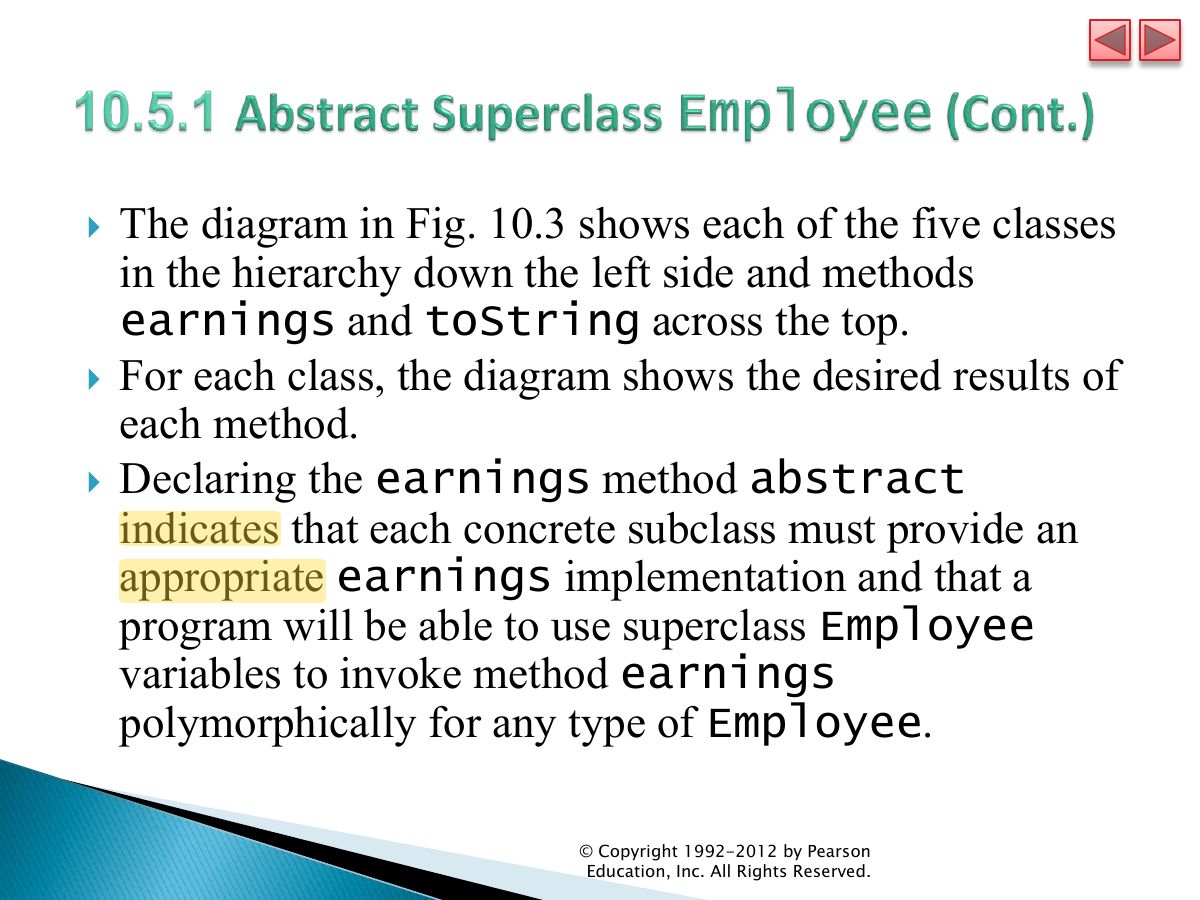
- Employee declares abstract earnings(); each subclass overrides it.
Exam weight Low
Exam weight Low
Exam weight Low
Exam weight Low
Exam weight Low
Exam weight Low
Exam weight Low
Exam weight Low
Exam weight Low
Exam weight Low
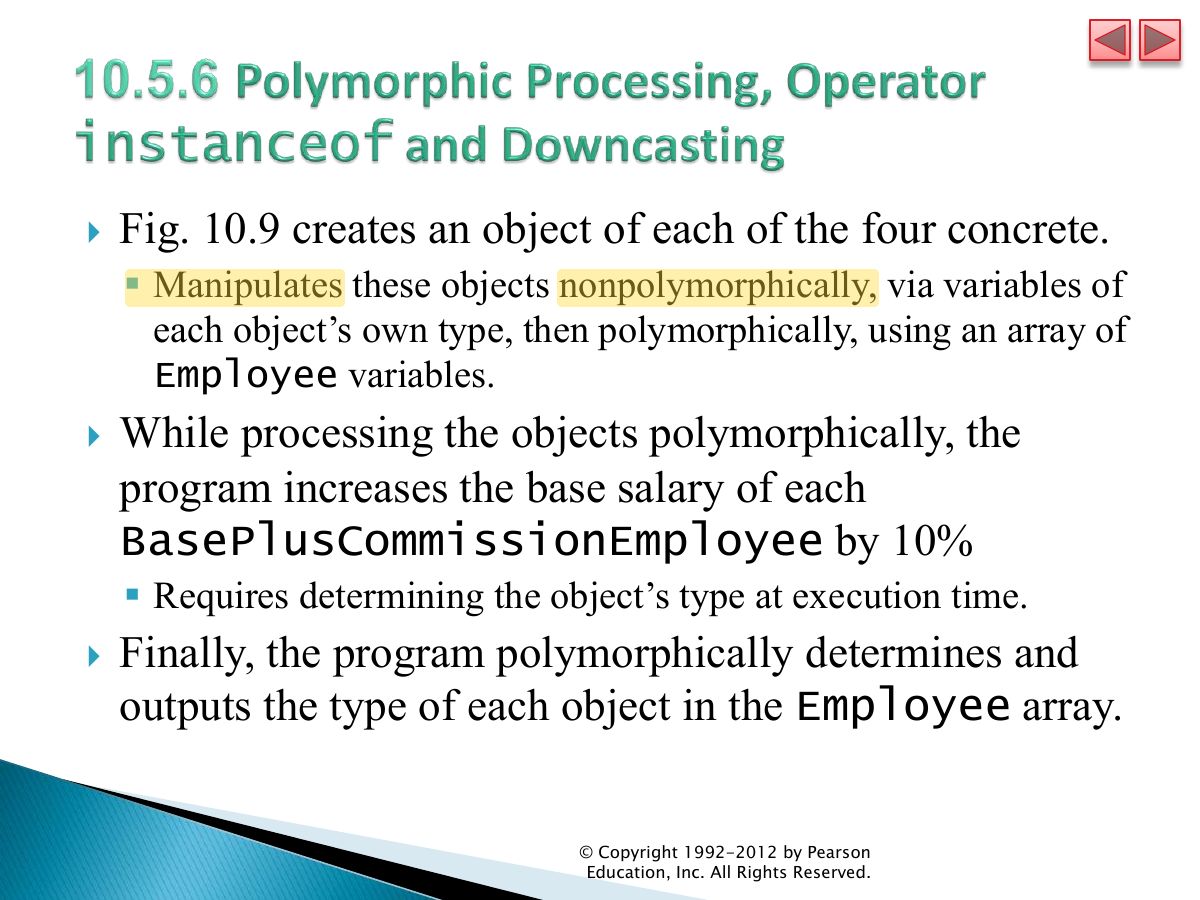
- Process objects polymorphically; give BasePlusCommission employees a 10% raise using instanceof.
Exam weight Low
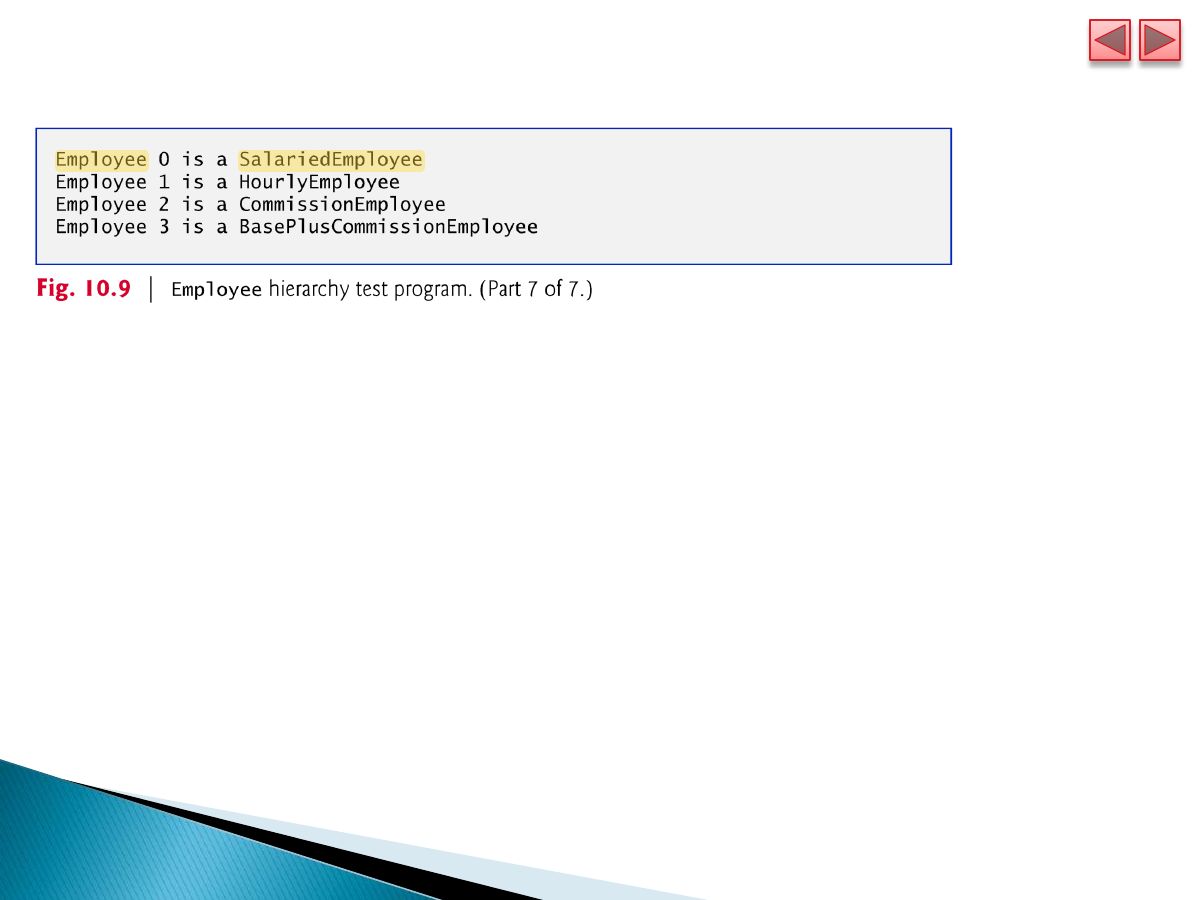
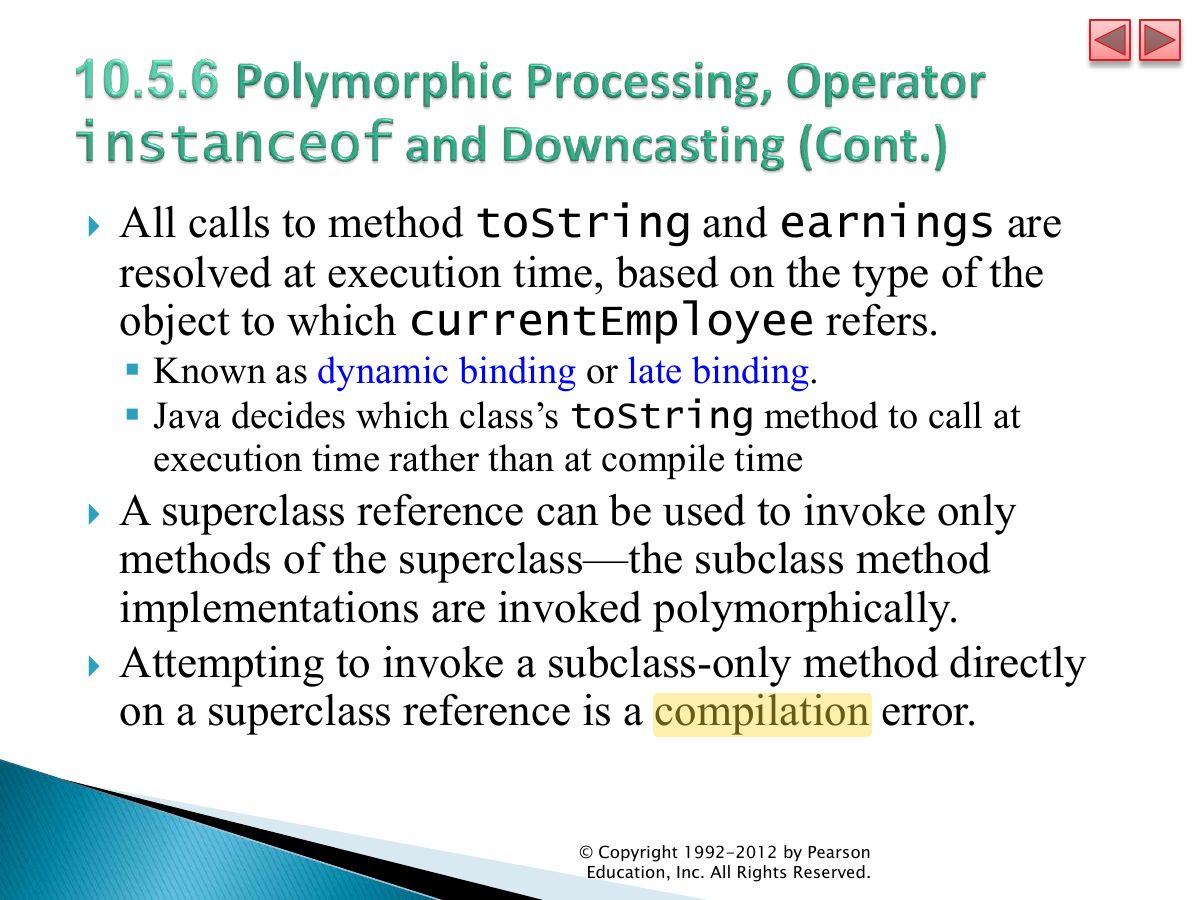
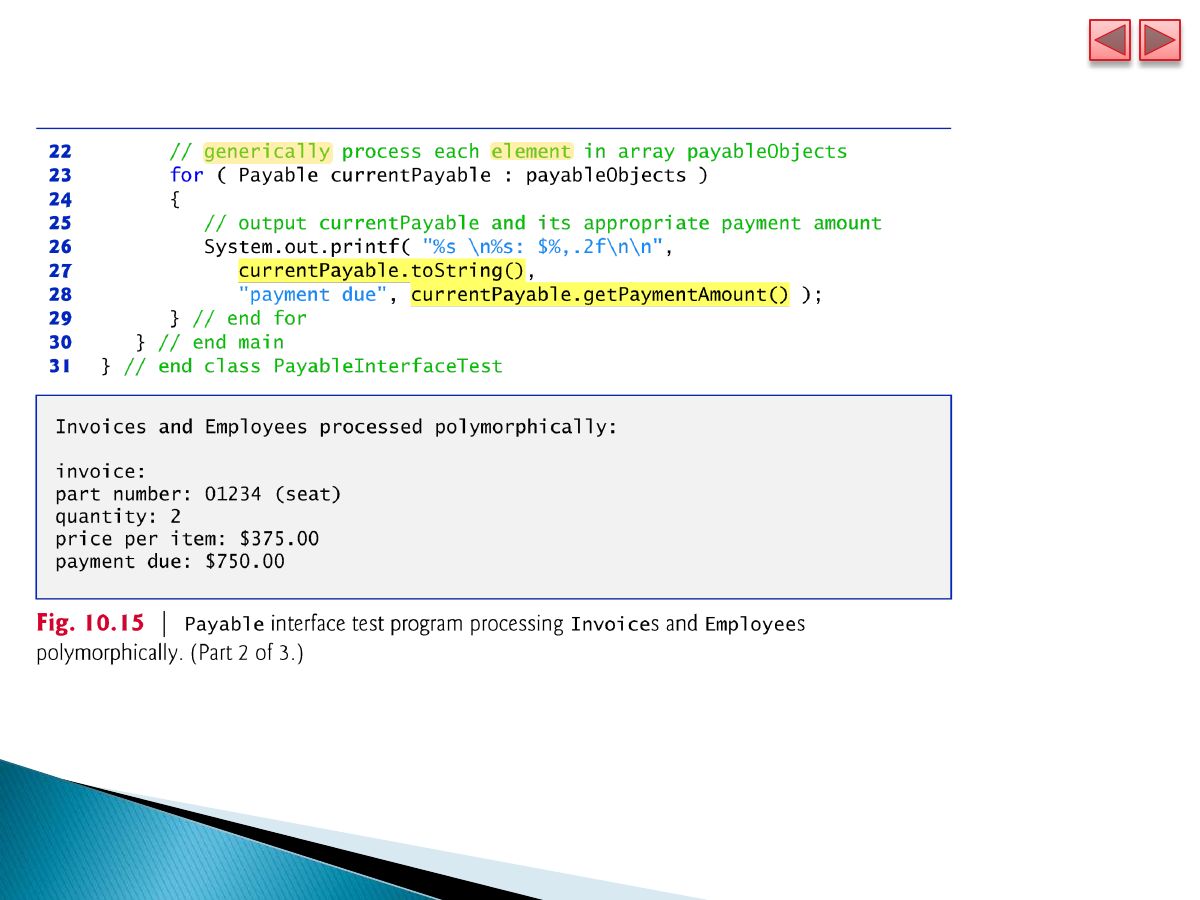
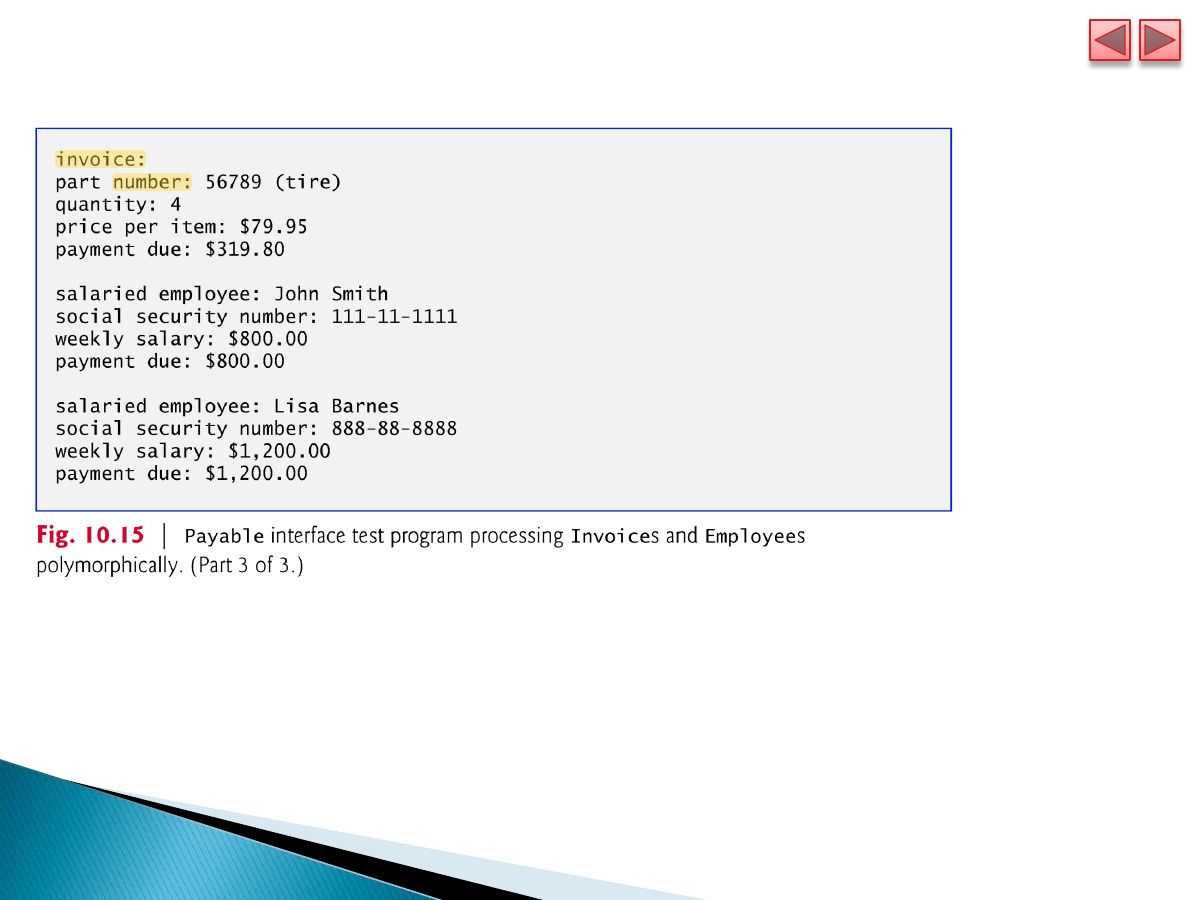
- toString and earnings calls are resolved at run time: dynamic (late) binding.
Exam weight Low
Exam weight
High
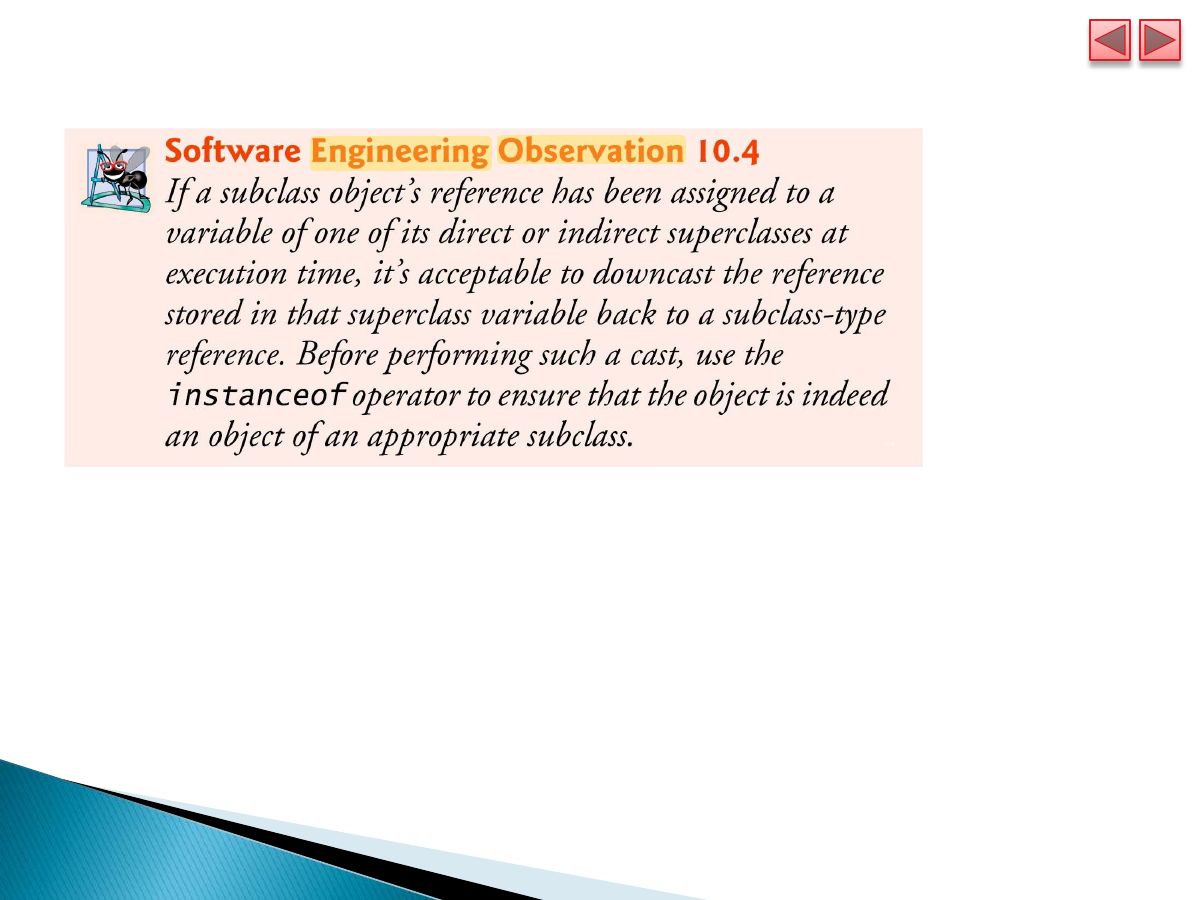
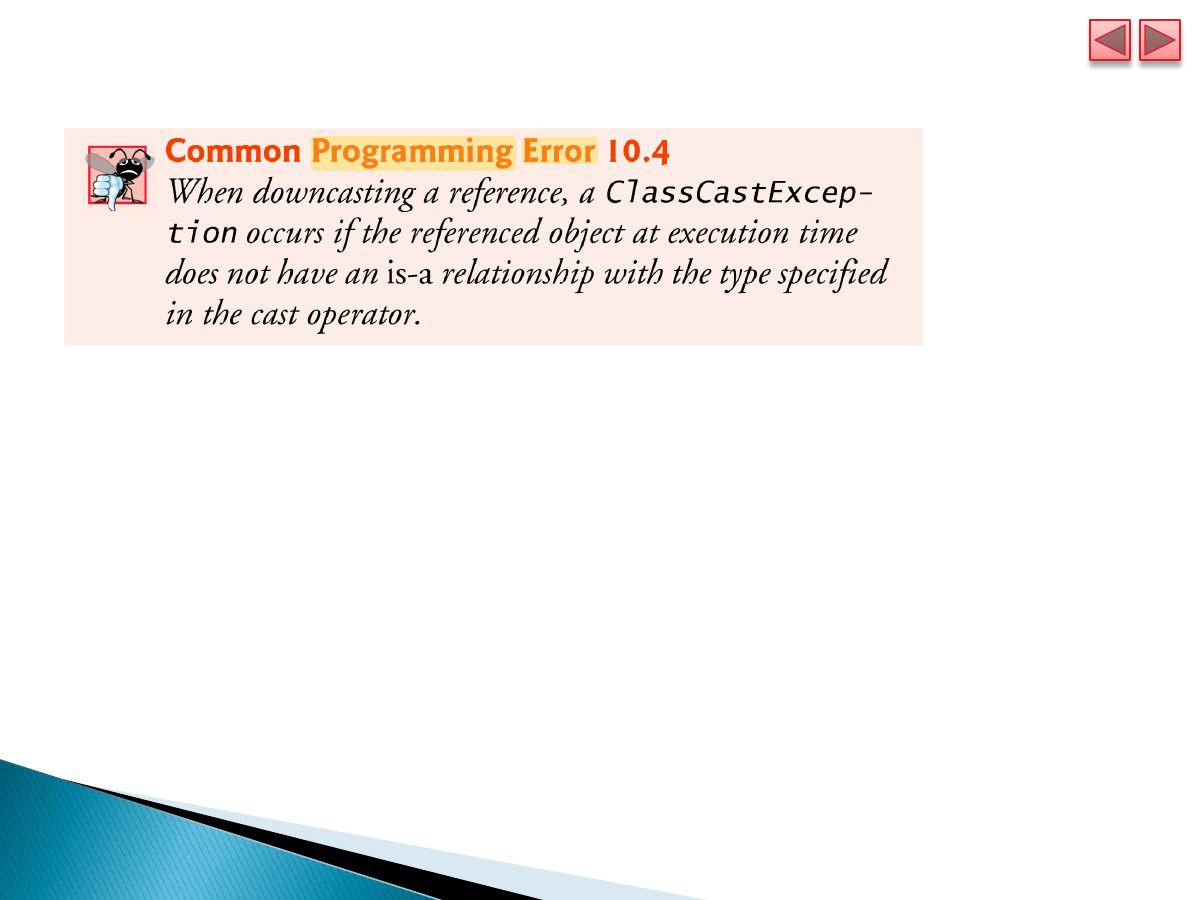
- Downcasting to the wrong type throws ClassCastException → check with instanceof first.
🎯 How this can come up · 1 question
MCQ
Before downcasting an Employee reference to BasePlusCommissionEmployee you should check with:
Correct: instanceof.
Exam weight Low
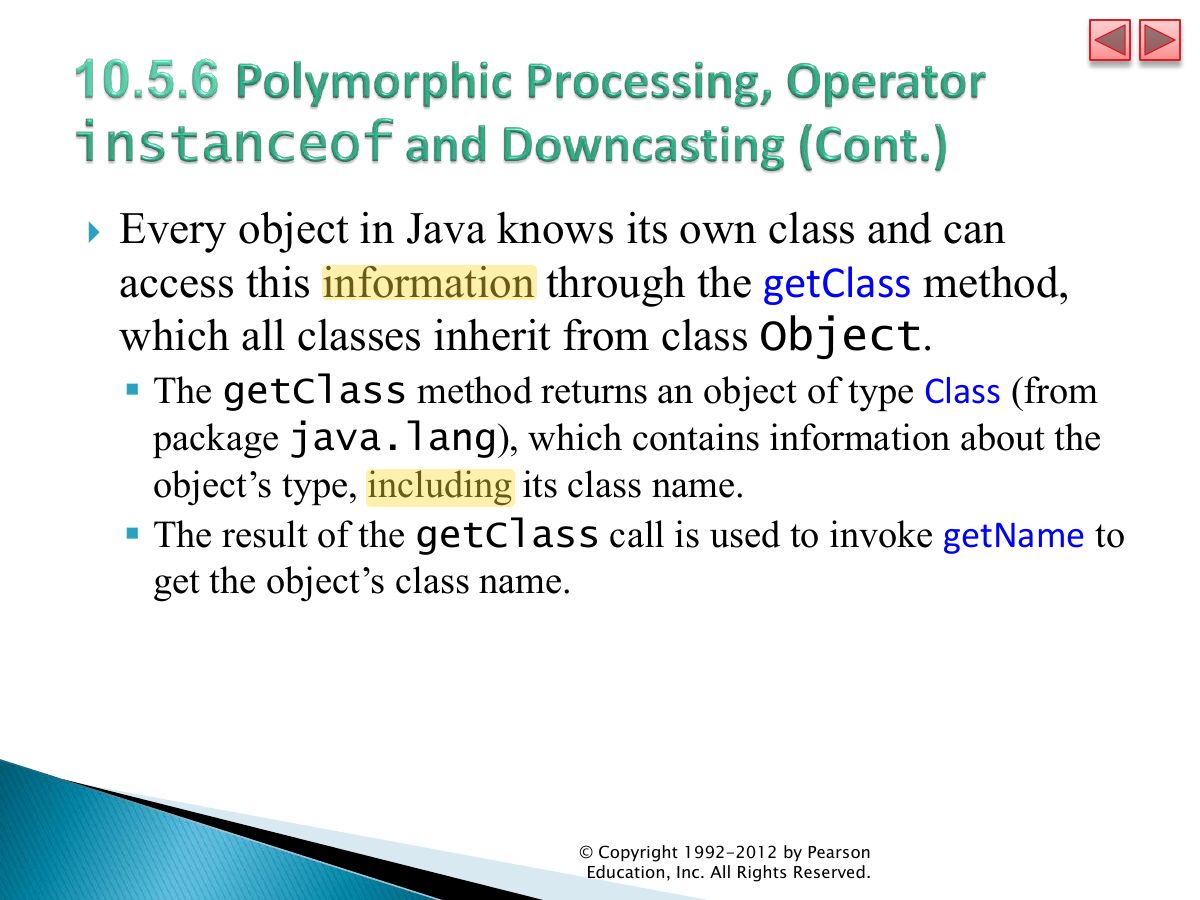
- getClass().getName() returns the object’s class name.
Exam weight Low
Exam weight Low
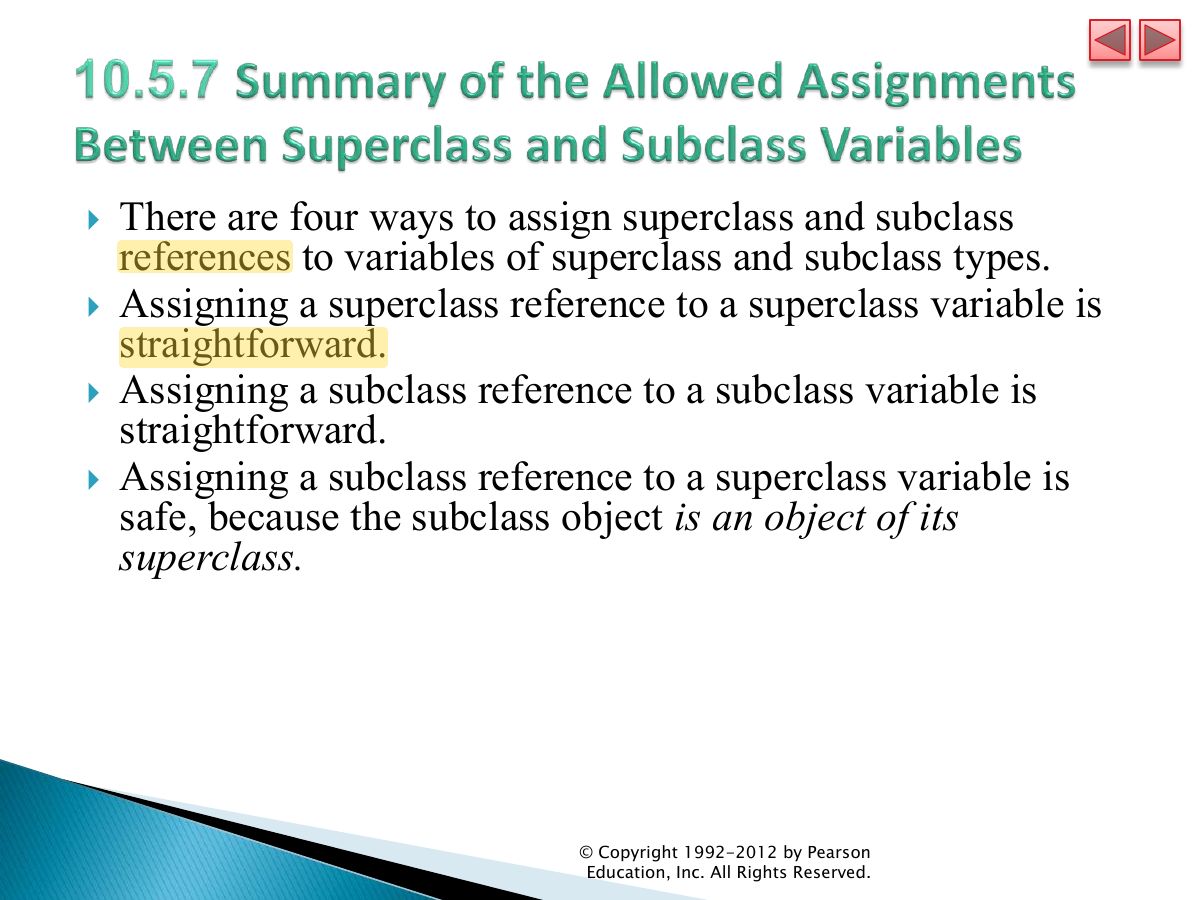
- Assigning a superclass reference to a subclass variable needs a cast.
Exam weight Low
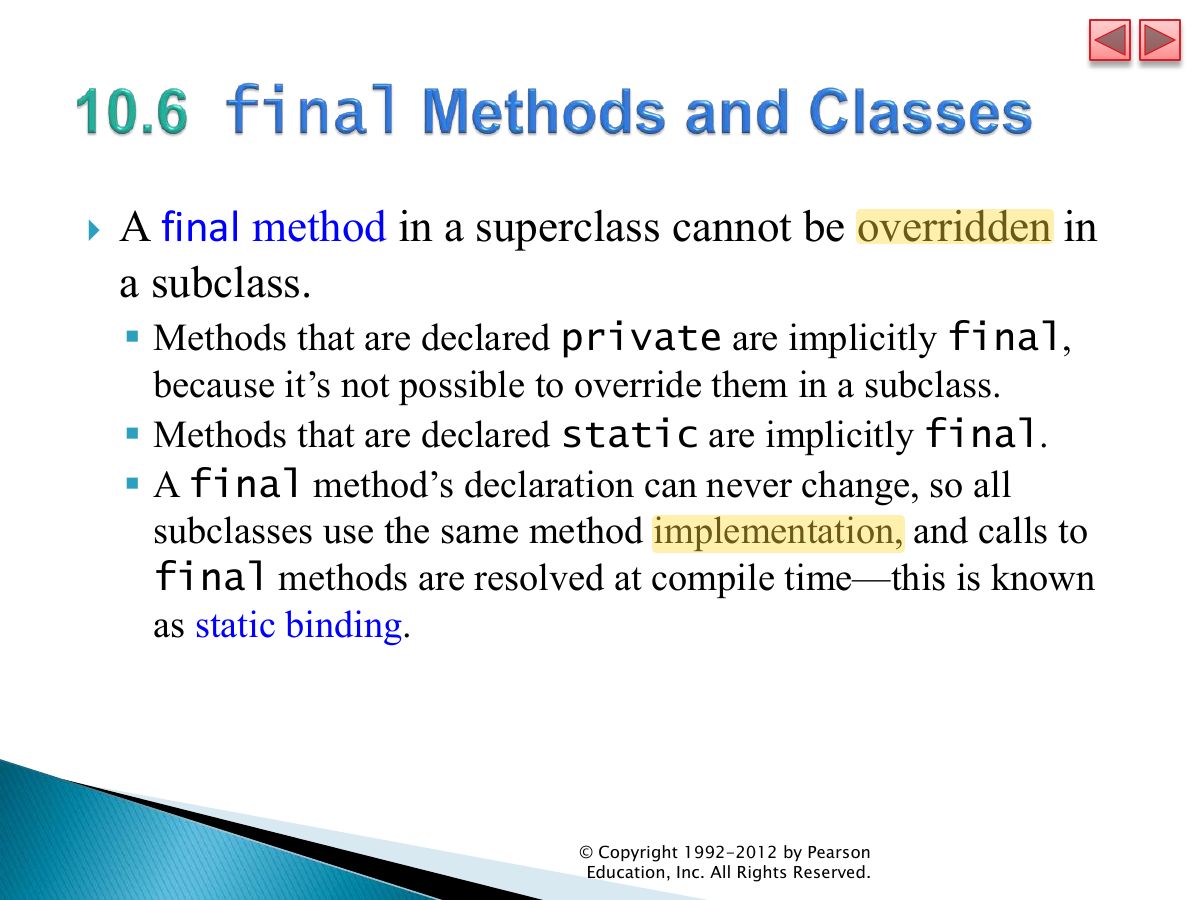
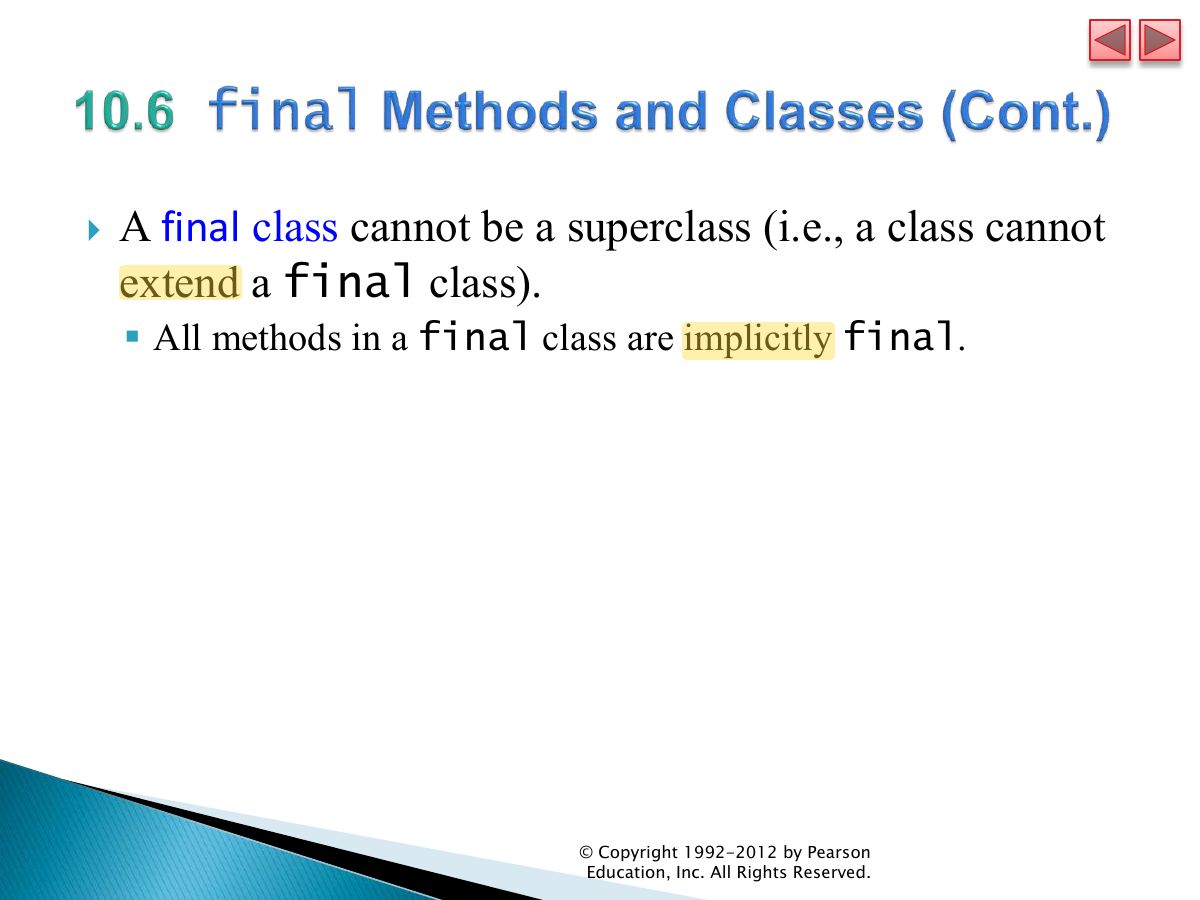
- final method: can’t be overridden (static binding). private and static methods are implicitly final.
Exam weight
High
- final class: can’t be extended (e.g., String).
🎯 How this can come up · 1 question
MCQ
A class declared final:
Correct: Cannot be extended.
Exam weight Low
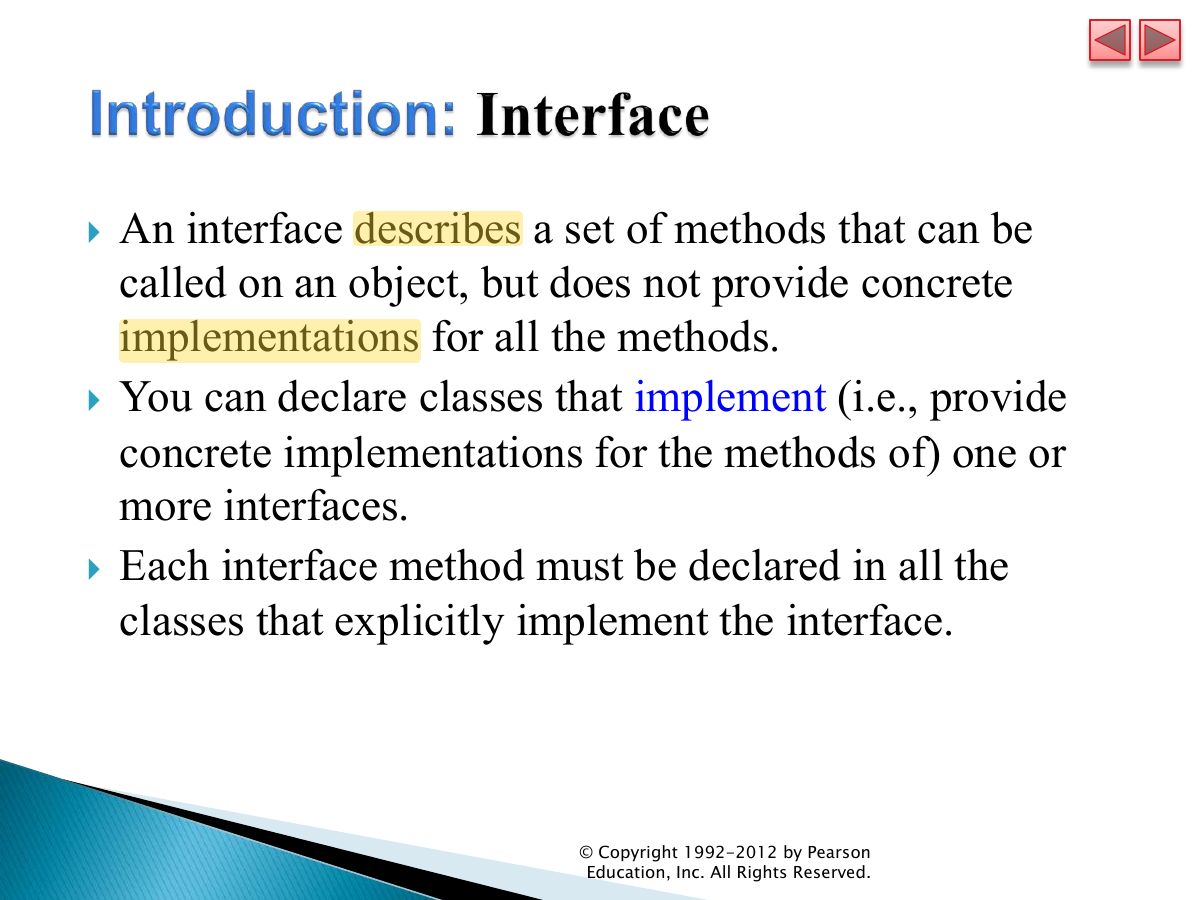
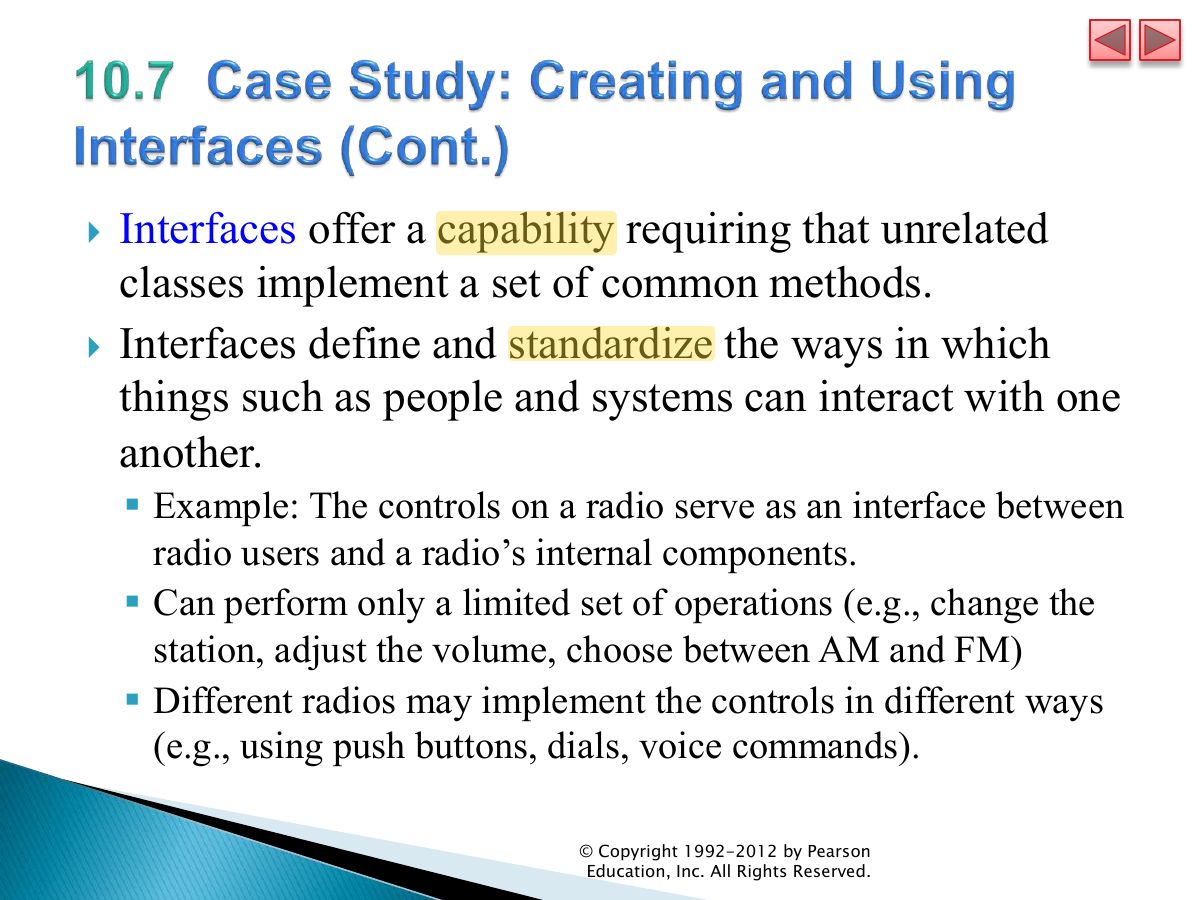
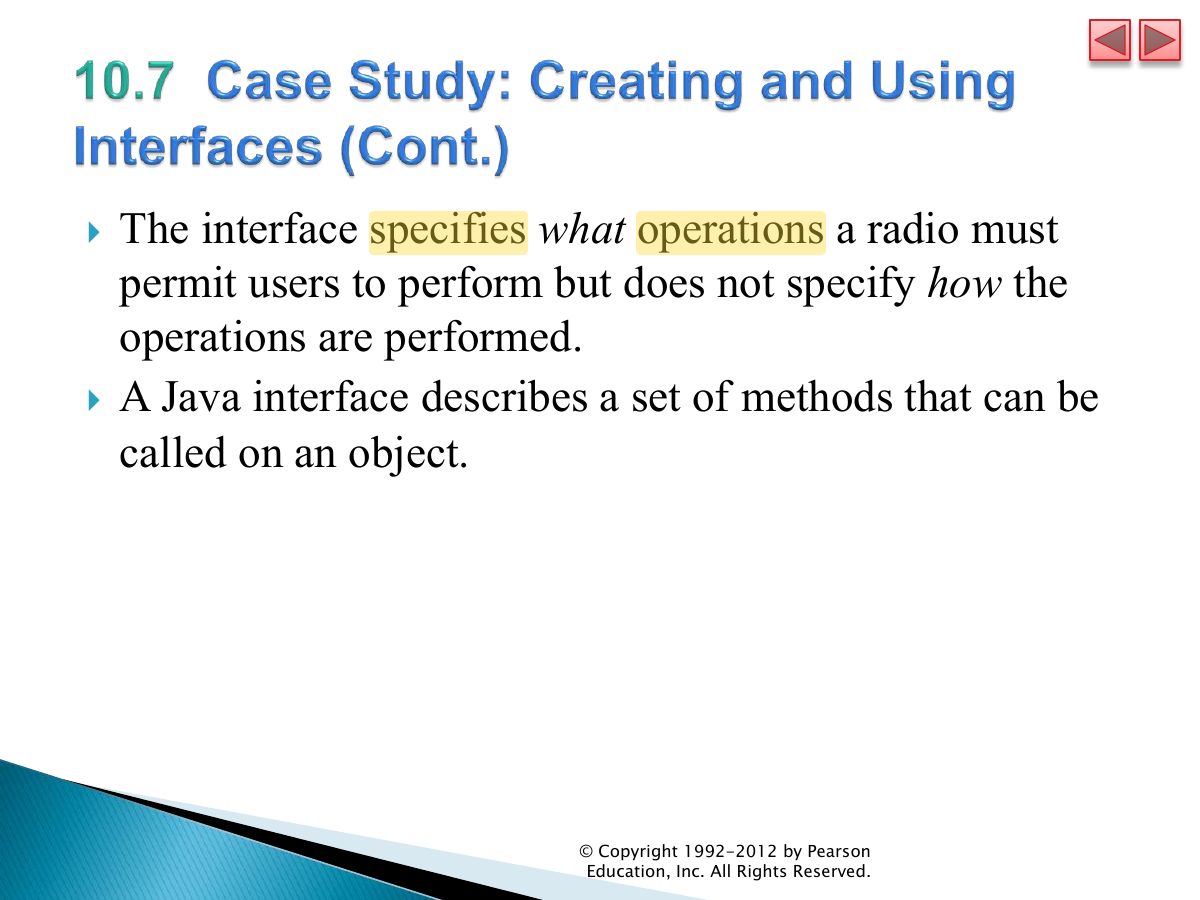
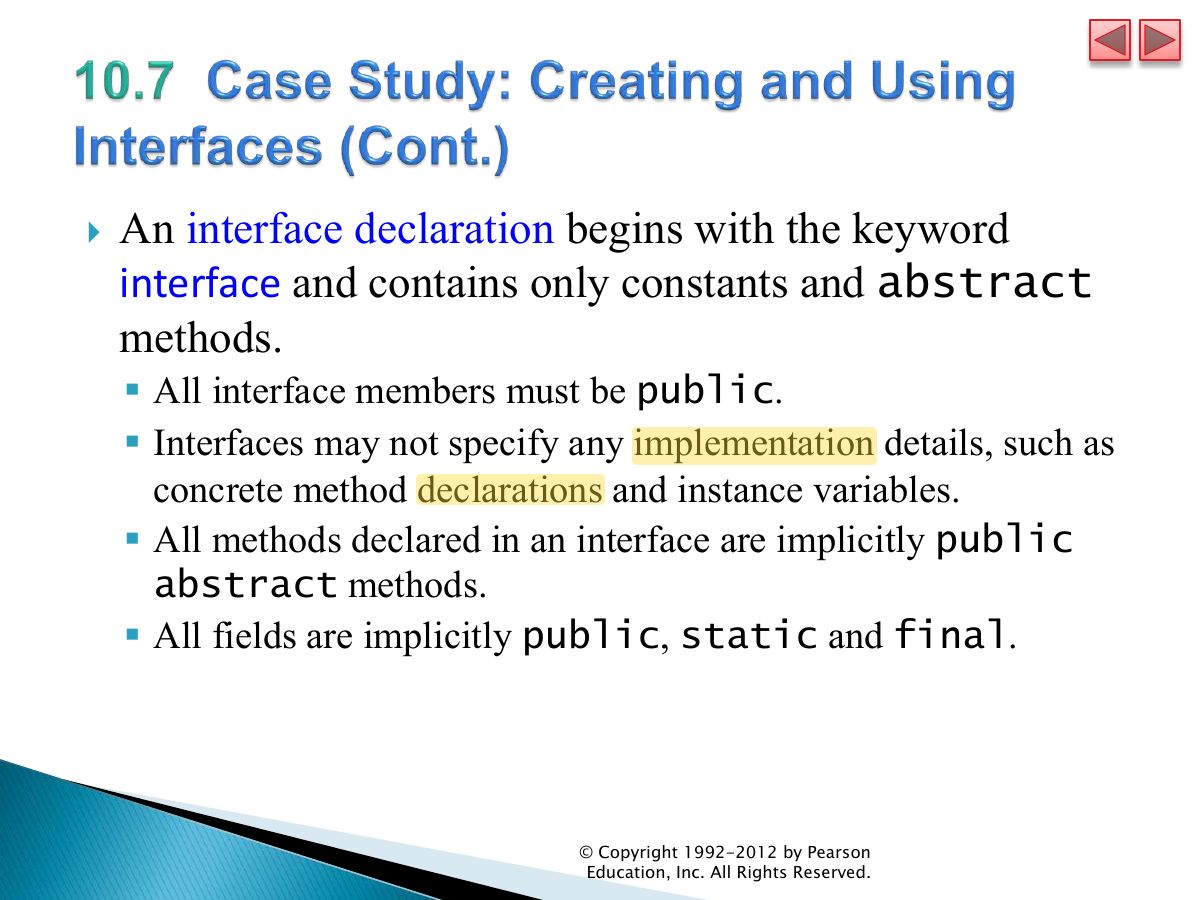
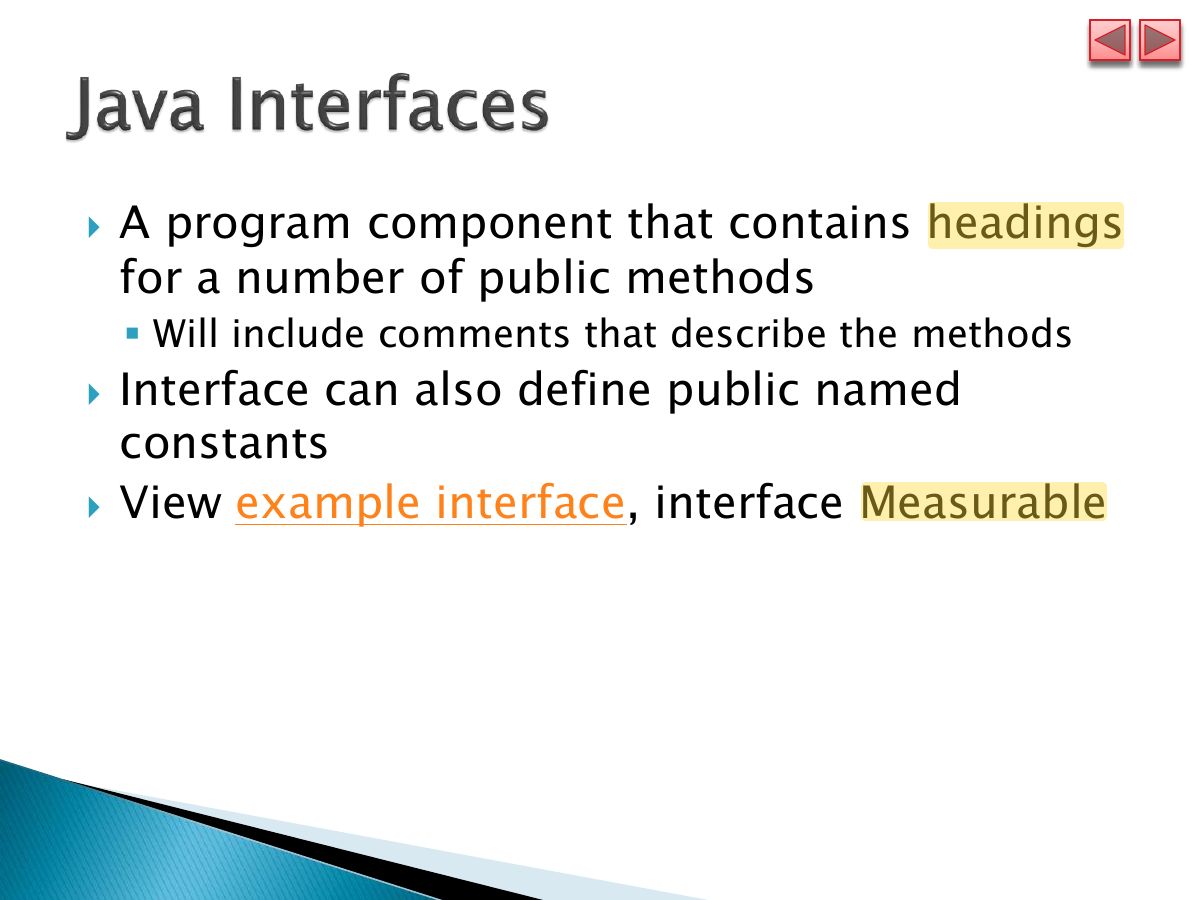
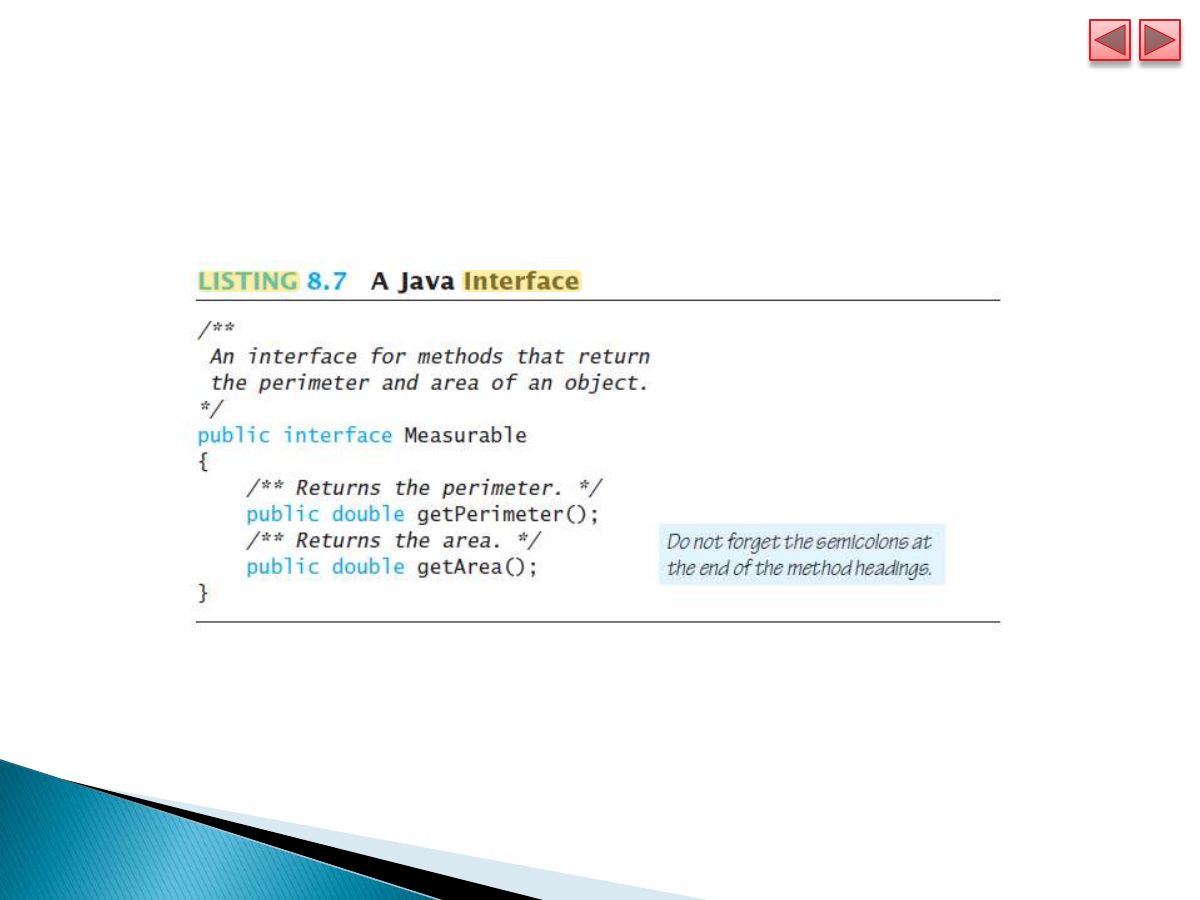
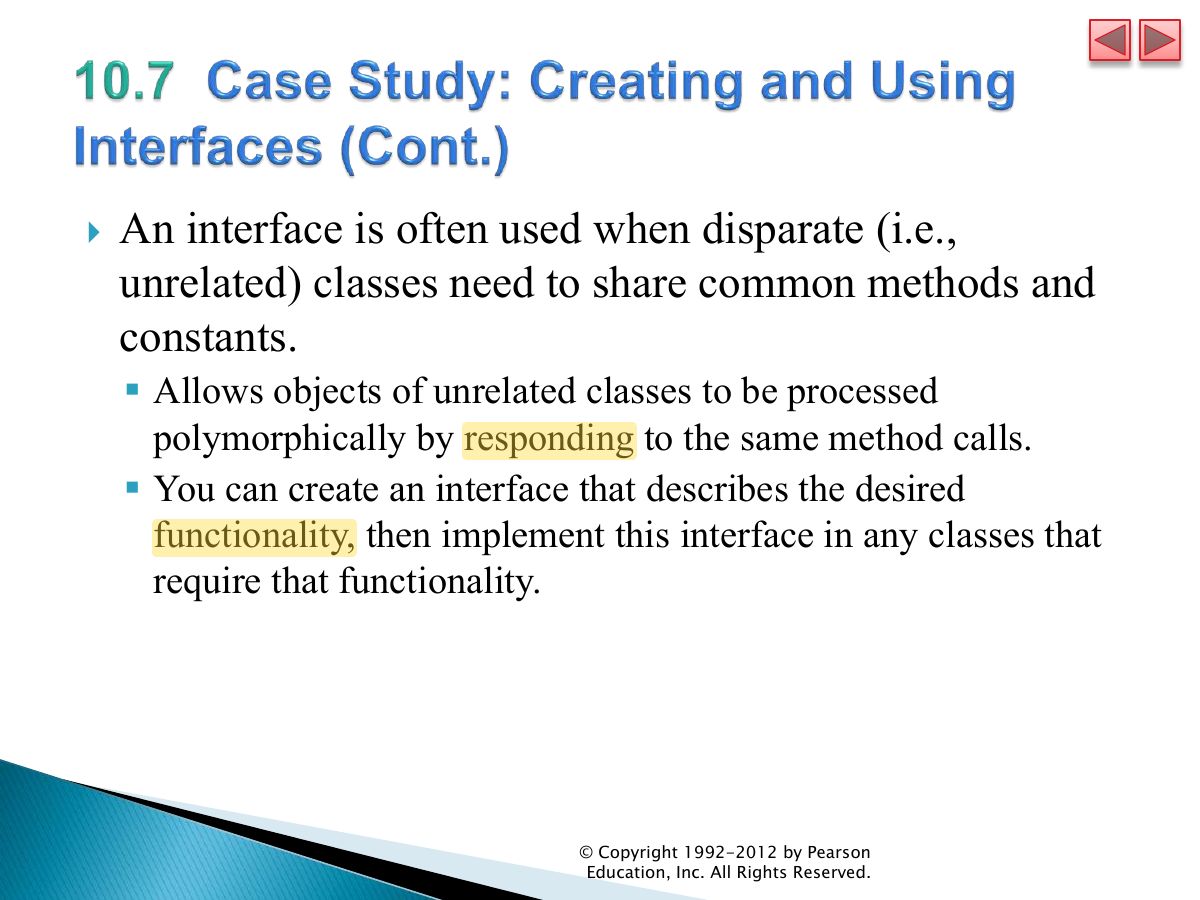
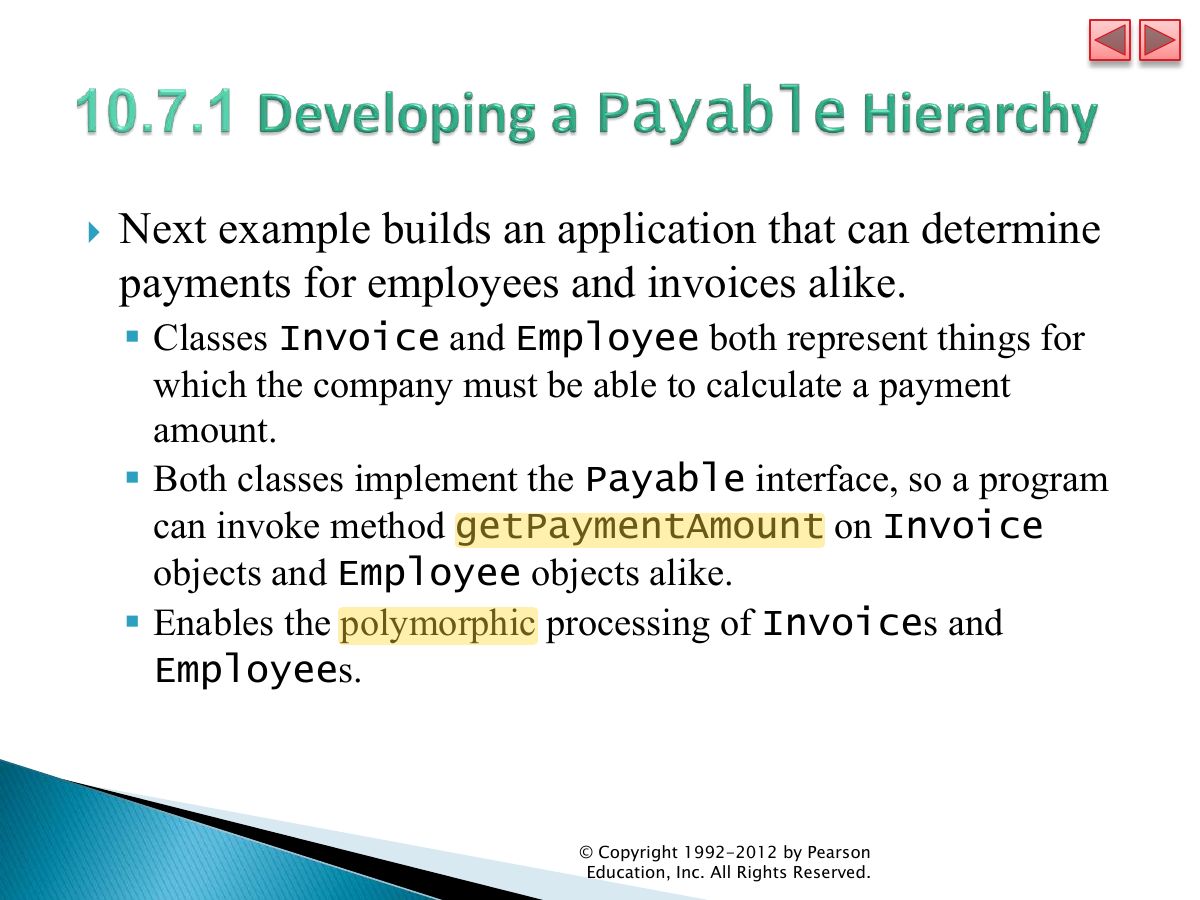
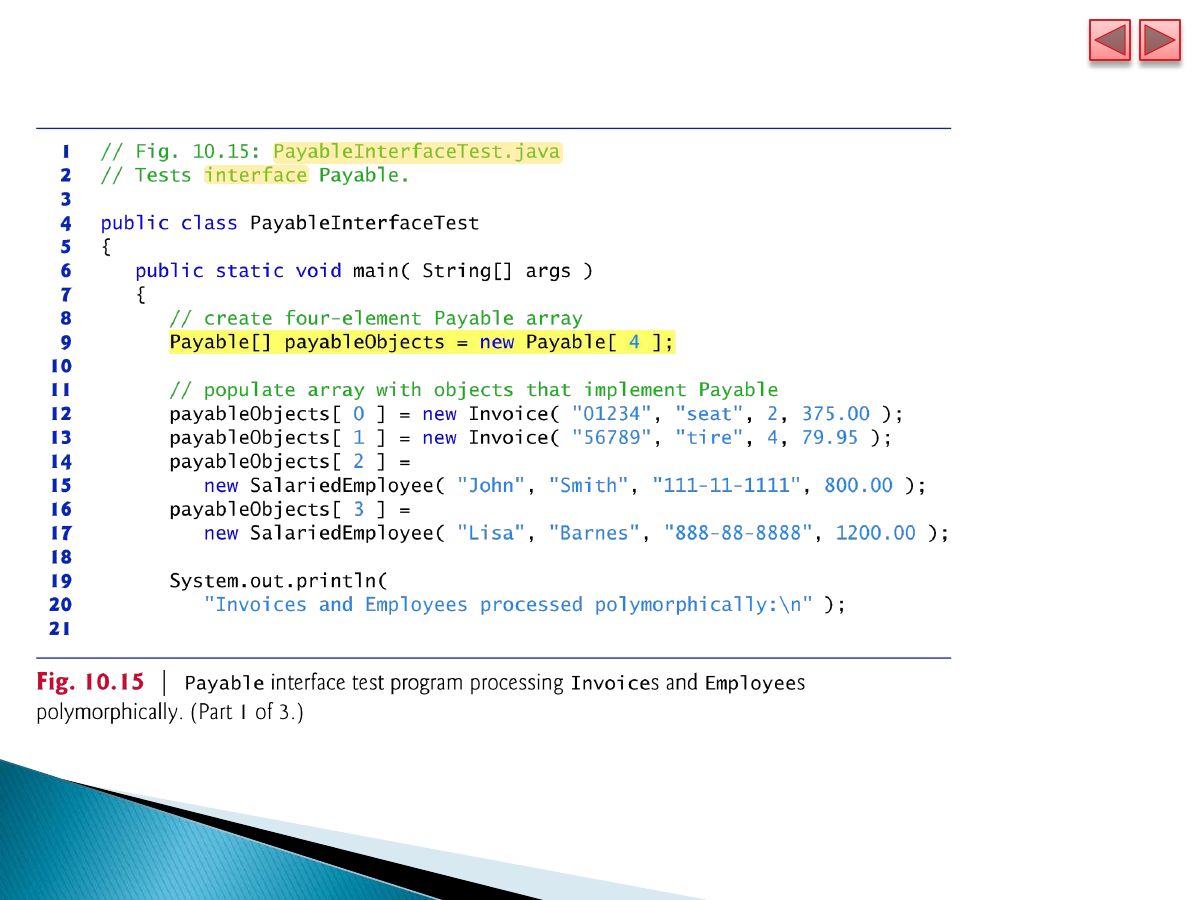
- An interface lists methods to implement; a class can implement many interfaces.
Exam weight Low
Exam weight Low
Exam weight
High
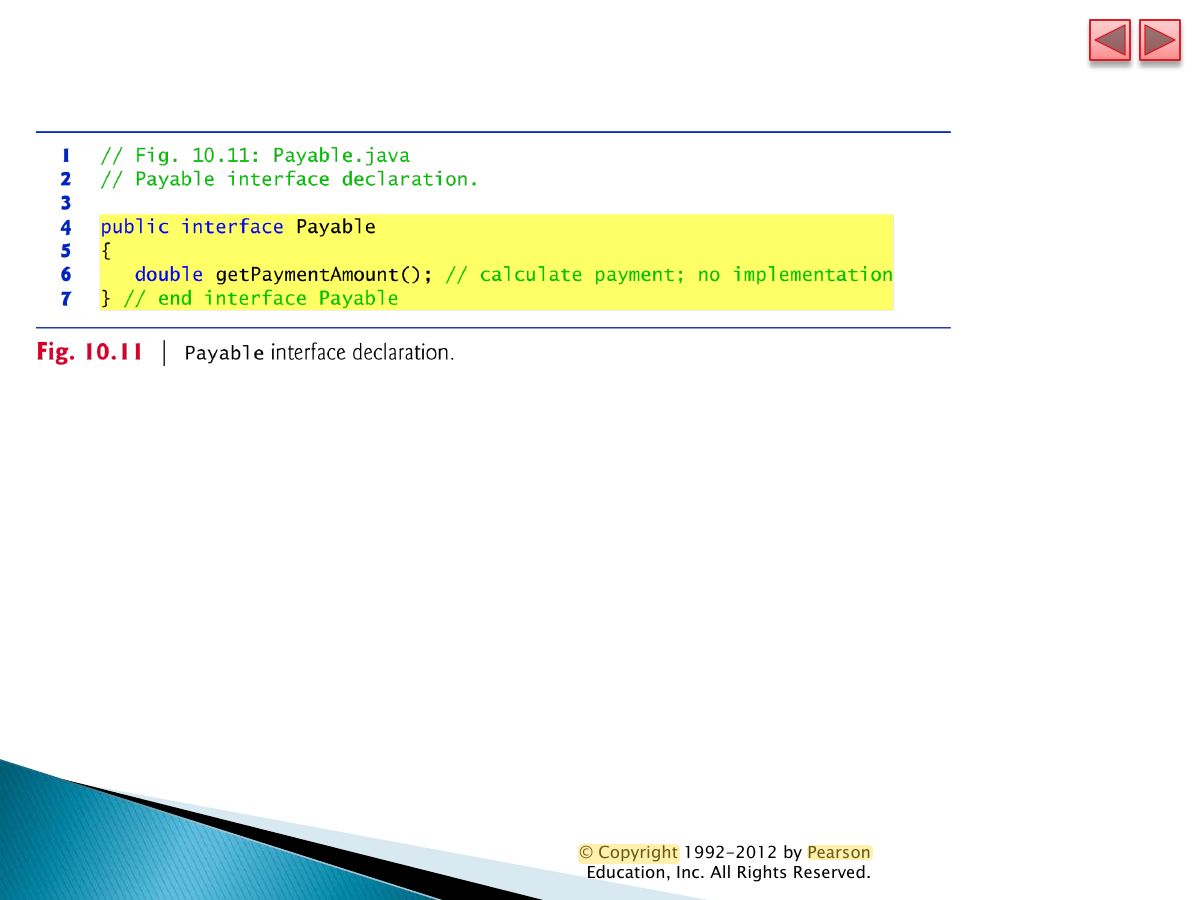
- Interface methods are implicitly public abstract; fields are public static final.
🎯 How this can come up · 1 question
MCQ
Fields declared in an interface are implicitly:
Correct: public static final.
Exam weight Low
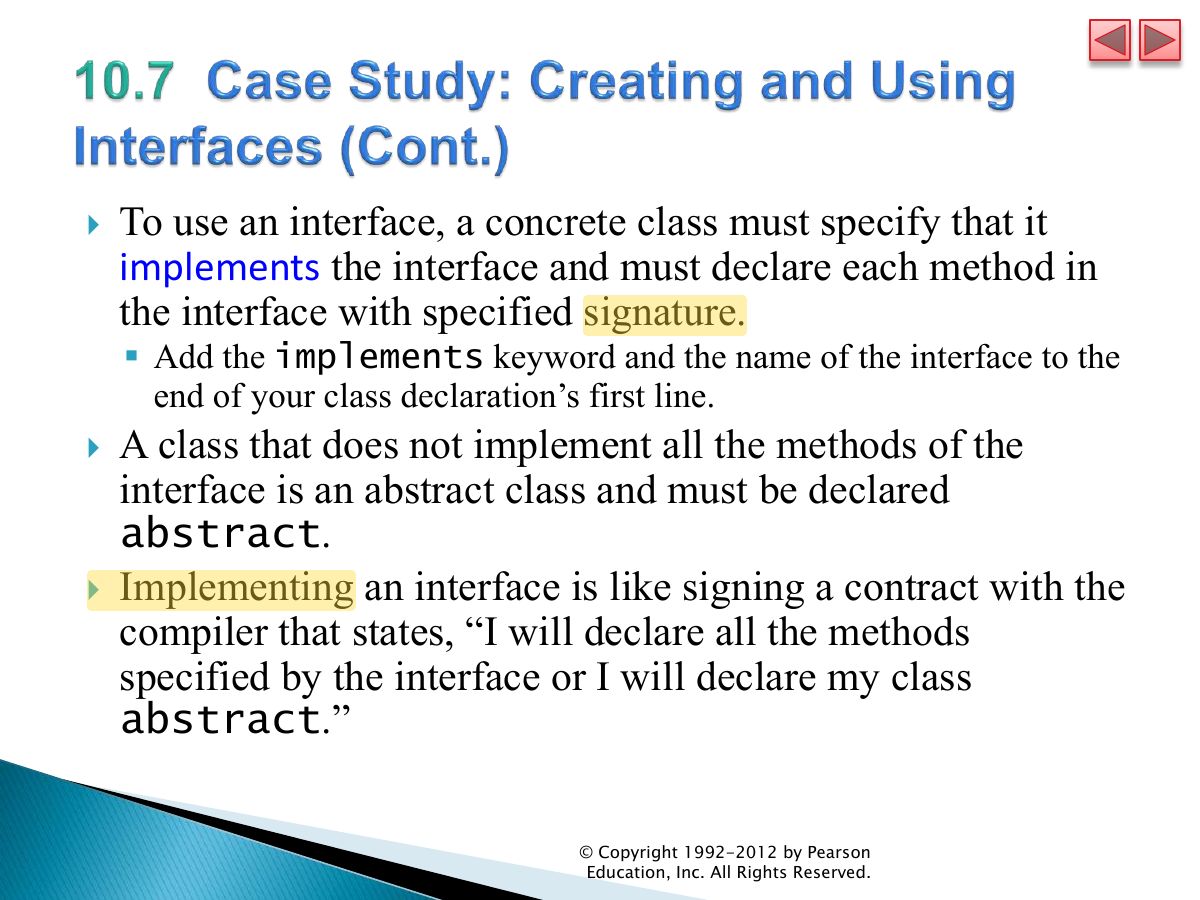
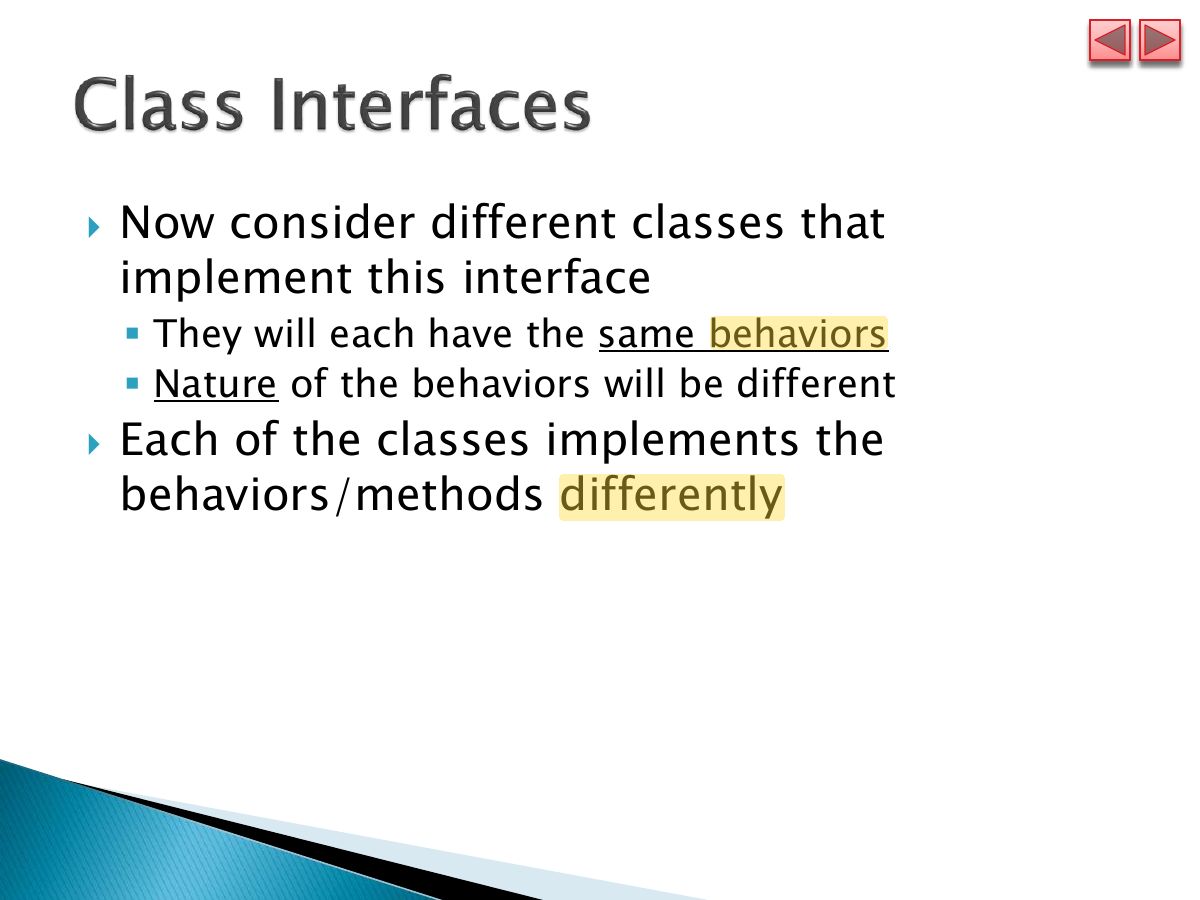
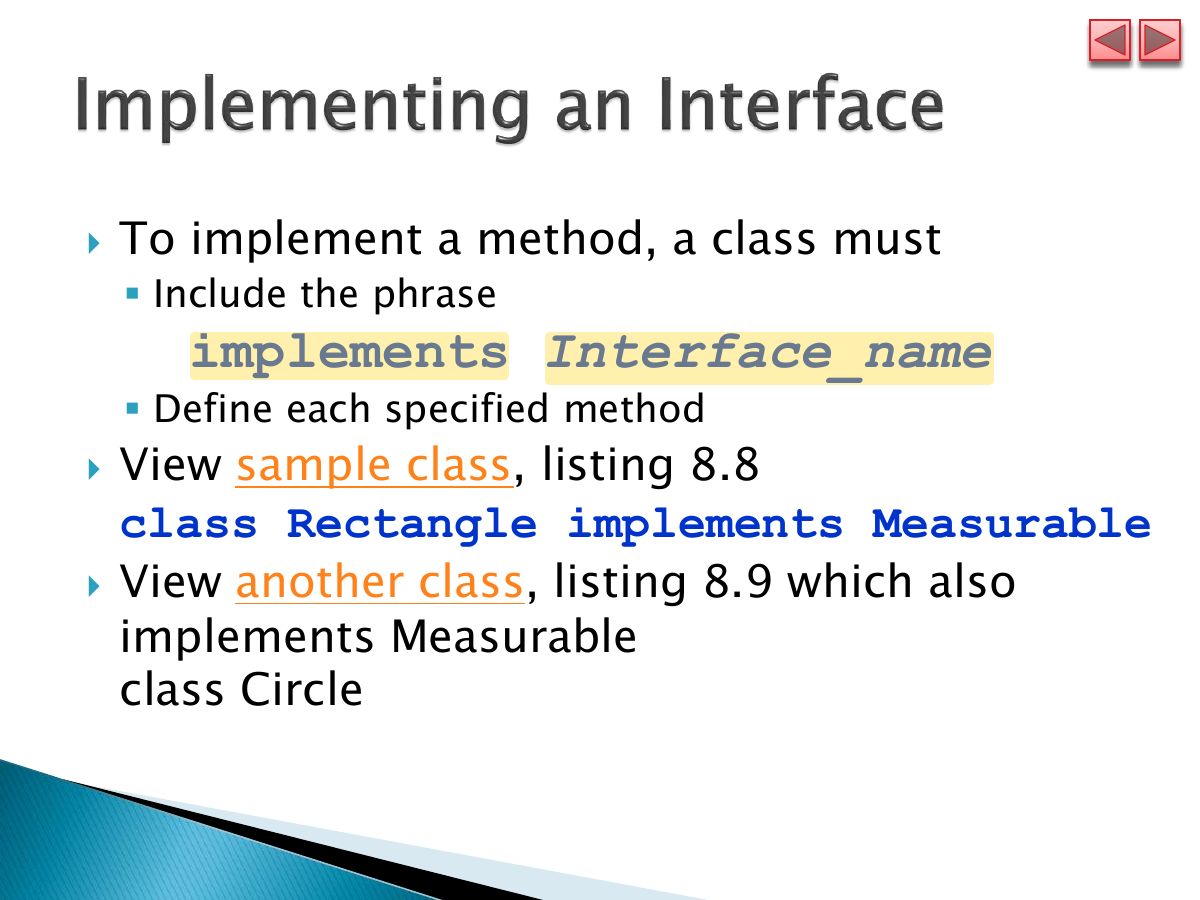
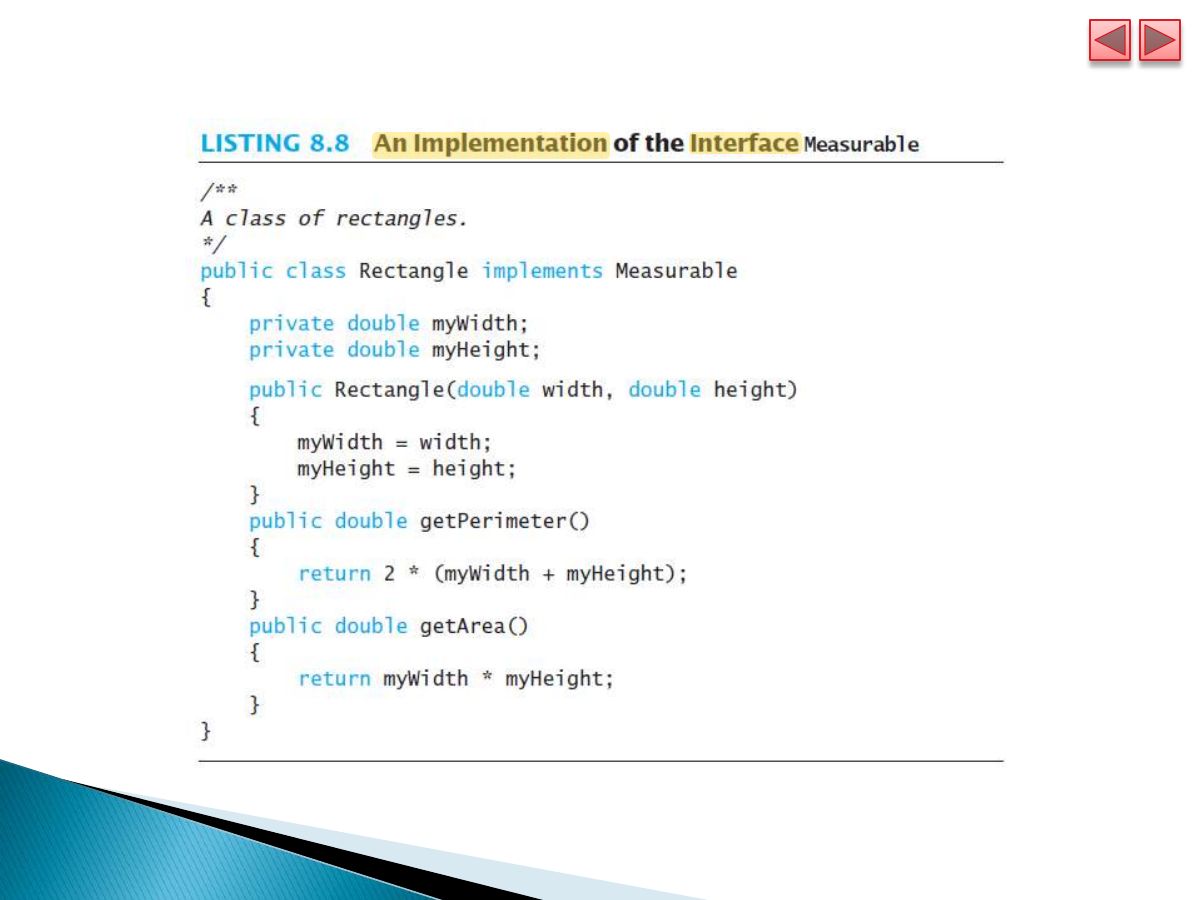
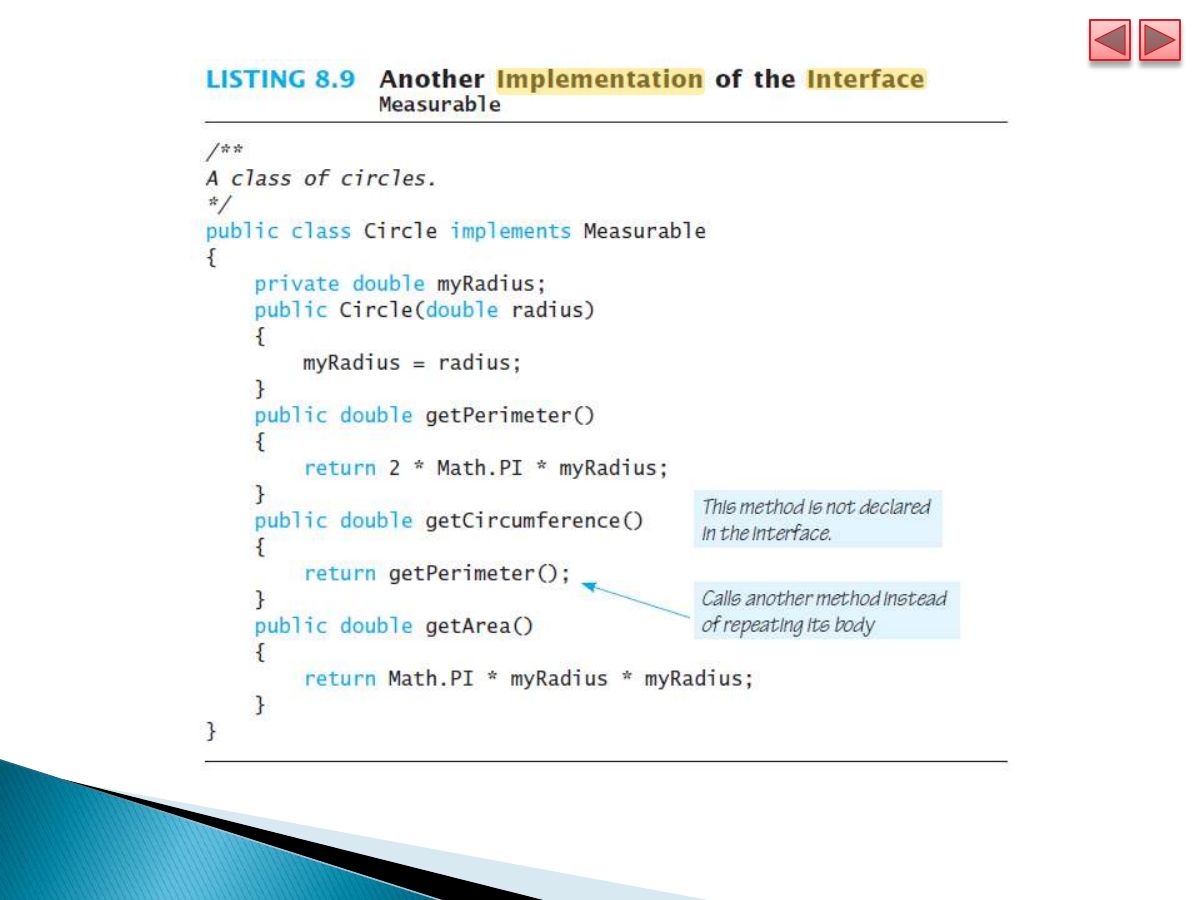
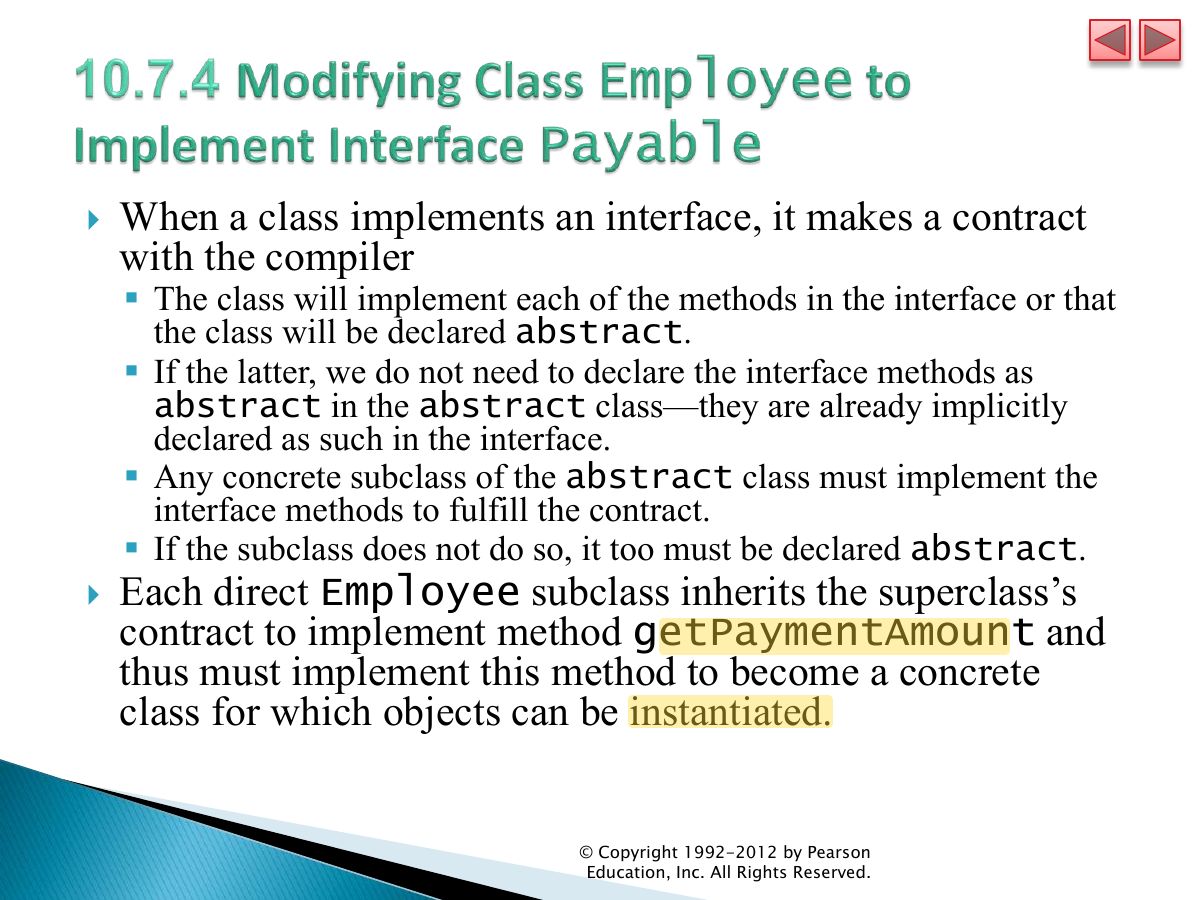
- implements = a contract; a class that doesn’t implement every method must be abstract.
Exam weight Low
Exam weight Low
Exam weight Low
Exam weight Low
Exam weight Low
Exam weight Low
Exam weight Low
Exam weight Low
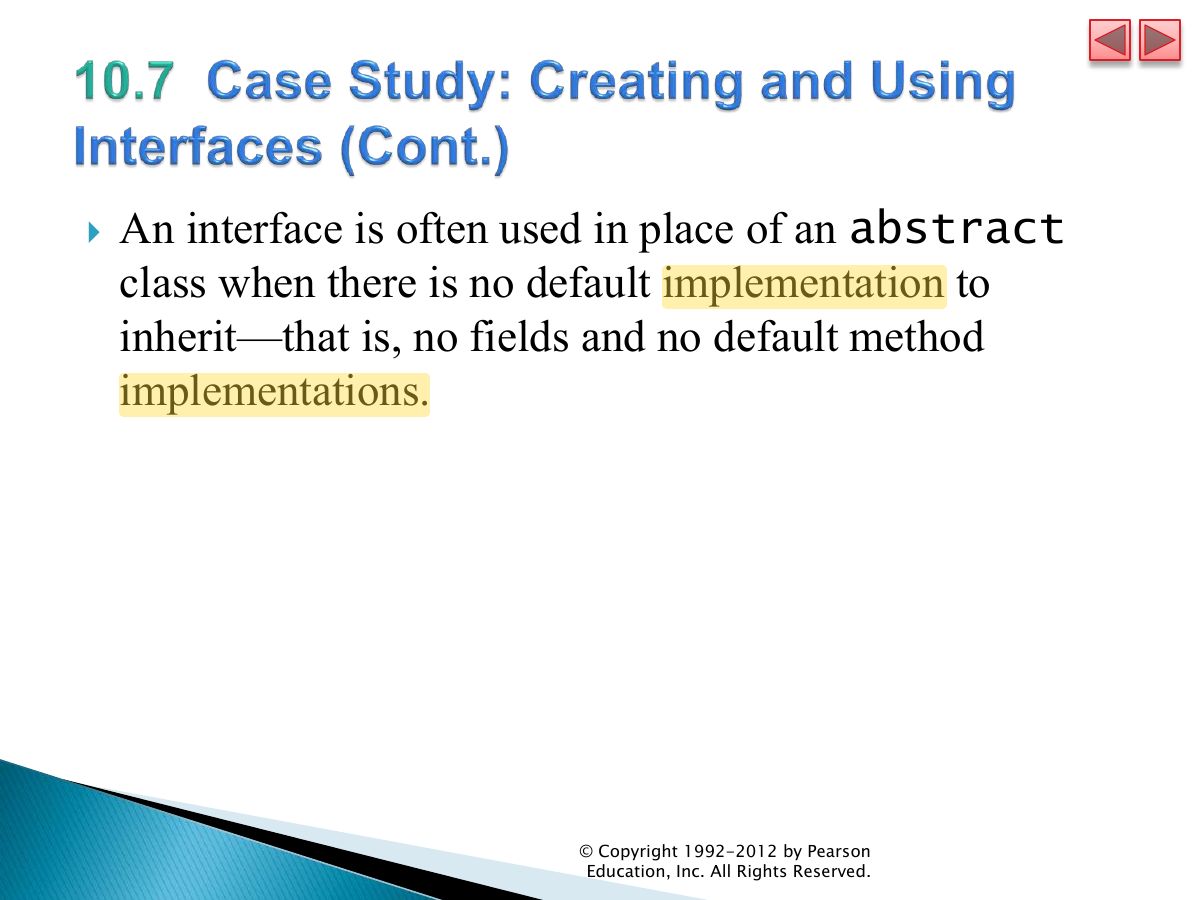
- Use an interface instead of an abstract class when there’s no default implementation to inherit.
Exam weight Low
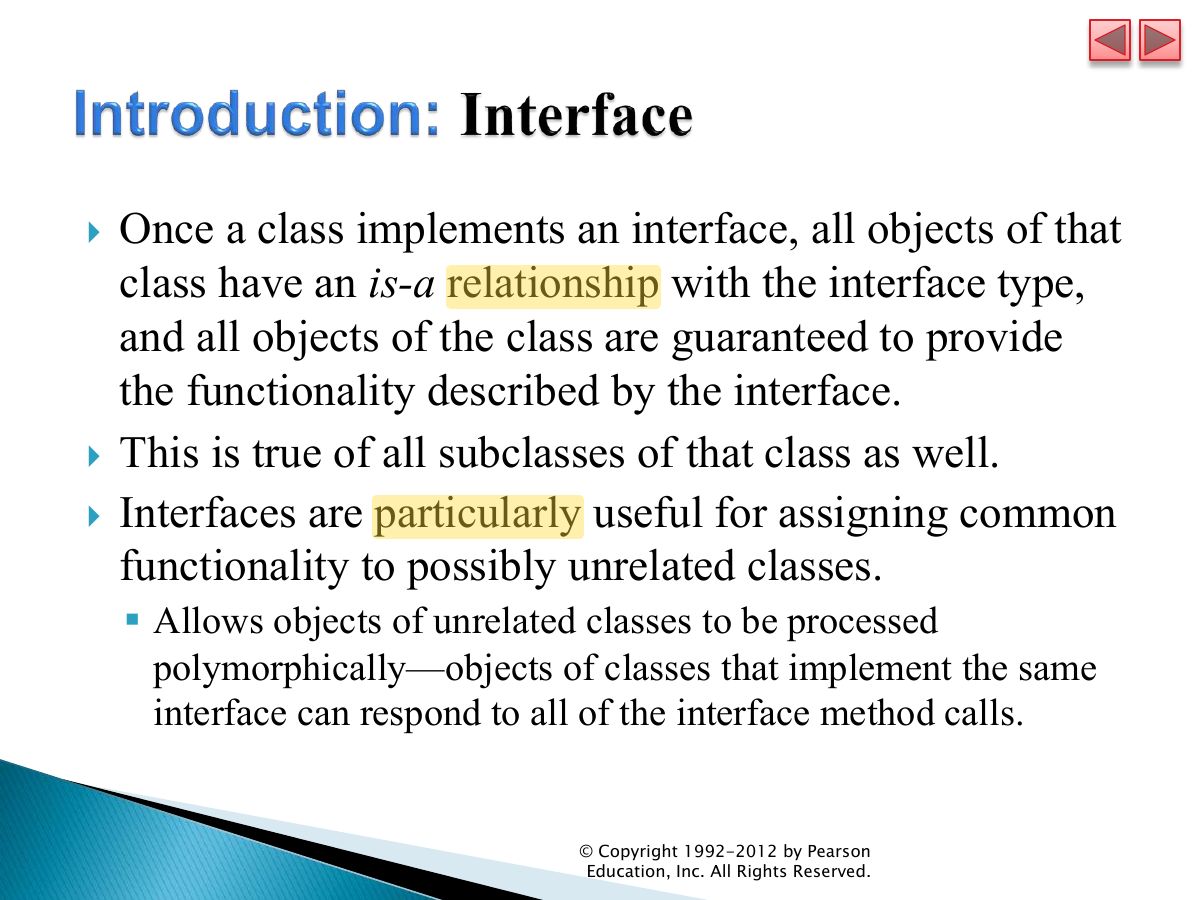
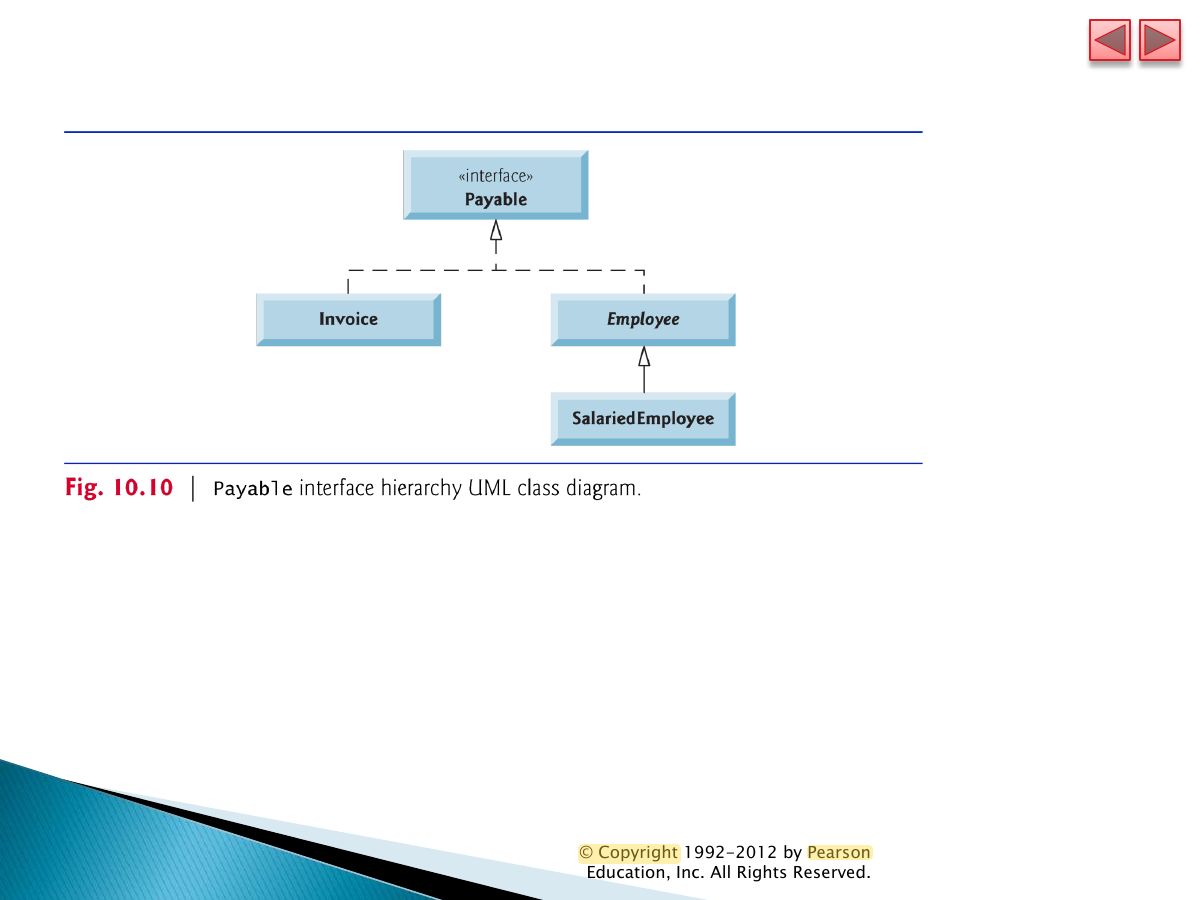
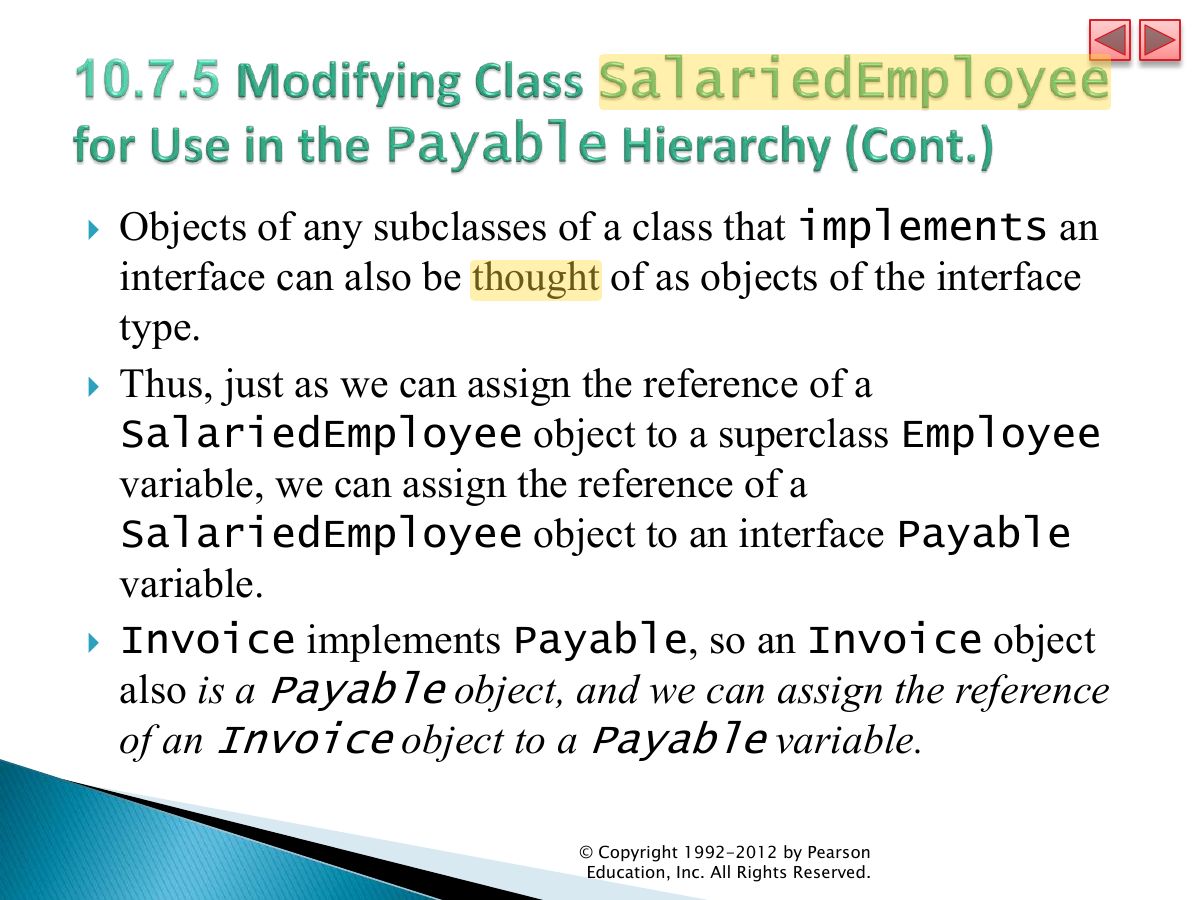
- Implementing classes have an is-a relationship with the interface type.
Exam weight Low
Exam weight Low
Exam weight Low
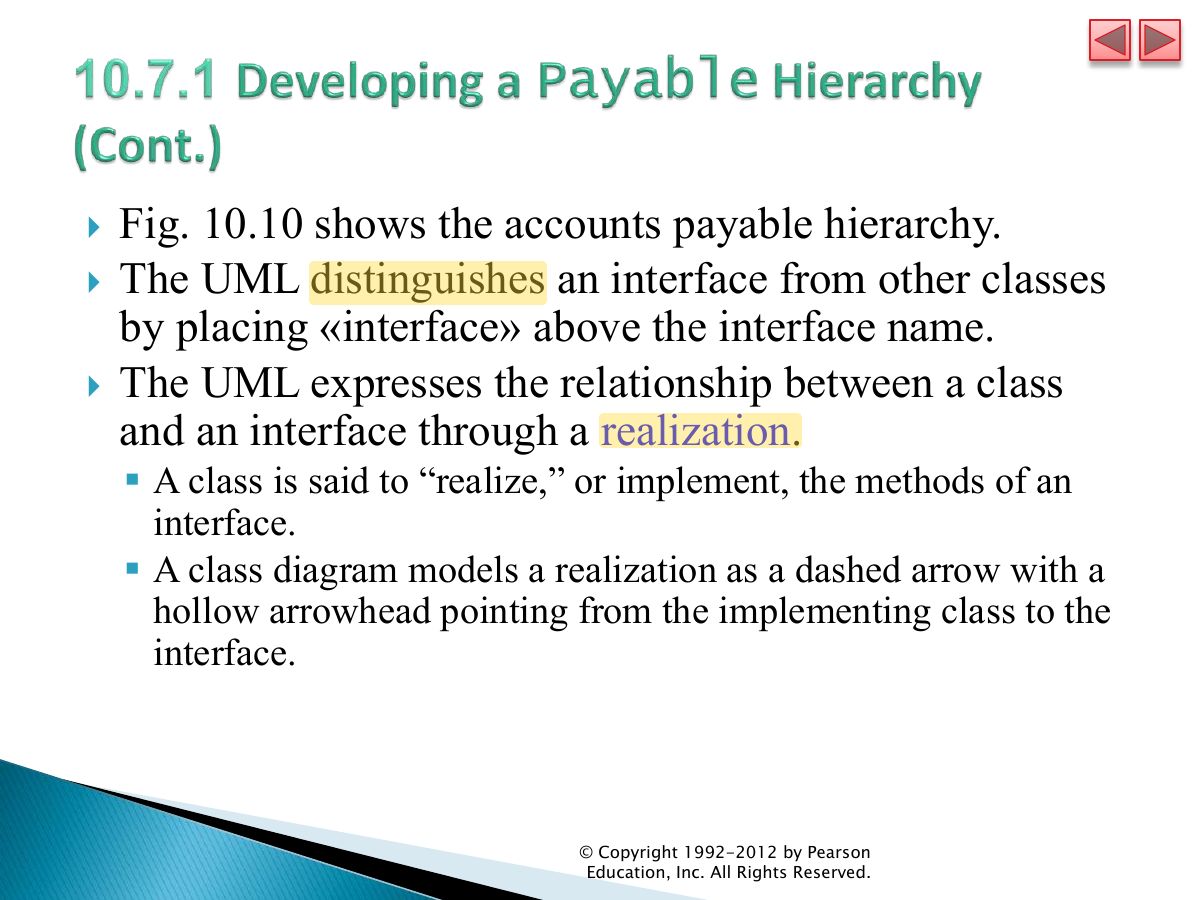
- UML: «interface» stereotype; realization = dashed arrow with hollow head.
Exam weight Low
Exam weight Low
Exam weight Low
Exam weight Low
Exam weight Low
Exam weight Low
Exam weight Low
Exam weight Low
Exam weight Low
Exam weight Low
Exam weight
High
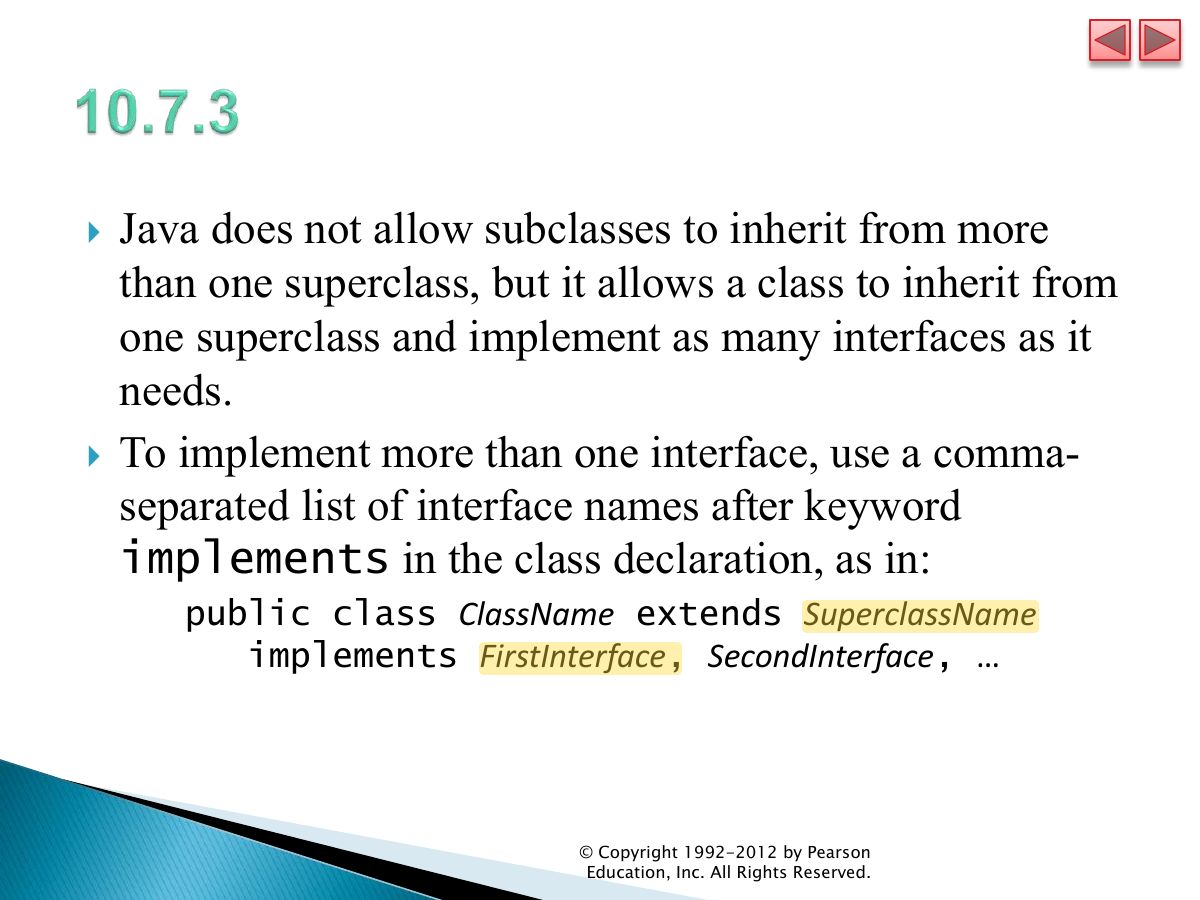
- One superclass, many interfaces: class X extends A implements I1, I2.
🎯 How this can come up · 1 question
True / False
A Java class can implement more than one interface.
True.
Exam weight Low
No slides match this filter.